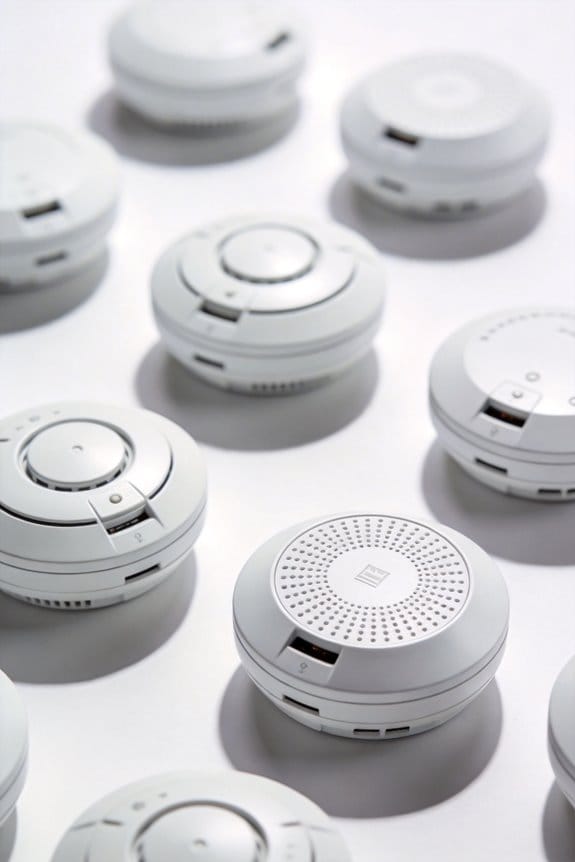

Recent changes in building codes for smoke detectors stress the importance of compliance and safety. We now require smoke alarms on every level and in bedrooms, adhering to NFPA 72 standards. Alarms should be UL 217 certified, with sealed 10-year batteries. Important regulations limit placements near cooking appliances to avoid false alarms. We’ve learned that understanding these codes helps us guarantee our homes are safer. Stay tuned to discover practical steps for full compliance and effective fire prevention.
Key Takeaways
- Smoke alarms are now required on every level of the home, including bedrooms and common areas, according to updated building codes.
- New smoke alarms must comply with NFPA 72 standards and achieve UL 217 certification for reliability and safety.
- Recent regulations specify that alarms should be placed at least 10 feet away from cooking appliances unless designed to be nuisance-resistant.
- A focus on reducing nuisance alarms in updated codes aims to prevent the disabling of smoke detectors, enhancing overall safety.
- Homeowners must stay informed about local building codes, as they may vary in smoke alarm placement and installation requirements.
Understanding the Latest Building Code Requirements for Smoke Detectors
You may be interested
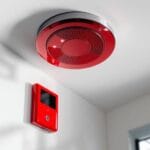
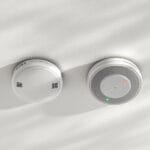
When it comes to keeping our homes safe, smoke detectors play a crucial role. Have you checked if your smoke alarms meet the latest building code requirements? These updated codes now require smoke alarms to be installed on every level of your home, including bedrooms and common areas, all following the NFPA 72 standards.
It’s also important to note that to minimize those pesky false alarms, smoke alarms can’t be placed within 10 feet of cooking appliances—unless they’re designed to resist nuisances. And here’s a must-know: all new smoke alarms need to pass the UL 217 certification for reliability. For those using battery-powered units, they now come with sealed, tamper-proof batteries that should last at least ten years.
Regular check-ups on your smoke alarms can’t be stressed enough. A simple test every month can save lives, and don’t hesitate to replace any units that seem faulty—it’s better to be safe.
Try this:
- When shopping for alarms, look specifically for those that resist nuisance alarms.
- Always stick to UL 217 standards during installation.
Additionally, consider alarms featuring photoelectric and electrochemical sensors to ensure effective detection of both smoke and carbon monoxide.
Key Changes in Smoke Detector Placement Regulations
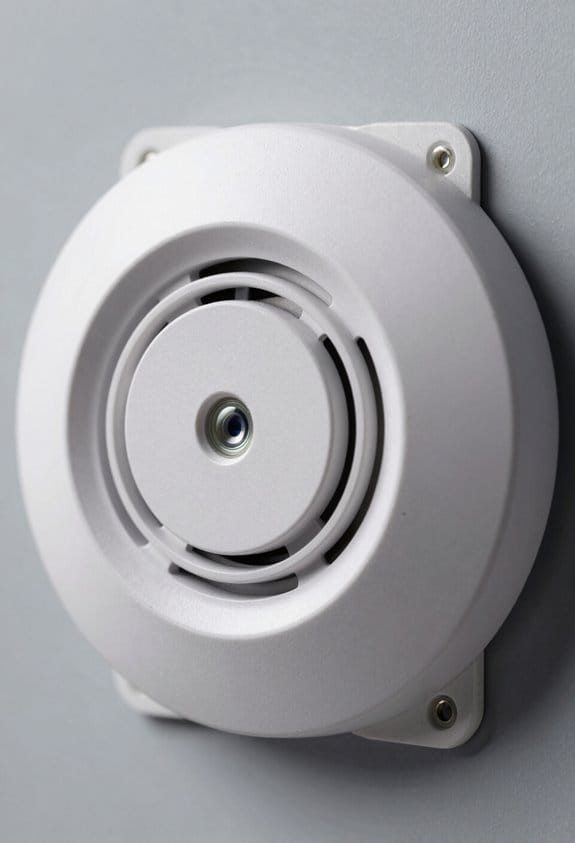
Want to keep your home safe from fire hazards while avoiding those pesky false alarms? It’s crucial to stay updated on the latest changes in smoke detector placement regulations. Recently, new rules have come into play that prevent smoke alarms from being installed within 10 feet of cooking appliances unless they meet specific nuisance resistance standards based on UL 217 or UL 268.
Here are some essential things to keep in mind:
- Smoke alarms can be placed within a 6-10 foot radius of cooking appliances if they are built to resist false alarms.
- The idea behind these changes is to cut down on nuisance alarms that can throw off your fire safety plans and result in people disabling their detectors.
- Following these guidelines ensures your smoke detectors are installed effectively, leading to increased fire safety in your home.
So, why should you care about these new regulations? Honestly, it all boils down to making sure your smoke detectors actually work when you need them most. If they’re constantly going off because they’re too close to the kitchen, you might let them go silent, putting your safety at risk.
The best part is, taking the time to check your smoke alarm placements could save lives. Be proactive about your home safety.
In short, remember to check your smoke alarm proximity to cooking devices and make sure they meet the new standards. For example, models with Precision Detection technology help minimize false alarms from cooking, making them ideal for kitchen areas. Have you checked lately if yours are in a proper spot? It’s worth a moment of your time for your peace of mind!
Why UL 217 and UL 268 Compliance Matters
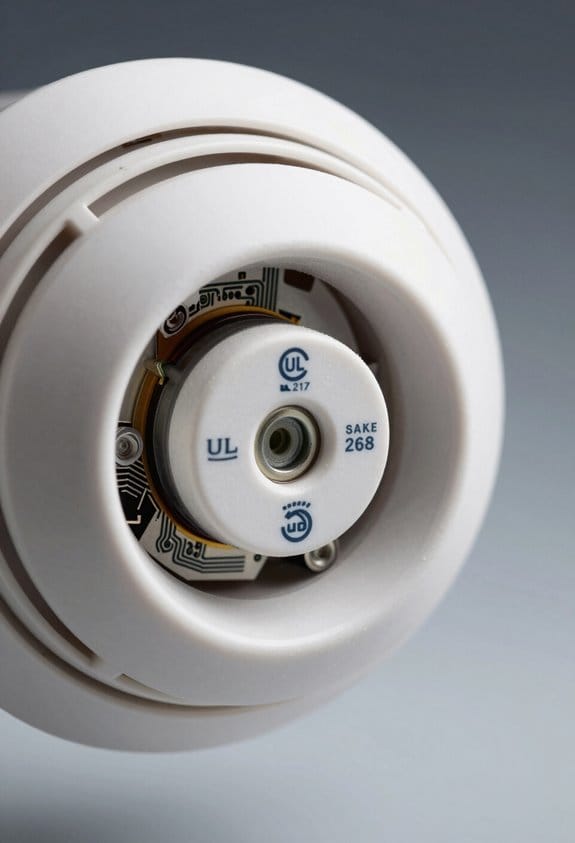
Ever had your smoke alarm go off while cooking? It’s frustrating and makes you question how effective those alarms really are. Understanding why you need to pay attention to UL 217 and UL 268 standards can help ease some of those worries. These safety standards ensure smoke alarms can detect fires effectively, without being triggered by regular cooking smoke.
Let’s break it down. UL 217 is all about detecting both smoldering and flaming fires. This matters more now than ever, given how many synthetic materials are in our homes. You want an alarm that can tell the difference between a real fire hazard and the steam from your pasta boiling.
So, what’s the deal with these smoke alarms? They need to undergo specific tests, particularly regarding their distance from active cooking appliances. This means alarms should only go off when smoke levels are truly dangerous. Honestly, this gives you more peace of mind when you’re whipping up dinner.
In the end, knowing about these standards could make all the difference in keeping your home safe. If your smoke alarms are compliant with UL 217 and UL 268, you can breathe a little easier. Isn’t it nice to know that there’s protection in your kitchen? Choosing alarms with photoelectric sensors can also help reduce false alarms in cooking areas.
Understanding How New Testing Reduces Nuisance Alarms
Have you ever experienced the frustration of smoke alarms going off at the most inconvenient times? You know, like when you’re in the middle of cooking and that annoying beeping starts blaring? It’s a real headache. Luckily, advancements in smoke alarm testing are making it easier to avoid those nuisance alarms that interrupt our lives.
The latest testing methods under UL 217 and UL 268 use realistic scenarios, like cooking hamburgers at full power, to simulate how smoke alarms react in everyday situations. This means smoke alarms are designed to only go off when a certain level of smoke is detected. That makes them more reliable and much less likely to trigger for minor cooking mishaps.
Another important thing to keep in mind is the placement of your smoke detectors. New guidelines suggest that you should keep them at least 10 feet away from cooking appliances. If they’re specially designed to resist false alarms, they can be closer, but generally speaking, that distance helps reduce annoying beeping while you’re whipping up dinner.
Here’s the trick: by following these placement guidelines, you can significantly limit those pesky false alarms. Plus, when smoke detectors are functioning properly, the chance of them being disabled goes down, which enhances fire safety in your home.
So, check your smoke alarm placements to make sure they’re in line with these new recommendations. It could make a big difference!
In short, being aware of where your smoke detectors are can help minimize frustration and keep your home safe. Have you checked yours lately?
For optimal protection, consider installing wireless interlinked smoke alarms which provide comprehensive coverage and timely alerts throughout your home.
Why Limiting Nuisance Alarms Is Critical for Home Safety
When it comes to home safety, dealing with nuisance alarms is a real concern many of us experience. Those annoying false alarms can lead to people disabling smoke detectors, which creates a dangerous situation when a real fire breaks out. Did you know a 2026 NFPA report shows that 16% of smoke alarms fail during home fires due to missing batteries? These failures often stem from nuisance issues. What does that mean for you? Well, having functioning smoke detectors can cut the risk of fire deaths by over 54%, so having reliable alarms is crucial.
So, what can you do to make sure your smoke detectors aren’t just sitting there collecting dust? Try these simple tips:
- Install detectors in smart spots: Think about areas where a fire is more likely to start, like the kitchen and sleeping areas.
- Regularly test your alarms: Make it a habit to check your smoke detectors at least once a month. This helps catch any faults before they become serious issues.
- Choose models that reduce false alarms: Look for smoke detectors that are designed to minimize those pesky nuisance alarms.
Truth is, opting for smoke detectors that meet UL 217 standards can ensure they’re more reliable in tough conditions. You definitely want those timely alerts when it matters most. Many hardwired smoke detectors come with interconnection capabilities that allow all alarms in the house to sound simultaneously, enhancing safety by notifying everyone promptly during a fire.
What You Need to Know About NFPA 72 and Fire Safety?
Ever thought about what would happen if a fire broke out while you were asleep? It’s a scary thought, and that’s why we need to pay attention to fire safety—and that includes NFPA 72. This guideline from the National Fire Protection Association emphasizes the importance of having smoke alarms installed on every level of your home and close to sleeping areas. It’s the kind of precaution that could save lives.
So, how can you make sure you’re doing all you can? Here are some tips:
- Regularly check your smoke alarms—make it a habit to test them every month.
- If you find any that aren’t working, replace them right away to stay compliant with NFPA 72.
- Think about interconnecting your smoke alarms. This way, if one goes off, the others will too, which can really improve your chances of getting out safe if there’s an emergency.
Honestly, maintaining fire safety measures doesn’t have to be a chore. Just ask yourself: When’s the last time you checked your smoke alarms? Taking a few minutes to ensure they’re in working order can really give you peace of mind. For comprehensive safety, consider installing detectors with wireless interconnectivity so all alarms sound simultaneously.
In a nutshell, stay proactive about fire safety. It could make all the difference when it counts the most. How prepared are you for an emergency?
How Local Authorities Influence Code Adoption and Enforcement
Have you ever thought about how safe your home really is when it comes to fire protection? It’s something that local authorities take seriously, especially when it comes to adopting and enforcing building codes like NFPA 72. By keeping up with new updates—like where smoke alarms should be placed and how technology is advancing—they help make sure your home is well-protected.
Take a look at California and Ohio; they’ve already adopted the 2022 building code. This highlights a critical point: local compliance is key. On the flip side, twenty-seven states are still using the older 2019 edition. So, what’s the takeaway? Alarm practices can really differ from one place to another, which can be confusing.
Local building codes often include extra requirements based on the specific fire risks of a community. This is where it gets interesting: when local authorities enforce updated codes, they’re not just going through the motions. They’re making sure residential safety measures reflect new research findings and cutting-edge fire detection technology.
Isn’t it comforting to know that there are people working on your behalf? Keeping your home safe is about more than just having the right number of smoke alarms; it’s about making sure they’re in the right spots and using the latest technology.
Additionally, modern codes emphasize the importance of selecting detectors with the appropriate detection technology types to improve response times and reduce false alarms.
To wrap it up, local authorities play a huge part in keeping your home safe from fires by adopting and enforcing updated codes. It’s worth staying informed about what’s happening in your area. Are you aware of the codes where you live?
Practical Steps for Homeowners to Ensure Compliance
Ever thought about how crucial smoke alarms really are in keeping your home safe? It can be a bit overwhelming to make sure everything’s up to code, but tackling it with these straightforward steps can make a big difference.
First off, you’ll want to get your smoke alarms installed in the right places. They should be at least 10 feet away from cooking appliances to avoid false alarms. Make sure to have one in every bedroom, just outside sleeping areas, and on every level of your home, including the basement. These measures follow NFPA 72 safety regulations, which are in place to protect you and your family.
Next, take a look at the battery specifications. For new or heavily remodeled homes, it’s best to go for alarms with non-replaceable, tamper-proof batteries that last at least ten years. This saves you from the hassle of changing batteries all the time and gives you peace of mind.
Now, let’s talk maintenance. Make it a habit to test your alarms monthly. If one isn’t working properly, replace it right away—don’t wait. It’s really essential to stay compliant and keep your home safe.
It might be a good idea to assess your current smoke alarm system, especially if you haven’t checked them in a while. If you’re unsure about anything, consider bringing in professionals to handle the installation.
Honestly, keeping on top of smoke alarm compliance isn’t just about following rules; it’s about ensuring the safety of everyone in your home. Installing an interconnected smoke alarm system can significantly enhance alerting efficiency throughout larger homes, giving you extra protection.
So, how are you planning to make your home safer today?
Effective Fire Safety Practices Involving Smoke Detectors
When it comes to fire safety, one of the most basic but crucial elements is smoke detectors. Have you ever thought about how they can really protect your home and loved ones? To make sure you’re covered, it’s a no-brainer to install smoke alarms in every bedroom, outside the sleeping areas, and on every level of your home. Following the latest NFPA 72 guidelines, these placements can significantly enhance your safety.
Got a cook who’s a little too experimental in the kitchen? To cut down on those annoying false alarms, make sure you place smoke detectors at least 10 feet away from cooking appliances. Believe it or not, having interconnected smoke alarms makes a big difference. Homes equipped with these saw alerts in 26% of fire incidents — that’s a pretty significant safety boost!
Don’t forget the importance of regular maintenance. Test your alarms every month, and remember to replace them every 10 years to keep them working correctly. Fire safety research indicates that working smoke alarms can prevent over 54% of fire deaths. That statistic speaks volumes!
Pro Tip: Always opt for UL-certified devices; they’re known for their performance. For the best protection, consider smoke detectors with dual-sensor technology that detect both fast-flaming and slow-smoldering fires effectively.
Frequently Asked Questions
What Are the Changes in the NFPA 72 2026?
As we navigate this evolving landscape, we’re thrilled about the NFPA 72 2026 changes, enhancing smoke detector improvements, installation guidelines, battery technology, testing frequency, and safety standards in response to vital regulatory changes.
Are Hardwired Smoke Detectors Required?
Yes, hardwired smoke detectors are required for new constructions. They offer safety regulations advantages, minimal maintenance, and reliable power. We recommend upgrading to these systems for superior protection, moving away from battery alternatives that may fail.
Do Smoke Detectors Need to Be Changed Every 10 Years?
Absolutely, we need to change smoke detectors every 10 years! Their lifespan is vital for safety regulations. Following installation guidelines and understanding battery types guarantees replacement importance. Let’s not gamble with our safety—regular maintenance is key!
What Is the Code for a Smoke Detector?
To meet fire alarm specifications, we should follow detector placement guidelines, ensuring low battery alerts are functional and comply with residential safety standards. We must also review local amendments and consider alternative detection systems.