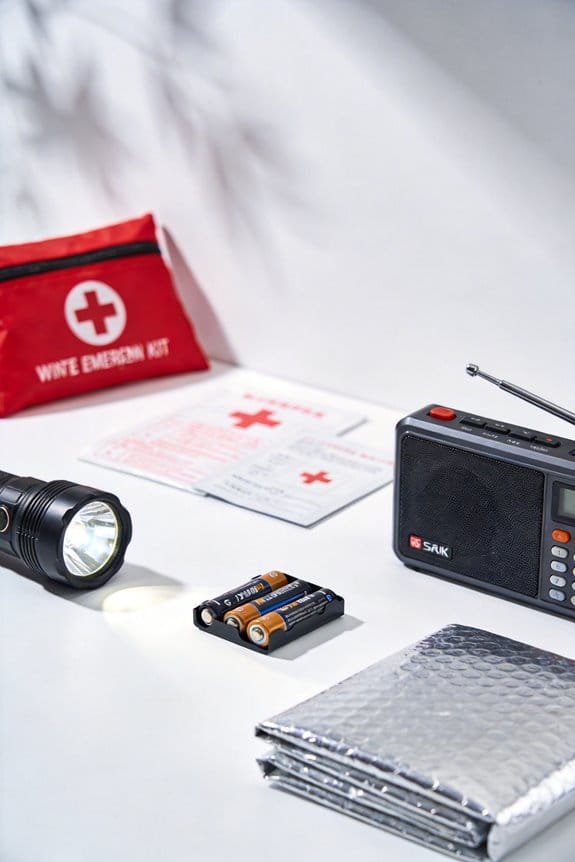

When preparing for winter storms, we should focus on several essential safety measures. First, we need to stock up on non-perishable food and at least one gallon of water per person per day. Next, creating a well-equipped vehicle emergency kit is vital, including blankets, snacks, and first-aid supplies. We also have to make sure our homes are draft-free and have a functional heating source. Understanding frostbite and hypothermia risks can keep us healthier during these frigid times, so let’s explore more tips for safety.
Key Takeaways
- Stock non-perishable food and water for at least two weeks to ensure adequate supplies during a winter storm.
- Prepare a vehicle emergency kit with blankets, snacks, water, and safety gear for unexpected roadside situations.
- Check heating sources, draft seals, and safety alarms to maintain a warm and safe home environment.
- Create a go-kit with essential personal items, medications, and communication tools for emergencies or power outages.
- Monitor weather alerts and maintain updated plans to ensure preparedness for severe winter weather conditions.
Understanding Winter Storm Alerts and Warnings
You may be interested

When winter weather hits, knowing what each alert means can make all the difference in staying safe. Let’s break it down so you can prepare effectively.
- Winter Storm WARNING: If you see this alert, get ready for potentially life-threatening conditions. It means you’re likely facing severe snow, freezing rain, or sleet within the next 24 hours. It’s not just a suggestion to stay inside; it’s a serious call to action.
- Blizzard WARNINGS: Keep an eye out for winds exceeding 35 mph along with heavy snowfall. This combo can create dangerous conditions and reduce visibility nearly to zero. If you get this alert, think twice before venturing out.
- Winter Weather ADVISORY: This alert suggests that significant snow or freezing rain is on the way. While it might not be as severe as a warning, it could still lead to some tricky situations on the roads. Be sure to make your travel plans accordingly.
- Winter Storm OUTLOOK: This is more of an early warning. It doesn’t mean a storm is here yet, but it’s a heads-up about possible severe weather expected in the next 2-5 days. It’s a good time to start preparing and keeping an eye on weather updates.
Including a well-equipped survival kit can greatly improve your safety and readiness during these severe winter conditions.
Essential Home Preparations for Winter Storms
Winter storms can really throw a wrench in our plans, can’t they? When the chilly winds start blowing and the snow begins to pile up, it’s important to ensure your home is ready to weather the storm. One way to do that is to make sure your home is as cozy as possible.
Start by checking for drafts. A little weather stripping or caulking can make a big difference in keeping the warm air inside. Also, have a look at your heating sources—your fireplace and space heaters should be in tip-top shape and clear of anything flammable. That’ll help you stay warm when the temperatures drop.
Safety is key, too. Have you checked your smoke alarms and carbon monoxide detectors lately? They should be tested monthly to keep everyone safe.
Don’t forget to stock up on essentials. Aim for non-perishable food items and enough water, ideally about a gallon per person each day. Having supplies for at least two weeks is smart because storms can mess up our access to stores.
Think about putting together a Go-Kit filled with supplies like food, water, and any necessary medications. This can really help if you find yourself stuck at home without power.
To ensure maximum readiness, it’s recommended that your emergency kit contains at least 72 hours of supplies including water and calories per person.
These small steps can protect you and make a tough situation a little easier. Are you ready to tackle winter storms head-on?
Creating a Vehicle Emergency Kit for Winter Weather
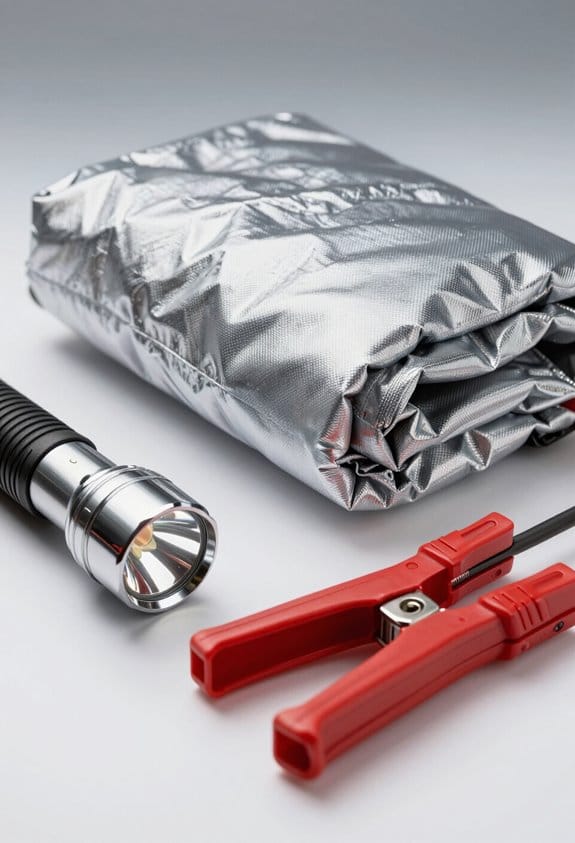
Winter storms can hit without warning, and you never know when you might find yourself stuck on an icy road. That’s why it’s smart to have a solid vehicle emergency kit ready to go. Here’s what you should pack to stay safe and comfortable if you run into trouble.
Start with the basics:
- Blankets and non-perishable snacks are a must. They’ll keep you warm and give you something to munch on if you get stranded for a while.
- Don’t forget water. Staying hydrated is super important, especially during a snowstorm.
- A flashlight and first-aid supplies are essential for your safety and visibility.
- Keep jumper cables, a small shovel, and a windshield scraper handy to tackle common roadside challenges.
- Flares or reflective triangles can help alert others if you’re stuck in low light.
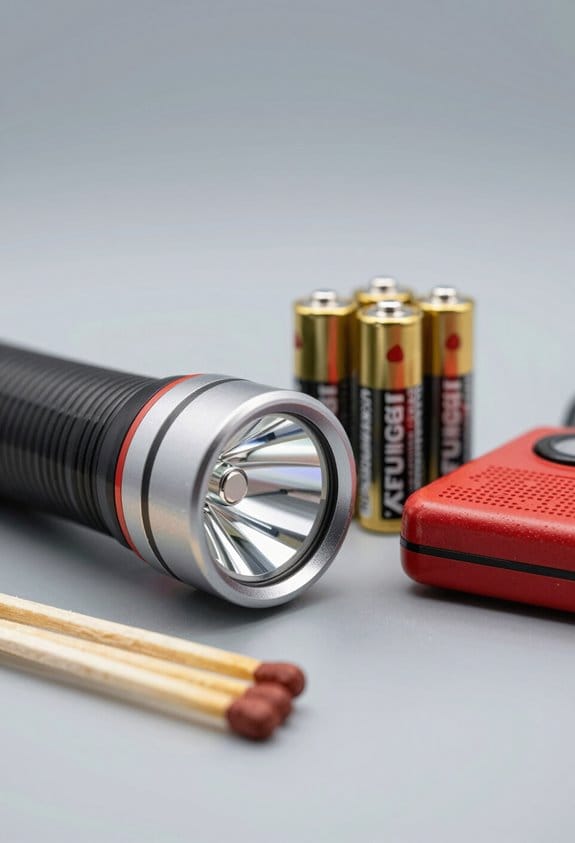
You might think your phone is all you need, but it’s wise to add a portable cell phone charger and an old-fashioned map just in case your electronics fail you. It’s a good idea to check your kit regularly, too. Make sure everything is still in working order and nothing’s expired. Including LED flashlights in your kit ensures you have reliable, bright lighting during power outages or nighttime emergencies.
In this season of snow, preparedness goes a long way. Are you ready to tackle whatever winter throws your way?
How to Stay Warm During Power Outages
Have you ever found yourself shivering in your own home during a power outage? It can be tough, especially in the chilly winter months. But don’t worry! There are a few practical tips to keep your space cozy until the lights come back on.
First off, make sure your home is properly insulated. It sounds complicated, but really, just check for gaps around windows and doors. Weather stripping can do wonders in keeping the heat inside. And don’t forget to bundle up! Throw on those warm clothes like hats, gloves, and thermal wear to help keep your body heat where it belongs.
Here’s a trick: Grab some extra blankets or sleeping bags to cozy up with. When you’re indoors, throw them over yourself as you relax on the couch. And if you can, try closing off the rooms you aren’t using. This way, you can keep the heat concentrated in the areas you are.
And here’s another helpful suggestion—if it’s safe, gather your family in one room. Huddle together under those blankets or sleeping bags. Your body heat combined can make a big difference!
Lastly, about lighting… Instead of using candles, which can be a fire risk, opt for battery-powered lights and flashlights. It’s a simple swap that can keep you safe while still letting you see what’s around.
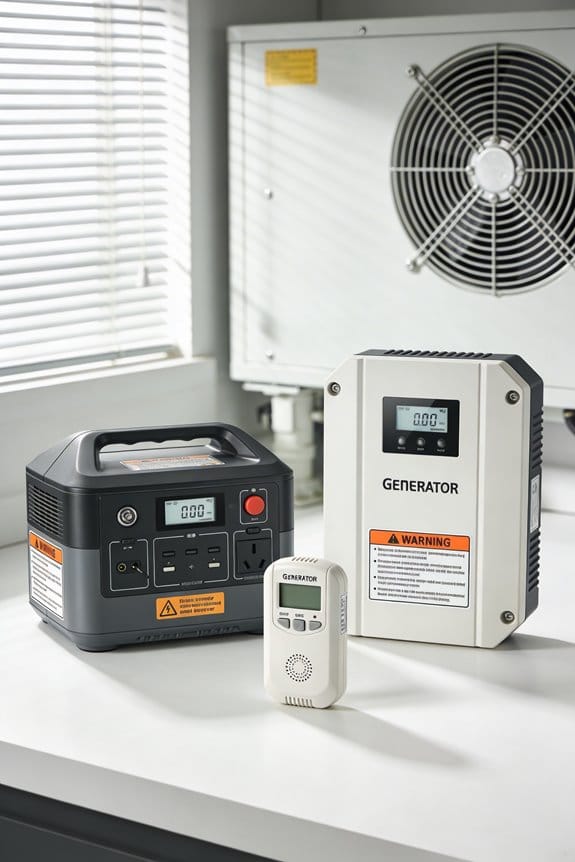
For added safety during outages, consider a backup power system to keep essential devices operational and maintain warmth.
Essential Emergency Supplies for Winter Storms
When winter storms roll in, you may find yourself in a bit of a bind. Do you have everything you need to stay safe and comfortable? It’s crucial to gather the right supplies ahead of time. Here are some essentials you should consider:
– Non-perishable food: Stock up on enough for at least three days for everyone in your household. Canned goods, dried fruits, and energy bars really help.
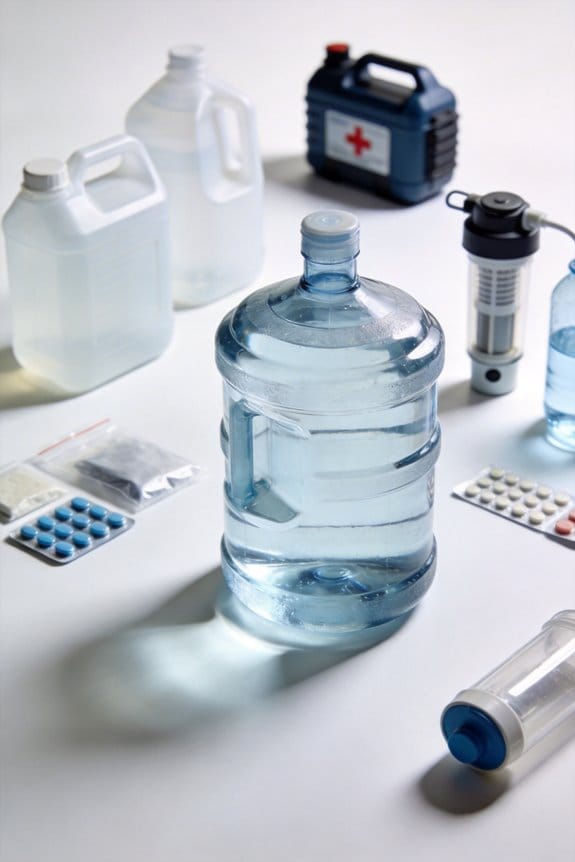
Water is another must-have. You’ll want to have at least a gallon per person each day. It’s also a good idea to stash some extra in case of an emergency.
A well-stocked first-aid kit could make all the difference. Ensure you’ve got bandages, antiseptic wipes, and any essential medications on hand. You never know when you might need them.
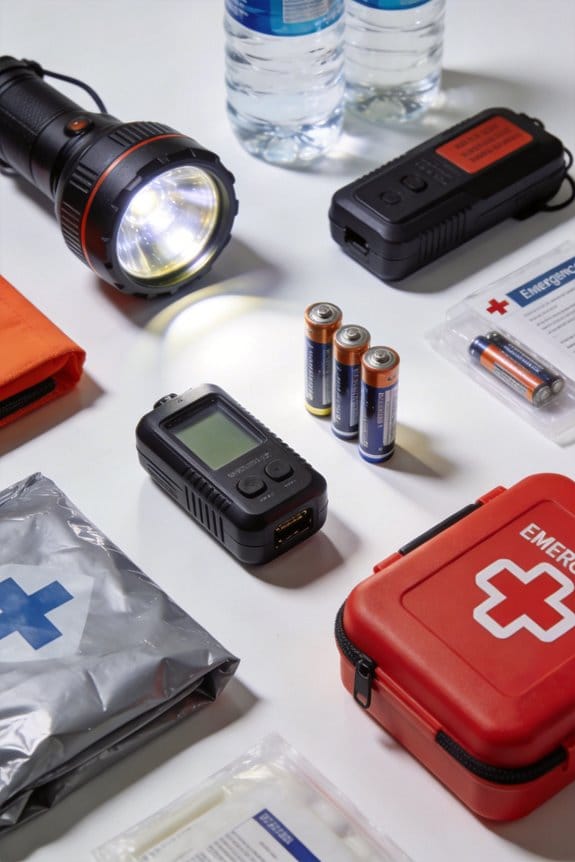
And when the power goes out, it’s those flashlights that will save you. Make sure you have several on hand along with extra batteries. You’ll appreciate the light source when it’s dark outside.
Don’t underestimate the importance of a NOAA Weather Radio. It keeps you updated on changing conditions, which is super helpful when a storm is brewing nearby.
Last but certainly not least, warm clothing is essential. Think blankets, sleeping bags, and layers. It’s always better to be cozy than freezing.
Additionally, storing your food in waterproof containers helps protect supplies from damage during harsh conditions.
Driving Safely in Winter Weather
Driving in winter weather can be a real headache if you’re not ready for it. So, how do you make sure you stay safe on those icy roads? Here are some tips that might help:
First off, you can’t underestimate how important it is to check your vehicle. Before you even think about hitting the road, give it a good look. Make sure your fluid levels are topped off, your lights are working, your heater is cranking, and your windshield wipers are in good shape. A little prep can make a big difference.
You know that feeling of panic when your gas light comes on? Avoid that by keeping your gas tank full, or at least halfway full. It helps prevent your fuel lines from freezing and ensures you won’t be stuck without heat if you get stranded out there.
Driving in winter isn’t a race. Take it slow and keep a safe distance from the car in front of you. Stopping on icy roads can take a lot longer than it does on dry ones. It might feel frustrating at times, but better safe than sorry!
Staying in the loop is also crucial. Check out your state’s Department of Transportation services for the latest on road and weather conditions before you head out. It’s better to know what’s ahead than to get caught in a nasty surprise.
Additionally, having an emergency go bag in your vehicle equipped with survival essentials can provide critical support if you become stranded in severe winter weather.
In short, prepping your vehicle, keeping your gas tank full, driving cautiously, staying informed can really help you navigate winter weather safely. So, as the cold months approach, what’s your go-to tip for driving in snow?
What to Do If You Get Stranded in Your Vehicle?
Getting stranded in your vehicle during a winter storm can really put you on edge. You might feel overwhelmed and unsure of what to do next. Here are some practical tips to keep you safe in that situation:
First off, stay inside the car. It might be tempting to venture out for help, but trust me, conditions can turn dangerous in an instant.
Here’s the trick: once the snow stops, signal for help. You can do this by displaying a bright cloth or raising your hood. Make sure you’re visible; it’s key in attracting any passersby or rescuers.
Now, let’s talk about your engine. To stay warm, run it for about 10 minutes each hour. Just make sure your exhaust pipe is clear of snow – no one wants carbon monoxide poisoning on top of everything else!
Stay engaged, too. Keep the overhead light on for visibility, and why not do some light exercises? It’ll help keep your body temperature up and keep you from feeling too sluggish.
Don’t forget to have a vehicle emergency kit packed. This should include blankets, dry clothing, food, and water. It’s a good idea to check your supplies before the storm hits.
Communication is also crucial. If you can, let someone know where you are. That way, if you’re stuck for awhile, at least someone’s aware of your situation.
Consider including a Ready America 72 Hour Emergency Kit in your vehicle to ensure you have essential food, water, and first aid supplies during a prolonged wait.
Winter Health Risks: Frostbite and Hypothermia
As winter storms roll in, don’t underestimate the serious health risks that come with the extreme cold—especially frostbite and hypothermia. These aren’t just fancy terms; they’re real threats that can impact anyone spending time outdoors.
So, what’s frostbite? It happens when your skin and tissues literally freeze. Keep an eye out for signs like:
- Numbness
- Strange color changes in the skin
- Skin that feels hard or waxy
Now, hypothermia is a bit more sneaky. It strikes when your body temperature drops below 95°F (35°C), and you might notice symptoms like:
- Shivering, which just won’t stop
- Confusion that makes you feel lost
- Extreme tiredness that’s hard to shake
Both of these conditions can sneak up on you, especially if you’re stuck outside in cold, windy, or wet weather for too long. The best advice? Layer up with moisture-wicking clothes and limit your time outside when it’s really frigid.
Here’s a tip to remember: if you catch frostbite early, warm the affected areas slowly. For hypothermia, focus on warming your core first; otherwise, you can end up making things worse.
Honestly, understanding these dangers is key to keeping yourself safe this winter. Using emergency thermal blankets can be vital for retaining body heat in such cold conditions. So, what measures are you taking to stay warm and healthy as temperatures drop?
Staying Safe After the Storm
Winter storms can really throw a wrench in your routine, can’t they? Once the storm passes, there are a lot of challenges to tackle, so it’s crucial to be careful when you venture outside. You’ve got to watch out for icy patches and be mindful of branches that might have come down during the storm. And whatever you do, stay away from any damaged power lines—they’re no joke and can really put you at risk.
If you’re facing a mountain of snow, remember to pace yourself while shoveling. It’s easy to push too hard and end up exhausted or even hurt. Here’s a tip: take breaks every so often and consider working with a buddy. You can tackle that snow together, which makes it safer and more manageable.
For your walkways, try using ice-melting products; they can really help prevent slips. Honestly, there’s nothing worse than taking a nasty spill when you’re just trying to get back to normal. Make sure to keep an eye on yourself emotionally too—stress and anxiety can creep in after a storm. Prioritizing self-care during this time really matters. Having an emergency preparedness kit on hand can provide peace of mind during the recovery process.
Emotional Wellness and Recovery After Winter Storms
Winter storms can really take a toll on our emotional well-being. The stress and anxiety they bring often stick around long after the snow melts. That’s why it’s key to focus on your emotional wellness during your recovery. There are some simple ways to help you cope:
- Talk about your feelings with friends or family who get it. Sometimes just sharing what you’re going through can lighten the load.
- Eat healthy foods; you’d be surprised how much what you eat influences your mood. Loading up on fruits and vegetables can make a difference.
- Don’t forget the importance of sleep! Getting enough rest is essential for bouncing back.
If you’re feeling stuck in your distress, it’s totally okay to reach out for help. Consider calling the Disaster Distress Helpline at 1-800-985-5990. They provide support when you need it most. And hey, engaging with your community can really help, too. Whether it’s volunteering or joining a local group, making connections helps rebuild your emotional strength.
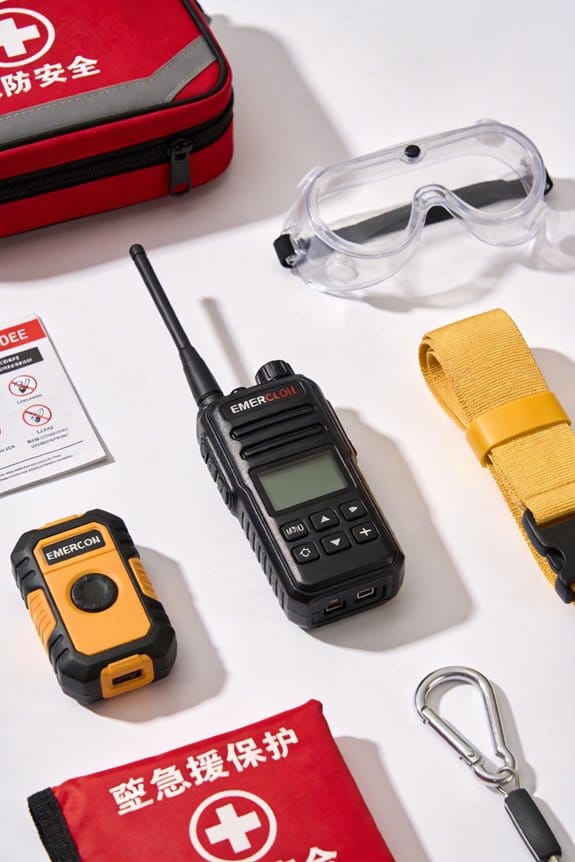
Truth is, acknowledging your feelings is a big part of the healing process. So, let’s be there for one another and make recovery a little easier after these harsh winters. Remember to keep your emergency kits updated and readily accessible, as having a well-prepared kit can provide peace of mind during such events. How are you taking care of your emotional health these days?
Frequently Asked Questions
What Are the 5 P’s of Cold Weather Preparedness?
The 5 P’s of cold weather preparedness are: People, Pets, Property, Supplies, and Plans. We should focus on food supplies, travel precautions, home insulation, heating safety, and assembling emergency kits to guarantee our overall safety together.
What Are Some Safety Tips for a Winter Storm?
When snow blankets our world, we must act wisely. Let’s guarantee effective snow removal, stock emergency kits, practice heating safety, store food properly, follow travel precautions, establish communication plans, and monitor the weather continuously.
What Are the 4 P’s of Winter Safety?
The 4 P’s of winter safety are Prepare, Peel, Practice, and Protect. We should focus on preparation techniques like emergency kits, vehicle maintenance, and weather monitoring while ensuring family communication and travel safety during winter conditions.
What Should I Stock up on Before a Winter Storm?
Before a winter storm hits, we oughta stock up on bottled water, non-perishable foods, warm blankets, flashlights with batteries, first aid kits, and even pet supplies and portable chargers. Preparation keeps us safe and secure.