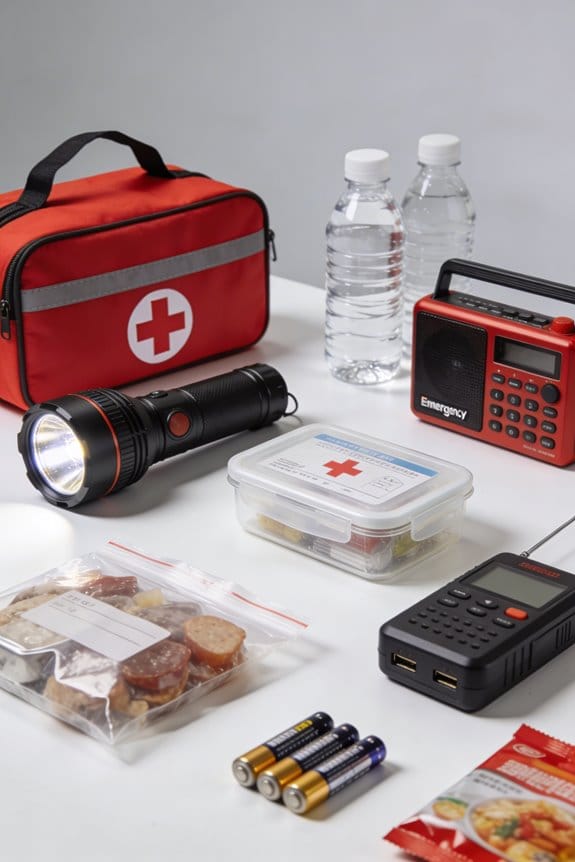

Essential items every home emergency kit should contain include water, non-perishable food, first aid supplies, personal hygiene items, and important documents. We should pack one gallon of water per person, per day, for three days and include items like adhesive bandages, antiseptic wipes, and a manual can opener. Don’t forget communication devices like a NOAA Weather Radio and copies of essential documents. Regularly check and update our kits to confirm everything remains fresh. There’s more to explore.
Key Takeaways
- Stock one gallon of water per person per day for at least three days to ensure hydration during emergencies.
- Include non-perishable food items like canned goods, energy bars, and a manual can opener for meal preparation.
- Pack a comprehensive first aid kit with adhesive bandages, antiseptic wipes, and common medications for treating minor injuries.
- Keep important documents like identification, medical records, and emergency contacts in waterproof and fireproof containers for easy access.
- Add personal hygiene items, such as soap, toothpaste, and feminine products, to maintain cleanliness and health during extended crises.
The Importance of Preparing an Emergency Kit for Your Family
You may be interested
Have you ever thought about what you’d do in an emergency? It’s a scary thought, but being prepared can make all the difference. One of the first steps I recommend is creating an emergency kit for your family. Trust me, it’s key for making sure you stay safe when unexpected situations hit.
You need to be ready to survive for at least 72 hours during things like natural disasters. So, what should you include in your kit? Here are the essentials:
- Water and non-perishable food
- First aid supplies and any medications your family uses
- Personal hygiene products like soap and hand sanitizer
Now, here’s the trick: checking and updating your emergency kit every six months can keep everything fresh and effective. It’s easy to forget about things like batteries or snacks that might have expired. And don’t just shove the kit in a closet! Store it where you can grab it quickly — think about your home and car. You really don’t want to waste time searching during a panic.
So, why does this matter? Engaging your family in conversations and practice drills about the emergency kit can boost everyone’s awareness. It’s not just about having stuff in a bag; it’s about making sure everyone knows their role when the unexpected happens. Honestly, it can provide a sense of calm in chaos. Emergency preparedness kits that meet FEMA guidelines can significantly increase your chances of staying safe and comfortable during a crisis.
Essential Food and Water Supplies for Emergencies
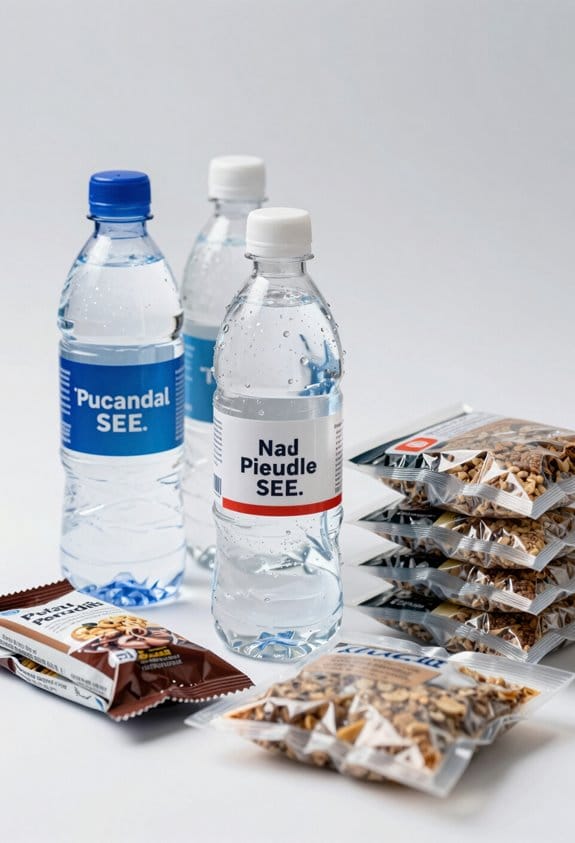
When emergencies hit, having enough food and water can make all the difference. Ever thought about what you’d do if you were suddenly cut off from your usual supplies? Here’s a simple guide to help you prepare your emergency stash.
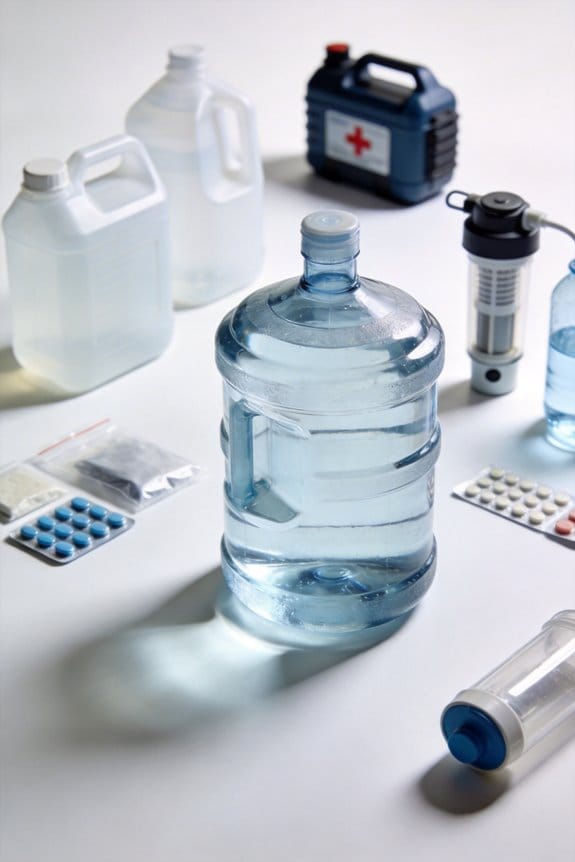
First off, water is key. Aim for at least one gallon per person per day, and plan for at least three days. That’s three gallons for each person in your household, just to be safe.
Now, let’s talk food. Stock up on non-perishable items that can last for at least 72 hours. Think canned goods, granola bars, and dried fruits. Just keep in mind that salty foods aren’t great because they’ll only make you thirstier.
Don’t forget a manual can opener. It seems small, but when the power’s out, you’ll be glad you have it. Trust me, that electric one won’t do you much good when there’s no electricity.
One of the most important tips is to rotate your supplies. Every six months, take stock and replace food and water to keep everything fresh. It’s a simple task, but it can save you a lot of trouble later.
Including emergency food kits with a long shelf life and easy preparation can help ensure nutrition during unexpected situations.
So, why does this matter? Emergencies can happen anytime, and being prepared means you won’t have to scramble at the last minute.
Recommended Products

EMERGENCY DRINKING WATER POUCHES: Mayday ready to drink water has a 5 year shelf life. Prevent hydration with Mayday water pouches. This bulk emergency drinking water pack includes 50 cartons. Lightweight cartons help make carrying easier rather than bottled water.
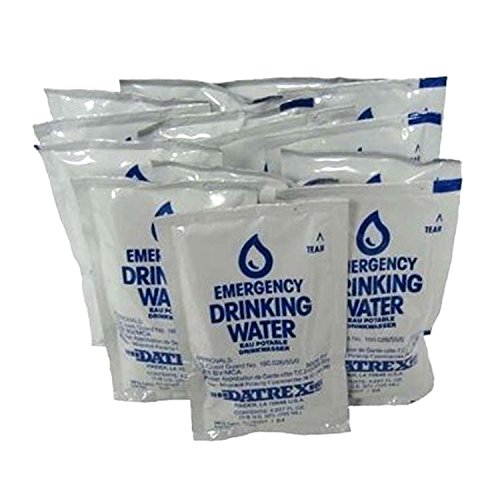
Emergency purified water for immediate use; lightweight and extremely compact

Get the basic life supplies in an expandable bag or box
Key First Aid Supplies for Your Emergency Kit
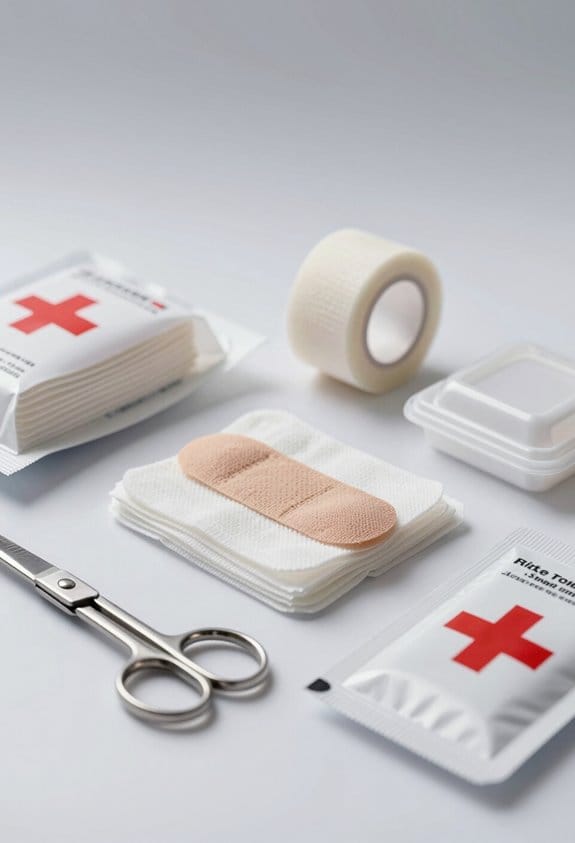
When emergencies strike, having an effective first aid kit can make all the difference. Are you ready for those unexpected minor mishaps? Let’s make sure your emergency kit has all the essential supplies.
Start with some adhesive bandages in different sizes. These are lifesavers for cuts and scrapes. You’ll also want sterile gauze pads and adhesive tape to handle larger wounds and help stop bleeding. Don’t forget about antiseptic wipes or solutions. They’re crucial for cleaning up injuries before you put on any dressings.
Also, here’s a tip: keep a pair of scissors handy for cutting tape or gauze when you need to. You might want tweezers too, perfect for digging out splinters or anything else unwanted stuck in the skin. And a comprehensive first aid manual should definitely find its place in your kit. It can guide you through different treatments and help you feel more confident when you need to act quickly.
Honestly, it’s really important to keep an eye on expiration dates for your supplies. Regularly checking will ensure you’re always prepared for whatever comes your way.
In short, keeping your emergency kit stocked and up-to-date can help you tackle minor injuries with ease. Have you checked your first aid kit lately? Consider using a durable first aid bag to organize and protect your supplies efficiently.
Recommended Products

OSHA-Compliant Emergency Kit: Includes supplies including bandages, gauze, butterfly closures, burn cream packets, antibiotic ointment, BZK antiseptic towelettes, disposable gloves, scissors, and tweezers

High Safety and Reliability-- Our first aid kit meets global standards with ISO13485 and CE certifications, ensuring safety and dependability wherever you are

First Aid Kit Refill Supplies:Ideal for replacing or supplementing any first aid kit apparatus.Address the most commonly worn out items.
Must-Have Personal Care Items for Emergency Readiness
When emergencies hit, finding ways to stay comfortable and clean can be a real challenge. You might be wondering what the essentials are for your personal care in those stressful situations. Here’s a rundown of the must-have items to pack in your emergency kit that can help you maintain hygiene and feel a bit more at ease.
First off, don’t forget to include toothpaste and toothbrushes**. Keeping your teeth clean is super important, even when life gets chaotic. Plus, a little fresh breath** goes a long way in boosting your mood.
Also, grab a bottle of shampoo. It might not seem like a big deal, but being able to wash your hair can help you feel more like yourself. And we all know how feeling clean can lift our spirits, right?
Adding deodorant to your bag is vital too – it helps you stay fresh throughout any unexpected ordeal. Nobody wants to be stuck in a tough situation feeling grimy.
For the ladies, it’s essential to make sure you’ve got feminine hygiene products on hand. Emergencies are tough enough without having to worry about your health needs.
Now, what if you’re struggling with water? That’s where pre-moistened towelettes come in handy. They’re perfect for a quick clean-up when you don’t have access to a shower or running water. It’s like having a bit of comfort in a wipe!
And let’s not forget about managing sanitation. Stock up on toilet paper and paper towels. Trust me, you’ll want these essentials to avoid any awkward situations.
Including these items in a well-organized emergency kit ensures quick access and compliance with OSHA regulations for safety and preparedness.
Recommended Products

Your Ultimate Travel Companion: Convenience Kits International presents an all-in-one travel kit featuring 11 TRAVEL SIZE TOILETRIES , making it a perfect travel essential for men. Whether it's a vacation, business trip, or hospital stay, our TSA-compliant kit ensures you stay fresh and prepared throughout your journey.

Each resealable pack contains 25 bathing sponge wipes — an ample supply for consistent and reliable use. These wipes are water-activated, meaning they stay dry until you need them, and they don’t expire as long as they remain dry.

Complete 20-Piece Hygiene Kit: Includes toiletry wipes, nail clipper, flossers, bandages, body wash, shampoo, conditioner, bar soap, toothpaste, toothbrush, cotton swabs, deodorant, shaving cream, comb, and razor.
Important Documents to Include in Your Emergency Kit
Think about it—when disaster strikes, are you prepared? Having your personal care items sorted is just one piece of the puzzle. You also need to think about critical documents that can make a huge difference during an emergency. It’s all about being ready, so here’s what you should gather:
- Identification: You’ll want to grab copies of driver’s licenses, passports, and Social Security cards for everyone in your family. If something unexpected happens, having these on hand can save you a lot of hassle.
- Insurance Policies & Medical Records: These documents are vital. They’ll give you quick access to important information when you need it most, whether it’s for your health or your property.
- Financial Documents: Protect your finances by keeping details like bank account info and credit card numbers handy. Plus, having recent tax returns can be a lifesaver.
- Emergency Contacts: Don’t forget a list that includes family members, doctors, and trusted neighbors. You never know who you’ll need to reach out to in a crisis.
Storing these important papers in waterproof and fireproof envelopes or containers is a simple way to ensure their safety. It’s a small step that can have a big impact when things get uncertain. Additionally, ensure your documents are easily portable to complement the portability of survival kits for quick evacuation.
Truth is, taking time to prepare now can save you a lot of stress later. So, are you ready to get your important documents organized? You’ll feel a lot more empowered knowing you’ve got everything in place.
Gather Essential Tools and Equipment for Your Kit
When the unexpected happens, is your home emergency kit ready to help you navigate through it? Having the right tools and equipment isn’t just a nice-to-have; it can make a real difference in how you handle a crisis. Let’s talk about what you really need in your emergency kit:
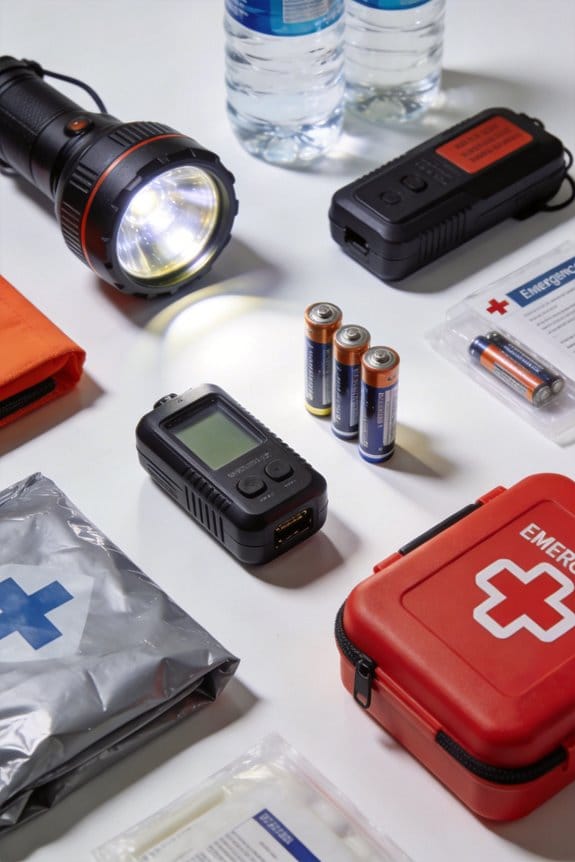
- Flashlight with Extra Batteries: You definitely want something to light up your space when the power goes out. Trust me, fumbling in the dark isn’t fun.
- Multi-tool or Swiss Army Knife: It’s one of those versatile items that can tackle all sorts of repair jobs. You never know when you might need a screwdriver or a knife at your fingertips.
- Manual Can Opener: What happens when your electric can opener doesn’t work? You’ll be glad you included a manual one to get to those canned goods.
- Whistle: It’s surprising how effective a whistle can be for signaling for help. Sometimes, yelling just isn’t loud enough.
- Battery-Powered or Hand-Crank Radio: Stay connected with the world around you. Keeping a radio handy will let you catch emergency updates from local authorities.
It’s also important to store these items in waterproof containers to protect them from moisture and ensure they remain functional when you need them most.
So, why does this matter? Being prepared can often mean the difference between feeling panic and staying calm during a tough situation.
Honestly, taking a few moments to gather these essential items can make all the difference when things get tough. You’ve got this! What’s one thing you’ll make sure to include in your emergency kit?
Recommended Products
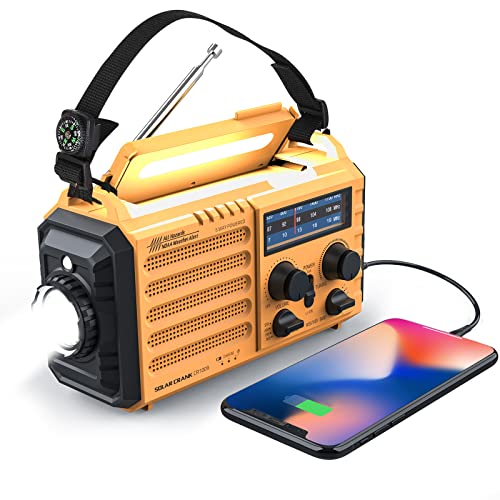
5-WAY POWER SOURCES - The weather radios with multiple power backup options are the best choice.5 power sources including a hand crank, solar panel, and AC power to make it easier to keep the radio running during a prolonged situation where AC power is off.

★【 Newest Design MD-090P】Based on MD-090 emergency weather radio, we've optimized and upgraded a lot of features. A biggest 14800mWh (4000mAh) rechargeable battery can charge more than one smartphone, the most powerful lighting functions include super-bright 3 mode flashlight and motion sensor reading lamp. Also, external antenna, electricity label, comfortable hand crank, tap switch fit all your needs. The MD-090P is the best value for emergency radio in this market.

3 Charging Modes: No electricity? No worries. Thanks to its 3 charging methods, the emergency hand-crank radio is always ready to go! The powerful 2000mAh battery can be charged via a USB cable, the solar panel, or the hand crank.
Communication Devices and Emergency Information You Need
Have you ever thought about what you’d do if a disaster struck? Many of us don’t give it much thought until it’s too late. That’s why having the right communication devices and emergency information in your home emergency kit is vital. Below’s a handy checklist of items to consider.
One of the first things you should include is a NOAA Weather Radio. A battery-powered or hand-crank radio lets you stay informed about weather alerts, even when the power goes out. Don’t overlook this!
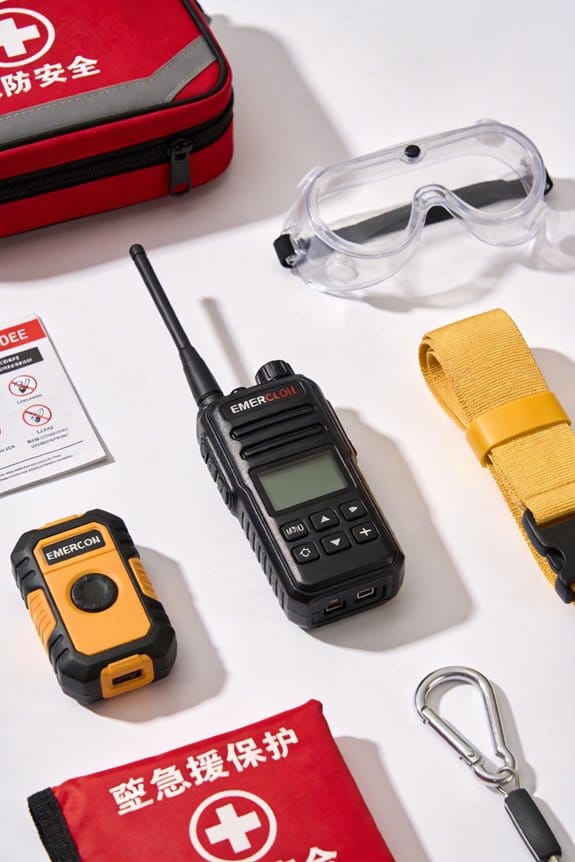
Next, keep your mobile phone charged, and don’t forget to have a power bank handy. It’s also smart to think about having a landline or a two-way radio as backup. You never know when you might need to go offline.
Here’s the kicker: make sure you have important documents easily accessible. It’s smart to store your ID, insurance information, and medical records in a waterproof bag. This way, if you need them quickly, you’re not scrambling around.
Don’t forget to pack a whistle. It can be a lifesaver when you need to signal for help.
And here’s a tip: maintain a list of emergency contacts. Jot down numbers for family members, neighbors, and local emergency services. Keeping a current list on hand can really make communication smoother in a crisis.
Additionally, portable emergency kits designed by the Red Cross often include communication essentials to help you stay connected during disasters.
Recommended Products

[7400mWh (2000mAh) POWER BANK WILL KEEP DEVICES POWERED] The FosPower FOSPWB-2376 emergency radio incorporates a 7400mWh (2000mAh) power bank capable of providing emergency power to any small tablet or phone.

【 Super Bright 3 LED Flashlight 】 The flashlight on this emergency hand crank radio has been upgraded from a 1W single bead to a 3W 3 LED bead that provides 140LM of brightness, enough to provide you with emergency lighting in the event of a power outage.

AUTOMATIC NOAA WEATHER ALERT RADIO - This weather alert radio may save your life! Especially important at night while you are sleeping! It auto-scans for emergency and weather alerts when you turn the device on or in standby mode,and alert you if any emergency warning is issued. No need to listen to the weather broadcast all day and night. Getting an NOAA alert about impending weather threats gives you a heads-up that bad weather is on the way, so you can prepare or even evacuate if necessary.
Customizing Your Kit for Different Family Dynamics
Are you prepared for a crisis? It’s a question that can feel overwhelming, but the truth is, customizing your emergency kit can make a big difference for every family member. Different family dynamics bring unique needs, so it’s essential to think about what to include. Here are some ideas that might help:
When you’ve got an infant at home, don’t forget the basics. Stock your kit with essentials like formula, diapers, and baby wipes. Comfort and hygiene are super important for little ones, especially in stressful times.
Have pets? They need special care too. Make sure to pack some extra pet food, leashes, and maybe a favorite toy or blanket. These familiar items will help keep them calm when everything else feels uncertain.
Personal hygiene is another area to pay attention to. Depending on your family members, customize hygiene products like toothpaste, soap, and feminine supplies. Think about what everyone likes and use what they feel comfortable with.
Don’t overlook medical needs. It’s a good idea to include at least a two-week supply of any prescription medications your family members need. Tailoring this section to individual health requirements can mean a lot when things go sideways.
And let’s not forget about important documents. Keeping identification and insurance information in a waterproof bag can save you a ton of stress. No one wants to scramble for these crucial papers when time is of the essence.
Also, remember that each person requires a minimum of 3 gallons of water per day to stay properly hydrated during emergencies.
Keeping Your Kit Fresh: Tips for Regular Updates
Have you ever thought about how keeping your emergency kit fresh can make all the difference when disaster strikes? It’s a little thing that can totally save you in a pinch. Checking your kit should really be on your to-do list every six months. Don’t worry; it’s a simple process that can ensure you and your loved ones are ready when the unexpected happens. Here are a few things you can do:
Rotate your canned goods and water supplies if you want to keep them fresh. Make it a habit to use the food before its expiration date, so it doesn’t go to waste.
To stay on top of things, consider sticking an expiration list on the lid of your kit. This way, you can easily see what needs to be refreshed without digging through everything.
When you’re prepping for the upcoming disaster season, take a moment to review what’s in your kit. Think about your current situation—do you have new family members? Maybe you have special dietary restrictions to keep in mind? These changes make a difference in what you’ll need.
Also, remember to assess your kit’s portability and weight to ensure it remains easy to carry during an evacuation.
FAQs on Assembling Your Emergency Kit
Assembling an emergency kit can feel overwhelming, right? Many people wonder where to start and what to pack. Let’s dive into some of the most common questions folks have when putting these kits together.
First off, hygiene items are key. You definitely want to pack travel-size deodorants, toothbrushes, toothpaste, and feminine supplies to stay fresh during a crisis. It’s amazing how little comforts like these can make a big difference when the situation gets tough.
Now, let’s talk about documents. You should have your ID, insurance details, and banking information collected and ready to go. Can you imagine needing those things and not having them on hand? It’s a real stressor, so make sure they’re all stashed in one easy-to-access place.
Why should you include a battery-powered radio? Honestly, it’s vital for staying informed, especially when it comes to NOAA Weather alerts. Being in the loop can help you make quick decisions to protect yourself and your loved ones.
Thinking about how to signal for help? A whistle is a small but powerful tool. If you ever find yourself in danger, that simple item can truly be lifesaving.
Lastly, how often should you check your kit? Aim for every six months. Doing a quick review to toss expired items and replenish supplies can save you a lot of hassle later.
Also, consider including emergency meal kits with long shelf lives to ensure you have reliable nutrition during extended crises, as these kits often come in resealable pouches designed for durability and ease of rationing.
Frequently Asked Questions
What Are the 10 Essential Survival Kit Items?
When we consider survival strategies, we must include water, non-perishable food, a first aid kit, flashlight with batteries, personal hygiene items, multi-tool, blankets, maps, fire starter, and a whistle for effective emergency preparedness.
What to Stockpile in Case of WW3?
For survival preparedness in case of WW3, we should stockpile non-perishable food, clean water, medical supplies, essential tools, and communication devices. Let’s focus on sustainability and readiness to guarantee our safety during uncertain times.
What Should Be Included in a Home Emergency Kit?
In our quest for safety, “an ounce of prevention is worth a pound of cure.” We need to include First Aid supplies, water, non-perishable food, hygiene items, and emergency documents in our home emergency kit.
What Are the 14 Basic Disaster Supplies?
We should guarantee our emergency kit includes water, non-perishable food, hygiene supplies like soap and toothbrushes, first aid items, a flashlight, batteries, important documents, and tools to manage various situations effectively during a disaster.