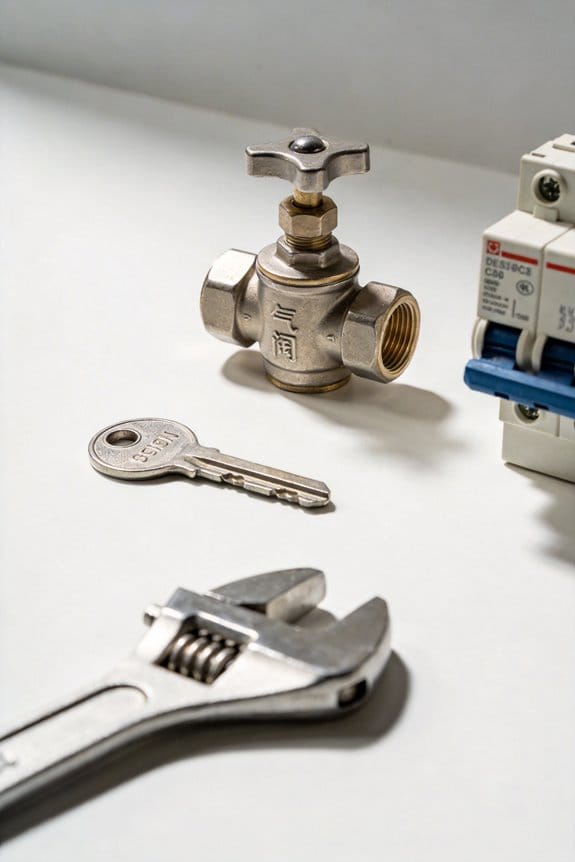

In emergency situations, we need to know how to safely shut off utilities like gas, water, and electricity. For gas, we evacuate and turn the main valve a quarter-turn with a wrench. To shut off water, we locate the main valve and turn it clockwise. For electricity, we turn off circuit breakers before the main switch. Regularly checking our utility setup keeps us prepared. If we learn more about emergency communication plans, we’ll enhance our safety even further.
Key Takeaways
- Evacuate the area immediately if there are signs of a gas leak, such as strong odors or hissing sounds.
- Locate your main water shutoff valve and turn it clockwise to stop the water supply during leaks or flooding.
- Find the main electrical panel, turn off all circuit breakers, and then switch off the main to avoid electrical hazards.
- Use the appropriate tools, like a crescent wrench for gas valves or circuit breaker tools for electricity, ensuring proper grip and leverage.
- Regularly practice your emergency communication plan, designating contacts and evacuation locations to enhance preparedness during utility emergencies.
Key Signs of Utility Emergencies
You may be interested



Have you ever experienced a utility emergency and felt that panic set in? Knowing what to look for can make all the difference in keeping yourself and your loved ones safe. If you catch a whiff of gas or hear any hissing sounds, it’s time to act. Turn off the gas supply right away and get everyone out of the area.
And then there are electrical emergencies. If you see arcing or smell something burning coming from your appliances, shut off the power at the main switch. This can prevent further hazards and keep your home safe.
Water leaks are another biggie, especially if they lead to flooding. Do you know where your water shutoff valve is? Acting quickly to turn it off can help avoid costly damage and reduce the chance of electrocution.
Lastly, if you notice any strange changes in your water, like an unusual color or smell, don’t ignore it! Turn off your main water valve immediately to protect your health.
In emergencies, quick action is your best friend. Have you checked your utility shut-offs lately? It’s definitely worth it to stay prepared by using systems with dual connectivity to ensure uninterrupted alerts during outages.
How to Shut Off Natural Gas Safely
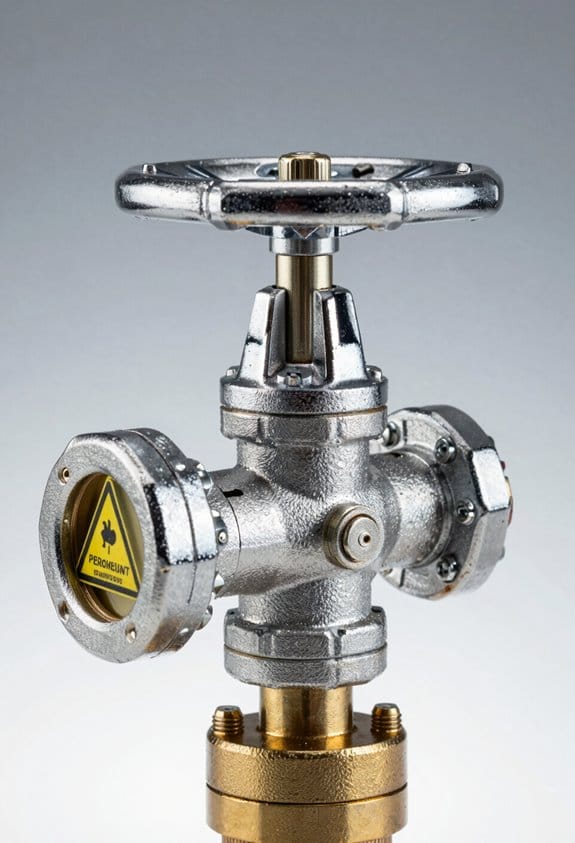
What would you do if you smelled gas in your home? The thought can be pretty alarming, but knowing how to shut off the gas safely can help you stay calm in a tense situation. If you hear a hissing sound or catch a whiff of that unmistakable gas smell, it’s time to act fast.
First things first: get everyone out of the house immediately. Don’t mess around; your safety is the top priority. Once you’re safely outside, you’ll want to locate the main shutoff valve, which is usually near your gas meter. Here’s the trick: you can shut the gas off by using a crescent wrench to turn that valve a quarter turn in either direction. Make sure you’re ready to vent out the space by opening any windows and doors. Avoid anything electrical, and definitely steer clear of flames, since sparks can be risky.
After you’ve shut the gas off, please contact a qualified professional to check your gas appliances. It’s important to have them inspected so you can feel secure before turning the gas back on.
Pro Tip: Try keeping a wrench near the valve for easy access when you need it!
It’s all about being prepared and reacting quickly when it comes to gas safety. Have you ever had to deal with something like this? Remember, your well-being comes first, so always prioritize safety! Using interconnected alarms in your home can further enhance safety by providing early detection during emergencies.
Steps for Shutting Off Water Supply
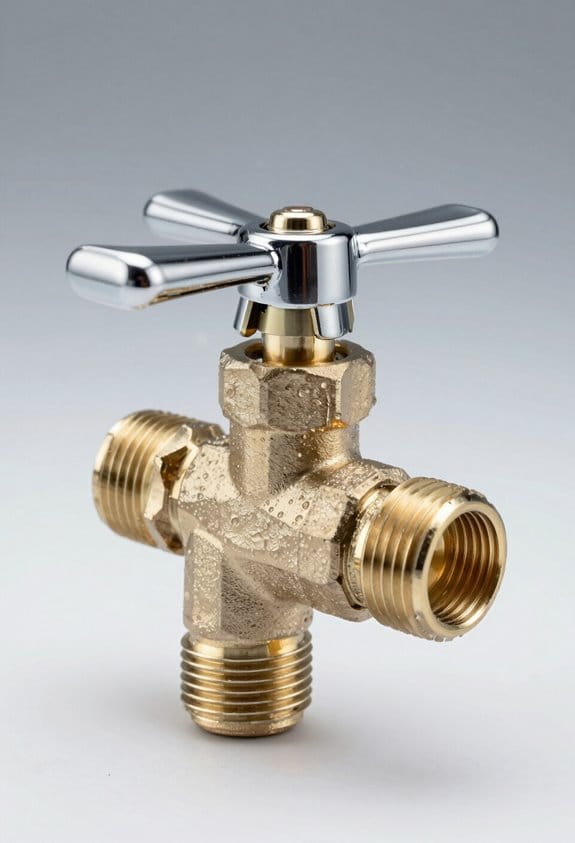
Have you ever faced a water leak in your home? It can be a real mess and stressful moment. Knowing how to shut off your water supply quickly is crucial during such emergencies. Here’s a simple guide to help you do it right.
First, you need to find the main shutoff valve. This is usually tucked away in the basement, garage, or right where the water line enters your home. It’s important to know its location ahead of time, so you’re not scrambling when disaster strikes.
Once you locate that valve, here’s the trick: turn it clockwise until it stops. This should halt the flow of water. If you’re dealing with a smaller leak, like one under a sink or behind a toilet, you might be able to close the valve that’s closest to the issue instead of shutting off the main supply.
Next, it’s a good idea to release any trapped water in your pipes. After turning off the main valve, turn on the highest faucet in your home. This will help drain any remaining water, preventing further mess.
Frankly, a quick word of caution: when floods are involved, make sure the electricity is off before you dive into any water shutoff situation. It’s better to be safe than sorry! Additionally, having wireless interconnected detectors installed can alert you early to potential dangers during emergencies.
How to Turn Off Electricity Safely
Facing a power outage or an electrical emergency can feel just as daunting as dealing with a water leak, right? If you find yourself in a situation where you need to turn off the electricity, the first step is finding your main electrical panel. Typically, it’s tucked away in the garage or near where the power comes into your home. And hey, don’t forget to grab a flashlight to help light up those shadowy corners!
Here’s the trick: before shutting everything down, make sure to turn off all individual circuit breakers. Once those are all off, go ahead and flip the main electric switch. This will completely cut off your electrical system.
Now, let’s be honest for a moment. If you notice any weird signs—like arcing sounds, burning smells, or switches that feel hot—shut the electricity off immediately. It’s all about preventing any fire hazards. After the danger has passed, you can restore the power, but only after you’ve checked that everything is clear.
In the end, safety’s the name of the game when it comes to handling your home’s electricity. Have you thought about how you’d handle a situation like this if it popped up? Remember, professional installation of electrical systems can greatly reduce risk and ensure safety during emergencies.
Why Regular Utility Checks Matter
Have you ever thought about what you’d do in an emergency at home? It’s easy to feel complacent, but regular utility checks can be the difference between a minor inconvenience and a major disaster. By inspecting your gas lines, water systems, and electrical setups consistently, you can catch issues before they escalate into something dangerous.
Knowing where your shut-off valves are located makes a big difference. When an emergency strikes, being able to react quickly is crucial. This isn’t just for you—everyone in the household, including seniors and those with disabilities, should be prepared to handle the situation efficiently.
Plus, keep in mind that a little planning goes a long way. Setting up a routine inspection schedule not only helps catch problems but also keeps your emergency tools, like wrenches and circuit testers, in top shape and ready for use when needed. It’s all about making sure your home is safe and everyone inside it is protected.
Here’s a tip: Try to schedule checks every six months. It doesn’t take long, and it’s a worthwhile investment in your peace of mind. Also, make a note of what you find during these checks, so you can keep track of any changes or potential issues.
In addition, consider integrating monitored home security systems for enhanced safety and professional emergency response during critical situations.
Tools You Need for Utility Shut-Offs
When the unexpected happens, being prepared to shut off utilities is crucial for your safety. It can be overwhelming, but having a few key tools on hand makes all the difference. So, what do you need?
- Crescent Wrench: This is a must-have for turning off gas valves, especially the main one near the gas meter. You don’t want to scramble looking for the right tool when every second counts.
- Water Shutoff Wrench: It makes shutting down the main water valve easy and quick, which is often located in your basement or at the entry point of your home.
- Flashlight: A good flashlight is essential during an outage. You need it to find the electric panel or circuit breakers, so you can operate safely.
- Gas Shut-Off Tool: This tool is specifically designed for gas valves, giving you better grip and leverage to ensure you can turn them off securely.
- Spare Fuses: Keeping a few spare fuses handy can save you a lot of hassle when you’re dealing with electrical circuit issues.
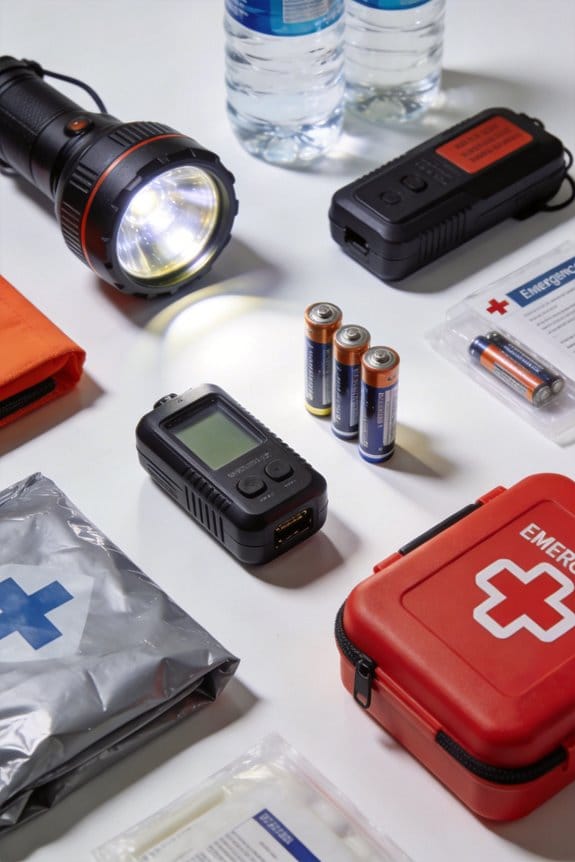
Honestly, what’s the use of having these tools if you don’t know how to use them correctly? Familiarize yourself with their locations and functions before an emergency strikes. That way, you won’t panic and waste time figuring things out. It’s also beneficial to have your tools organized in a portable emergency survival kit so they’re readily accessible when needed.
How to Create Emergency Communication Plans?
Have you ever thought about how you’d stay in touch with your family during an emergency? It’s a scary thought, but having a solid communication plan can make all the difference when things go sideways. Once you’ve figured out how to safely shut off your utilities, the next step is setting up a communication system that works for everyone.
Start by designating a point of contact for all family members. This person will be the go-to for information during emergencies. You might want to set up a group chat or find a designated channel for quick updates. This way, everyone stays in the loop without the chaos of missed calls or texts. It’s also wise to pinpoint several evacuation locations, both close to home and further away, so everyone knows exactly where to go if they need to meet up.
And don’t forget about the importance of having local emergency services and utility numbers handy. Keeping this information accessible will save you precious time when you need it most.
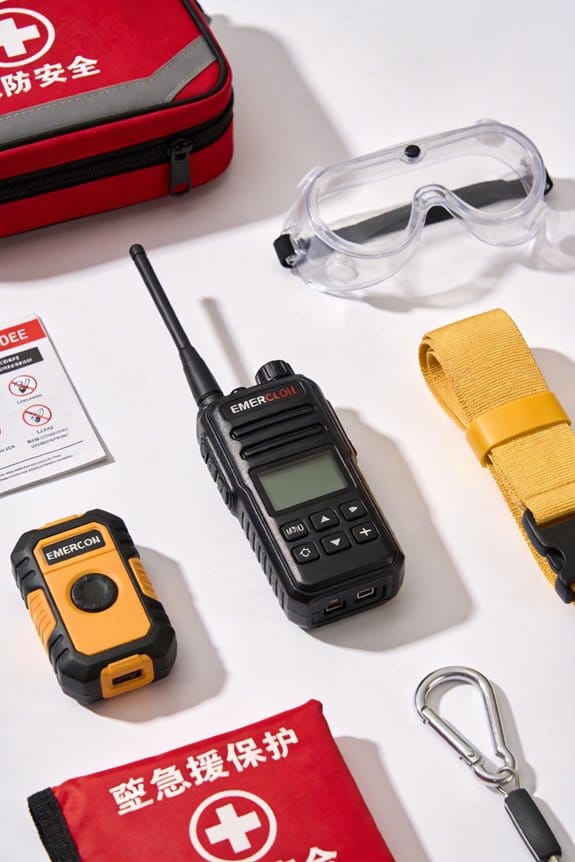
So, why does this matter? Regularly practicing your communication plan is crucial. It ensures everyone understands their roles and can act swiftly when it counts. Remember, the goal is to be as prepared as possible for whatever challenges come your way. Including essentials such as organized emergency kits in your plan can further improve your family’s readiness.
In the end, having a solid communication plan can bring peace of mind. Are you ready to start these preparations with your family?
Bonus: Installing Sensors for Early Detection
Have you ever thought about how leaks or gas leaks could sneak up on you? Trust me, it’s crucial to have some sensors around the house for early detection of those sneaky hazards. Let’s dive into some options you can consider to keep your home a safer space.
- Water Leak Detectors: Think about putting these guys in spots where water likes to play, like your kitchen or bathroom. They give you an early warning that could save you a ton of hassle and repair costs down the road.
- Gas and Propane Detectors: For gas detectors, it’s best to mount them on the ceiling, while propane detectors should be positioned lower to the ground. Follow the manufacturer’s guidelines for placement to make sure they’re doing their job right.
- Carbon Monoxide Detectors: These are a must if you already have gas detectors in place. They keep a close eye out for harmful leaks in your home, providing an extra layer of safety for you and your family.
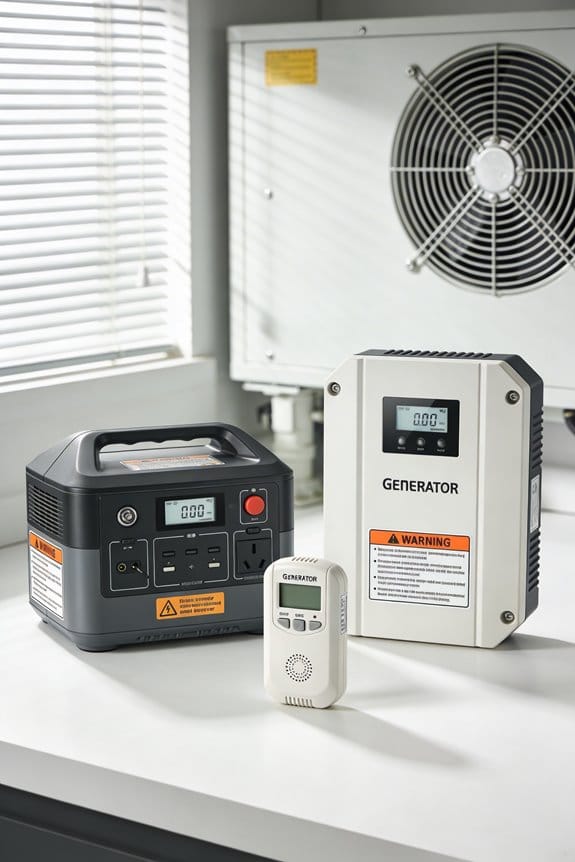
The best part is that many of these modern sensors can connect to your smartphone. That means you can check on your home from wherever you are and get alerts right to your phone. Just remember to regularly test and maintain these devices according to the manufacturer’s instructions to ensure they’re reliable when you need them. Consider choosing units with dual sensor technologies for smoke and CO detection to minimize false alarms and improve safety.
Frequently Asked Questions
How Do I Shut off the Water to My House in an Emergency?
To shut off the water in an emergency, we need to locate the main water shutoff valve. Turning it off can prevent burst pipes and help us manage emergencies effectively using our plumbing maintenance checklist.
How to Survive 3 Days Without Electricity?
To survive three days without electricity, we need to stockpile non-perishable food for preservation, rely on alternative lighting like candles, use manual tools, stay warm in layers, and guarantee communication methods are ready.
Should You Turn off Electricity During a Storm?
Yes, we should turn off electricity during a storm to enhance our safety. Following storm preparedness tips and electrical safety measures can minimize power outage effects and prevent storm damage. Let’s check our utility shutoff procedures together.
How Long Can You Legally Have No Power?
We can expect utility outage laws to guarantee power restoration times are reasonable, typically within 24 hours. By understanding tenant rights management and preparing emergency plans, we can effectively address these challenges and conserve energy.