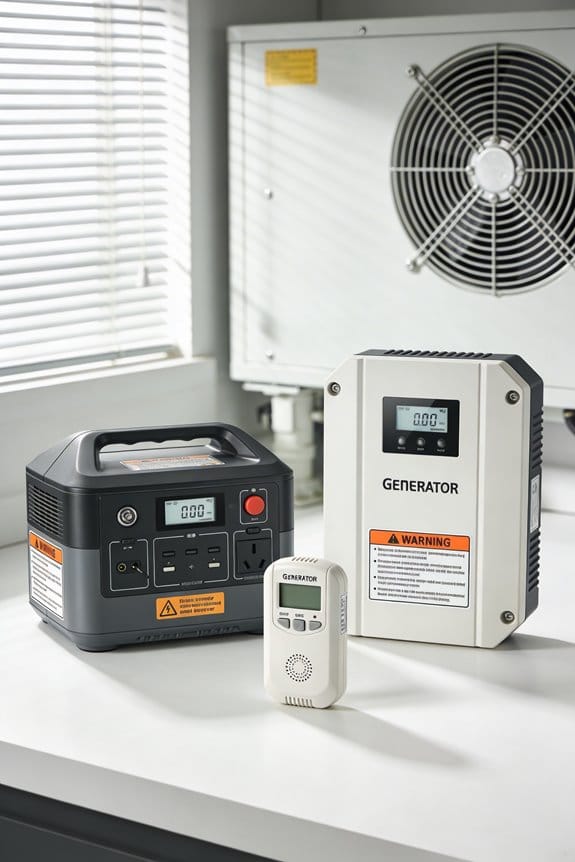
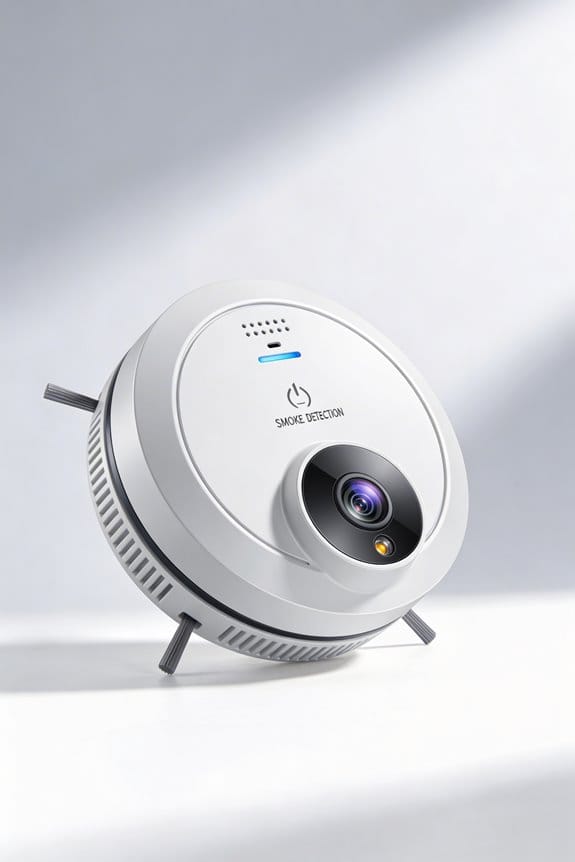

Recent advances in smoke detection technology have greatly improved safety in our homes. We’ve seen AI-driven systems that adapt to differentiate between real threats and false alarms. New multi-sensor technologies can detect smoke, heat, and toxic gases simultaneously, enhancing our response time. With enhanced sensitivity for lithium-ion fires, detection can happen 30-40 minutes earlier than older models. As we explore more innovations, we’ll uncover how these advancements revolutionize our fire safety measures and everyday lives.
Key Takeaways
- Advances in AI technology improve smoke detection accuracy and enable real-time responses to potential threats.
- Multi-sensor technology can detect smoke, heat, and toxic gases simultaneously for faster emergency responses.
- Enhanced sensitivity helps detect smoldering fires from hazards like lithium-ion batteries much earlier than older models.
- Video feed analysis minimizes false alarms by distinguishing true threats from everyday smoke sources.
- The trend towards wireless systems and longer-lasting batteries enhances installation ease and reduces maintenance in smoke detection technology.
How AI Improves Smoke Detection Accuracy
You may be interested


Are you tired of smoke detectors going off when there’s no fire? You’re not alone. It can be frustrating and a bit of a safety concern. Fortunately, artificial intelligence is stepping in to improve smoke detection accuracy in ways we might not have imagined.
So, how does this all work? AI technology is making smoke detectors smarter. Here are a few ways it helps in real-life situations:
- Real-time Adjustments: With AI, smoke detectors can adapt to what’s happening in your home or building right away. This quick response is key for catching smoldering fires before they become a threat.
- Minimizing False Alarms: No one likes the sound of a false alarm. AI helps analyze video feeds from cameras to cut down on those annoying and often dangerous nuisance alarms. That means you can trust your alarm system more.
- Calibration of Devices: AI also helps smoke detectors calibrate themselves according to different environments. This means they can identify fire hazards more accurately, reducing the chance of missing a potential danger.
Truth is, integrating AI into smoke detection isn’t just about technology; it’s about keeping our homes and workplaces safe. It’s definitely worth considering upgrading to smarter systems that harness this technology. For example, many devices now come with photoelectric sensors for better detection of slow, smoldering fires. So, what do you think? How much do you rely on your current smoke detection systems?
Why Advanced Sensors in Smoke Alarms Matter
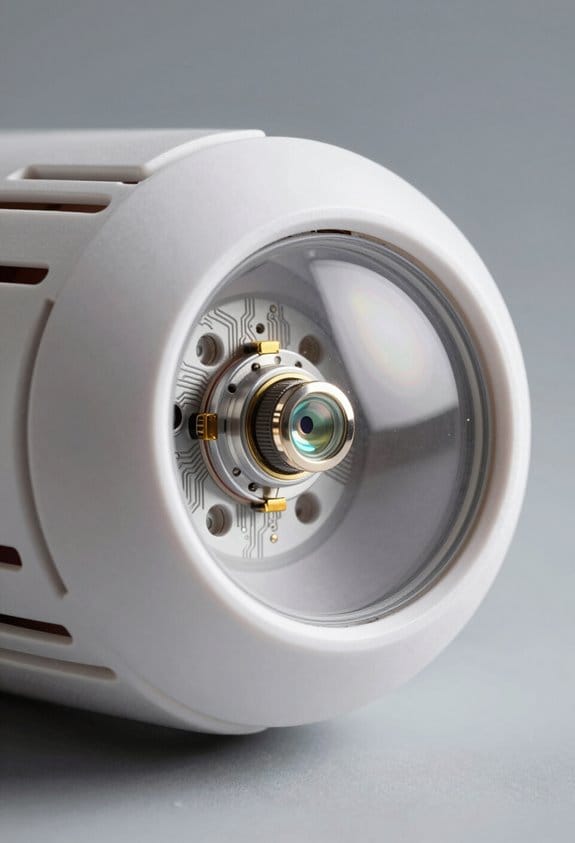
Have you ever thought about how crucial smoke alarms are for your safety? It’s one of those things we often take for granted until something goes wrong. What makes today’s smoke alarms stand out is the use of advanced sensors. These sensors can spot smoke and fire hazards much quicker than older models, often detecting smoldering fires up to 30-40 minutes earlier. That’s valuable time for you and your family to get out safely.
So, what’s so special about these advanced sensors?
- For starters, they significantly cut down on false alarms. This means you’re less likely to ignore the sound of your alarm when it really matters.
- They’ve got multi-sensor technology that helps them identify smoke, heat, and toxic gases all at once. It’s like having an extra layer of protection.
- The sensitivity of these devices is impressive, leading to quicker emergency responses that could really save lives.
Honestly, how often do we think about the difference that early detection can make? Having alarms that respond faster to real threats can mean the difference between staying safe and facing a dangerous situation.
The best part is that staying up-to-date with smoke alarm technology is a simple way to enhance your home safety. By choosing alarms with these advanced features, you’re not just preventing fire-related fatalities; you’re also fostering a safer living environment. Many of the top models now include dual sensor technology that combines photoelectric and electrochemical sensors for more reliable detection.
How Minimizing False Alarms Enhances Fire Safety
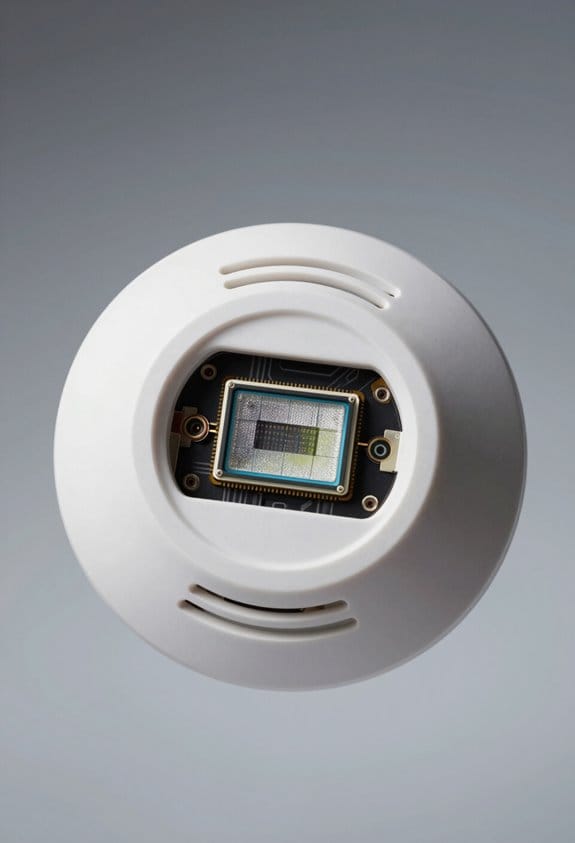
Have you ever rushed to put out a cooking fire caused by smoke filling your kitchen, only to have your smoke alarm go off for no good reason? False alarms can be more than just annoying; they can actually impact our fire safety. By cutting down on these alarms, we make sure that our smoke detectors work properly when we truly need them. Did you know that reliable smoke alarms can lead to 60% fewer fire-related deaths each year? It’s worth taking the time to ensure they’re in top shape!
One way to tackle this issue is by embracing technology. Advanced detection systems can help distinguish between real danger and everyday smoke, such as from cooking or candles. This means fewer false alarms and a better chance that your alarm will sound when a real fire is at play.
Worried about your smoke alarms? Here are a few things you should do:
- Regularly test them to make sure they’re working like they should. A simple push of a button can save lives.
- Don’t disable your alarms just because they go off sometimes. Remember, 60% of fire deaths happen in homes without working alarms. That’s a scary statistic!
- Consider newer sensing technologies that provide quicker responses. They can spot smoldering fires up to 30-40 minutes faster, giving you crucial extra time.
- Additionally, Precision Detection technology is designed to minimize false alarms, especially from cooking, enhancing overall reliability and user confidence.
Future Trends in Smoke Detection Technology
Have you ever stopped to think about how smoke detectors could be smarter? We’re heading toward a time when smoke detection tech gets a serious upgrade, thanks to advances in technology. Imagine smoke detectors powered by AI, sensing what’s going on in your home in real-time. This means quicker predictions of fire hazards and faster responses when things go wrong.
There’s also a push for better detection methods to tackle tricky fire risks, like those posed by lithium-ion batteries. You know, those batteries that power everything from your phone to electric scooters? They can be sneaky when they catch fire, so it’s great to see innovations aimed at spotting them early.
Here’s the trick: look out for smoke detectors with aspiration technology. These systems use lasers to find tiny smoke particles, alerting you before a small issue becomes a big problem.
You might want to consider wireless fire alarm systems, too. They’re gaining traction because they’re super easy to install and are powered by long-lasting lithium-ion batteries. Plus, there’s ongoing teamwork between tech companies and researchers aiming to cut down on false alarms. The goal? Creating more reliable smoke alarms that genuinely boost your safety at home.
Additionally, many of these advanced devices feature wireless interconnectivity, allowing multiple alarms to communicate and provide coordinated alerts throughout your home.
Choosing the Right Smoke Alarm for Your Home
Choosing the Right Smoke Alarm for Your Home
Have you ever thought about how safe your home really is from fire dangers? It’s a concern that affects us all, and choosing the right smoke alarm can make a big difference. There are a few key things to consider when you’re shopping for one.
First off, consider the technology. It’s really helpful to find smoke alarms that can cut down on false alarms. This means they’re better at quickly detecting real emergencies, which is something we all want in a crisis.
Next, think about interconnected systems. These alarms communicate with each other, so if one goes off, they all do—no matter where you are in the house. This feature can really enhance safety for your family.
Another thing to keep in mind is the type of battery. Look for smoke alarms with a 10-year battery life. They’ll save you the hassle of frequent battery changes, giving you peace of mind that your protection isn’t going to abruptly stop.
If you want to cover all your bases, consider getting smoke alarms that also detect carbon monoxide. This way, you’ve got protection not only against fires but also against this silent threat.
Placement matters too. Make sure to install alarms on every level of your home and inside each bedroom. This is crucial for catching fire threats before they become dangerous.
Additionally, ensure your smoke alarms meet UL 217 certification standards for verified safety and reliability.
Frequently Asked Questions
How Often Should Smoke Detectors Be Replaced?
We recommend replacing smoke detectors every 10 years, considering each type’s lifespan. Regular maintenance and following installation guidelines are crucial. Keeping up with technology upgrades guarantees safety, enhancing our home’s protection against fire hazards.
Can Smoke Detectors Work With Home Automation Systems?
Yes, smoke detectors can integrate with home automation systems. While there may be compatibility issues, their smart integration offers wireless communication, alarm notifications, and enhanced user interfaces, providing significant smart home benefits we definitely appreciate.
What Are the Legal Requirements for Smoke Detectors?
It is understood that the legal requirements for smoke detectors vary by location, including installation requirements and compliance checks. Homeowner responsibilities typically involve adhering to smoke alarm guidelines and commercial building standards for safety.
How Do I Test if My Smoke Alarm Is Working?
We can’t overlook our safety! To test our smoke alarms, we should perform a sound test, replace batteries regularly, and maintain different alarm types. Let’s guarantee their sensitivity and reliability—better safe than sorry!
What Should I Do if My Smoke Alarm Is Beeping?
If our smoke alarm’s beeping, let’s check battery replacement first. It could signal low batteries or sensor issues. We can use the silence function, then review alarm maintenance and troubleshooting tips to resolve the problem effectively.