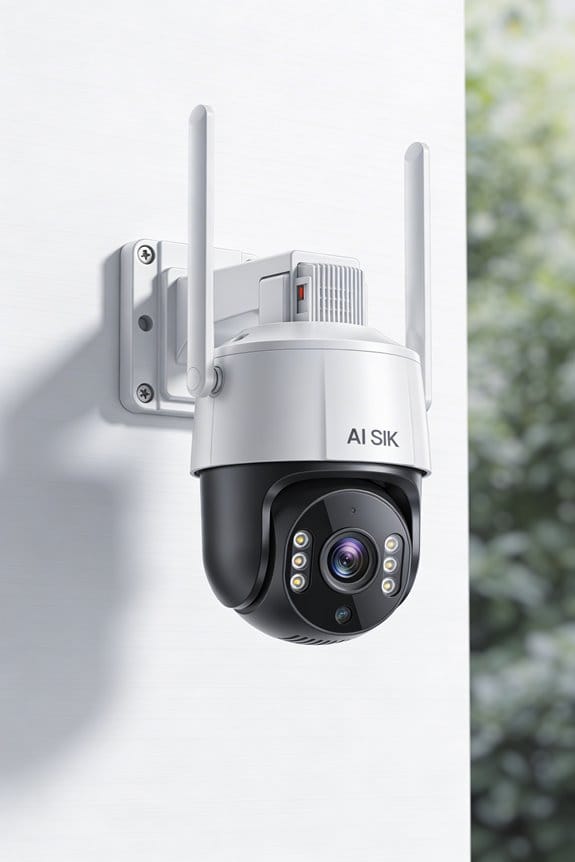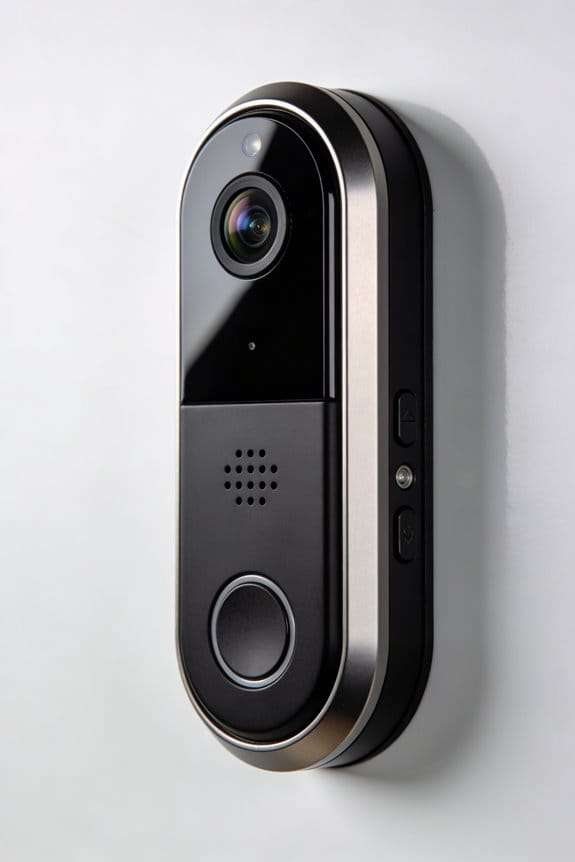
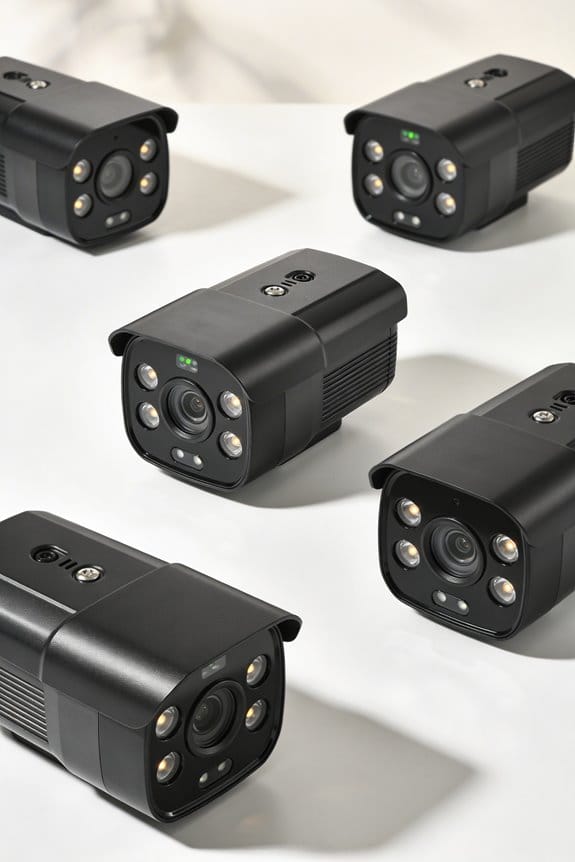

We’ve seen remarkable advancements in night vision camera technology, setting new standards for security. Key features include Starlight technology, which captures color images in extremely low light, and hybrid systems that combine IR and thermal imaging for adaptive surveillance. Enhanced motion detection capabilities can monitor activity up to 500 feet in total darkness, providing clarity when it matters most. By exploring these technologies further, we can better understand their impact on our safety and security.
Key Takeaways
- Starlight technology enables color imaging even in extreme low-light conditions, enhancing surveillance clarity at nighttime.
- Hybrid systems integrate infrared and color imaging, adapting to various light conditions for improved visibility.
- Deep Fusion technology provides superior object visibility by merging thermal and traditional images, aiding in identification in total darkness.
- HDR+ technology allows night vision cameras to capture a dynamic range up to 150 dB, ensuring detailed footage during varying lighting situations.
- Smart IR technology auto-adjusts light intensity, eliminating overexposure while maintaining high-quality images in low-light environments.
Key Technologies Enhancing Night Vision Cameras
You may be interested

Have you ever tried to capture a great moment at night only to realize your camera didn’t quite cut it? It’s frustrating, right? But modern night vision cameras are stepping up their game, and I want to share some key features that really make a difference.
One of the coolest features available now is Starlight technology. This lets you snap color images even in low-light conditions, working at a sensitivity of just 0.0005 Lux. Imagine capturing a clear, vibrant photo during a camping trip or a late-night event without solely relying on flash. That’s pretty impressive.
Hybrid systems also play a big role in improving night vision. They combine IR illuminators with color and infrared capabilities, adapting the images to whatever lighting situation you find yourself in. It’s like having a camera that knows how to read the room!
Then there’s Deep Fusion technology. This one’s a game changer too. It mixes thermal and traditional images, which helps you spot objects more easily—even in tricky conditions. It’s such a nifty tool for outdoor adventures or security needs.
Now, let’s talk about HDR+ technology. It has a dynamic range of up to 150 dB, which means you can capture better details in both bright and dark spots. Think about all those times you’ve snapped a photo and some parts were washed out while others were too dark. With this tech, that’s less of a worry.
And don’t forget smart IR technology. It automatically adjusts light intensity to ensure you’re getting high-quality images without overexposure. So, you can count on clear shots, whether it’s a wildlife sighting or a night out with friends.
To sum it up, these technologies make a huge difference in nighttime photography. The next time you’re out in low light, keep an eye out for cameras with these features. Additionally, cameras featuring advanced night vision capabilities can extend visibility up to 100 feet, significantly enhancing image clarity in darkness. What’s your favorite night vision moment you’d want to capture?
Understanding the Need for Enhanced Night Vision Capabilities
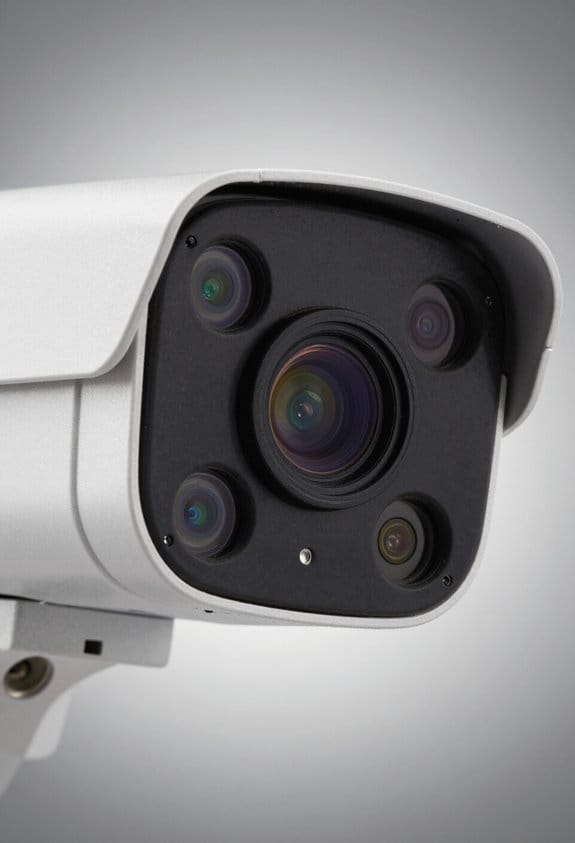
As crime rates seem to creep up during nighttime, are you feeling a bit uneasy about the safety of your home or neighborhood? It’s understandable. With the right security cameras, you can keep an eye on things even when it’s pitch dark outside. Modern night vision technology is really stepping up, and you’ll want to consider how these advancements can give you peace of mind.
For starters, many of today’s cameras come with color night vision. This means you can get clear footage, even in total darkness. Talk about helpful! Pair that with advanced AI motion detection, and you’ll notice a significant boost in responsiveness to suspicious activity.
You might be surprised to learn that some systems can monitor up to 500 feet in complete darkness. Think about the implications of being able to see clearly across that distance when you’re trying to keep your family safe. Honestly, it’s making the shift from traditional black-and-white cameras to high-resolution options a no-brainer. You get better images for identifying faces and license plates, which is pretty crucial if you ever need to collect evidence.
So why does this matter? Enhanced night vision isn’t just about safety at home. It also plays a critical role in law enforcement, wildlife conservation, and securing perimeters around properties.
At the end of the day, investing in better night vision tech can really boost your sense of security and well-being. Have you thought about how these advancements could protect what matters most to you? Many leading outdoor cameras, like the ANNKE 3K Lite, come equipped with AI detection to reduce false alerts and improve overall monitoring accuracy.
The Role of Starlight Technology in Low-Light Conditions
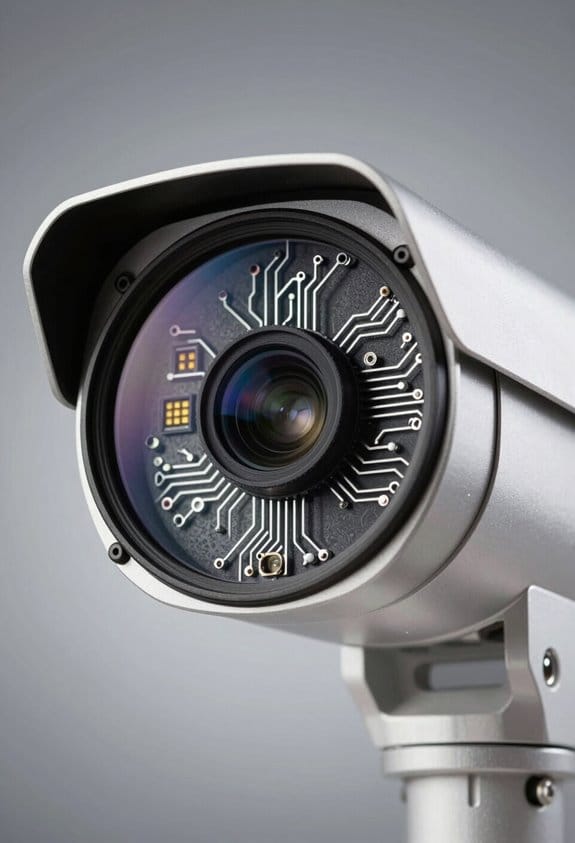
Ever find yourself in a situation where the lights are low, and you can’t rely on your usual security measures? It can be a real challenge, especially if you’re trying to keep an eye on things. That’s where starlight technology comes into play. It’s made a big difference in how we handle surveillance in the dark, letting cameras do a fantastic job of capturing clear images even when visibility is pretty much non-existent.
So, what’s so great about starlight technology? Here are a few things to consider:
- Improved Image Quality: These cameras have larger sensors and smart algorithms that make everything look clearer.
- True Colors: You’ll get actual color images without needing to add infrared lighting. This is huge for identifying objects properly.
- Spotting Details: In those dimly lit places, these systems shine when it comes to recognizing important details for security reasons.
Alright, let’s dive a bit deeper. One of the best aspects of starlight cameras is how they keep colors looking natural. It’s a common issue with standard low-light cameras to end up with grainy or monochromatic images. But with starlight tech, you’ve got a shot at seeing everything as it should be—potentially making it easier to spot a person or a vehicle passing by.
So, why does this matter? Think about the peace of mind you can gain when you know your security system won’t let you down, even when the sun goes down. You really don’t want to miss those vital details just because the lighting’s not ideal.
In a nutshell, starlight technology gives you a reliable way to maintain security when things get dark. If you have a surveillance system or you’re considering one, it might be worth looking into this tech. Have you encountered any low-light situations where better visibility would’ve made a difference? It’s also important to consider cameras with color night vision capabilities, which enhance security in low-light environments by providing clear and vibrant footage.
Infrared vs. Thermal Imaging: Which Is Better?
How do you decide between infrared (IR) and thermal imaging technology for your security needs? It can feel a bit overwhelming, especially considering both of these options play key roles in surveillance.
Let’s break it down. IR cameras take the available light and boost it to help you see in low-light situations. They’re a solid choice for many users but, keep in mind, they can struggle when the weather gets rough. Fog or heavy rain can really mess with visibility.
On the other hand, thermal imaging is all about spotting heat signatures. This lets you see even in complete darkness, which is perfect for not only catching intruders but also monitoring wildlife at a distance. While IR cameras show images in black and white, thermal cameras shine in almost any weather, giving you clear views when conditions get challenging.
Here’s a tip: If you’re expecting total darkness or just bad visibility, thermal imaging is often the way to go for night vision cameras. This tech is especially useful for perimeter monitoring or keeping an eye on wildlife. Additionally, choosing a camera with an IP65 weather resistance rating ensures reliable performance in harsh outdoor conditions.
Essential Features to Evaluate in Night Vision Cameras
Choosing the right night vision camera can feel overwhelming, especially with so many options out there. You might be wondering what features truly matter. Let’s break it down to help you make the best choice.
First off, think about the IR Range. You want a camera that can see clearly in the dark, preferably over 200 feet. That distance can make a real difference in clarity during those late-night hours. Next, consider the Image Resolution. Opt for one with 4K or 8MP quality. Better image clarity helps with recognizing faces or picking up finer details.
Now, let’s talk about low-light performance. You’ll want to check the Lux ratings. A low Lux rating ensures your camera performs well even when the light is dim. What’s the point of having a camera if it can’t do its job in low-light conditions, right?
Motion Detection is another feature worth examining. Look for advanced systems like PIR or radar, which send alerts when there’s movement beyond 100 feet. It’s useful for keeping an eye on things, especially when you’re not around.
Lastly, don’t overlook Weatherproofing. Cameras with IP66 or IP67 ratings are better suited for outdoor use. They’ll hold up against dust and tough weather conditions. You wouldn’t want your investment to be damaged by the elements.
Additionally, consider cameras that offer two-way audio communication to interact remotely, adding an extra layer of convenience and security.
How to Install Your Night Vision Camera for Best Results
Installing a night vision camera might feel overwhelming, but it’s key to making sure your home is safe, especially when things get dark. If you’re looking to keep an eye on your property at night, let’s talk about some straightforward steps to get the most out of your camera setup.
Camera Placement
First off, think about height. Placing your camera 7 to 10 feet off the ground can really improve your field of view. It might also help to keep an eye on those critical areas—like your front door or driveway—where most activity tends to happen. That way, you won’t miss a thing.
Avoid Glare
Now, let’s chat about glare. You definitely want to avoid pointing your camera at bright lights or shiny surfaces. Doing so could seriously mess with the quality of your images, and let’s face it, you want clear footage when you need it most.
Installation Tips
When it comes to mounting, don’t skimp on the method you choose. A sturdy mount is vital, especially since the weather can throw a tantrum at any moment. Make sure it’s weather-resistant so you won’t have to worry about the elements messing things up.
And hey, make it a habit to test your camera’s infrared capabilities during those nighttime hours. That way, you’ll know it’s working as it should.
Also, selecting a camera with color night vision can greatly improve visibility in low-light conditions.
In short, installing your night vision camera with thoughtfulness is really worth it. It’s all about keeping your home secure, no matter how dark it gets. So, are you ready to ensure that your property is protected, day or night?
Maintaining Your Night Vision Camera for Longevity and Efficacy
Ever notice how some of your night vision cameras just don’t seem to perform as well after a while? It’s frustrating, isn’t it? To keep those cameras in top shape and working when you really need them, regular maintenance is key. Here are a few tips that can help you keep your night vision gear at its best.
First off, think about cleaning. Regularly clean the lens and infrared LEDs with a microfiber cloth. This can make a significant difference in clarity and performance when you’re using them at night. A quick wipe down can keep everything looking sharp.
Next, firmware updates are a must. So, make sure to check for those updates and install them promptly. They can boost the features of your camera and fix any pesky bugs that might compromise your night vision.
What about inspections? It’s vital to peek at your camera’s housing from time to time. Look out for any cracks or weather-related damage. If you catch issues early, you can avoid bigger problems down the road that might affect how well your camera performs.
Here’s the trick: regularly test the night vision functionality. You want to ensure the infrared emission and motion detection are reliable. After any extreme weather, take the time to give it a good check.
Lastly, don’t forget about weatherproofing. Confirming your camera’s weatherproof rating is crucial, especially if it’s meant for outdoor use. Protecting it from harsh conditions will help extend its life and performance.
Also, utilizing cameras with advanced AI detection technology can minimize false alerts and ensure your night vision is focused on real threats.
To wrap it all up, simple regular maintenance can go a long way in keeping your night vision cameras efficient and long-lasting. When’s the last time you checked on yours? It might be time to show them a little love.
Frequently Asked Questions
Is There Gen 4 Night Vision?
Yes, there are Gen 4 night vision devices. With innovations like enhanced clarity, advanced thermal imaging, and impressive low light performance, we’re witnessing sensor advancements and cost effectiveness that revolutionize user applications and align with current market trends.
Can Security Cameras Have Night Vision?
Yes, security cameras can absolutely have night vision. With infrared sensors and enhanced resolution, we improve low light performance and video clarity, ensuring effective outdoor surveillance and motion detection through continuous technological advancements in image processing and color accuracy.
What Is the Latest Technology in Security Cameras?
Today’s security cameras combine high definition imaging and infrared illumination with advanced compression and digital signal processing. They offer exceptional low light performance, intelligent motion detection, and user-friendly interfaces, all facilitated by cloud storage and remote monitoring.
What Is the New Surveillance Technology in 2026?
In 2026, we’ll see advanced infrared capabilities in surveillance technology, featuring AI algorithms for facial recognition and motion tracking, low light imaging, and high definition quality—all enhanced by wireless connectivity and robust cloud storage.