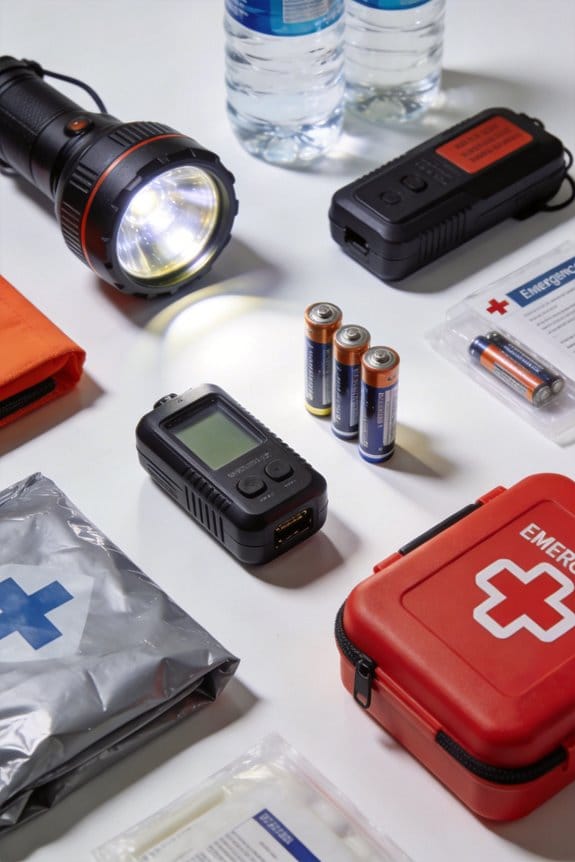

To prepare our homes for hurricane season, we need to assess our risks, guarantee proper insurance coverage, and gather essential supplies. This includes reviewing homeowner’s policies to confirm hurricane damage is covered, storing at least a week’s worth of food and water, and assembling an emergency kit. We should also secure our properties against high winds by boarding up windows and trimming trees. If we follow these steps, we’ll be better equipped for whatever comes our way. More details await!
Key Takeaways
- Review and update your homeowners insurance, ensuring it includes coverage for hurricanes, wind, storm surge, and flood damage.
- Create an emergency kit with at least one week’s worth of food, water, and essential supplies for your family and pets.
- Prepare your property by securing outdoor items, trimming trees, and boarding up windows and doors with plywood.
- Familiarize yourself with local evacuation routes and establish a meeting spot for your family in case of emergencies.
- Stay informed by signing up for local emergency alerts and regularly checking the National Weather Service for updates before and during hurricane season.
Understand Your Hurricane Risk
You may be interested

Understanding your hurricane risk is critical, especially if you live near the coast. So, have you ever thought about how prepared you really are for hurricane season? It’s not just about having some flashlights and water stashed away; it’s about knowing where you stand when the storm approaches.
Start by figuring out exactly where your home is in relation to the Gulf or Atlantic Coasts. This matters a lot since storm surges can hit coastal areas hard. Don’t forget to reach out to your local emergency management options to see if you live in an evacuation zone—this could impact your safety during a storm.
Take some time to check historical hurricane records and flood maps, which can be eye-opening. Knowing how vulnerable your home is to flooding, strong winds, or storm surges can make a huge difference in your preparation efforts. The best part is that you can often find this data on government websites.
Stay in the loop with community alerts and updates, too. You’d be surprised how quickly things can change during hurricane season, and a timely alert can help you react quicker. And let’s not forget, government resources also share important information on potential power outages that could come along with a hurricane.
To enhance your overall safety and response during emergencies, consider investing in a home security system that supports real-time alerts and mobile notifications.
Create an Emergency Kit for Your Family
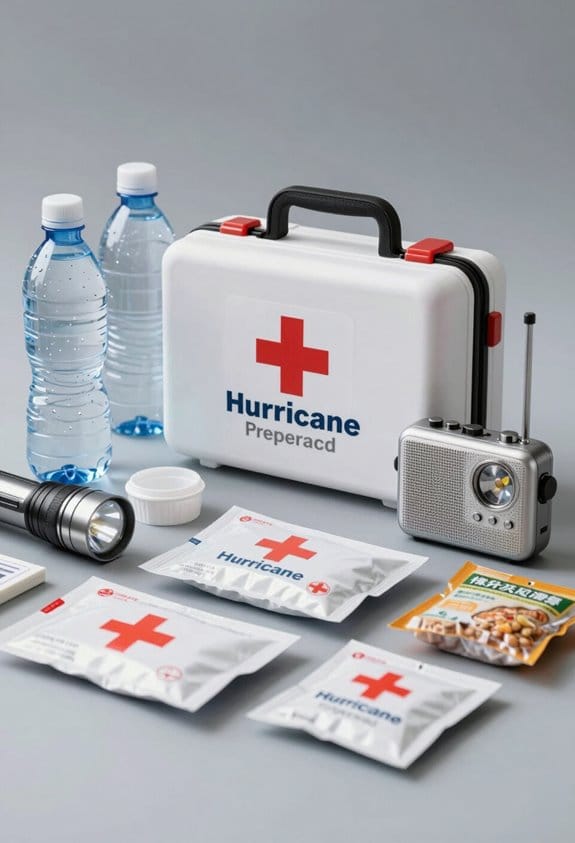
Are you ready for hurricane season? It can be a stressful time, and one of the best ways to ease that worry is to create an emergency kit for your family. This isn’t just a safety precaution; it’s peace of mind when you know you’re prepared.
First off, think about food and water. You should have at least a week’s worth stored away – that’s one gallon per person each day. Then, there are some must-have supplies to toss in:
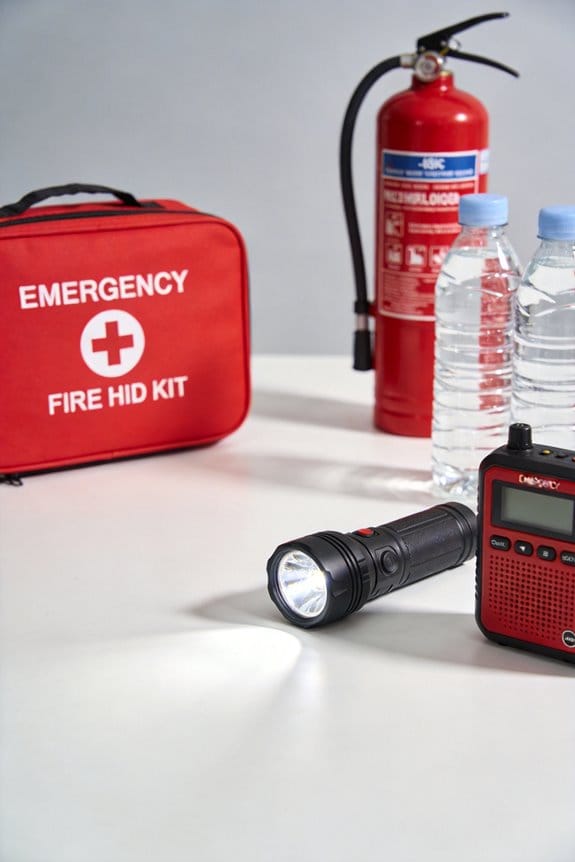
- Flashlights and batteries (trust me, you’ll need these if the power goes out)
- A first aid kit for any bumps and bruises
- A multi-tool, because you never know when a screwdriver might come in handy
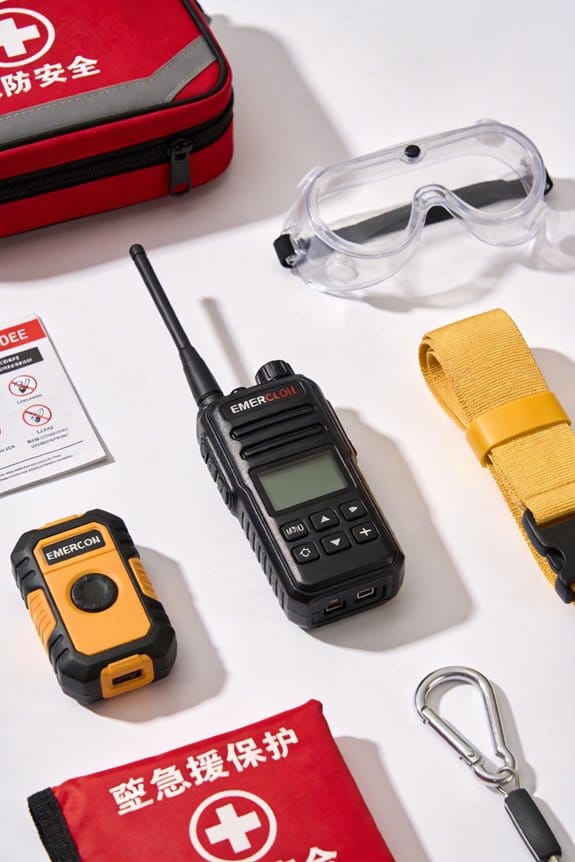
- A hand-cranked or battery-operated radio to stay updated on local news
Don’t forget personal hygiene items, like soap and wet wipes. If you have pets, be sure to pack their necessities too. And keep some toys or games for the kids to help calm their nerves during tough times.
Finding the right containers matters. Go for easy-to-carry options like duffel bags or plastic bins. Store them somewhere accessible so you can grab them quickly if a storm is headed your way.
Now, let’s talk maintenance. It’s super important to check your kit regularly and replenish items as needed. You don’t want to pack expired food or dead batteries! Consider adding long shelf life emergency meals to your kit so you have reliable nutrition that lasts well beyond typical expiration dates.
Recommended Products

ESSENTIALS FOR EMERGENCY: Everything you need is in this first aid kit! Our kit includes over 150 professional-grade medical and safety supplies, all kinds of bandages, gloves, povidone-lodine prep pad, metal tweezers, tourniquet, etc. 100% latex free
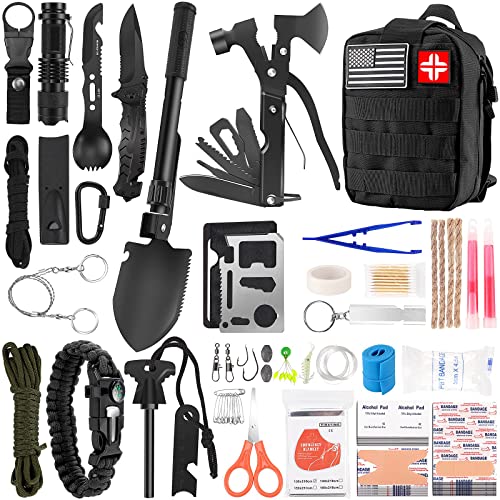
【Christmas gift ideas】 High-quality comprehensive emergency survival first aid equipment, best gifts for men, boy, father, family, friends. You can enjoy a more relaxed and safe adventure with our survival kit. If you and Your family, are not satisfied with our product, please contact us in time, we will serve you wholeheartedly.

THE ULTIMATE SURVIVAL ESSENTIAL: With 120 servings of entrées meals, ReadyWise Grab & Go Bucket is the perfect starting point for anyone serious about preparing for the future. Stay ready for anything, from power outages to outdoor adventures!
Ensure Your Home Insurance Covers Hurricane Damage
Hurricane season can be stressful, right? While preparing an emergency kit is a great first step, you also need to make sure your home is protected from hurricane damage. Many folks don’t realize this, but most standard homeowners insurance policies don’t cover hurricanes at all. It’s worth taking the time to carefully review your policy.
Thinking about what could go wrong? It’s important to consult with your insurance agent about coverage options. You might need to look into additional coverage for wind damage, storm surge, and flooding—these often require separate riders or even a separate flood insurance policy.
Here’s the trick: flood insurance usually doesn’t kick in until 30 days after you purchase it, so it’s best to sort that out before hurricane season rolls around. You also need to confirm that your coverage limits reflect your home’s current value and all your possessions. No one wants to be underinsured in the middle of a disaster.
In the digital age, keeping an electronic backup of your insurance documents can also save you time when filing claims later. You want to be as prepared as possible when facing the unexpected.
Additionally, considering a home security system can provide added protection and peace of mind during severe weather events.
Don’t Forget to Keep Your Important Documents Safe
When hurricane season rolls around, most of us think about how to secure our homes, but what about those important documents? You know, the ones that can be a hassle to replace if they’re ruined? Let’s talk about how to keep those safe during all the chaos.
First off, it’s crucial to store your important documents properly. Think about putting things like insurance policies, birth certificates, and property deeds in waterproof containers. This can save you a ton of trouble if flooding happens. And don’t forget about making digital copies of these documents! Uploading them to the cloud means you can access them easily if you ever have to evacuate.
Another smart move? Keeping an updated inventory of your valuables. It doesn’t have to be fancy—just a simple list with photos of larger items can make insurance claims way smoother if something gets damaged or lost.
The best part is there are some easy ways to safeguard physical documents too. Try sealing them in plastic bags and storing those bags in a secure place up high. It reduces the chance they’ll get waterlogged.
So, why does this matter? Losing important documents can be a major headache, especially when you already have so much else to worry about. It’s also wise to include your documents in a 72-hour emergency kit to ensure they’re protected and accessible during evacuations.
In short, securing your important documents is just as vital as protecting your home. Are you ready to take these steps?
Prepare Your Property for High Winds and Flooding
Preparing your property for high winds and flooding isn’t just another chore; it’s a way to protect your home during hurricane season. Rainy days can be tough, but adding a few protective measures can make a world of difference.
First, think about your trees. They can be incredibly dangerous during storms. Keep branches trimmed at least six feet away from the roof. That distance can really help reduce the risk of debris damaging your property.
Next, consider storm shutters. If you don’t have them yet, using plywood that’s at least 5/8 inches thick to cover your windows and doors can be a smart move. It might feel like a hassle, but it’s worth it when the winds pick up.
And don’t forget about your outdoor items! Now’s the time to store patio furniture, garden tools, and anything else that could turn into a projectile. This might seem simple, but trust me—these items can cause significant damage when tossed around by strong winds.
Another important step is to create a drainage plan. Make sure to clear out your gutters to prevent water pooling. You can also use sandbags around doorways and low-lying areas. Why go through all this trouble? It’s all about minimizing the risk of flooding in your home.
Lastly, take a good look at your roof. Inspect it for any loose shingles or tiles, and if you spot anything amiss, make those repairs. It’s a small effort that can save you from dealing with leaks when heavy rain hits.
Also, keep an easily accessible emergency first aid kit on hand to address any injuries that might occur during the storm.
Recommended Products

Sufficient to Use and Replace: there are 80 pieces of hurricane window clips for plywood in the package, which are enough to meet your use and replacement; It fits 1/2 inch thick plywood, applied to fix the plywood on the window

Superior Durability: hurricane window clips are crafted from high-quality, rust-resistant materials, providing long-term protection against severe weather. The window clip withstand extreme conditions, ensuring your plywood remains securely fastened during hurricanes or storms.

Sufficient to Use and Replace: there are 40 pieces of hurricane window clips for plywood in the package, which are enough to meet your use and replacement; It fits 1/2 inch thick plywood, applied to fix the plywood on the window
Get Backup Power and Flood Insurance
As hurricane season approaches, are you prepared to protect your home from the worst case scenario? Getting backup power and flood insurance is essential—not just for your property, but for your peace of mind, too.
Backup Power
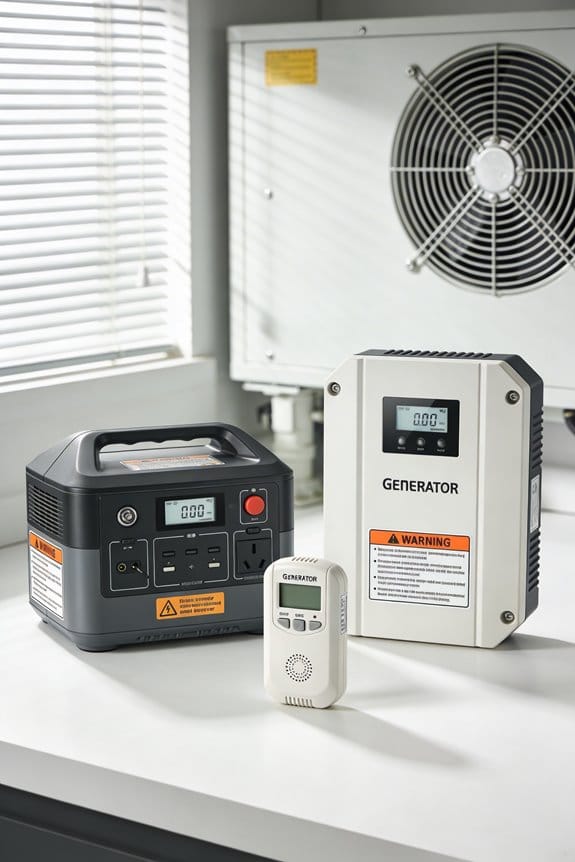
Long power outages during hurricanes are no joke. You could be left without electricity for days or even weeks. Generators are a lifesaver in these situations, but there’s a bit of upkeep involved. Make sure you have fuel on hand and keep your generator well-maintained. Don’t forget to stock up on extension cords, and remember to place your generator outside to avoid the dangers of carbon monoxide poisoning—it’s an easy mistake to make but a serious one.
Flood Insurance
Did you know that most standard homeowners and renters insurance policies don’t cover flood damage? That’s right! One inch of floodwater can cause over $25,000 in damage. Given how unpredictable weather can be, flood insurance is something to seriously consider. Policies like those from the National Flood Insurance Program are worth checking out, just keep in mind there’s a 30-day waiting period. It’s best to get it settled well before storm season hits—don’t wait until it’s too late.
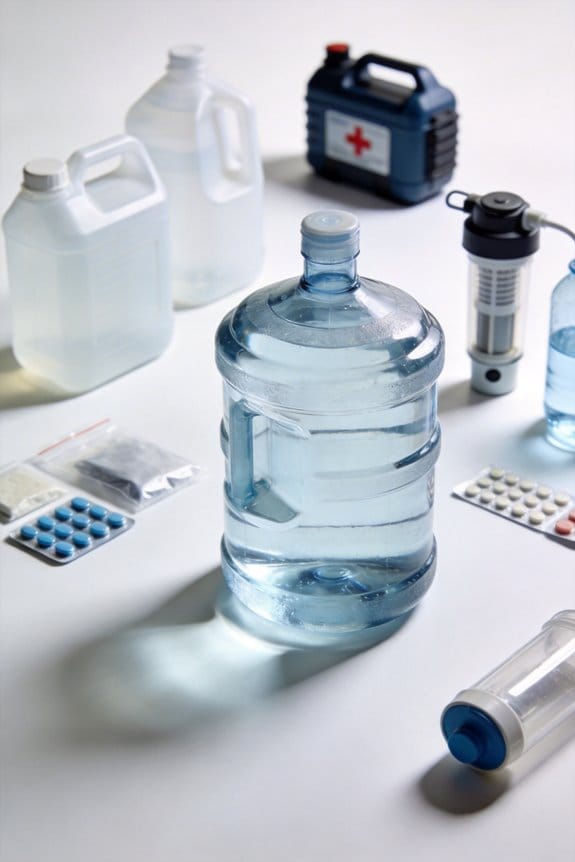
To stay fully prepared, consider assembling a storm preparedness kit with essentials like water purification tablets, emergency radios, and lighting to use during outages.
Taking these steps can make a significant difference. So, are you ready to tackle hurricane season head-on?
Recommended Products

【192Wh Capacity, 300W Pure Sine Wave Output】This portable power station delivers a reliable 300W (600W surge) output, perfect for phones, tablets, laptops, fans, CPAP machines, lights, and cameras under 300W. It’s a smart battery station for outdoor camping, travel, home backup, and emergencies. Note: Not suitable for high-power appliances such as rice cookers, hair dryers, or mini-fridges that exceed 300W or have high start-up surges.


Efficient Output: This portable power station features 8 output ports, including 2 AC sockets (110V 120W, 240W peak), 1 USB-C port (18W), 2 QC 3.0 USB ports, 1 USB port (5V 2.4A), and 2 DC ports (12V/10A). The LED display clearly shows the working status and remaining power. Ideal for camping and outdoor adventures, this camping power bank can power devices like night lights , mini fans, and below 120W other essential equipment, making it a reliable companion for your trips
Create a Family Communication and Evacuation Plan
Creating a family communication and evacuation plan feels like a must these days, especially during hurricane season. Storms can sneak up on us, and being prepared can really make a difference. So, let’s dive into the basics of getting your family ready.
First off, you need a designated meeting spot. Pick a specific place outside your home—maybe it’s a neighbor’s yard or a park nearby—where everyone can gather during an emergency. This small step could save you a lot of stress if things get chaotic.
Next up is reliable communication. It’s smart to establish several ways to stay in touch since cell services might be down. You could think about using text messages, family group chats, or even social media updates. The key is to have backup options so you’re not left scrambling.
Now, let’s talk evacuation routes. Take the time to familiarize yourself with the routes available in your area. Grab a map, drive them, and see what’s open ahead of time. Knowing where to go and what direction to take during an emergency will provide some peace of mind.
And don’t forget about keeping copies of your emergency plan! Store your family emergency plan, which should have contacts and important numbers, in a waterproof container. Having one at home is great, but keeping another in each car is a smart move.
It’s also important to prepare an emergency bag with essential supplies tailored to your family’s needs in case you need to evacuate quickly.
So, why does this matter? When disaster strikes, the last thing you want is to be unprepared. Regularly updating your plan can help incorporate any changes, like new family members or favorite meeting spots.
In short, being proactive about your family’s safety can help in those critical moments. Have you reviewed your plan lately?
Stay Updated on Weather Forecasts and Warnings
Hurricane season can be a daunting time for many of us, especially if you’re in a coastal area. So, how do you stay safe and informed? Keeping up with the latest weather forecasts and warnings is key. You’ll want to regularly check the National Weather Service (NWS) website and tune into local news for updates on any storms that may be headed your way.
One of the best ways to ensure you’re in the loop is to sign up for emergency alerts through your local emergency management office. They often send out notifications that can help keep you safe.
It’s also important to grasp the difference between NWS watches and warnings. A watch means that conditions are ripe for severe weather, while a warning signifies that dangerous weather is actively occurring. Knowing this can make all the difference when you need to take action.
Want quick updates? Consider using a weather app or a NOAA Weather Radio. These tools can give you real-time information and emergency notifications right when you need them. Additionally, keep an ear out for the Emergency Alert System (EAS); this system broadcasts vital announcements regarding local weather emergencies.
For enhanced safety, consider installing a monitored security system equipped with AI detection to receive timely alerts and protect your home during hurricane-related power outages or emergencies.
Recommended Products

[7400mWh (2000mAh) POWER BANK WILL KEEP DEVICES POWERED] The FosPower FOSPWB-2376 emergency radio incorporates a 7400mWh (2000mAh) power bank capable of providing emergency power to any small tablet or phone.

AUTOMATIC NOAA WEATHER ALERT RADIO - This weather alert radio may save your life! Especially important at night while you are sleeping! It auto-scans for emergency and weather alerts when you turn the device on or in standby mode,and alert you if any emergency warning is issued. No need to listen to the weather broadcast all day and night. Getting an NOAA alert about impending weather threats gives you a heads-up that bad weather is on the way, so you can prepare or even evacuate if necessary.
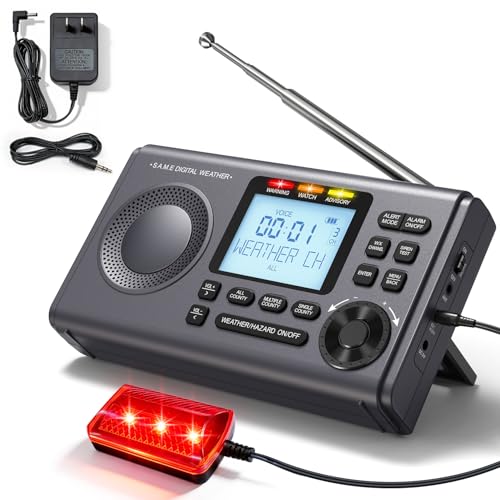
[Hyper-Local Emergency Alerts] Utilizes S.A.M.E. (Specific Area Message Encoding) technology to deliver targeted alerts. Configure All, Multiple, or Single County modes for precise geographic filtering, minimizing false alarms while ensuring critical, life-saving warnings for tornadoes and floods reach the designated area. The noaa weather radio with alerts supports configuration for up to 23 county codes.
How Should You Evacuate?
What’s your plan when a hurricane heads your way? It can be overwhelming, but knowing how to react can keep you and your loved ones safe. Here are some real-life tips that can make a difference.
First off, check those evacuation orders. Local authorities are your best source for up-to-date information on evacuation routes. They know where the safe roads are, so listen to their guidance.
Next, take a good look at your vehicle. You’ll want to fill up your gas tank, pack emergency supplies, and have a map handy. GPS can be unreliable in these situations, and trust me, you don’t want to be stuck trying to figure out where to go.
Now, think about where you’ll head when it’s time to go. Maybe it’s a friend’s place or an emergency shelter—just make sure you have a plan. It’s never too early to figure this out.
Don’t forget to pack a grab-and-go bag. This should be filled with all your essentials: important documents, medications, some non-perishable food, and water. The key is to have everything in one spot so you can easily grab it when you need to rush out the door.
Consider including a comprehensive emergency survival kit in your grab-and-go bag to cover unexpected situations on the road.
So, why does this matter? Being prepared can seriously ease the stress during such a chaotic time. Honestly, if the storm hits, you’ll already feel a bit more in control.
Frequently Asked Questions
How Do You Prep Your House for a Hurricane?
To weather the storm, we’ve got to gather hurricane supplies, check our property insurance, secure windows, and tidy up our yard. Preparation brings peace of mind, helping us face whatever nature throws our way.
What to Stock up on in Case of War?
We should stock up on survival gear like first aid kits and non-perishable food, plus emergency supplies, including water and hygiene products. It’s essential to be prepared for long stretches of uncertainty and potential challenges.
What Are 10 Things You Need to Prepare for a Hurricane?
When push comes to shove, we need to gather essential hurricane supplies, create an evacuation plan, secure our home, stock up on water and food, prepare a first aid kit, and review our insurance policies.
What Month Is Worst for Hurricanes?
September’s the worst month for hurricanes, according to hurricane statistics. During peak season, the risk dramatically increases, with most major storms occurring then. Let’s stay vigilant and prepare together for this intense period!