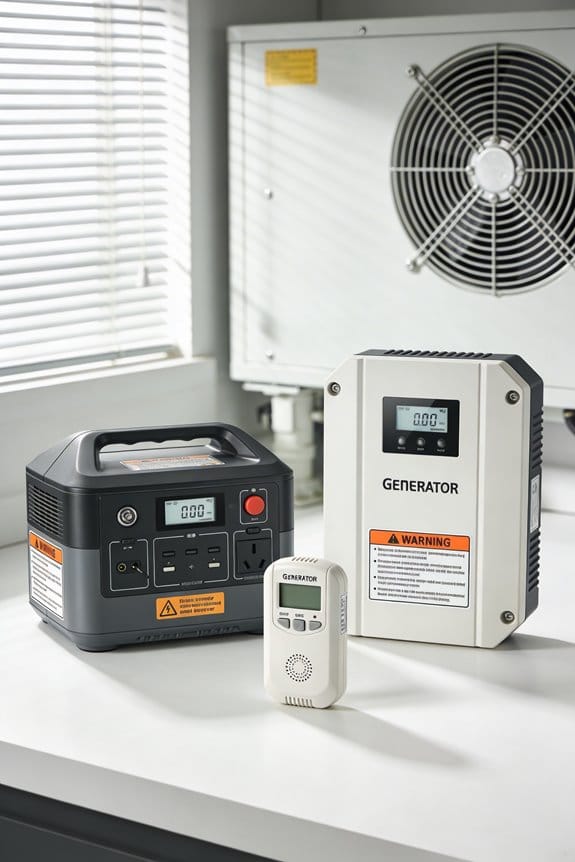

When using home generators, understanding carbon monoxide risks is essential. We understand CO is produced from burning fuels, especially when generators are misused. This silent killer can lead to serious health issues, including headaches and dizziness. To keep our households safe, we should place generators outdoors, at least 20 feet from structures, and away from living spaces. Regular maintenance and installing CO alarms are important to prevent exposure. If you’re keen to learn more about generator safety and CO prevention, we’ve got valuable insights ahead.
Key Takeaways
- Always operate generators outdoors at least 20 feet away from structures to minimize carbon monoxide exposure.
- Keep exhaust directed away from living spaces to reduce the risk of CO poisoning.
- Install carbon monoxide alarms on every floor and outside sleeping areas for enhanced safety.
- Regularly maintain generators, ensuring proper operation and reducing the risk of CO emissions.
- Be aware of CO poisoning symptoms and evacuate immediately if they occur, calling for medical assistance promptly.
The Hidden Danger: Understanding Carbon Monoxide Risks
You may be interested

When you think about keeping your home safe, carbon monoxide (CO) might not be the first thing that comes to mind, but it’s a serious issue. This silent killer is produced from burning fuels, especially if generators aren’t used properly, and it leads to around 85 deaths each year in the U.S.
So, how can you keep your family safe from this hidden danger? Here are some practical tips:
- Put carbon monoxide alarms on every level of your home.
- Test those alarms monthly and be sure to replace them every ten years.
- Always use generators outdoors, keeping them at least 20 feet away from doors and windows.
Now, recognizing CO poisoning symptoms can be lifesaving. If you or anyone in your home starts feeling headaches, dizziness, or even nausea, it’s crucial to act fast. This knowledge can literally make a difference between life and death.
Additionally, choosing a detector with end-of-life indicators ensures you replace units before they become ineffective.
Truth is, taking these precautions isn’t just smart, it’s essential. By staying informed and being proactive, you can protect yourself and your loved ones from the dangers of carbon monoxide. Are you ready to take a few simple steps for safety?
How Generators Can Produce Carbon Monoxide – Here’s Why You Should Care
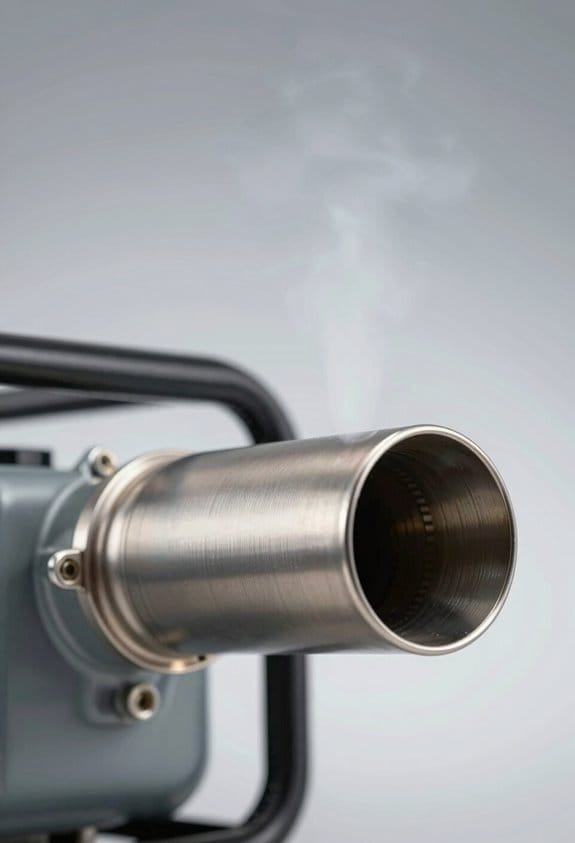
Have you ever thought about how something as handy as a generator could pose serious risks? It’s a bit unnerving, isn’t it? Understanding how generators produce carbon monoxide (CO) is crucial for keeping you and your loved ones safe. When fuel burns, generators release CO, and if you’re not careful, it can lead to Carbon Monoxide Poisoning. In fact, around 85 people die each year in the U.S. from generator-related CO poisoning, which should definitely put us on high alert.
So, what should you keep in mind when using a generator? First off, CO exposure skyrockets if you run your generator indoors or even in partially enclosed spaces. That’s a recipe for disaster! You should always position your generator at least 20 feet away from your home or any other structures. Make sure the exhaust is directed away to keep those dangerous fumes from creeping back in.
Here’s a smart tip: installing battery-operated CO alarms on every level of your home can significantly boost your safety. These alarms will help alert you to any carbon monoxide presence early on, giving you a better chance to react.
Truth is, safety with generators isn’t something to take lightly. The stakes are high, but with some simple precautions, you can enjoy the benefits of your generator without unnecessary risks. Have you checked your setup lately? Choosing a device with dual protection from smoke and CO detection can provide enhanced safety for your household.
Safe Generator Placement for Carbon Monoxide Safety
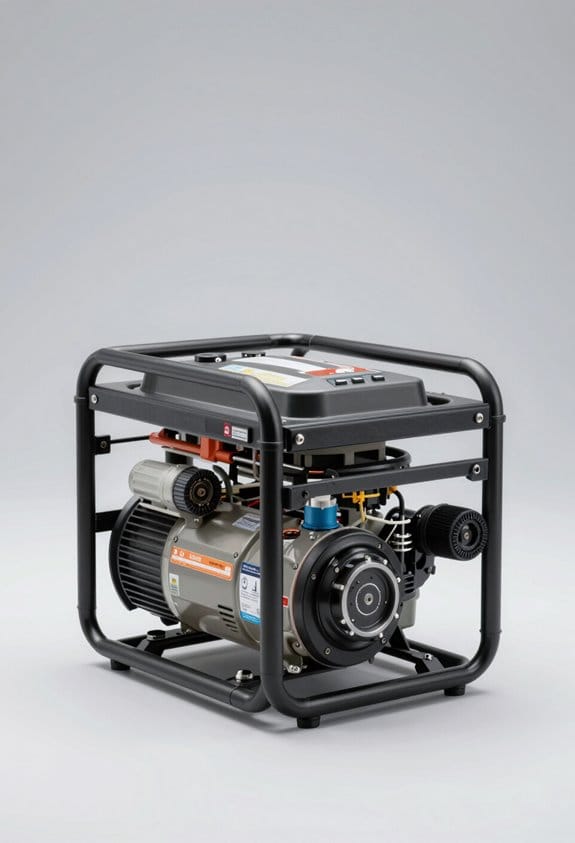
Have you ever thought about how using a generator can put you at risk for carbon monoxide poisoning? It’s a serious concern that we need to keep in mind every time we fire one up. The key is in the placement; operating your portable generator outdoors is essential for safety. Aim to keep it at least 20 feet away from windows, doors, and vents. This simple step can cut down on carbon monoxide getting into your home.
Here are some pro tips for positioning your generator safely:
- Make sure the exhaust points away from your living spaces. This is especially important when it’s windy, as the fumes can easily drift back towards you.
- Avoid using your generator in enclosed spaces like garages or basements. Trust me, the risk of CO buildup in these areas is just too high.
- Regular maintenance keeps your generator running smoothly and safely. Place it on a dry surface and try to shield it from rain if possible.
- Look for generators that come with built-in carbon monoxide alarms or automatic shut-off features. These can provide an extra layer of safety.
So, why does this matter? It’s not just about avoiding a bad day—it’s about keeping you and your loved ones safe. Truth is, following these guidelines can make a significant difference in how secure you feel while using your generator. For even greater protection, consider installing a carbon monoxide detector that offers real-time alerts and long battery life to monitor CO levels continuously.
Recommended Products

2 pack of Energizer MAX 9V Alkaline Batteries, Batteries 9 Volt Size
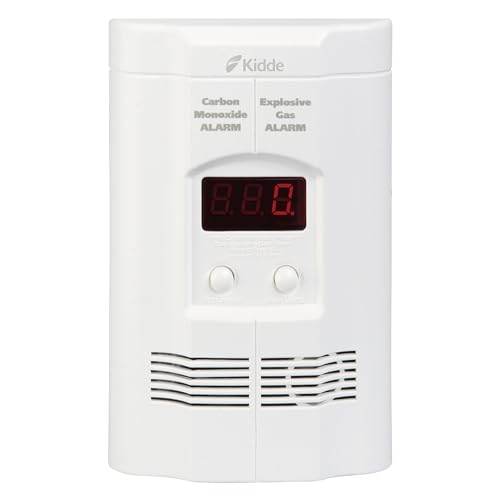
Easy Installation - simply plug-in to a standard, 120V outlet in your home

【2-in-1 Dual Sensor Protection for Comprehensive Defense】Streamline your home safety setup with smart dual-function monitoring. This advanced smoke detector carbon monoxide detector combo 10 year sealed battery device tracks both slow-smoldering fire hazards and toxic air threats. Perfect for an open kitchen, residential bedroom, or newly built house, this high-accuracy smoke and carbon monoxide detector delivers advanced 24/7 protection.
Spotting Carbon Monoxide Poisoning Symptoms
Finding out you’re dealing with carbon monoxide poisoning can be scary, and you might be asking yourself, “How do I spot the symptoms?” Recognizing the early signs can save a life—yours or someone you love. Here’s what to look out for:
- Shortness of breath
- Headache
- Dizziness
- Nausea
- Weakness
These symptoms could easily be confused with flu or a cold, which makes it tricky. Trust me, it’s crucial to be vigilant since victims can suddenly lose consciousness. Have you ever thought about how often you check for these signs? It’s a good reminder that awareness is key.
Thinking about safety, it’s wise to install carbon monoxide alarms in your home, especially if you use generators. Prevention should always be a priority. Did you know that around 400 people die each year from unintentional CO exposure? Some groups are even at greater risk, which makes being informed and acting quickly that much more important.
Using detectors with dual-sensor technology can provide comprehensive protection against both smoke and carbon monoxide.
Stay alert, and keep an eye out for these symptoms. Your safety and your family’s are worth it! So, have you checked your alarms lately?
What to Do if You Experience Symptoms of Carbon Monoxide Poisoning?
Did you know that a few common symptoms like headache, dizziness, or nausea could be telling you something super serious? These could be signs of carbon monoxide poisoning, and it’s important to know how to react quickly.
First things first, if you start feeling unwell, get out of there! Head straight to fresh air. Your safety is the priority, so don’t hesitate. Once you’re outside and safe, it’s time to call 9-1-1 or your local emergency number. Make sure to do this from a safe place, not inside where the fumes are hanging around.
Here’s the trick: don’t go back inside. Seriously, don’t try to find the source of the carbon monoxide on your own. Wait until the professionals show up and say it’s safe to return. When they arrive, make sure to inform them about your symptoms and any potential sources of the gas you may know about.
Now, here’s where it gets really important. You’ve got to seek medical attention, even if you start feeling better. Carbon monoxide poisoning can have long-term effects, and it can be life-threatening if you don’t get help in time. So, take it seriously and don’t brush it off.
Truth is, staying informed and being aware of the signs can really save lives. Have you ever thought about how vital it is to have a safety plan in case of an emergency? Installing smoke and carbon monoxide detectors can provide early warning and protect you from unseen dangers in your home.
Installing and Maintaining Carbon Monoxide Alarms Effectively
When’s the last time you thought about carbon monoxide alarms? It’s easy to overlook them, but they play a vital role in keeping us safe at home. Here are some tips to ensure you’re protected from this silent threat:
- You want to install battery-operated CO alarms on every level of your home, including just outside sleeping areas. Just make sure to follow the manufacturer’s instructions.
- Place those alarms at least 5 feet above the floor. Since CO is lighter than air, this will help them do their job better.
- Don’t forget to test your alarms every month. It only takes a minute, and it guarantees they’re working.
- If your alarm is over 10 years old, it’s time to replace it. Better safe than sorry, right?
- Changing the batteries annually is a must to keep everything up and running.
Using interconnected CO alarms can really amp up your safety. When one alarm goes off, the others will too, giving you simultaneous alerts that can make all the difference in an emergency. So, why does this matter? The truth is, a little time and effort on your part can protect you and your loved ones. For enhanced peace of mind, consider alarms with digital and LCD displays that provide real-time monitoring of carbon monoxide levels.
Recommended Products

Please Note: SC06-W supports wireless interconnection but does not have Wi-Fi

First Alerts Precision Detection advanced sensing technology complies with new industry standards to reduce cooking nuisance alarms and provides early warning in the event of a home fire emergency

BRK's Precision Detection advanced sensing technology reduces cooking nuisance alarms and delivers early warning
Carbon Monoxide Safety When Fueling Generators
Have you ever thought about how dangerous it can be to fuel a generator? It’s a simple task, but if you don’t take the right steps, it can lead to serious carbon monoxide exposure. You really need to let that engine cool down completely before refueling to prevent the risk of igniting fuel vapors. And trust me, storing fuel properly is crucial. Always use containers designed specifically for fuel—improper storage can lead to carbon monoxide building up indoors, and that’s no joke.
Here are some straightforward tips you should keep in mind:
- Keep the generator at least 20 feet away from any building while you’re fueling it. It seems simple, but it’s a big step towards safety.
- Make it a habit to inspect your fuel lines regularly. Look for any leaks or cracks; they can create dangerous situations.
- Always follow the manufacturer’s guidelines for fueling and maintenance. Those instructions are there for a reason.
Honestly, the best part about all of this? Installing CO alarms in your home can give you an extra layer of protection while you’re running generators. You can’t be too careful when it comes to carbon monoxide safety. It’s also important to choose CO alarms that have interconnected alarm systems for enhanced safety coverage throughout your home.
Recommended Products

Please Note: XP0H-WN supports wireless interconnection but does not have Wi-Fi

2-IN-1 DETECTION: Detects both smoke and carbon monoxide with advanced sensing technology engineered for over 25% faster smoke detection*; features an 85-decibel alarm with red LED light for clear visual and audible warnings; suitable for homes

2-IN-1 DETECTION: Detects both smoke and carbon monoxide with advanced sensing technology engineered for over 25% faster smoke detection*; features an 85-decibel alarm with red LED light for clear visual and audible warnings; suitable for homes
Proper Electrical Connections to Prevent Carbon Monoxide Risks
Have you ever thought about how important proper electrical connections are when using a generator? It’s easy to overlook, but those little details can pack a big punch when it comes to safety. To keep your setup secure, always grab heavy-duty, outdoor-rated extension cords. Trust me, it’s just a smart move to stay in line with electrical codes.
So here’s the trick: make it a habit to check your cords for any damage like cuts or frays. That little inspection can help you avoid potential hazards down the road. And let’s be clear—don’t try to connect your generator directly to your home’s wiring unless you’ve got a qualified electrician installing a proper power transfer switch. Backfeeding can be incredibly dangerous, and it’s not worth the risk.
Try this: make your electrical connections only in dry conditions, and be sure to place your generator on a stable surface. This simple step can help prevent electrocution or any malfunction. It may seem basic, but taking these precautions can make a huge difference in protecting yourself and your loved ones. Also, integrating battery backup features into your safety setup ensures continuous operation during power outages.
Recommended Products

10-Circuit 50-Amp Capacity: Easily power your entire household essentials during power outages with this 50-amp manual transfer switch supporting up to 10 individual circuits. Compatible with generators up to 12500W, this kit handles high-demand appliances like well pumps, refrigerators, and HVAC systems. Flip the double-throw switch to transition from utility to backup power.

This is the original, authentic, and patented EZ Generator Switch

This 100 amp generator transfer switch perfect to switch the power from the electric company to an auxiliary power (gas generator, solar). A simple movement of the transfer switch lever ensures seamless power management. With a maximum handling capacity of 100amps and a power capability of 24000W, it effortlessly powers your entire household, including high-demand appliances like dryers and stoves.
Regular Generator Maintenance to Avert Carbon Monoxide Exposure
Are you concerned about the dangers of carbon monoxide when using your generator? Trust me, you’re not alone. Keeping your generator running safely is crucial, and regular maintenance plays a huge role in that. Here are some practical tips to help you avoid dangerous CO buildup and keep yourself safe.
First off, don’t overlook those fuel lines. They can sometimes develop cracks or leaks, leading to CO exposure without you even realizing it. Give them a good look before you fire up the generator.
Following the manufacturer’s guidelines is another biggie. Most of us have heard the phrase “an ounce of prevention is worth a pound of cure,” and it really applies here. Stick to those service intervals for oil changes and filter replacements. It makes a difference in performance and safety.
Have you ever thought about running your generator just to keep it in shape? Try this: operate it outdoors for a short while every three months. It’s not just a good way to ensure it works properly but can also help cut down on emissions.
And don’t forget your extension cords! Make it a habit to inspect those heavy-duty, outdoor-rated cords for any damage like cuts or tears. You don’t want a frayed cord to make a bad situation worse.
Lastly, let’s talk CO alarms. Honestly, checking the batteries in your battery-operated CO alarms every month should be a no-brainer. It’s such an easy step to take, but it can save lives by alerting you to any potential risks.
In addition to these steps, having an emergency kit that includes carbon monoxide safety equipment**** can enhance your preparedness for unexpected situations.
To wrap it up, regular generator maintenance is essential for keeping carbon monoxide exposure at bay. Just think, when was the last time you took stock of your safety equipment? A little attention today can go a long way in protecting you and your loved ones.
Recommended Products
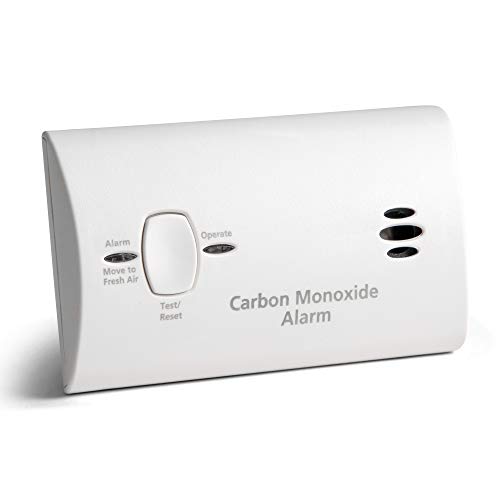
Electrochemical sensor technology detects CO gas
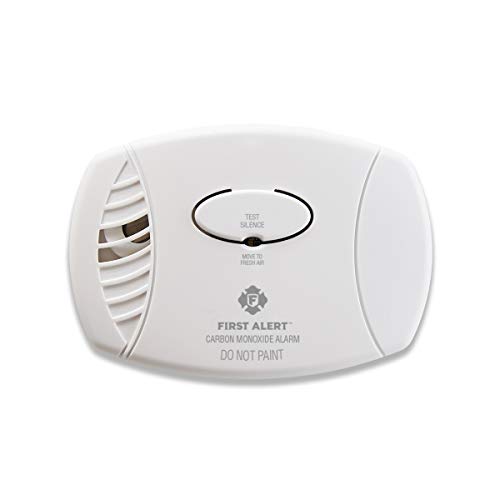
Keep your family safe with this easy to use plug in carbon monoxide alarm; It works with any standard outlet and also has a battery backup for continuous monitoring of Carbon Monoxide levels, even if there's a power failure

First Alert's Precision Detection advanced sensing technology complies with new industry standards to reduce cooking nuisance alarms and provides early warning in the event of a home fire emergency
Common Household Sources of Carbon Monoxide You Should Know
Have you ever thought about how your home could be silently putting you at risk? Carbon monoxide (CO) is a hidden danger that many people overlook. It’s essential to be aware of common household sources that can increase your exposure.
Gas stoves and ovens can be convenient for cooking, but if you’re using them for long periods without good ventilation, they can produce CO. Try this: always turn on a fan or crack a window when cooking to keep the air fresh.
Unvented kerosene or gas space heaters might keep you warm in the winter, but they can also emit CO if they’re not properly maintained. It’s worth checking to ensure they’re in good condition.
Leaking chimneys and furnaces should be on your radar, too. These can lead to CO buildup, especially in rooms that aren’t well-ventilated. I recommend having your heating system inspected regularly.
Portable generators are lifesavers during power outages, but don’t forget: they should never be run indoors or in attached garages. CO levels can soar dangerously fast in those spaces.
And what about those times you leave your car running in the garage? It may seem safe, especially with the garage door open, but it can still raise indoor CO levels significantly. So, why does this matter? The impact of CO can sneak up on you, and it’s crucial to stay alert and minimize risks.
Installing proper safety equipment such as fire alarms and carbon monoxide detectors can greatly reduce the risk of unnoticed CO exposure in your home.
Frequently Asked Questions
Can I Run a Generator in My Backyard?
Yes, we can run a generator in our backyard, but we must follow noise regulations and distance requirements. Let’s guarantee carbon monoxide awareness, prioritize backyard safety, and maintain the generator while checking residential zoning rules.
What Fuel Types Are Safe for Generators?
When choosing fuel types for generators, we can consider diesel generator safety, propane generator benefits, and gasoline generator concerns. Alternatives like biogas, natural gas, and biodiesel efficiency offer great options for diverse needs.
How Long Can a Generator Run Continuously?
So, we can’t just let our generators run forever like they’re on a vacation! Generally, continuous operation limits are around 8 to 12 hours, but overheating risks, maintenance schedules, and fuel efficiency matter too. Plus, noise is a factor!
Are Portable Generators Safer Than Standby Units?
Portable generators have benefits like mobility and lower noise levels, but standby units offer better fuel efficiency and safety. However, we must consider maintenance requirements and generator location safety for emergency usage guidelines in either case.
What Is the Best Way to Ventilate While Using a Generator?
To ventilate while using a generator, we should place it outdoors, ensuring exhaust directs away from us. Employing noise reduction methods and considering airflow can help minimize carbon monoxide risks and improve safety.