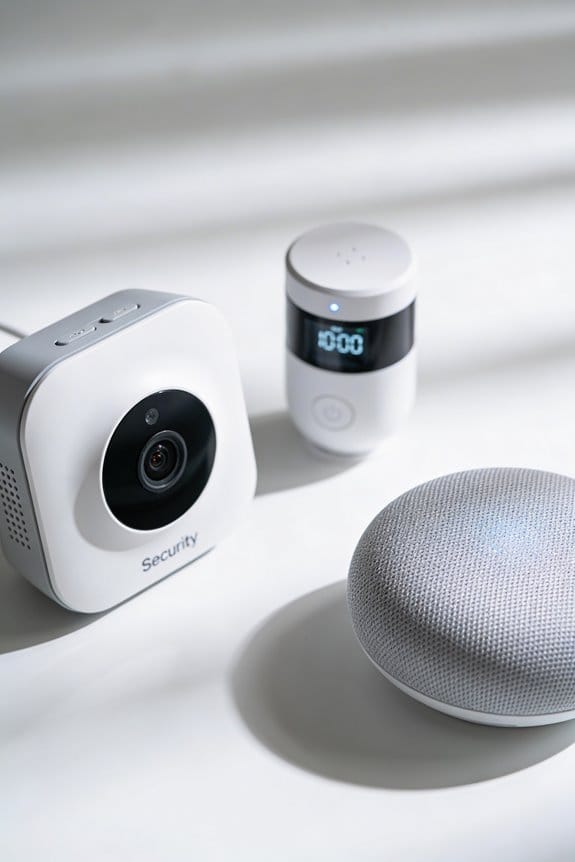
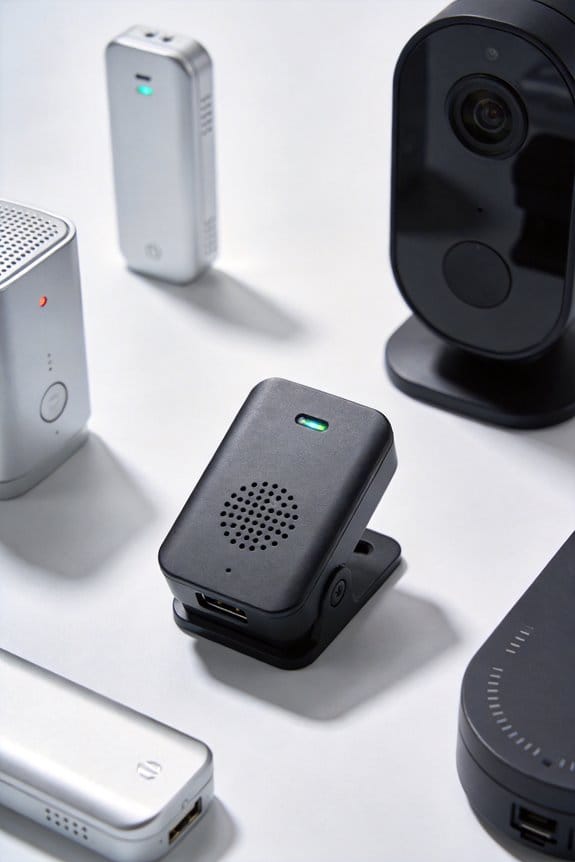

Emerging technologies in glass break detection systems leverage AI and machine learning to improve accuracy and reduce false alarms. We’ve experienced firsthand the advancements in sensors that now differentiate breaking glass from background noise with a remarkable 62% reduction in false alerts. These innovations include features like Bluetooth connectivity for immediate alerts and greatly improved battery life, lasting up to 6 years. As we explore further, we’ll uncover more about the exciting future of these systems and their applications.
Key Takeaways
- Advanced signal processing and adaptive thresholding improve the accuracy and reliability of glass break detection systems, reducing false alarms significantly.
- Machine learning-enabled sensors can distinguish breaking glass sounds from background noise, enhancing detection capabilities and minimizing disruptions.
- New sensors like Aspinity’s AML100 operate efficiently in low-power settings, extending battery life to 3-6 years and promoting sustainability.
- Bluetooth connectivity allows for real-time alerts and smartphone integration, enabling immediate responses to security threats in homes and businesses.
- The glass break detector market is projected to reach $2.5 billion by 2033, driven by the demand for smarter, connected security technologies.
Identifying the Gaps in Traditional Glass Break Sensors
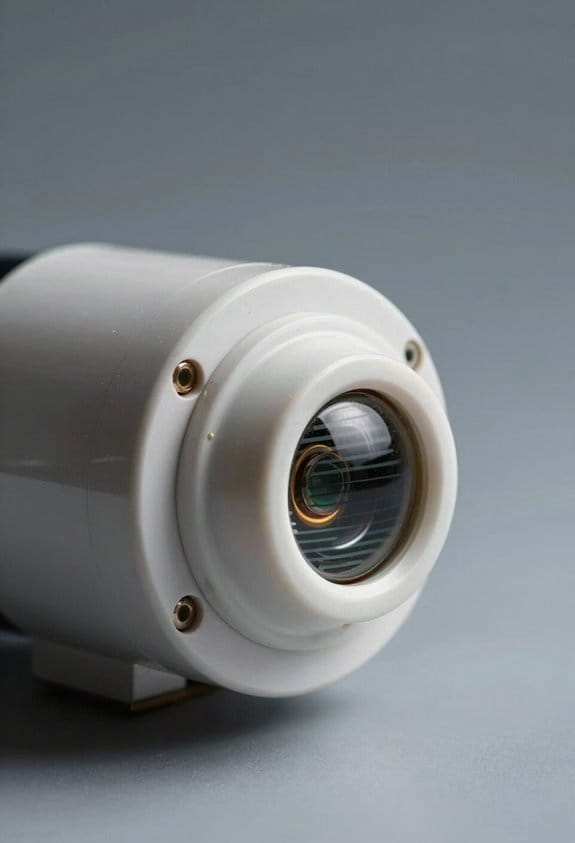
When it comes to glass break sensors, many of us may not realize just how unreliable they can be. Imagine this: you’re enjoying a quiet evening at home, and suddenly your alarm goes off. You check it only to find it was triggered by something as harmless as your doorbell ringing. Frustrating, right? Traditional glass break detectors can produce a jaw-dropping 62% false alarm rate, which is enough to drive anyone crazy.
Let’s talk about sensitivity. It’s all over the place! You might find that manual calibration is needed more often than you’d like, leading to inconsistent performance. Plus, those shock sensors that are supposed to save the day? They can be just as likely to mistake a loud knock for a break-in. This lack of differentiation between harmless bumps and actual glass shattering is a real problem, especially as crooks get smarter.
So, why does this matter? As burglars adapt their methods, it’s crucial to have a security system that won’t send you running to the door at every little noise. You need sensors that are smart enough to ignore common household sounds.
Here’s the trick: regularly test your system to see how it responds to different sounds in your home. Also, consider using a mix of sensor types—this can really boost reliability and help you sleep easier at night.
Truth is, having a dependable glass break sensor is vital for peace of mind. Many advanced systems now integrate dual connectivity options like WiFi and GSM to ensure uninterrupted protection even during outages. Are you ready to take a closer look at your current setup and make sure it’s truly protecting you?
AI and ML Innovations in Glass Break Detection
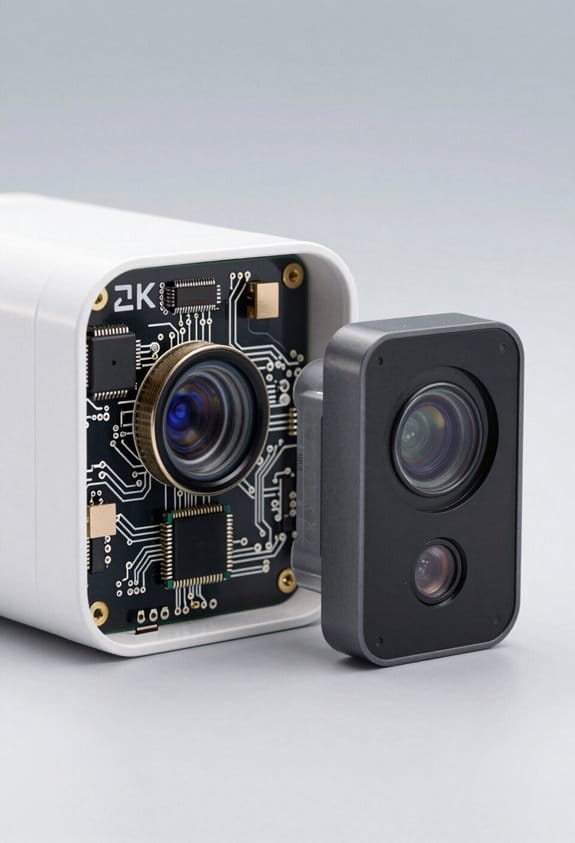
As someone who’s dabbled in home security, I know how nerve-wracking it can be to set up glass break detectors. The fear of false alarms can drive you nuts, right? Well, that’s where AI and machine learning (ML) come into play. These technologies are really stepping up the game when it comes to identifying those unique sounds that glass makes when it breaks. Thanks to these innovations, you can expect a significant drop in those pesky false alarms.
For example, have you heard about Silicon Labs’ sensor? It’s pretty impressive—it can actually reduce power consumption by up to six times! That’s a huge plus, especially if you’re relying on battery-operated security systems. Imagine not having to constantly swap out batteries while also keeping your home protected.
Another cool feature is real-time adjustments. This means your glass break detectors can adapt to noisy environments. So, why does this matter? Well, if you live in a bustling area, having a system that can tune out the background noise is essential. It’s fascinating how machine learning helps these detectors evolve over time, constantly improving by learning from various sound inputs.
And here’s the trick: when you combine sophisticated ML applications with solid hardware, you get some pretty innovative solutions for glass break detection. Take a look at the collaboration between Silicon Labs and AIZIP; they really show what’s possible when expertise meets technology.
If you’re thinking about upgrading your home security, keep an eye out for devices that come equipped with ML capabilities. And don’t forget to choose options that have low power consumption features—it’ll be worth your while.
In the end, it’s all about creating a safer space without the stress of constant alarms. Have you thought about how you can boost your home security intelligently? Plus, incorporating outdoor cameras with AI detection capabilities can provide an added layer of security by differentiating between humans, vehicles, and irrelevant movements.
Innovative Solutions to Minimize False Alarms
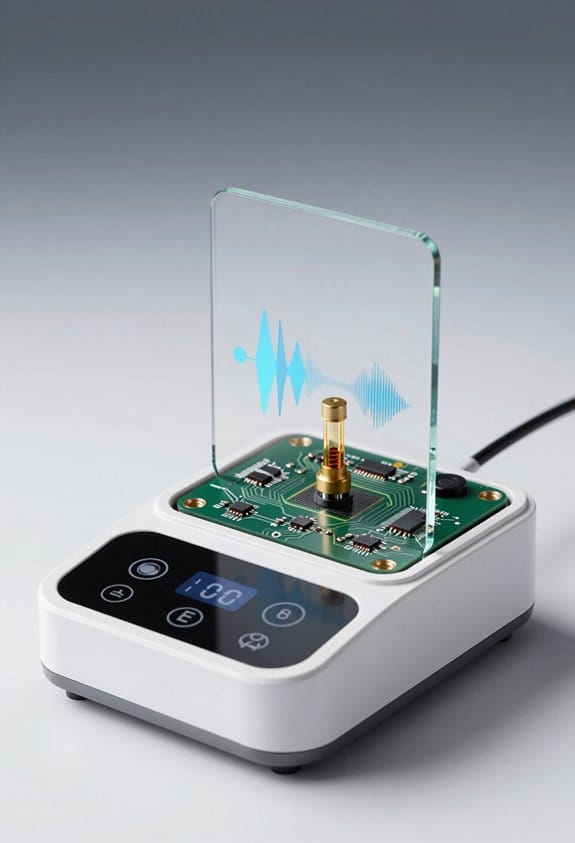
Have you ever been woken up in the middle of the night by an alarm that turns out to be nothing? It’s frustrating and stressful, isn’t it? That’s where some cool new tech comes into play, aimed at cutting down those pesky false alarms that can drive anyone crazy.
With some advancements in machine learning, glass break detectors are getting a major upgrade in accuracy. These new devices can actually pick out the sound of breaking glass from other noises, which helps cut down on false alarms significantly. We’re talking about real peace of mind here.
Take Silicon Labs’ ML-enabled sensors, for instance. They consume six times less power than previous models and can last up to six years on a single battery. That’s a big win for both convenience and security. Then there’s Aspinity’s AML100, which brings high accuracy to the table in low-power settings—it’s proving to be quite effective in real-world situations.
So, why does this matter? These advancements mean we’re looking forward to a future where your glass break sensors are reliable, focusing on what really matters: the sound of glass breaking, not just every little noise.
It’s exciting to see how tinyML technology is shaping up. If you’re tired of false alarms and looking for a better way to keep your home secure, these new options might just be what you need. In short, security is becoming smarter, and that’s something to feel good about. What’s your experience been with false alarms?
Modern systems that offer 24/7 professional monitoring provide an added layer of protection by ensuring immediate response to verified alarms.
Real-World Applications of AI/ML in Glass Break Detection
Have you ever missed an important sign that something was wrong at home? Accidents happen, especially when it comes to glass breakages. The good news is that recent advancements in glass break detection are making our living spaces much safer. Thanks to machine learning, there are now sensors available that can pinpoint real glass break events, significantly cutting down on annoying false alarms. In fact, research shows that users saw a 62% reduction in false alerts compared to previous systems.
- Smart home integration means you’ll get real-time alerts and can monitor your home remotely.
- Some new sensors are impressively efficient, using up to six times less power and greatly extending battery life.
These improvements are especially handy in places like homes, businesses, and hotels where security is crucial. You don’t want a sensor going off for a mundane reason like a loud noise outside. So, why does this matter? With reliable detection, you can feel more at ease knowing that your space is being monitored effectively.
Honestly, with technology evolving this way, enjoying peace of mind has never been easier. Plus, having tools that work smartly and efficiently just makes life a bit simpler, doesn’t it? Think about how much better your home security could be with the right setup in place. Additionally, pairing these detection systems with high-resolution security cameras can provide crystal-clear evidence and enhanced monitoring capabilities.
The Future of Glass Break Sensors: Trends and Emerging Solutions
What can you expect from glass break sensors as we keep moving forward with technology? Well, as machine learning gets better and better, we’re starting to see some real advancements in how these sensors detect glass breaks. They’re getting smarter about distinguishing the sound of glass shattering from other noises, which means fewer false alarms. Take Silicon Labs’ new devices, for example. They’re using high-tech signal processing to really hone in on that unique sound of breaking glass.
Here are some cool features emerging with these sensors:
- They use way less power—think up to 6 times lower.
- You can count on battery life lasting between 3 to 6 years.
- Bluetooth connectivity lets you get alerts in real-time.
- Adaptive thresholding means they can be smarter about when to alert you.
As the market for wireless glass break detectors is expected to reach about $2.5 billion by 2033, these innovations are set to enhance our security. So, why does this matter? It’s all about making sure you’re protected in a smarter, more connected way, which is especially important as our security needs continue to evolve.
The best part is that with these advancements, you can feel more secure in your home without the hassle of constant false alarms. If you’re considering upgrading your security system, keeping an eye on these trends might just pay off down the line. Think about it: how secure do you really feel in your space? Many modern systems now integrate with smart home assistants like Alexa to offer seamless voice control and enhanced automation.
Frequently Asked Questions
How Do Glass Break Detection Systems Integrate With Smart Home Devices?
Glass break detection systems seamlessly integrate with smart home devices, enabling voice control compatibility and mobile app connectivity. Their user-friendly setup enhances security system synergy, allowing automation functions for a thorough home safeguarding experience.
What Are the Typical Installation Requirements for Modern Glass Break Sensors?
Did you know over 60% of burglaries involve breaking glass? When installing modern glass break sensors, we must consider sensor placement strategies, environmental conditions impact, wiring requirements overview, and building code compliance, while also overcoming installation challenges and sensor calibration techniques.
Can Glass Break Detection Systems Differentiate Between Types of Glass?
Yes, we can differentiate between glass types using advanced sensor technology. By analyzing sound frequency and break patterns while considering environmental factors, we enhance detection accuracy, ensuring reliable performance tailored to various glass materials in different settings.
What Maintenance Is Needed for These Advanced Detection Systems?
Routine checks reveal that 30% of detection systems require sensor calibration annually. We should perform software updates, conduct performance testing, and make any necessary component replacements or environmental adjustments to guarantee peak functionality and reliability.
How Do Battery-Powered Models Compare in Performance to Wired Sensors?
Battery-powered models often offer great installation ease and flexibility, but their performance can vary in battery life and wireless range. Wired sensors usually provide higher reliability, sensitivity levels, and often a more favorable cost comparison overall.