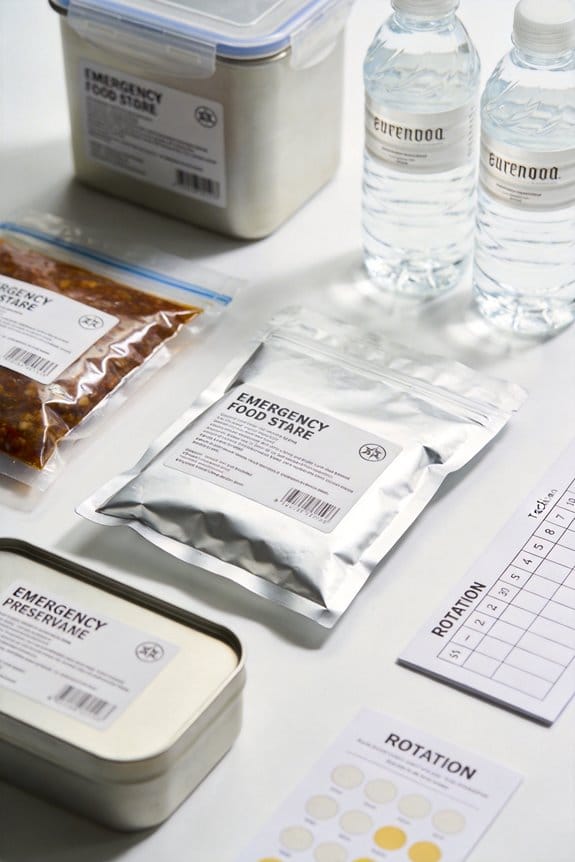

To maintain and rotate our emergency food and water supplies effectively, we should prioritize freshness and safety. We can implement the FIFO method, guaranteeing older items are used first. Regular checks every six months help us track expiration dates. Storing food in cool, dry places extends shelf life, while using food-grade containers for water is essential. We must replace water every 12-18 months to keep it fresh. Following these practices guarantees we’re prepared for emergencies, and there’s more to explore ahead.
Key Takeaways
- Implement the FIFO method by using older food items first, which minimizes waste and ensures freshness.
- Conduct inventory checks every six months to track expiration dates and supply levels effectively.
- Store food in a cool, dry, dark place using Mylar bags with oxygen absorbers to extend shelf life.
- Rotate bottled water every 12-18 months and store it in food-grade containers for safety.
- Label food items with purchase dates to streamline monitoring and ensure timely usage of supplies.
Why Is Food and Water Rotation Essential for Emergencies?
Why Is Food and Water Rotation Essential for Emergencies?
Have you ever thought about what you’d do if an emergency struck and your food and water supplies weren’t safe to use? It’s a scary thought, but many people overlook the importance of keeping those supplies fresh. Food and water rotation isn’t just a good idea; it’s essential for keeping your family safe during tough times.
Regularly checking and rotating your emergency supplies can prevent spoilage and waste. Did you know that nearly 30-40% of food in the U.S. goes unused because it’s not stored correctly or has expired? Here’s the trick: by keeping track of expiration dates and using the FIFO method—first in, first out—you can ensure that you’re consuming older items first. This simple habit goes a long way in maintaining a safe stockpile.
To keep your food supply up to par, it’s smart to conduct an inventory check every six months. You might think that seems like a lot, but it just takes a little time to make sure everything is safe and adequate. And don’t forget about your water! A good rule of thumb is to rotate your bottled water every 12-18 months, especially if it’s been stored in a hot spot. Trust me; there’s nothing worse than finding out your emergency water isn’t safe to drink when you need it the most.
Also, storing emergency foods in waterproof containers or Mylar bags and keeping them in a cool, dry place below 75°F can greatly extend their shelf life and make rotation easier.
So, why does this matter? Essentially, keeping your food and water fresh means peace of mind when disaster strikes. Make these practices part of your routine, and you’ll feel more prepared for anything life throws your way.
At the end of the day, taking a little time to refresh your emergency supplies can make a big difference. Are you ready to check your stash and keep your loved ones safe?
Implementing the FIFO Method for Emergency Food Supplies
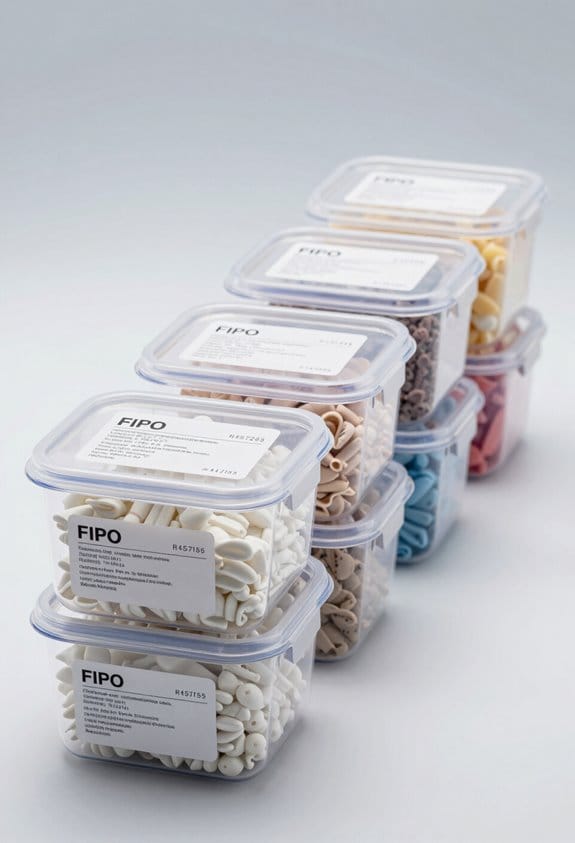
Have you ever looked at your pantry and wondered how some food items managed to sit there for too long? That’s where the FIFO method comes into play. It stands for “First In, First Out.” Simply put, it’s about using the oldest items first. When you put newer food products at the back of your shelves and keep the older ones up front, you’re taking a big step toward reducing food waste and ensuring you use items before they expire.
Worried about keeping track of what you have? Here’s a trick: regularly label everything with the purchase date. It makes a world of difference when you can easily see what needs to be used up. Also, organizing your shelves so that older products are the most accessible helps. It’s amazing how a small change in organization can keep your emergency food supplies fresh and ready to go.
Truth is, this method does more than just help you eat healthier; it encourages consistency in meal planning. The best part is that maintaining your stockpile becomes easier. You won’t be left scrambling to figure out what to use or worrying about whether something might spoil. Additionally, knowing the shelf life ranges of your emergency kits ensures you rotate items effectively for optimal freshness and nutrition.
How to Choose Foods Your Family Will Actually Eat
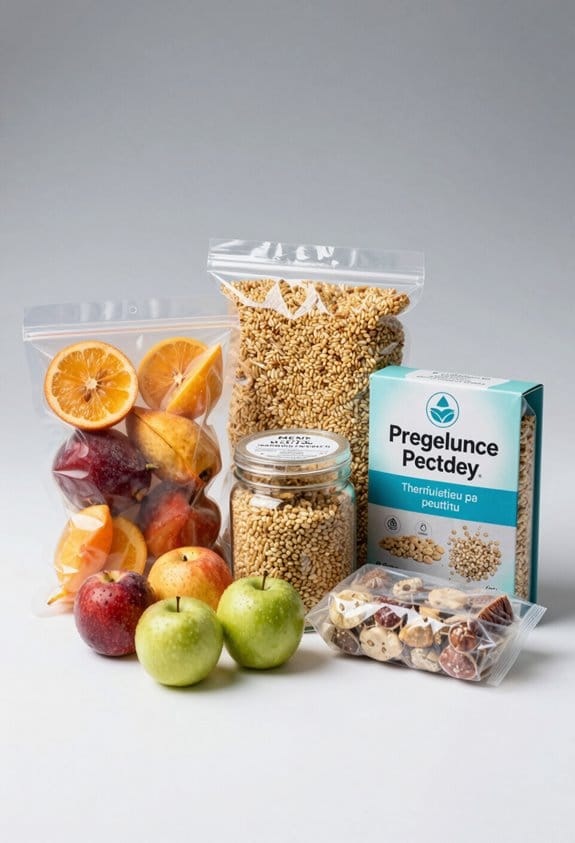
Choosing the right foods for your emergency supplies is more than just a safety measure; it can really help keep your family comfortable during tough times. You want to pick non-perishable options that everyone enjoys. Think of things like canned soups, rice, and pasta. Including a few snacks and comfort foods can also keep spirits up when things get stressful.
When you’re building your emergency food stash, it’s super important to consider any dietary needs or food allergies in your family. Don’t forget to periodically check and rotate your supplies so everything stays fresh and appealing. You don’t want to open up a can of something that’s been there for two years and realize nobody will eat it!
Here’s the trick: Try incorporating these foods into your regular meal planning. By doing this, you can make long-term stockpiling feel less daunting and ensure you’re making meals your family actually likes. Plus, it helps reduce waste since you’re using up what you’ve stored regularly.
So, why does this matter? Well, having a stock of enjoyable, ready-to-eat meals on hand can make all the difference in an emergency. It’s about keeping your family fed and happy when you need it most.
In short, prioritize food your family loves, consider everyone’s needs, and keep things fresh. Remember to choose meal kits with clear instructions and individual portion packaging to simplify rationing and maintain freshness.
How will you make your emergency meal planning more enjoyable?
Top Tips for Storing Emergency Food Safely
Have you ever opened a pantry and wondered how to keep your emergency food supplies safe and ready when you need them? It can feel overwhelming, but with a few simple storage tricks, you can set yourself up for success. Here are some easy tips to help you store food effectively:
First off, think about where you’re putting your supplies. A cool, dry, and dark spot is ideal. This isn’t just a random suggestion—keeping your food away from heat and light can really help extend its shelf life.
Now, let’s talk about containers. You don’t want pests or oxidation ruining your food. Mylar bags with oxygen absorbers are fantastic for this. They’re not just fancy; they really do the job of keeping your food fresher for longer.
Don’t forget to check on your food every six months. Spoilage can sneak up on you, and keeping an eye on expiration dates is crucial. When was the last time you rummaged through your pantry? Taking the time to do this can save you from unpleasant surprises later.
Here’s a tip that many overlook: the FIFO method. It stands for “First In, First Out.” Simply put, it means using the older items in your pantry first and keeping newer ones at the back. This way, you ensure nothing goes to waste, and you’re always using the freshest stuff.
Keeping an inventory is also super helpful. Track what you have and when it expires. It’s a game of awareness that makes it easier to manage your emergency foods.
Also, consider the caloric content of your emergency kits to ensure they meet your daily energy needs, especially for family members with higher calorie requirements.
What You Need to Know About Expiration Dates and Food Safety?
Expiration dates can be downright baffling, can’t they? With terms like “sell-by” and “use-by,” it’s easy to assume they’re hard and fast rules for when food is no longer safe. But understanding what these dates really mean is key to keeping your food safe, especially when it comes to emergency supplies you’ve stocked up on.
Many canned goods are still okay to eat even after the expiration date if they’ve been stored correctly. It’s a good idea to give your pantry a regular check-up for any signs of spoilage. Unpleasant odors or odd textures can be your first clue that something’s off.
Now, let’s talk about perishable foods. The USDA says that if anything’s been sitting above 40°F for two hours or more, it’s time to toss it, regardless of its expiration date. So, keep an eye on your leftovers and those items in the fridge!
So, why does this matter? Being able to read these dates and understand them can save you money and reduce food waste. It’s all about being smart and safe in the kitchen.
Take a moment to look through your supplies and get familiar with what’s still good. It’s a straightforward way to protect your health and your wallet. Remember, a little knowledge goes a long way in making the most out of your food supply! What expired food will you check first?
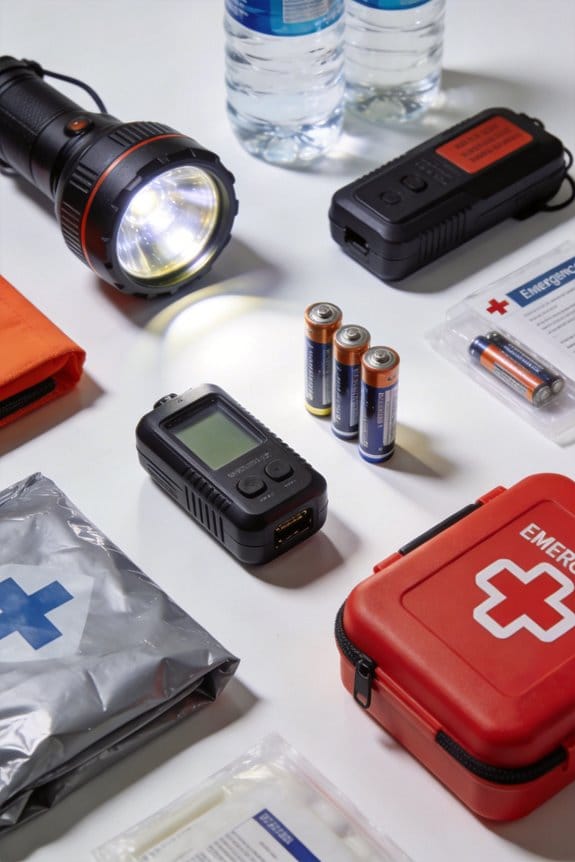
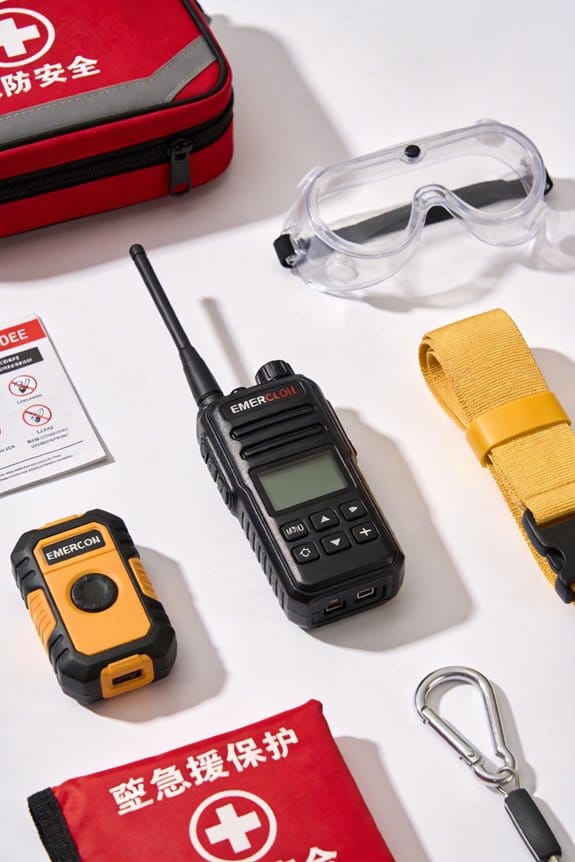
Also, having a properly stocked comprehensive emergency survival kit can enhance your preparedness by ensuring you have reliable tools and supplies alongside your food and water reserves.
Keeping an Accurate Inventory of Emergency Supplies
Ever think about what would happen if an emergency hit while you’re unprepared? Keeping an accurate inventory of your emergency supplies can make a world of difference. Tracking what you’ve got and when it expires ensures you’re ready when it counts. Creating a simple inventory sheet that notes stock levels and warns you when items are running low isn’t just smart—it’s necessary.
Try this: Use a spreadsheet or even a paper checklist—whatever works for you. It’s all about staying organized. Make sure to update your inventory every six months. Why? This helps you spot any gaps in supplies and keeps you from buying more than you need.
When it comes to water, here’s the trick: Store it in food-grade containers and make it a habit to swap it out every 12 to 18 months. This way, you’re always confident it’s safe to drink.
You should also ensure your emergency food supplies provide approximately 2,400 calories per person to meet daily energy needs effectively.
So, why does this matter? Having an accurate inventory means you’re not scrambling at the last minute when a crisis arises. Just think about how much peace of mind you’ll have knowing you’re prepared.
How to Regularly Review and Refresh Your Emergency Stockpile
Regularly reviewing your emergency stockpile is crucial. You never know when you might need those supplies, and keeping everything in check ensures you’re prepared for unexpected situations. I recommend doing inventory checks every six months. Focus particularly on expiration dates; it’s a must to toss out anything that’s gone bad. Keeping a detailed inventory sheet is also helpful because it allows you to track quantities and know exactly what needs restocking.
Try incorporating stored foods into your regular meal planning. This not only helps rotate your supplies but also ensures that nothing goes to waste. Ever had a can of soup sit on the shelf for years? You can avoid that! Additionally, give your food storage areas a good wipe-down and inspect them every few months. This helps ward off any pesky pests and gives you a chance to assess the state of your supplies.
And here’s something people often overlook: bottled water. You should replace it every 12 to 18 months, especially if it’s been exposed to heat. It might seem like a hassle, but fresh water is vital in an emergency. Also, storing your food kits in cool, dry locations can significantly extend their shelf life and maintain quality.
In short, keep your stockpile in shape, and you’ll be ready for anything! How often do you check your supplies?
How to Rotate Water Supplies to Maintain Freshness?
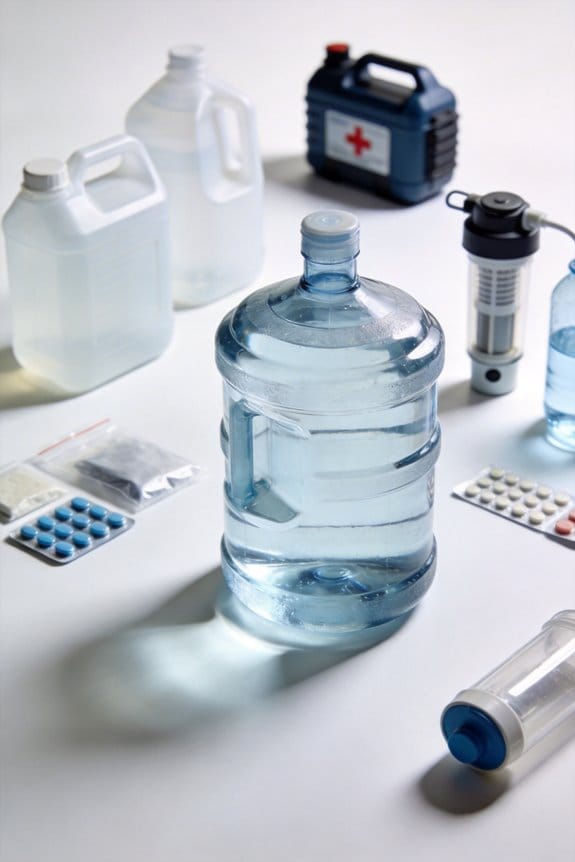
Have you ever found yourself in a situation where you realize your emergency water supplies aren’t as fresh as you thought? It’s not just about having enough; it’s about keeping what you have safe and drinkable. Storing water in food-grade containers is a must. This step can prevent contamination and keep your water safe for your family.
When it comes to bottled water, it’s essential to switch it out every 12–18 months, especially if it’s been sitting in a hot garage or out in the sun. That stuff can go bad faster than you think! If you recycle your reusable water containers, plan to clean and refill them every six months. This simple act can guarantee you’re drinking quality water.
Wondering how to keep track of everything? Implementing a simple inventory system allows you to rotate your supplies, always using the older stock first. It’s a win-win: you stay organized and ensure freshness.
Here’s a quick tip: Rather than just tossing out old bottled water, consider re-purposing it for your pets or using it to water plants. It cuts down on waste and gives your water a second life. And don’t forget to check those expiration dates on labels—better safe than sorry!
Additionally, since emergency kits like the Seventy2 Survival Kit emphasize regular checks on expiration dates, integrating this habit into your water supply rotation system is crucial for maintaining safety and readiness.
Incorporating Emergency Foods Into Daily Meal Planning
Incorporating emergency foods into your daily meal plan can be a real lifesaver, especially when it comes time to use up stocks before they go bad. Plus, it gets your family more familiar with these staples so they’ll know what to reach for in an emergency. It’s easy to start—try including canned goods, rice, or beans in your meals at least once a week. You can create fun and diverse menus that mix fresh ingredients with these dry foods, keeping dinner exciting and nutritious.
When you batch cook these emergency staples, it not only saves time during busy weeknights but also helps cut down on waste. A little organization goes a long way; label and categorize your emergency food items in the pantry. This way, you’ll have an easier time incorporating them into your everyday meals. And don’t forget to get the whole family involved—encourage them to brainstorm meal ideas. After all, meals should be appealing to everyone while also boosting your emergency preparedness.
Here’s the trick: Rotate out your stocks regularly to keep everything fresh! Doing this not only keeps your pantry ready but also helps you discover new ways to enjoy these ingredients. So, why not make it a fun family challenge? Each week, try to create a meal around a specific emergency food item. It’s also important to maintain easy accessibility and organized storage, similar to the storage design principles recommended for emergency kits to enhance efficiency in urgent situations.
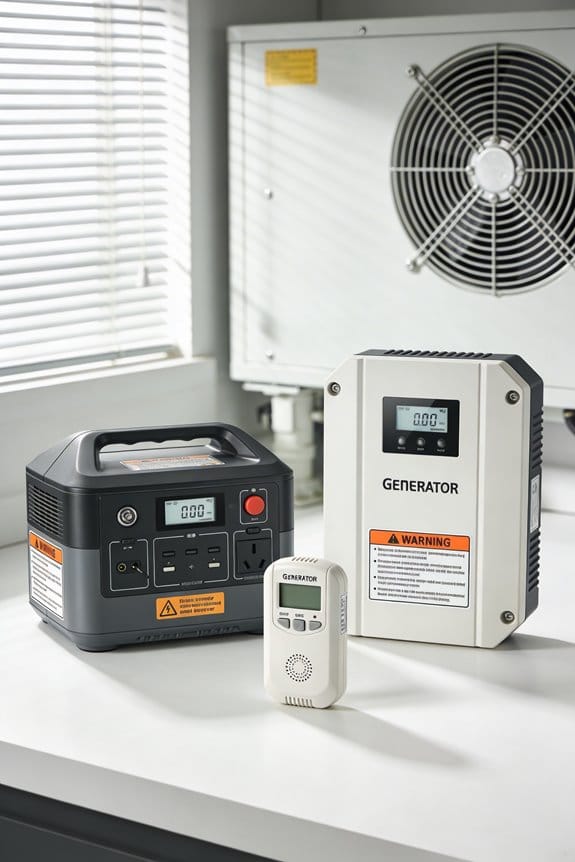
Preparing for Power Outages: Essential Food and Water Considerations
When you think about power outages, one of the first things that comes to mind is how to keep your food and water safe. It’s a real headache, right? Here are some straightforward tips to help ensure you don’t end up with spoiled groceries or a thirsty family.
First off, you want to keep those refrigerator and freezer doors shut as long as possible. If you can resist the urge to peek inside, food can stay safe for about four hours that way. After that, if things warm up above 40°F for more than two hours, it’s time to toss perishable items. Trust me, it’s not worth risking foodborne illnesses!
You might want to consider using dry ice if you’re facing a longer outage. Just 25 pounds of it can keep your freezer cold for three to four days if you handle it right. That’s a solid move if you’re expecting the lights to be out for a while.
Canned foods? Be sure to wash those cans before opening, and don’t even think about using any that show signs of damage or spoilage. It’s a simple step that can save you a lot of trouble down the line.
As for drinking water, it’s vital to store it correctly. Use food-grade containers and make a habit of replacing the water every 12 to 18 months. If you’ve got kids, you know how quickly they can go through your stash, so keep an eye on it!
Consider having a compact survival kit on hand that includes water purification tools and emergency rations to supplement your stored supplies during extended outages.
Frequently Asked Questions
How Often Should You Rotate Your Emergency Water Supply?
We should rotate our emergency water supply every 6 to 18 months, depending on container materials. This not only meets hydration needs but also guarantees proper purification methods are utilized throughout our emergency planning.
How to Rotate Stored Food Effectively?
Isn’t it wise to prioritize freshness? We should use FIFO for food shelf life, track storage temperatures, apply canning techniques, utilize freeze drying methods, and apply good inventory management and best packaging for effective food rotation.
What Rotation Method Should Be Used for Food Storage?
We should use the FIFO system for food storage. By utilizing food labels, bulk purchasing, and proper storage containers, we can maximize shelf life while ensuring nutrient preservation for the foods we rely on during emergencies.
What to Stockpile in Case of WW3?
In light of global tensions, we should strategically stockpile survival necessities like non-perishable foods, water, and comfort snacks. Food preservation and emergency preparedness are essential; we’re all in this together, ensuring our families’ safety.