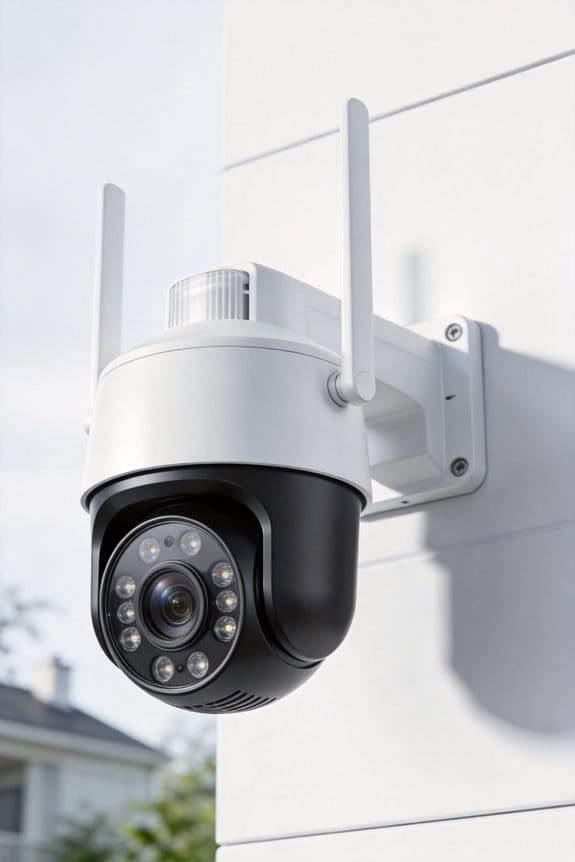

Weather conditions considerably affect outdoor security cameras, impacting their performance and reliability. We’ve found that rain can blur images, while extreme temperatures can cause battery failure. For instance, cold below -4°F or heat over 90°F can degrade functionality. Snow and ice can obstruct lenses and freeze components. We recommend using weatherproof-rated cameras and regular maintenance checks, especially after storms. Understanding these challenges can help guarantee effective surveillance. Stick around to discover more tips on optimizing camera performance.
Key Takeaways
- Weather-related issues account for approximately 40% of outdoor camera failures, making environmental factors critical for performance.
- Extreme temperatures can cause battery failures, with cold and heat severely affecting lithium battery life and functionality.
- Rain and humidity can lead to blurred images and internal condensation, necessitating waterproof housing for protection.
- Wind can cause instability, so using vibration-resistant mounts and surge protectors is essential during storms.
- Regular maintenance and inspections after adverse weather are crucial to identify and address potential equipment issues.
Why Weather Matters for Security Cameras
You may be interested
Have you ever thought about how the weather affects outdoor security cameras? It’s something you don’t often consider until you’re dealing with a malfunction or blurry footage. Extreme temperatures can really mess with battery performance, causing them to overheat or freeze up completely. Believe it or not, around 40% of outdoor camera failures are actually tied to weather-related issues. That’s a significant reason to choose your equipment wisely.
Cameras with IP66 or IP67 ratings are a smart pick. These ratings mean your camera’s got some serious protection against dust and water, which is crucial. No one wants to deal with condensation creeping inside the lens and ruining their footage. To keep everything running smoothly, regular maintenance is key. You’ll want to make it a habit to check the camera’s placement and performance, especially when the weather turns nasty. Otherwise, you could end up with a blocked lens or poor video quality during a storm.
Here’s the trick: always opt for cameras with higher IP ratings. It makes a real difference! And don’t forget to perform those monthly checks on your outdoor setups. It really can save you a headache down the road. Many models with IP65 ratings are designed to operate reliably across a wide range of temperatures and weather conditions, ensuring consistent performance.
The Impact of Rain and Weather on Camera Performance
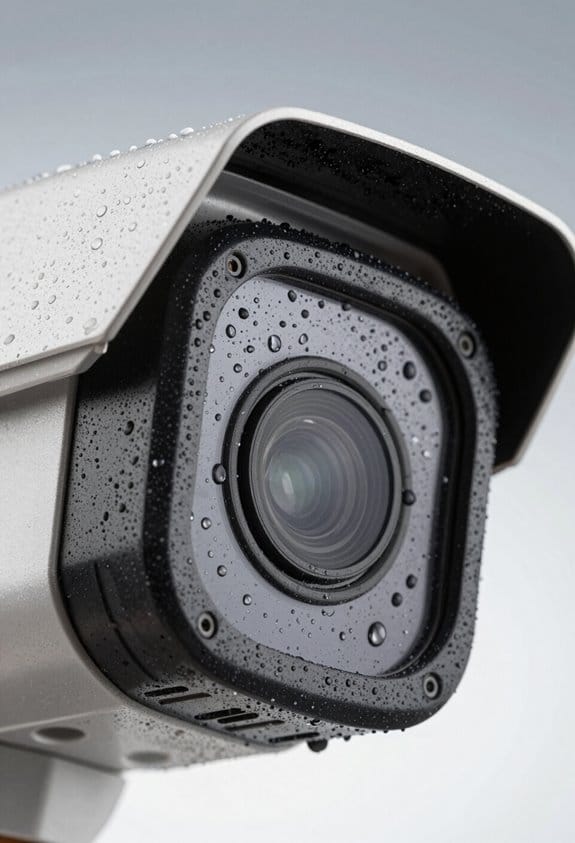
Rain can really mess with your outdoor security camera‘s performance, and trust me, I’ve seen it firsthand. When water droplets gather on the lens, you end up with blurry images that can put a serious dent in your monitoring efforts. It’s frustrating, right? If your camera isn’t rated for waterproofing, like IP66 or IP67, heavy rain could even cause internal damage. And let’s not forget about humidity—it can lead to condensation inside the lens, which just makes the problem even worse.
So, what can you do to protect your camera? Try positioning it under eaves to shield it from direct rain. Another great option is to invest in weatherproof housings. Not only do these tips help improve video quality, but they also boost the durability of your camera in wet conditions. This means you can keep an eye on things, no matter the weather.
Honestly, maintaining your outdoor security setup in a stormy climate can feel like a hassle, but with a little preparation, you’re setting yourself up for success. By taking these simple steps, you can ensure your surveillance stays reliable, even when the skies open up. Have you thought about how the weather impacts your outdoor security setup? Choosing cameras with a high IP65 weather resistance rating is crucial for long-term outdoor performance.
Recommended Products

Solar-Powered & Panoramic View Camera: With a removable solar panel, experience always on solar camera security outdoor. Control solar security camera pan & tilt to view your world from every angle. The non-stop power supply and full coverage view design give you 365-day protection and ensure your home's safety.
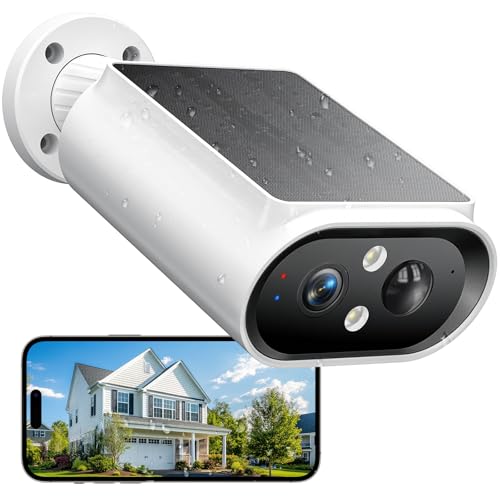
【Solar Powered & Easy Installation】: This outdoor camera wireless has a compact and lightweight design, not only makes installation easy, but the included solar panel also fully absorbs sunlight. With a built-in 5000mAh battery, a single charge can support up to 6 months uses. The modular solar panel continuously charges the built-in battery. Just 2 hours of direct sunlight per day provides enough power for the camera to operate all day, and archieve to no need to recharge for 365 days.

2K HD Live Video, Picture & Color Night Vision: The security cameras wireless outdoor provide a degree wide angle, 2K quality video and image. Regarding night vision, it has two modes, full color night vision and infrared night vision with a 33ft visible range. Whether it is night or day, it will provide a clear wide video of any area you wish to monitor. With the included app, the system’s live or recorded video can be accessed anywhere at any time. (Not support 5GHz WiFi)
How Extreme Weather Temperatures Affect Camera Functionality
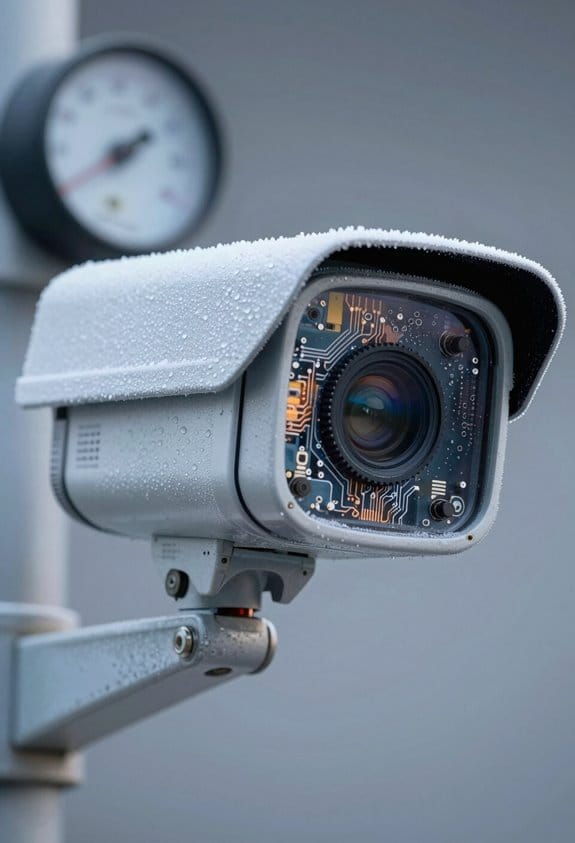
Outdoor security cameras can be just as affected by extreme weather as they are by rain. If you’ve ever noticed your camera struggling in the cold, you’re not alone. Cold weather can zap battery life pretty quickly—especially when temperatures dip below -4°F. That can lead to some unfortunate malfunctions. Plus, when it freezes, condensation can form on the lenses. This can block your view and may even harm the camera’s insides.
On the flip side, hot temperatures can also cause headaches. If it gets over 90°F, lithium batteries can start to break down, shortening their lifespan. So, what can you do about it?
Try this: invest in outdoor cameras that come with weatherproof housing and a good IP rating. These features really do help protect against both the heat and cold. Look for models that also have built-in heaters if you live in chillier areas.
- Confirm your cameras function well in the ideal temp range of -30°C to 60°C.
- Regular maintenance is key. A little upkeep can go a long way to prevent problems during those extreme temperature swings.
For continuous monitoring, consider systems with solar-powered security cameras to reduce reliance on batteries affected by temperature extremes.
Honestly, it’s all about finding the right gear for the conditions you face. And remember, keeping an eye on your cameras’ performance will save you a lot of trouble down the road. So, how prepared are you for the next temperature swing?
Recommended Products

Outdoor 4 is our most affordable wireless smart security camera yet, offering up to two-year battery life for around-the-clock peace of mind. Local storage not included with Sync Module Core.

360° Visual Coverage & 1080p Full HD Live View: Provides 360° horizontal & 130° vertical range to cover every corner. Reveals clear and sharp images with more details.

🏆 【Improved Features for 2026】 2K UHD video & full-color night vision, free cloud storage, support for 2.4G & 5G WiFi, 1-6 months battery life, work with Alexa, IP66 waterproof and dustproof. Cameras for Home Security
Snow and Ice: Challenges for Outdoor Cameras
Snow and ice can really throw a wrench into your outdoor security camera plans, can’t they? If you’ve ever looked at your camera covered in snow or frozen over with ice, you know it can severely impact how well it performs. A thick layer of snow can block the lens completely, cutting off your view. And with ice forming on moving parts, especially those PTZ cameras, it can freeze them up and keep them from moving when they need to.
Plus, reflective snow can cause pesky glare that messes with the image quality. If your cameras don’t come equipped with fog-clearing or de-icing features, they can end up with foggy or frozen lenses—definitely not what you want when you’re trying to keep an eye on things.
So, what can you do about it? Here’s the trick: try positioning your cameras under eaves. This simple change can limit how much snow and ice build up on them. You could also consider getting protective enclosures. These little tweaks can make a big difference, helping your cameras function much better through the winter months.
In a nutshell, keeping your cameras clear and operational during harsh winter weather doesn’t have to be a headache—just think ahead about how you position them. What steps are you taking to ensure your outdoor cameras can handle whatever winter throws at them? Choosing cameras with an IP66 rating ensures better durability and weather resistance to withstand snowy conditions.
Recommended Products

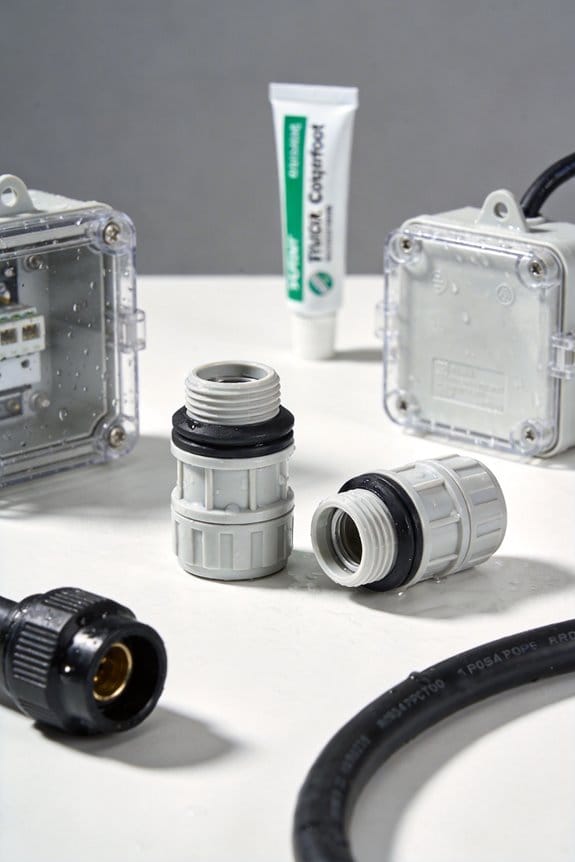
Applicable to Multiple bracket camera junction box, you can use Bullet camera、Dome camera and solar panel brackets to collect the excess wires

【ABS & Stainless Steel】Joisyoya clear outdoor electrical box is crafted from quality PC/ABS material, and with easy-to-operate 304 stainless steel latches and wall mount brackets. Provides superb shock resistance and electrical insulation. Its clear cover design enables you to conveniently check on the equipment inside without the need to frequently open the box

How to Protect Cameras From Wind and Storm Risks
When it comes to keeping your security cameras safe from wind and storms, you’ve got to think about how harsh weather can throw a wrench in their performance. You want your outdoor surveillance to work without a hitch, so here are some real-life tips you might find useful:
First off, consider using vibration-resistant brackets. These really help keep your cameras steady, especially when strong winds come whipping through. There’s nothing worse than shaky footage when you need to catch important moments.
Another solid idea is to install your cameras in sheltered spots. This will cut down on their exposure to flying debris, which can block the lens or damage the weatherproof casing. Think about overhangs or areas that naturally shield against the elements.
Don’t forget about surges! Lightning can wreak havoc on your electronics, so adding surge protectors and making sure everything is properly grounded can save you a ton of trouble down the line.
And here’s a key point: make it a habit to do regular inspections after storms. This is your chance to check for any loose screws or potential damage. It can really help you avoid problems in future weather events.
Additionally, choosing cameras with a high weatherproof rating ensures better durability under harsh environmental conditions.
Recommended Products

【EASY INSTALLATION】 Simply screw the base into 4-inch ceiling round or octagon electrical box (not square or rectangular), connect your conduit, and hang your device

Built Tough: Made from 1.2 mm thick steel, this gutter mount features anti-slip serrations that increase gripping force for a more secure hold. The sturdy construction helps keep your security camera stable and reduces shifting caused by wind or vibration.

Stable Metal Support: Heavy duty metal security camera mount bracket keeps the camera firmly in place after installation, reducing vibration from wind or daily use. Built for long-term stability on walls or ceilings in both indoor and outdoor environments.
Fog and Humidity: Challenges for Clarity and Visibility
Fog and humidity can really throw a wrench in the works when it comes to the clarity and visibility of your outdoor security cameras. Think about those foggy mornings when you can barely see a few feet in front of you. It’s a tough situation, but that’s where infrared cameras come into play—they can capture clearer images even when visibility is low, making them a smart choice for any home.
But it’s not just fog to worry about. High humidity often leads to moisture building up on your camera lenses, which can fog them up and block your view entirely. So, what can you do? Here are a few tips that can help:
- Choose cameras with anti-fog features. These are designed to reduce lens fogging.
- Make sure cameras are installed in well-ventilated areas to prevent condensation from forming.
- Don’t forget about regular maintenance—clean those lenses and check for moisture!
Truth is, taking these simple steps will help keep your cameras functioning well no matter the weather. It’s about making sure you can see what’s happening outside, even on those murky days. Additionally, selecting cameras with color night vision can further improve image clarity in poor visibility conditions.
Recommended Products

Outdoor 4 is our most affordable wireless smart security camera yet, offering up to two-year battery life for around-the-clock peace of mind. Local storage not included with Sync Module Core.

📌【Why Choose Us?】 Millions of families trust realhide for hassle-free, reliable home security. From easy setup to long-lasting battery and smart alerts, we make protecting your home effortless — because your peace of mind matters most.

Blink Outdoor 4 Floodlight Camera features 700 lumens of motion-triggered LED lighting, HD live view, wire-free install, and real-time alerts for around-the-clock peace of mind.
Frequently Asked Questions
Does Cold Weather Affect Outdoor Cameras?
Cold weather does impact outdoor cameras, with snow coverage leading to lens fogging and reduced battery efficiency. Staying mindful of temperature thresholds and installation tips can enhance housing durability, infrared performance, and maintain image clarity for effective motion detection.
What Is the Most Likely Reason for IP Surveillance Cameras Losing Power on Hot Days?
On hot days, we often see IP surveillance cameras losing power due to overheating issues. Factors like insufficient heat dissipation, poor equipment insulation, and strong sunlight exposure lead to thermal shutdowns, affecting battery performance. Regular maintenance tips help prevent this.
Does Rain Affect Security Cameras?
Absolutely, rain can wreak havoc on our security cameras! With lens fogging and image distortion, proper camera housing is essential. Following installation tips and regular maintenance keeps sensors performing well and minimizes risks of water damage.
Does Temperature Affect Camera Quality?
Yes, temperature affects camera quality. Extreme heat can reduce color saturation and frame rate, while cold can cause lens fogging and image distortion. Proper heat resistance helps maintain resolution, sensor sensitivity, and night vision performance overall.