
Understanding flood risk zones helps us protect our homes from potential water damage. High-risk zones, like Zone A, have a 1% annual flooding chance, making flood insurance essential. We can assess risks by checking FEMA flood maps and ensuring our homes are above the Base Flood Elevation (BFE). Pro Tip: Clear drainage systems to manage excess rainwater effectively. By implementing these strategies, we strengthen our readiness. Stick around, and we can explore more ways to safeguard our properties against floods.
Key Takeaways
- FEMA classifies high-risk flood zones, like Zone A, with a 1% annual flooding chance, necessitating flood insurance for homeowners.
- Raising homes above the Base Flood Elevation (BFE) by at least one foot is essential for effective flood protection.
- Implementing dry floodproofing techniques, such as sealing and barriers, can significantly minimize flood-related damage.
- Keeping drainage systems clear helps manage rainwater effectively, reducing water accumulation around a home’s foundation.
- Awareness of flood insurance options, particularly through NFIP, can safeguard finances and enhance recovery after flooding incidents.
Understanding FEMA Flood Zones and Their Risks
When it comes to flood risk zones as defined by FEMA, have you ever wondered how the classifications can impact you and your property? Understanding these zones is crucial, especially since they can influence your insurance requirements and, ultimately, your wallet. High-risk flood zones, like Zone A, have at least a 1% annual chance of flooding, which can lead to some hefty flood insurance premiums. Zones AE and VE also fit into this high-risk category, with VE zones, in particular, being coastal areas that face storm-induced waves. That adds another layer of cost when it comes to insurance.
Then, there are moderate flood zones, like Zone B or shaded X, where the flood risk drops down to about 0.2%. You’re not required to have flood insurance in these areas, but it’s still smart to consider it. It’s all about being prepared and protecting your investment.
So, how can you make sure you’re on top of things? Familiarizing yourself with FEMA flood maps and Flood Insurance Rate Maps (FIRMs) is a great place to start. It can really help with managing floodplain risks and give you some peace of mind.
Honestly, it’s all about understanding your circumstances and making informed decisions. Are you ready to dive deeper into what this means for your home? Having an emergency kit prepared is also a crucial step in ensuring you and your family are ready to respond quickly in case of flooding or other disasters.
Why Flood Insurance Is Essential for Homeowners
Have you ever considered what would happen to your home in the event of a flood? For many homeowners, especially those living in higher-risk areas like Zones A, AE, and VE, flood insurance is not just a good idea—it’s essential. With climate change making floods more common, protecting your property from potential financial devastation should be a top priority.
It’s easy to think that if you’re in a low to moderate-risk area, you’re in the clear, but that’s a dangerous misconception. Did you know that over 20% of flood insurance claims come from those areas? It might feel unlikely, but history has shown us that floods can surprise anyone, anywhere.
When it comes to securing flood insurance, you might want to look into the National Flood Insurance Program (NFIP). Their policies kick in 30 days after you purchase them, ensuring you’re covered when floods hit out of nowhere. It’s a small price to pay for protecting your home from potential losses. Honestly, on average, flood insurance can help reduce your financial losses by about 80% if you adhere to NFIP standards. That’s peace of mind you can’t overlook.
Think about it: if a flood were to damage your property, how would that impact your life? Making sure you have coverage can mean the difference between financial stability and a tough road ahead.
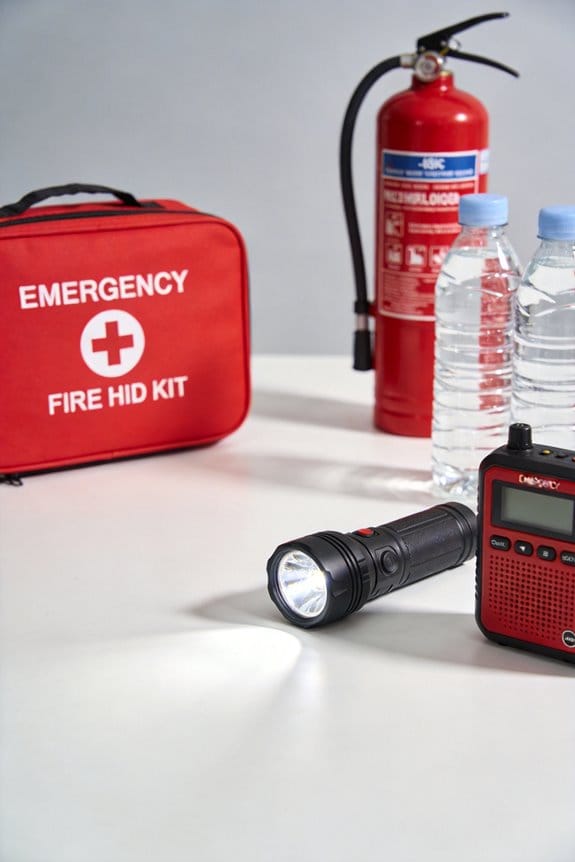
To sum it up, flood insurance is vital, regardless of where you live. It’s about being proactive to protect your biggest investment. You might also consider preparing a durable emergency kit to help you stay safe and self-sufficient in case of disaster.
So, what steps are you taking to ensure your home is adequately protected?
How to Assess Your Property’s Flood Risk?
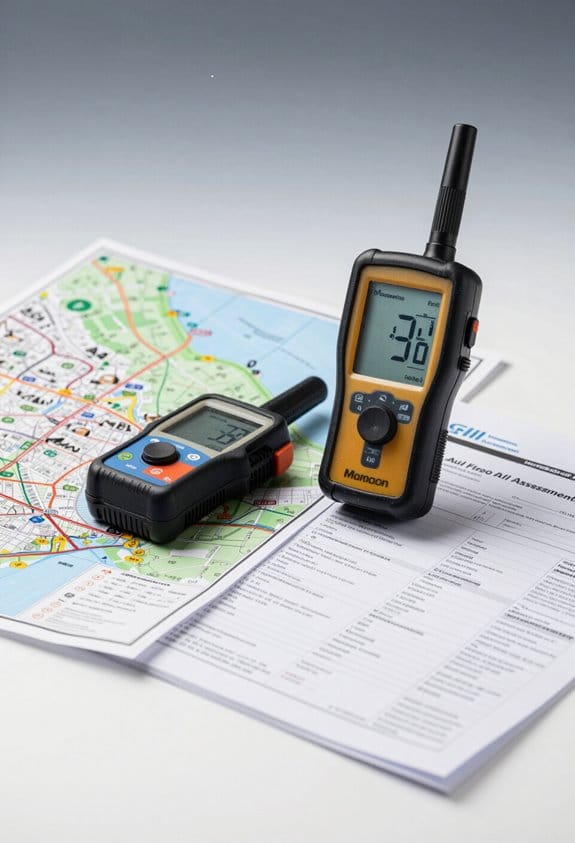
Have you ever wondered just how safe your property is from flooding? It’s a real concern, especially if you’ve already taken the step of securing flood insurance. You might think you’re covered, but understanding your flood risk can make a big difference in protecting your home and your peace of mind.
Start by checking out FEMA’s Flood Insurance Rate Maps (FIRMs). These maps will show you your flood zone designation, and knowing this helps you gauge your level of risk. It’s pretty straightforward—just enter your address and see where your property stands.
Beyond that, consider using the Flood Factor® tool. This is where things get interesting! This tool provides a detailed assessment that factors in changes like sea level rise. It’s like having a crystal ball for potential flooding, which can be quite helpful when you’re planning for the future.
So, why does this matter? Because the more you know about your flood risk, the better you can prepare. This might mean making adjustments to your insurance or even considering physical changes to your property.
In short, take the time to assess your property’s flood risk. Knowledge is power, and you don’t want to be caught off guard when the next storm rolls in. Have you looked into your flood zone yet? It’s worth the effort. Installing a home security system can also help protect your property against potential flood damage and other emergencies.
Essential Steps for Protecting Your Home Against Floods
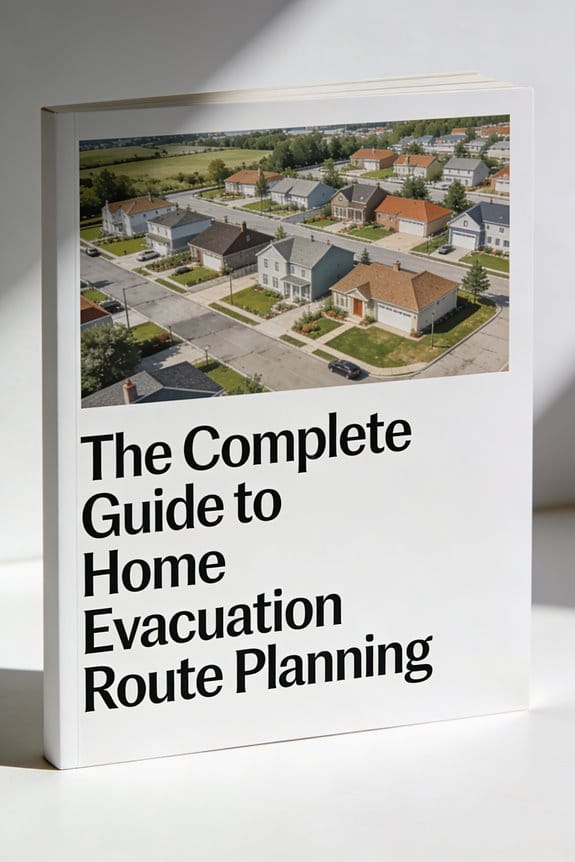
How can you keep your home safe from the risk of flooding? It’s a serious concern for many of us, especially if you live in a high-risk area. One step to consider is raising your home above the Base Flood Elevation (BFE). FEMA suggests going at least a foot above this level to create a safety buffer.
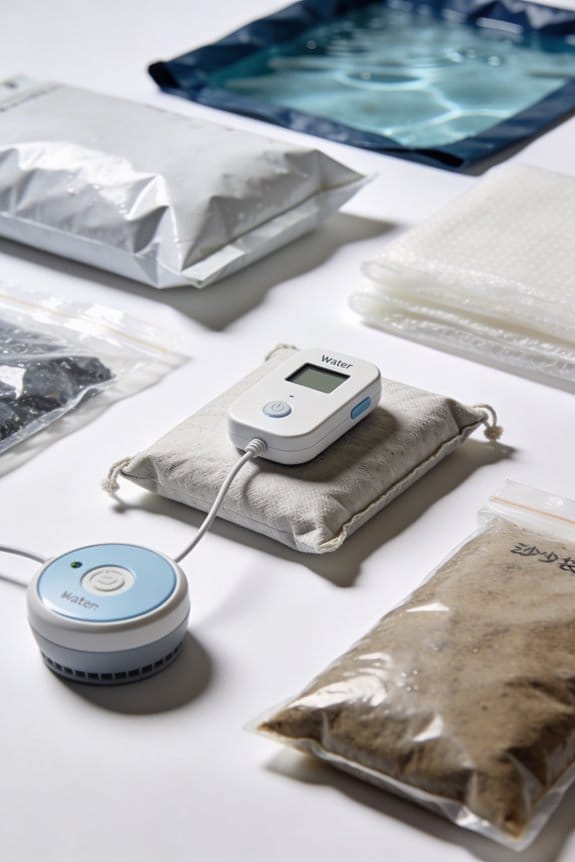
Dry floodproofing is another practical strategy you might want to try. This could involve sealing walls and putting in flood barriers to help keep water outside during heavy storms. Also, don’t forget about your drainage systems! Keeping gutters and downspouts clear will ensure they direct rainwater away from your foundation, reducing the chances of water collecting around your home.
When it comes to your yard, think about using materials that can handle excess rainwater. You might find that native plants work well, as they’re often good at absorbing water. Also, permeable pavements can make a big difference. So, why does this matter? Flood-prone landscapes can lead to serious damage and costly repairs down the line.
And let’s not overlook flood insurance. Truth is, over 20% of claims come from areas that might not seem like a flood risk at all according to the Emergency Management Agency. It’s a small price to pay for peace of mind, especially when forecasts warn of heavy rains. For enhanced home safety, integrating a monitoring system with reliable alert response capabilities can provide an additional layer of protection during emergencies.
How to Boost Your Community’s Flood Resilience?
Flooding is becoming a real concern for many of us, and it’s crucial we band together to strengthen our community’s resilience. While it might seem overwhelming, there are several practical steps we can take to prepare for and mitigate the effects of flooding.
So, what can you do? Here are some ideas:
- Start by connecting with local officials to push for federal grants aimed at flood risk initiatives. This funding can help support preventive measures and boost our community’s defenses.
- Consider organizing workshops focused on flood preparedness. You could cover everything from creating emergency plans to discussing various insurance options that can help ease financial worries during a disaster.
- Team up with your neighbors and local businesses to tackle stormwater management. By working together to limit runoff into our sewer systems, we can significantly reduce the chances of flooding in our area.
- Don’t forget to advocate for a community emergency alert system. It’s important that we stay informed during high-risk weather events, which can keep everyone safe and ready to react.
Make no mistake, every effort counts. Taking these steps can really help us bounce back when the weather throws us a curveball. Having NOAA weather radios as part of emergency communication can greatly enhance our preparedness and response capabilities.
Truth is, we’re all in this together. So, what are you waiting for? Let’s start making our community more flood resilient today!
Steps for Recovery After a Flood Event
Recovering from a flood can feel like an overwhelming task, right? But if you break it down into manageable steps, you can get through it more smoothly.
First things first, grab your phone or camera and start taking pictures of the damage. Jot down detailed notes, too—this makes filing insurance claims way easier. Don’t forget to keep in touch with your insurance provider; staying updated on the recovery process is crucial.
Next up, make sure to get a professional to inspect your electrical appliances. You really want to confirm everything’s safe to use after all that water damage. No one wants to deal with surprises down the road.
Mold can be sneaky, so time is of the essence here. You’ve got to start drying out your home within 24 to 48 hours. If you’re unsure about the best cleanup practices, reach out to local authorities. They can guide you on what’s safe and effective.
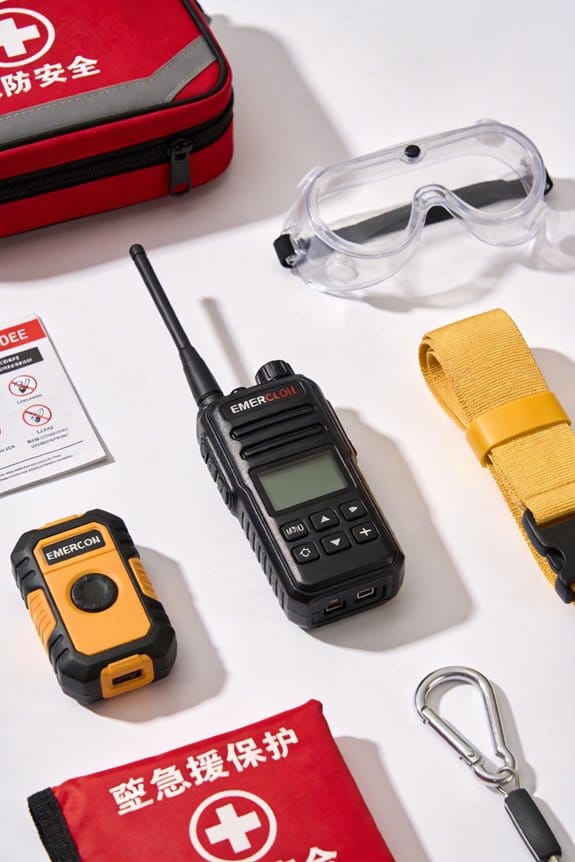
So, why does this all matter? Taking these steps will not only help you recover but also gear up your home against future flood risks. Keeping your space safe and sound is worth the effort. Having a comprehensive survival kit on hand can be an invaluable asset during such emergencies to ensure you have essential tools and medical supplies readily available.
Frequently Asked Questions
How Often Are Flood Zones Updated by FEMA?
FEMA typically updates flood zones every few years through map revisions. These flood zone updates reflect regulatory changes, hazard mitigation efforts, and community outreach, ensuring mapping accuracy for effective flood risk assessment and floodplain management.
Can My Property Be Reassessed for Flood Risk?
Yes, our property can be reassessed for flood risk. We should consider flood zone classification changes, historical data, and local government regulations while staying informed about mapping inaccuracies and flood insurance implications through community planning initiatives and public awareness campaigns.
What Materials Are Considered Flood-Resistant?
We can enhance our properties with flood-resistant materials like concrete blocks, synthetic membranes, and floodproof windows. Using waterproofing techniques, elevated structures, drainage systems, flood barriers, and resilient landscaping aligns with resilient building codes for best protection.
Are There Grants Available for Flood-Proofing My Home?
Yes, there’re various grants available for flood-proofing our homes. We can explore local government grants, federal funding programs, and nonprofit organization support for flood mitigation strategies, including home elevation assistance and low interest loans.
How Do Flood Zones Affect Property Values?
Flood zone designations can greatly influence property value fluctuations. Buyers often factor in insurance premium differences and neighborhood desirability, impacting resale potential. Evaluating investment risk and financing challenges based on flood map interpretation is essential for us.