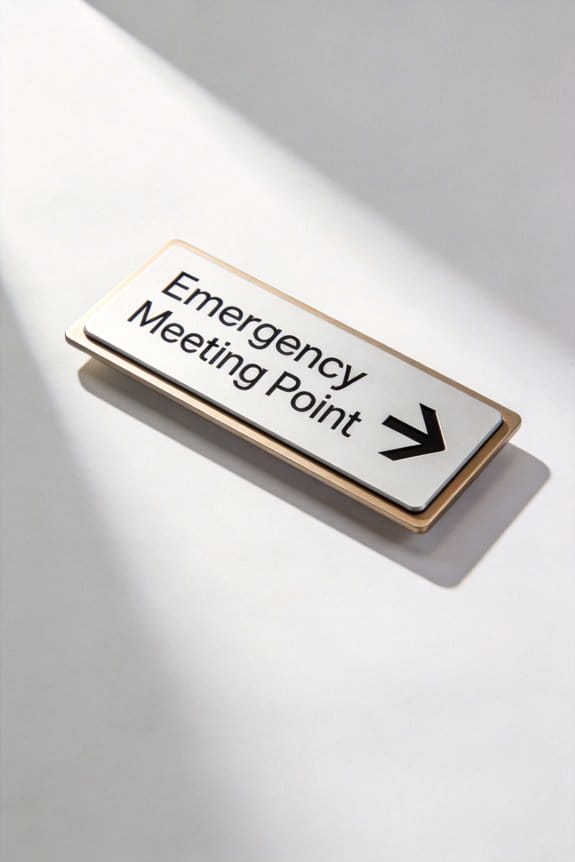

Creating a family meeting point is vital for our safety during emergencies. We should choose accessible locations, both nearby and further away, using recognizable landmarks. It’s important to communicate these locations clearly with all family members and discuss them regularly. Practicing emergency drills at least twice a year helps us stay prepared. We also need to update our plan periodically to adapt to any changes. By doing this, we can guarantee everyone knows where to go during a crisis and enhance our preparedness. If we continue, we’ll explore more essential details to strengthen our emergency strategy.
Key Takeaways
- Select accessible nearby and faraway meeting points, ensuring all family members can easily remember the locations for emergencies.
- Communicate and write down the meeting points during family gatherings, ensuring everyone understands their significance in a crisis.
- Regularly practice emergency drills that simulate various scenarios to enhance readiness and build familiarity with the meeting points.
- Review and update meeting locations every six months to account for neighborhood changes or family relocations.
- Utilize technology for communication, such as text messaging, and designate an out-of-area contact for coordination during emergencies.
Understanding the Importance of a Family Meeting Point
You may be interested


Have you ever thought about what would happen if a disaster struck your home? It’s a scary thought, but having a family meeting point can really ease that anxiety. Choosing a spot where everyone knows to go can make all the difference when things go south. It’s not just about finding your family after a crisis; it’s about ensuring everyone’s safety.
Try this: designate two meeting locations—one close to home and another a bit farther away. This gives you options depending on the situation. Imagine if a fire were to break out close to home; your first point should be easy to get to, while the second can serve as a backup if needed.
Now, let’s talk about communication. You need to share emergency contacts and important info with everyone in the family. When a crisis hits, phone lines can get jammed, making it tough to reach each other. By sticking to your meeting point plan, you cut down on the confusion and stress that can come during those intense moments.
Frankly, it’s not just enough to have a plan. You need to practice it, too. Make a habit of reuniting at your designated spots. This keeps the plan fresh in everyone’s mind and helps ensure that when the time comes, everyone knows exactly where to go.
Honestly, being prepared brings peace of mind. So, take a moment today to sit down with your family and talk about your meeting points. What’s your family’s plan in case of an emergency? It’s worth the conversation. Incorporating a home security system can further enhance your family’s safety by providing real-time alerts during emergencies.
Choosing Your Family Meeting Point
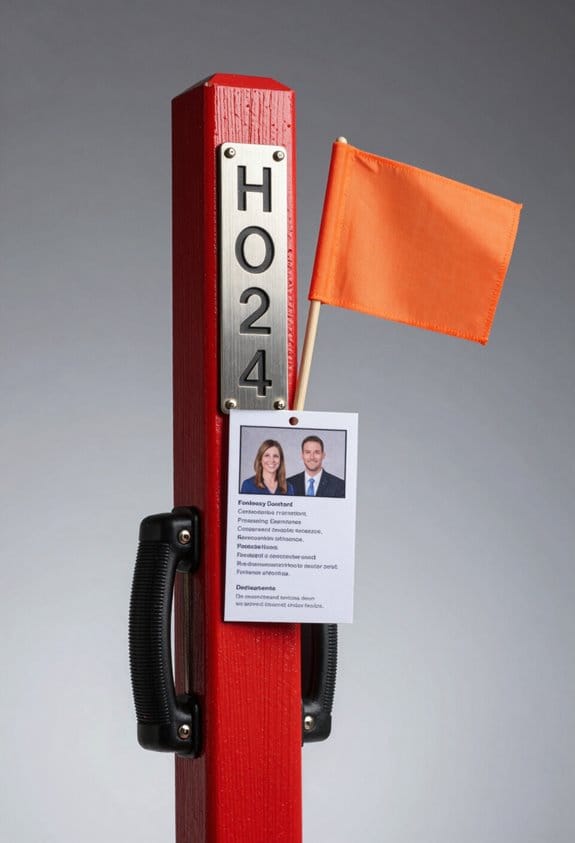
Choosing a family meeting point can be a lifesaver during an emergency, but how do you pick the right ones? Having a spot nearby for quick access is vital, plus you should have another one further away for evacuation scenarios. Make sure everyone in the family knows these spots and how to get there from different locations.
To help everyone remember, think about using recognizable landmarks near your meeting places. These can be anything from a well-known park to a specific store. It’s amazing how a familiar landmark can ease stress when things are chaotic. Regular family drills are a great way to keep everyone familiar with the plan, make it less daunting, and build confidence in your family’s ability to react.
Truth is, planning isn’t a one-and-done deal. You should regularly check on your meeting point information as your neighborhood or family situation changes. Staying ahead of the game means you can communicate easily and be prepared for whatever life throws at you. Have you taken the time to discuss this with your family yet? Make sure your plans include having multiple emergency ponchos stored in various locations to maintain readiness during adverse weather conditions.
Recommended Products

Be Ready for the Unexpected – Whether you're heading to concerts, theme parks, camping trips, or sports games, or stocking your Home Emergency Survival Kits, our disposable rain ponchos for adults keep you dry when the weather changes fast. Each pack includes individually wrapped ponchos for easy grab-and-go convenience

Compact & Portable Convenience: The Protraze family pack includes premium, lightweight, clear ponchos with hoods, each individually sealed in a compact, card-sized package. This space-saving design makes them easy to carry in your pocket, purse, or backpack—perfect for staying prepared during sudden downpours while on the go.

💰★ Extra Thick and Reusable★: - SWOGAA DISPOSABLE RAIN PONCHOS are made from 0.035 mm extra thick PE plastic, making them the thickest disposable ponchos available in the market. These high-quality raincoats can also be reused multiple times.
Communicating Your Meeting Point With Family
When emergencies hit, being able to quickly communicate our family meeting points can really make a difference. So, how can we ensure everyone in the family knows where to go?
– Pick a Meeting Place**: Choose a nearby spot, like a local park, that everyone can easily remember. It’s also smart to have a backup location**, like a community center, just in case things get hectic.
Next, it’s important to talk about these locations during our family gatherings. Make it part of your emergency plan; don’t leave it to chance.
To help, write down the meeting points and pass those along to everyone. Encourage family members to keep them tucked in their wallets or saved on their phones. It’s a simple step that can save a lot of stress later.
Remember, it’s not a “set it and forget it” situation. Regularly review these locations and practice getting to them, especially as storm seasons or other potential disasters approach.
So, why does this matter? When chaos strikes, having a clear plan can keep everyone calm and collected. It’s all about protecting each other and being prepared.
In addition, assembling a 72-hour emergency kit with essentials can support your family once everyone meets up.
In short, make sure your family knows where to go if things get tough, and check in on that plan often. What’s your family’s go-to spot?
Practicing Your Emergency Meeting Drills
When disaster strikes, having a family meeting spot can make all the difference. But just knowing where to go isn’t enough—you gotta practice. Regularly running through emergency drills helps everyone feel comfortable with the location so that when something happens, you can react quickly.
Aim to practice these drills at least twice a year. It’s helpful to mix it up, too. Try different scenarios, whether you’re at home, at the park, or even in your car. This keeps everyone on their toes and prepares you for any situation.
Let’s get into some steps to make these drills effective:
- Don’t shy away from sharing any concerns. Open communication can help everyone feel more secure.
- Add some realism to the drills. Create noise or distractions while practicing to mimic actual emergency conditions. It’s amazing how much more prepared you’ll feel afterward.
Make sure your plan also accounts for having at least 72 hours of supplies available to support everyone during emergencies.
So, why does this matter? Because being ready could truly save lives. Preparing together not only builds readiness but also strengthens your family bond. Remember, it’s not just about the drills; it’s about the peace of mind that comes with being prepared.
Are you ready to start practicing?
Recommended Products
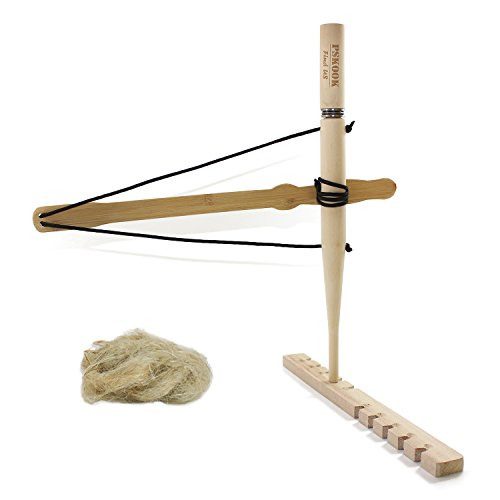
🔥 [EASY-TO-USE BOW DRILL FIRE STARTER KIT] Keep drilling the fire board vertically until producing smoke by friction with the wrapped sting of the bamboo handle, then you can make the fire. Whoever can quickly get started, easily experience and master the primitive fire method.

Full Set of Accessories: In the package for you to prepare the storage bag*1, car tire repair screws*10 (small*5, large*5), threaded drill*1, fork drill*1, art knife*1, tire repair plugs*15. Complete accessories, provide you with convenient solutions, ready to use upon receipt
Including Special Needs in Your Meeting Strategy
Ever thought about what happens during emergencies when not everyone can act the same way? Including special needs in our family meeting strategy is crucial for making sure everyone feels safe and knows what to do. It’s all about looking at each person’s unique needs to adjust our Family Emergency Plan appropriately.
First off, think about where you’re holding your meetings. It’s important to choose places that are accessible for everyone. This means considering wheelchair access for those who might have mobility challenges. If you haven’t already, check out your potential meeting spots to make sure they’re suited for all family members.
Next, clear instructions are a must. Some of your loved ones may benefit from visual aids that help them grasp where to meet and what needs to happen. It can really make a difference when everyone is on the same page, especially in high-stress situations.
And don’t forget to practice drills with the whole family. Seriously, including everyone in these drills is not just good practice; it allows you to see what adjustments might be necessary for those who need extra help. Have you noticed whether someone struggles with certain aspects? That’s your cue to rethink your plan.
To wrap it up, it’s about making sure your entire family is ready for emergencies together. You never know when you’ll need that plan. Have you considered the unique needs in your family when creating your own emergency strategy? Consider integrating customizable security modes into your plan to accommodate the different needs and scenarios of each family member.
Recommended Products

Permanent label makes your Accessibility message clear with English text on a blue backgound

Industrial Grade - One (1) 40-mil wall sign made of durable, ultra-tough & rust-resistant aluminum

ADA-compliant ACCESSIBLE ENTRANCE sign provides visual, tactile and Grade 2 Braille information
Planning for Different Scenarios: Evacuation vs. Shelter
When disaster strikes, do you know if you should stay put or pack up and leave? Planning for emergencies, like whether to evacuate or shelter in place, is crucial for keeping your family safe. The type of disaster can dictate your actions, so it’s important to be prepared. If you find yourself needing to evacuate, have multiple routes ready to get to your meeting place. Be sure to account for possible road closures or hazards along the way.
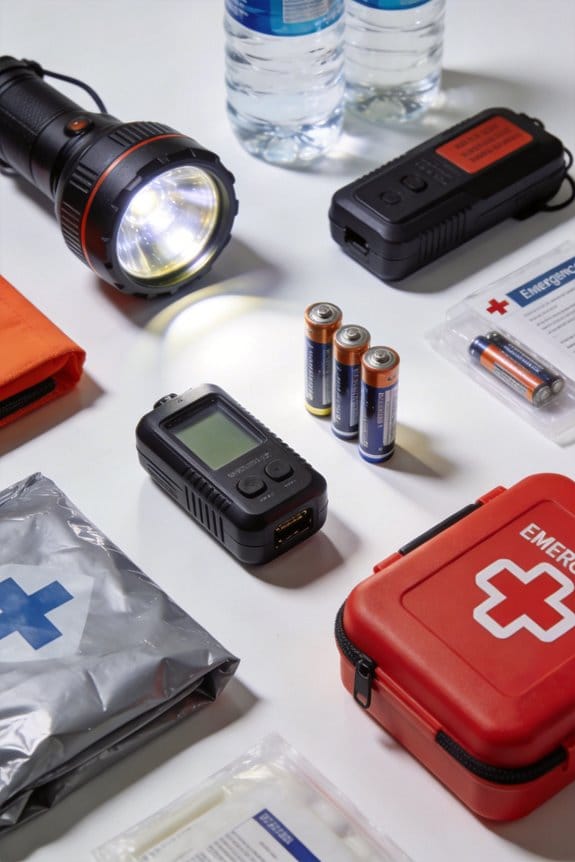
If you decide to shelter in place, make sure your home is stocked with enough supplies to last at least 72 hours. Food, water, batteries, and first aid supplies should be ready to go. It’s also a smart idea to know the locations of local public shelters, just in case you need an alternative option.
So, why does this matter? Because during an emergency, every second counts. Discussing your plan with family and friends is essential. It’s not just about knowing your own role; it’s about making sure everyone can communicate and connect in a crisis.
Truth is, prepping for these scenarios might feel overwhelming, but it’s a small investment of time to ensure your loved ones are taken care of. Have you had a family emergency plan discussion lately? Including indoor security cameras can further enhance your preparedness by providing real-time monitoring of your home’s safety.
Recommended Products

[Preparedness for the Unknown]: While no one can predict when or how severe a disaster or accident will be, our 262pcs survival kit ensures your family’s safety during the critical first 72 hours. Designed for family use, it was developed in collaboration with first responders, doctors, special forces operators, mountain guides. Whether you're preparing for earthquakes, tornadoes, wildfires, or hurricanes, our survival kit provides peace of mind
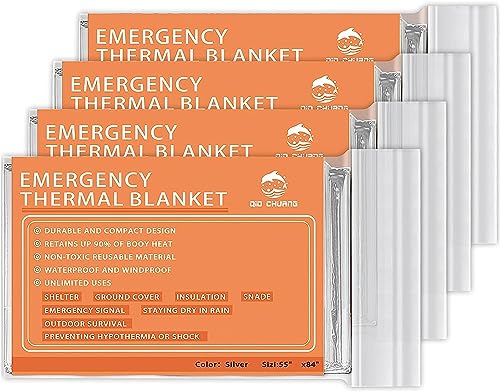
Emergency Mylar Thermal Blankets - Emergency Blanket,Space Blanket,Thermal Blanket,Mylar Blanket,Survival Blanket.Our durable advanced aluminized Mylar blankets are perfect for civilian bug out bags, go-bags, and home/auto emergency kits.

Regularly Updating Your Family Meeting Plan
Updating your family meeting plan regularly is critical, especially since life can throw surprises our way. How often have we seen plans change overnight? That’s why it’s a good idea to check in on our meeting points at least twice a year. Keeping everyone in the loop about these spots helps ensure we’re all ready if something unexpected happens.
Here’s what you can do to keep things on track:
- First off, if someone in the family moves or if your usual meeting spots become a no-go, it’s time to find new ones.
- Think about accessibility, too. Make sure the locations fit everyone’s age and mobility needs; we want to keep it safe and easy for everyone.
- Don’t forget to write everything down! Share these updates with the whole family and keep copies in handy places, like the glove box of your car.
- Use your family discussions on emergency planning as a chance to reassess and tweak the plan based on how things change over time.
- Incorporating organized supplies and regularly reviewing your emergency kit inventory helps maintain readiness and prevents missing essential items during a crisis.
Utilizing Technology for Emergency Communication
When emergencies hit, having a solid way to communicate is crucial. You want to keep your family connected and in the loop. Have you ever tried sending text messages instead of making voice calls? It’s a smart move since texts often go through better when networks get jammed. Plus, consider designating someone who lives out of your area as a contact. This person can help coordinate things if local communications go down.
Here are some tips that have helped many during tough times:
- Keep portable power banks close by. It’s essential to make sure your phones stay charged when you need them the most.
- Use mobile apps and social media to get real-time updates. They can really help you stay connected with loved ones.
- GPS and mapping apps can show you the way to a planned meeting spot. Still, it’s always good to have a physical map on hand, just in case technology fails you.
So, how do you ensure you can reach each other if something goes wrong? Establish a plan that allows you to safely reconnect if you get separated during a crisis. Additionally, incorporating a 72-hour go bag with emergency communication tools can greatly enhance your preparedness.
Recommended Products

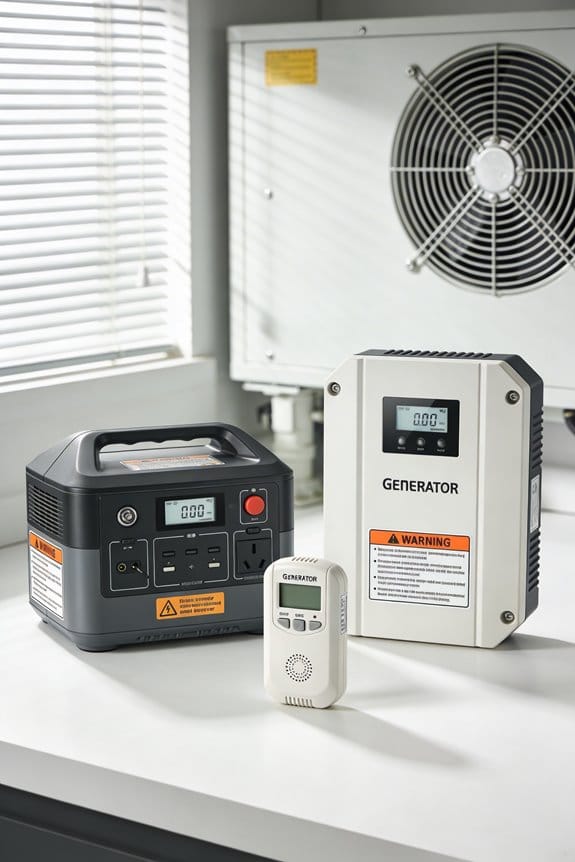
PORTABLE BUT POWERFUL: EnginStar Portable Power Station with ETL Certification, and the portable size of 9 x 5.5 x 7.5 inches, weights only 6.5 pounds, but armed with 296wh capacity and 300W AC output, EnginStar portable power station can provide enough juice to charge your phones, laptop, camera, cpap, drone, etc. Designed with 8 output ports can charge several devices at the same time, which make it a perfect emergency battery, outdoor and camping backup battery

Dust/Water Resistant Charging Brick: Our portable power bank is rated IP67 for dust and water resistance when port cover is securely closed

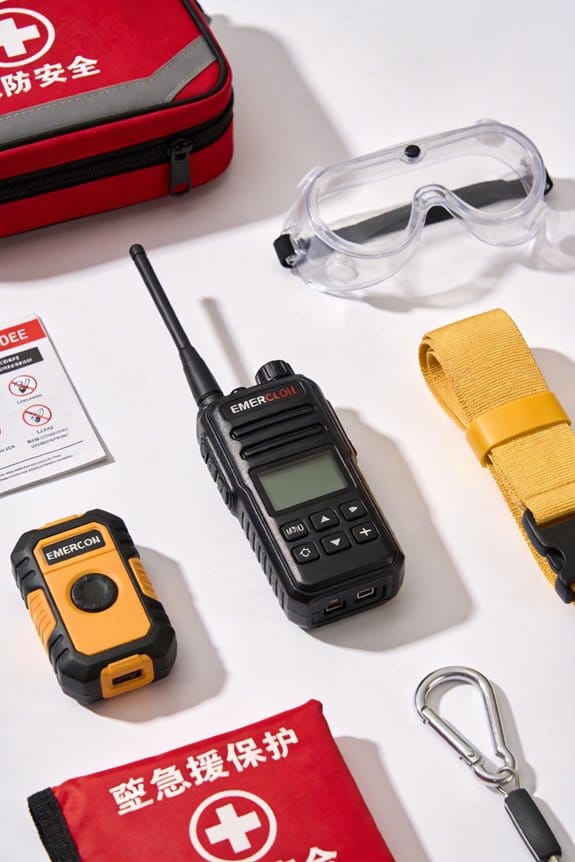
[7400mWh (2000mAh) POWER BANK WILL KEEP DEVICES POWERED] The FosPower FOSPWB-2376 emergency radio incorporates a 7400mWh (2000mAh) power bank capable of providing emergency power to any small tablet or phone.
Frequently Asked Questions
What if Family Members Are in Different Locations During an Emergency?
If we’re in different places during an emergency, we should utilize emergency communication strategies, designated family contacts, and local community resources. Regular family drills can help us understand transportation options and alternative meeting locations, ensuring safety.
How Often Should We Review Our Meeting Point?
We should review our meeting point quarterly, ensuring location accessibility’s fresh in our minds. Through family communication, we can assign roles and discuss alternative meeting spots during emergency drills, sticking to frequency guidelines for effectiveness.
Can We Change Our Meeting Point if Needed?
Yes, we can change our meeting point if needed. We’ll discuss family preferences, consider road conditions, and use technology assistance. Regular emergency drills will help guarantee our communication strategies are effective for everyone’s safety.
What Should We Do if the Meeting Point Is Unsafe?
If our meeting point’s unsafe, we should immediately utilize backup locations identified in our emergency plans. Maintaining communication strategies and doing risk assessments can help us adapt quickly and guarantee family protocols are understood during situation updates.
Are There Any Costs Associated With Establishing a Meeting Point?
Yes, there’re costs involved. We should consider a cost analysis for meeting locations, signage expenses, communication tools, travel arrangements, and safety equipment. It’s wise to budget emergency funds to cover these essential items effectively.