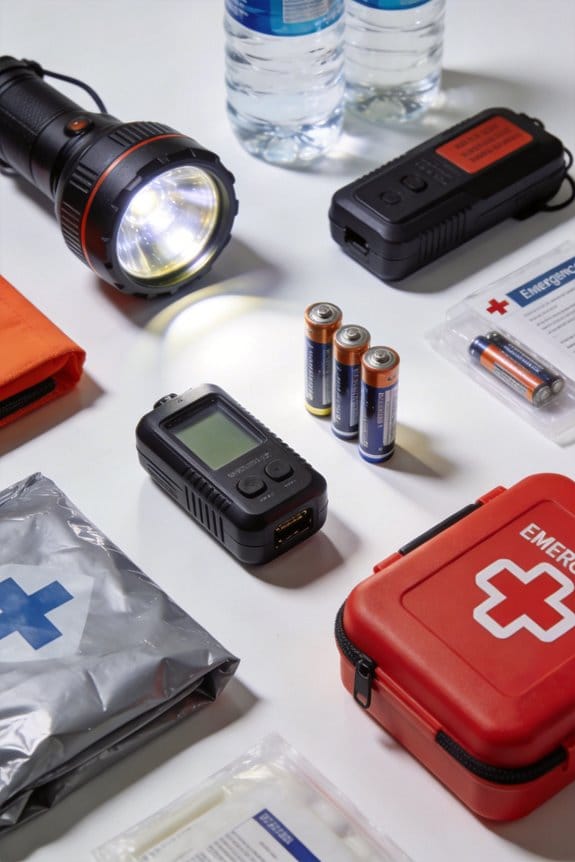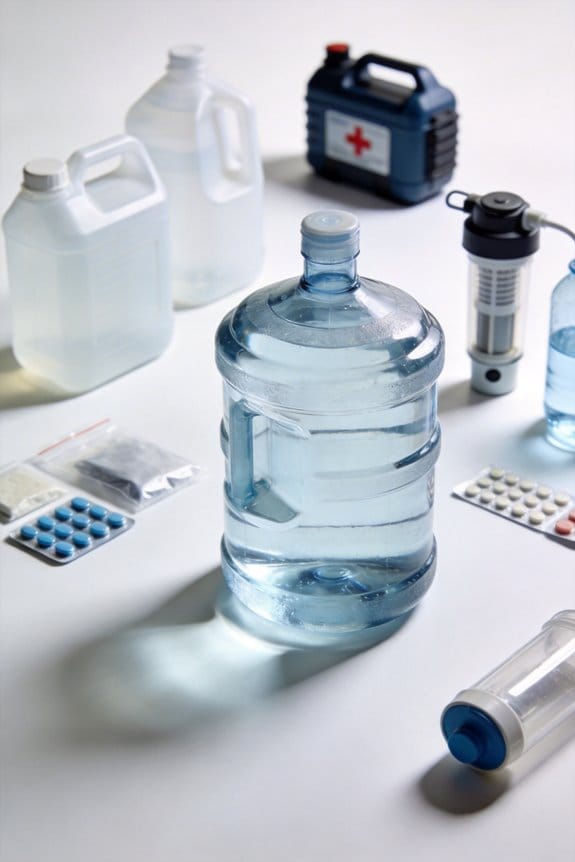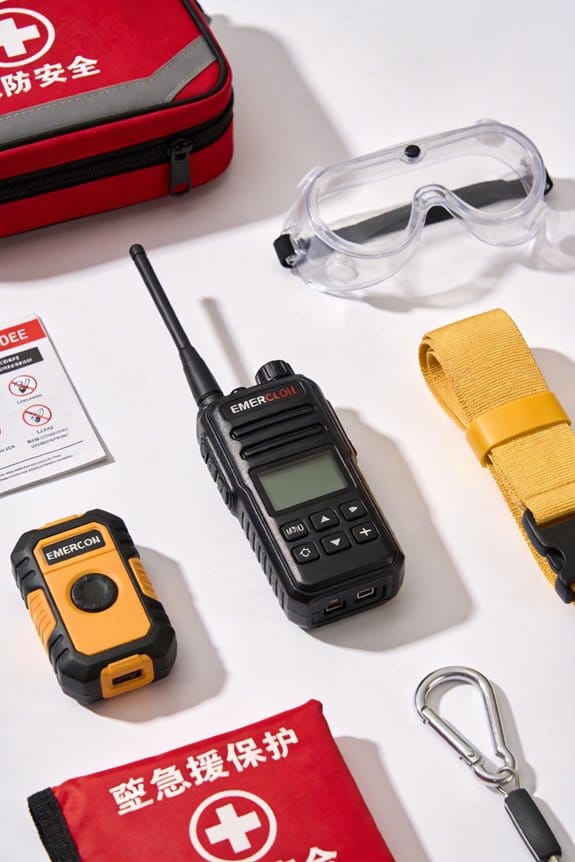
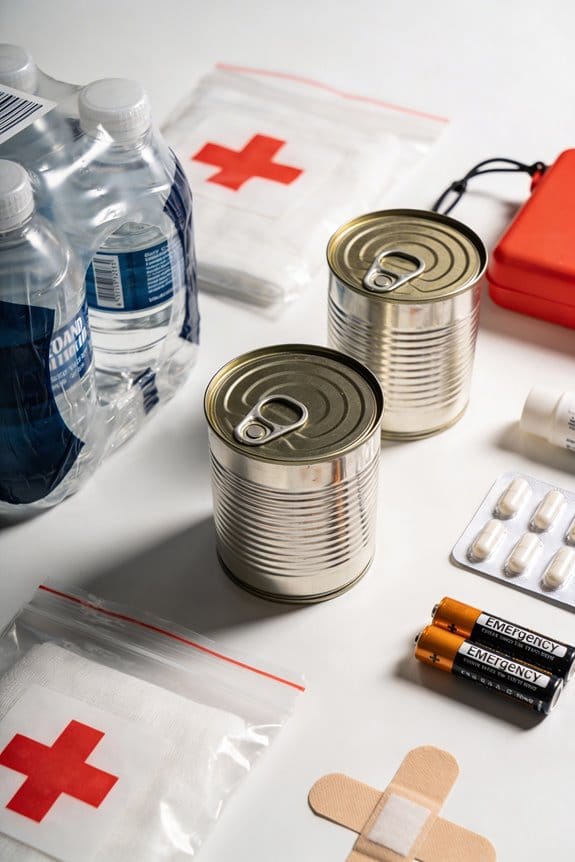

Emergency supplies can last from 2 to 30 years or more, depending on the food type and storage conditions. For instance, canned foods last 2 to 5 years, while freeze-dried options can extend up to 30 years. To maximize shelf life, we should store items in a cool, dark, and dry place, using airtight containers to keep moisture out. Regular checks for expiration dates and damage help guarantee our supplies remain safe and nutritious. There’s more essential information on this topic ahead.
Key Takeaways
- Canned foods typically last between 2 to 5 years, with taste and nutrition diminishing over time.
- Freeze-dried meals can last up to 30 years when properly stored in airtight conditions.
- Dehydrated fruits and grains can remain good for up to 30 years if kept dry in airtight containers.
- Grains like rice and quinoa have a shelf life of around 30 years, provided they are shielded from moisture and light.
- Regularly inspect expiration dates, packaging integrity, and rotate stock to maintain food safety and freshness.
Factors Influencing the Shelf Life of Emergency Foods
You may be interested

When it comes to emergency foods, figuring out how to keep them fresh for as long as possible is crucial. Have you ever thought about why some foods seem to last forever while others don’t? It really comes down to the storage conditions. Cooler temperatures can help extend your food’s shelf life, while warmer temps can speed up spoilage.
Key Factors:
- Moisture Exposure: Too much moisture can ruin your food. Keep it dry!
- Light Exposure: Storing food in a dark place helps preserve its nutrients and flavor. Who wants to eat bland food in an emergency?
- Packaging Used: Vacuum-sealed bags and mylar pouches are ideal for long-term storage since they limit oxidation.
Canned goods typically last around 2 to 5 years, but freeze-dried and dehydrated foods can stick around for a whopping 20 to 30 years if stored correctly. So, why does this matter? Knowing these factors can really help you optimize your food storage and ensure you’re prepared when you need it most.
Truth is, having a solid understanding of how to best store your emergency foods can make a significant difference. Many experts recommend maintaining temperatures between 55-70°F and low humidity for optimal preservation of your emergency food kits. Are you ready to take your food storage to the next level?
Common Types of Emergency Foods and Their Lifespan
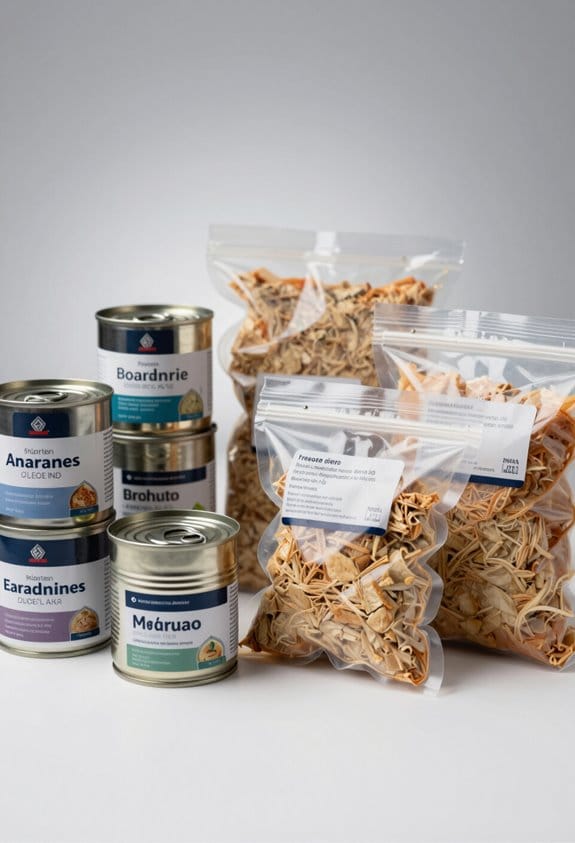
Have you ever thought about what you’d do in an emergency without enough food? It’s a pretty scary thought, right? Knowing what emergency foods are out there and how to store them can make a big difference. Here are some options to keep in mind:
Canned foods are a staple for many of us. They typically last anywhere from 2 to 5 years, but keep in mind that their taste and nutrition can fade with time. It’s not the best plan to rely solely on them for the long haul.
Now, freeze-dried foods are something to consider seriously. They can last an impressive 20 to 30 years if stored properly. This makes them a solid choice for your emergency food stash, offering a variety of options when you need them most.
You might also want to look into dehydrated foods, like fruits and grains. These can hang around for up to 30 years as long as you keep them sealed in airtight containers. Keeping them dry and safe is the key.
And don’t forget about salted and cured meats! When packaged correctly, they can last around 2 to 3 years. It’s a good idea to check the packaging though, so you know it’s sealed well.
Grains are another long-lasting option. Rice and quinoa, for example, can last up to 30 years if protected from light and moisture. This can be a fantastic way to have a reliable source of nutrition at hand.
For the best preservation, consider emergency foods packaged in multi-layer Mylar packaging, which significantly extends shelf life and maintains freshness.
Create Ideal Storage Conditions to Maximize Shelf Life
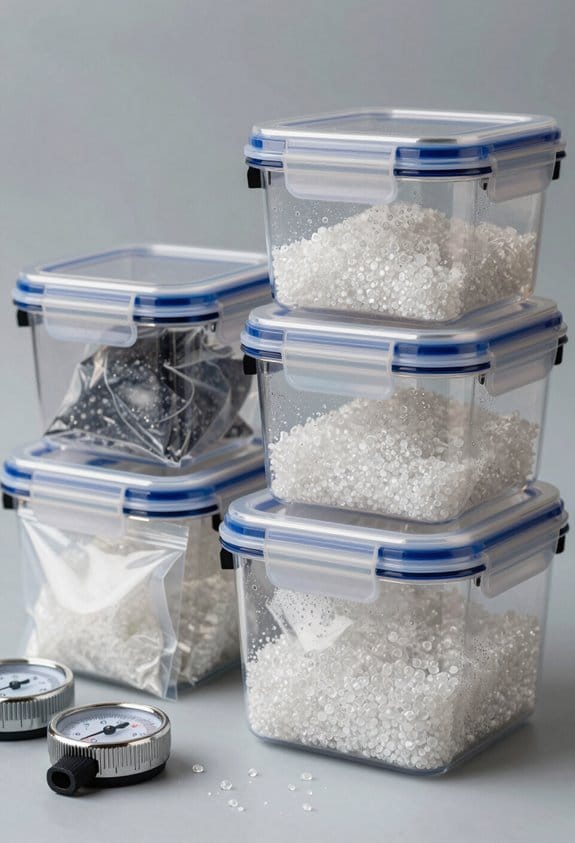
When it comes to keeping your emergency food supplies fresh for as long as possible, figuring out the right storage conditions can feel a bit overwhelming, right? But trust me, it’s crucial if you want to ensure that your non-perishables last.
First off, try to find a cool spot for your food stash. Ideally, aim for somewhere below 75 degrees Fahrenheit. Temperatures above this can lead to spoilage, and nobody wants that. Moisture is another big no-no. Too much humidity can invite mold, which is the last thing you want in your food supply.
Here’s the trick: use airtight containers. Vacuum-sealed bags and Mylar pouches work wonders at keeping air out, which helps prevent your food from going rancid.
Another tip? Keep your food in a dark place. Seriously, light can degrade not just the taste but also the nutritional value of your supplies, and we can’t have that, can we?
Don’t forget to regularly rotate your inventory. Check those expiration dates and make a habit of using the oldest items first to keep everything safe and nutritious.
And here’s a quick pro tip: labeling your containers with purchase dates makes it super easy to monitor freshness.
Also, remember that storing your emergency food in cool and dry conditions extends its shelf life up to 25 years for some products, ensuring readiness when you need it most.
How to Recognize When Emergency Food Needs Replacement?
How do you know when it’s time to refresh your emergency food stash? Keeping it fresh is crucial, and I’ve got some straightforward tips that can help you out.
First off, make a habit of checking expiration dates. It’s a simple task but can make all the difference. Canned goods usually have a shelf life of 2 to 5 years, so give them a look every now and then. As for freeze-dried meals, they’re pretty impressive and can last up to 25 years—just be sure to inspect their packaging at least once a year.
Ever heard of rotating stock? It’s important! Use the older items in your supply first. If something’s getting close to its “best if used by” date, prioritize it. It not only makes good sense but also keeps your emergency food up to snuff.
Another thing to pay attention to is packaging. Are there any dents, holes, or signs of damage? If you spot any, it could mean trouble—those can lead to spoilage or even contamination. Trust me, it’s not a risk worth taking.
And let’s not forget about inventory. Keeping track of what you have is key. I recommend doing a yearly check to assess everything. This way, you’ll be able to spot any items that need replacing due to spoilage or damage.
Additionally, storing your supplies in a durable, wall-mountable case can help protect them from environmental damage and ensure quick access during emergencies.
Effective Strategies for Organizing and Managing Your Emergency Food Storage
Managing your emergency food storage can feel overwhelming at times, right? With so many options and considerations, it’s easy to get lost in the details. But don’t worry, you can keep everything organized and ready when you need it most!
To start off, make sure you’re storing your emergency food in a cool, dry, and dark place. Keeping the temperature below 75°F really helps extend shelf life, which is crucial, especially for long-term supplies. Also, consider using airtight containers like vacuum-sealed bags. They protect your food from moisture and air, which can cause spoilage.
When it comes to organizing your food, here’s a practical tip: arrange items with the shortest shelf life at the front. This makes it so much easier to grab what you need without digging through everything. Plus, don’t forget to routinely check for any damage and track expiration dates. A good practice is to update your inventory at least once a year.
And let’s not overlook the diversity in your stock. Try to include a range of items like canned foods, freeze-dried meals, and high-energy snacks. This variety ensures that you maintain a balanced nutrition during emergencies. So, are you ready to dive in and tackle your food storage?
Remember that survival food shelf life can vary widely, with freeze-dried options lasting up to 30 years when stored properly.
Essential Non-Perishable Foods for Your Emergency Stockpile
When disaster strikes, knowing you have a stash of food can really put your mind at ease. But what should you include in your emergency stockpile? Picking the right non-perishable foods is essential, and I’ve learned a few things that might help.
First off, canned goods are a solid choice. They typically last between 2 to 5 years, but honestly, they can be a lifesaver when things get tough. Plus, they’re easy to store and come in so many varieties—think veggies, soups, and even fruit!
Now, if you want to ensure your supplies last longer, consider freeze-dried foods. They have an incredible shelf life of 20 to 25 years, which makes them great for long-term storage. These options help you prepare for the unexpected without worrying too much about expiration dates.
Dehydrated foods are another fantastic option. When stored correctly, they can last up to 30 years—yes, you read that right! Think about including things like dried fruits and grains to round out your stockpile.
When selecting what to stock, don’t forget about high-calorie options. Granola bars, nut butters, and canned meats can help meet your daily calorie needs—aim for about 2000-3000 calories each day. It’s all about keeping your energy levels up when you might need it most. Variety is key; a mix of different foods helps keep you well-nourished and can boost morale during tough times.
For example, Augason Farms Long Grain White Rice offers a shelf life of up to 30 years and provides a versatile, gluten-free calorie source ideal for emergency preparedness.
Frequently Asked Questions
How Long Should Emergency Supplies Last?
Emergency supplies should last years—not just until we can scavenge for snacks! To survive with ration shelf life, mastering food preservation techniques, inventory management, and sustainable options makes all the difference when disaster strikes.
What to Stockpile in Case of WW3?
To prepare for WW3, we should stockpile food preservation items, water purification supplies, first aid kits, sanitation tools, alternative energy sources, emergency communication devices, and self-defense strategies, while also fostering community support for mutual aid.
Does Survival Food Really Last 25 Years?
Survival food can indeed last 25 years, but it hinges on storage temperature and packaging materials. Testing longevity is key—proper food preservation maintains nutrient retention, ensuring our emergency rations remain safe and nutritious over time.
What Is the Minimum Number of Days Your Supplies Should Last?
Our minimum supply should last at least 14 days to guarantee emergency readiness. Proper water storage, essential items, and food shelf life considerations help with family preparedness during power outages or natural disasters, supporting effective safety plans through supply rotation.