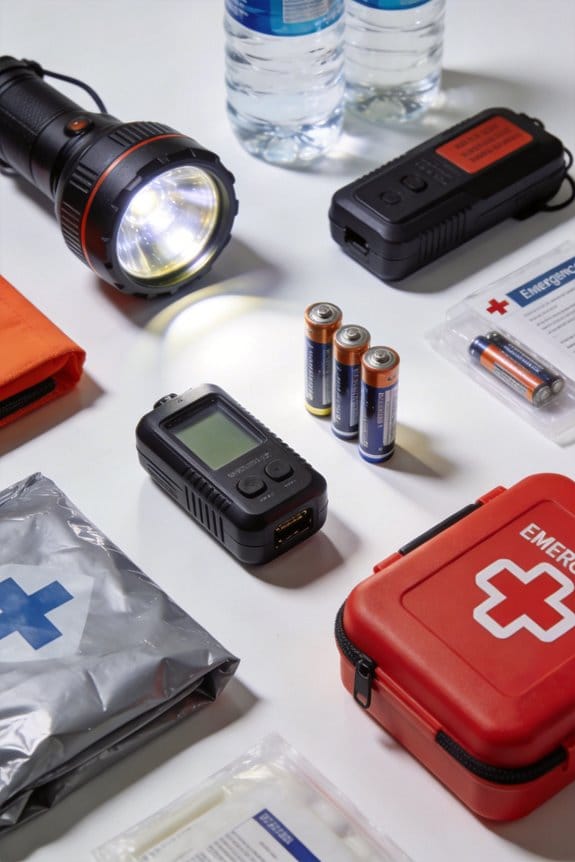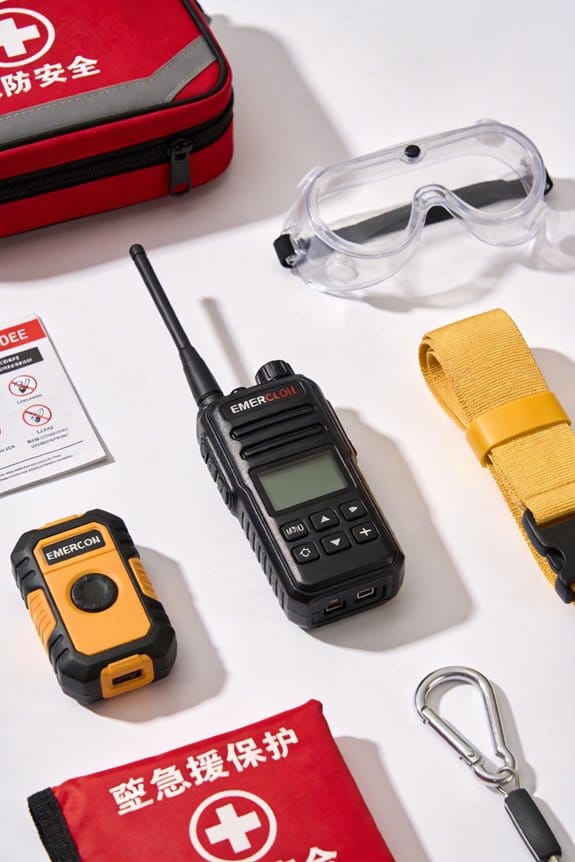
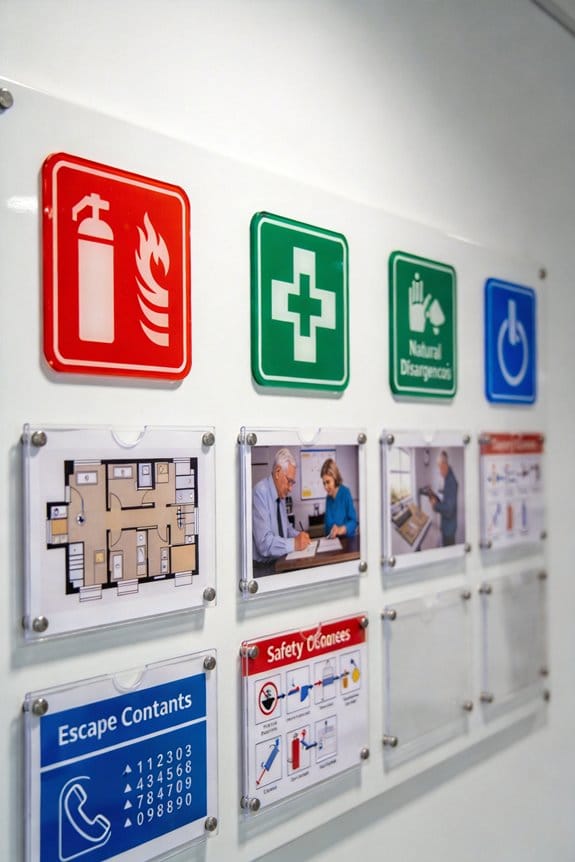

To create visual emergency instructions for non-reading family members, we should focus on clear, engaging elements. First, we’ll use simple symbols and photo sequences for easy understanding. Incorporating color coding helps convey urgency effectively. Placing guides at eye level in high-traffic areas guarantees accessibility. Regular practice and feedback from our family can identify confusion points, allowing adjustments where needed. By considering these components, we can enhance our preparedness and response during emergencies, leading to safety for everyone involved. Stay tuned for more insights!
Key Takeaways
- Use simplified icons and symbols that are easily recognizable to communicate emergency actions clearly for non-readers.
- Create photo-based sequences that visually demonstrate steps to take during various emergencies for enhanced understanding.
- Consistently apply color coding to signify different emergencies, such as red for fire and blue for lockdowns, for quick recognition.
- Involve family members in creating and practicing the visual guides to ensure clarity and comfort with emergency procedures.
- Regularly review and update visual instructions to maintain relevance and effectiveness, considering feedback from non-readers for improvement.
How to Create Visual Emergency Instructions for Non-Readers
You may be interested


Creating visual emergency instructions for non-readers can feel like a daunting task, but it’s super important for keeping everyone safe. Have you ever thought about how critical clear visuals are in a stressful situation?
First off, consistent color coding is key. Think about it: if red always means fire drills and blue signals lockdowns, you’ll avoid a lot of confusion. When people see those colors, they’ll know exactly what to do without second-guessing.
Next, visual sequences are your best friend. Grab some images that outline what to do step-by-step during an emergency. By showing actions in a logical sequence, you’ll help minimize panic and get everyone on the same page.
Don’t forget about practice! Engaging family members in low-stress sessions to go over these instructions really makes a difference. It’s all about reinforcing understanding so they know what the visuals represent when the time comes.
Taking individual needs into account is crucial too. You’ll want to ensure that everyone can access those visuals, especially if there are family members with special needs. By making it easier for all, you increase overall preparedness.
Additionally, organizing supplies with inventory management tools can help families ensure that essential items are accessible during emergencies.
Essential Components of Visual Emergency Instructions
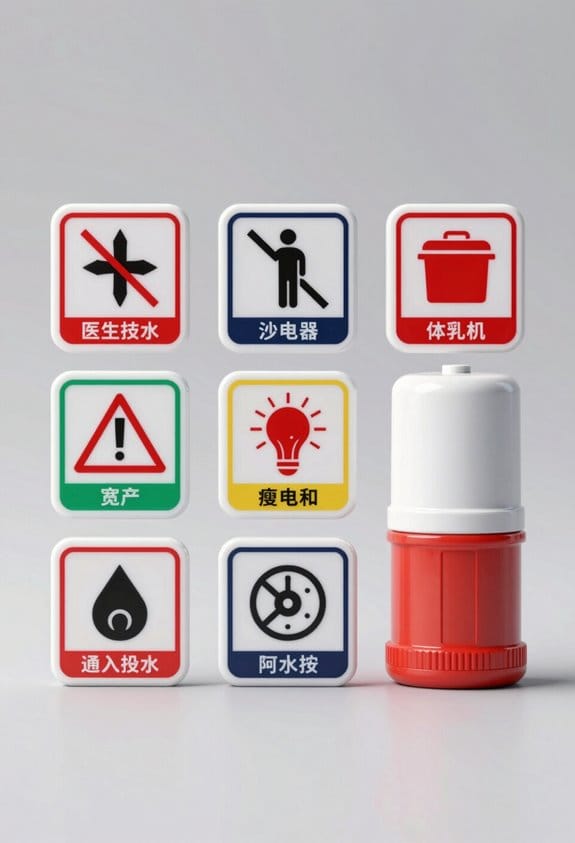
Creating effective visual emergency instructions is crucial in ensuring everyone knows what to do in a crisis. You might wonder, how can we make these instructions more understandable for everyone? The goal is to use visual information that’s easily recognized. Here are some tips to help improve your emergency preparedness:
- Simplified icons and photo sequences can really boost comprehension. This is especially important for non-readers and students with special needs, as visuals can speak louder than words.
- Stick to a consistent set of symbols across all materials. When people see the same symbols repeatedly, it builds familiarity and reduces confusion during those high-stress moments.
- Don’t underestimate the power of color coding. For example, using red borders for fire drills and blue for lockdowns can help convey urgency right away.
Practicing these instructions regularly can be a game changer. It helps everyone in the family feel more confident during emergencies, creating a safer environment for all. Using a well-organized emergency bag can further enhance the readiness and efficiency of your response. So, have you thought about how you’re preparing for an emergency? Let’s make sure everyone in your household is ready to act when it matters most.
Choosing Effective Symbols and Icons for Clear Communication
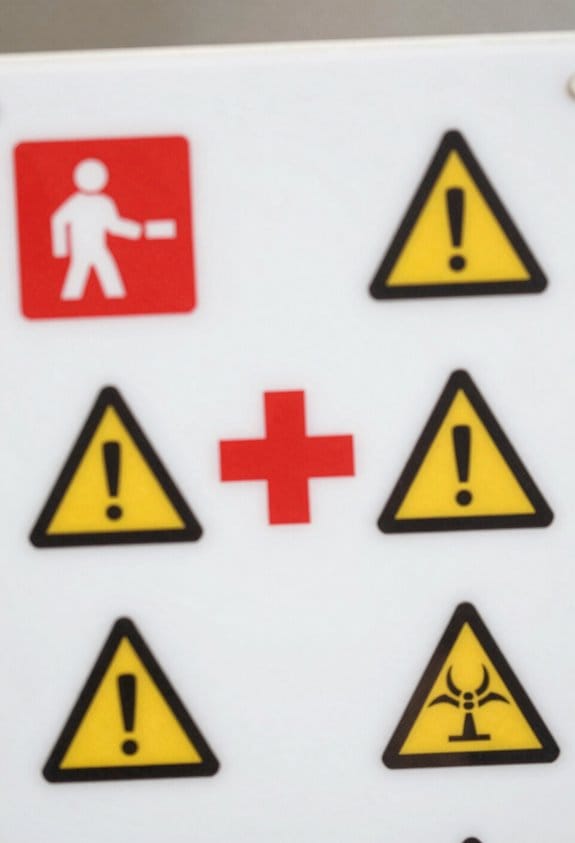
Have you ever found yourself in an emergency, feeling lost and confused because of unclear signs? Effective communication is crucial during these times, and choosing the right symbols and icons can make a world of difference. Focus on picking symbols that most people recognize, like exit signs or fire icons, to keep things straightforward. Consistency is key; when your visuals look the same across the board, everyone will be able to quickly recognize what they need to do.
Here’s a trick: using Boardmaker-style icons can really help those who rely on augmentative communication methods. It’s about making sure everyone understands what’s happening. Also, don’t underestimate the power of photo-based sequences. These can clearly show actions and are especially helpful for people who respond better to images rather than text.
- Use simple, recognizable symbols.
- Pair images with just enough text to clarify.
- Consider customizing your symbols for specific emergencies; red for fire drills is a classic example.
So, why does this matter? Because in an emergency, every second counts. You want people to know exactly where to go or what to do without hesitation. Incorporating visual signals that align with alarm sound alerts can further enhance rapid understanding and response.
Keep these tips in mind, and you’ll improve your communication significantly. It’s all about clarity, right? What are some symbols you think could make a difference in your space?
Utilizing Color Coding to Enhance Understanding
Ever try to figure out what to do in an emergency when the instructions are all text? It can be a bit overwhelming, especially if you’re trying to communicate with family members who might not read well. That’s where color coding comes in. Having specific colors for certain emergencies makes it easier to understand what needs to happen right away.
For instance, using red for fire drills or blue for lockdowns gives everyone a quick visual cue about the situation. It doesn’t matter if you’re a quick reader or not—those colors stand out and signal immediate action. Families with kids or non-readers might find this especially helpful.
Here’s a trick: Before you settle on your color choices, test them out under different lighting conditions. This ensures they’re always visible, no matter where you are. The best part? Color coding helps create a sense of predictability, which can really cut down on confusion when things get hectic.
So, why does this matter? Research has shown that color-coded instructions not only make it easier to remember what you need to do, but they can also help you recall those essential protocols when you really need them. By embracing color coding in your emergency plans, you’re creating a setup that encourages faster, more effective responses during high-stress situations.
In short, using a consistent color scheme can make a big difference in how we respond to emergencies. Have you considered what colors might work best for your family’s plan? Integrating color-coded visuals with a multi-purpose emergency kit can further enhance preparedness and ensure your family is equipped for diverse situations.
Designing User-Friendly Visual Emergency Guides: Key Tips
When it comes to creating visual emergency guides, have you ever thought about how important clarity and accessibility are? It’s essential, especially for those who might not read as well or at all. Here are some practical tips that can help you design guides everyone can understand.
First, keep your symbols consistent. When family members recognize the same symbols, it reduces confusion during a stressful time. Imagine the peace of mind knowing that everyone knows what to do just by looking at a picture.
Color coding is another smart idea. Assign specific colors for different emergencies. Not only does this make your guides easier to understand, but it also grabs attention and keeps things visually appealing. Who doesn’t appreciate an organized look?
Think about where you put these visual instructions. Place them at eye level and in high-traffic areas, like near doorways. It’s a simple trick that can make a big difference, ensuring everyone can access them quickly when it counts the most.
Don’t forget to mix up the visual elements you use. Whether it’s photographs, pictograms, or even simple drawings, diversifying your approach caters to different learning styles. This is especially beneficial for family members who may have special education needs; it ensures inclusivity.
Engaging in regular practice is key too. Have family members review the guides periodically. This practice not only boosts confidence but also helps reduce anxiety when emergencies pop up unexpectedly.
Additionally, it’s wise to customize your guides with essential survival components tailored to your family’s specific needs to improve readiness and response.
Testing Your Visual Instructions With Family Members
Testing visual emergency instructions with your family is super important for keeping everyone safe. So, how can you make sure those instructions are clear and effective? Here are some practical tips that have worked well for me.
First, get everyone involved. Having regular practice drills with all family members not only makes the experience more fun, but also gives you a chance to see how clear the visual information really is. Think about it—when everyone participates, they can offer feedback you might not have thought about.
Pay attention during the drills. How do your family members react? Are they able to understand the visuals easily, or are there moments of confusion? Watching their responses can point out what works and what doesn’t, helping you refine your instructions.
Don’t forget to get input from non-readers too. There’s real value in asking them which images stand out. This ensures the instructions resonate with everyone, no matter their reading level. It’s all about making sure those visuals are helpful for the whole family.
Lastly, practice makes perfect. Set up a schedule for drills, so you can see how practical your instructions are. A regular routine not only reinforces what everyone needs to know but also lets you tweak the instructions as necessary over time.
Also, consider incorporating feedback to enhance your instructions based on motion detection technology to better tailor emergency alerts.
In the end, keeping your family prepared is key. So, what steps will you take to make your emergency instructions clearer?
Updating Your Visual Emergency Instructions
Updating your visual emergency instructions is super crucial if you want to keep everyone safe during a crisis. Think about it—crises can happen anytime, and knowing what to do can make all the difference. Regularly reviewing and refreshing your visual info to match the latest safety procedures ensures everyone’s on the same page.
So, what can you do to make these updates effective? Here are a few tips:
- Use symbols and colors that make sense for different age groups. Kids don’t always read well, so visuals can speak volumes.
- Make sure your instructions are visible under various lighting. You want them to be easy to read, whether it’s bright sunlight or a dimly lit hallway.
- And don’t overlook the importance of feedback! Chat with your family, especially those who may struggle with reading, to see what’s working and what could use a little tweaking.
Honestly, have you ever thought about how familiar everyone is with your emergency plans? Practicing those plans with your family is vital. Try this: schedule regular drills. These practice sessions not only reinforce the updated instructions but also turn them into second nature for everyone involved.
To wrap it up, keeping your emergency instructions fresh isn’t just a good idea—it’s about peace of mind for everyone. Considering integrating reliable home security systems can further improve your family’s safety measures. When was the last time you checked in on your family’s safety plans?
Implementing Effective Visual Guide Placement
Have you ever had one of those moments where you couldn’t find critical information in a hurry? It’s a stress we all want to avoid, especially during emergencies. That’s why figuring out the best way to place visual emergency guides is so important. It’s all about making sure everyone in your family can quickly grab the info they need when it really counts.
One clever tip? Position those guides at eye level. This way, whether you’re standing tall or sitting in a wheelchair, everyone can quickly spot the visual schedules and emergency procedures.
- Color coding: Red borders signal fire drills, while blue ones mark lockdowns. This helps the whole family understand what to do without a second thought.
- Strategic locations: Think about placing these guides near doorways or high-traffic spots. It saves time and prevents crowds from building up when you really need to move.
- Support sensory needs: Consider adding simpler versions in sensory rooms. They can provide much-needed support for individuals facing stressful situations.
Honestly, it’s not just about the initial placement. Regularly checking and updating where these guides are located ensures they’re always easy to find. This makes emergency contact information much less stressful to track down. Additionally, incorporating information about interconnected alarms can help families understand how alerts propagate throughout the home, enhancing overall safety.
Additional Resources for Inclusive Emergency Planning
When it comes to emergency planning, you might find yourself scratching your head over how to include everyone effectively. It’s a tough job, but thinking about the use of visual guides can make a big difference. I can’t stress enough how color coding and universal symbols enhance understanding and recall for a range of people. Here are some practical tips you can try:
Start by using consistent symbols for different emergencies. This simple step can really boost recognition and make things clearer when time is of the essence. Think of it like this: if everyone knows that a red circle means fire and a blue triangle means lockdown, confusion goes down significantly.
Next, don’t underestimate the power of color coding. Assigning specific colors to different types of emergencies can help you identify what action to take in a heartbeat. You want to make it as intuitive as possible so that in the chaos of a real situation, folks can react quickly.
And let’s not forget about the importance of keeping your visual guides fresh. Regularly reviewing and updating them ensures that they stay relevant, especially for those who learn differently. An outdated guide can leave people scrambling when they need clarity the most.
Engaging family members in conversation about your emergency plans also deserves a shout-out. It’s a great way to boost confidence and promote preparedness. So, why does this matter? Well, when everyone is on the same page and knows the plan, it can create a sense of security that’s hard to beat.
Incorporating smart home security systems with features like real-time notifications can further support inclusive emergency responses and ensure timely assistance.
Frequently Asked Questions
What Should Be Included in a Family Emergency Plan?
In times of chaos, our safety’s paramount. Our family emergency plan must include clear evacuation routes, a list of essential safety supplies, and easily memorized emergency contacts, ensuring we stay connected when it matters most.
How Do You Communicate Emergency Plans to Staff Providers, Families, and Community Members?
We communicate emergency plans through engaging staff training, utilizing visual symbols for clarity, and fostering community outreach. By doing so, we guarantee everyone understands procedures, boosting confidence and preparedness during critical situations.
Which Specific Task Should You Do to Prepare Yourself and Your Family Members for an Emergency?
Like a lighthouse guiding ships, we should gather our family for safety drills, use visual instruction aids, and share emergency preparedness tips. Practicing together builds confidence and guarantees everyone knows our plan when an emergency strikes.
How to Prepare for a Family Emergency?
To prepare for a family emergency, we should assemble an emergency kit, establish clear evacuation routes, and discuss effective communication methods. Regularly reviewing these steps helps guarantee everyone knows what to do when it matters most.