
In today’s child safety education, we recognize that the traditional ‘Stranger Danger’ concept is outdated. Instead, we focus on identifying ‘tricky people’—acquaintances or unfamiliar individuals displaying suspicious, manipulative behaviors. Over 90% of child sexual abuse involves known individuals. It’s essential we teach our kids about inappropriate requests and encourage them to trust their instincts. By promoting open dialogue and establishing thorough safety plans, we can better prepare our children for real dangers. There’s more to explore about enhancing their safety awareness.
Key Takeaways
- Focus on identifying ‘tricky people’ with suspicious behavior rather than solely viewing strangers as the primary threat to children’s safety.
- Over 90% of child sexual abuse involves familiar individuals, emphasizing the need to recognize risks from acquaintances.
- Teach children to trust their instincts and recognize behaviors that make them uncomfortable or seem inappropriate.
- Involve children in creating a family safety plan that includes identifying safe adults and practicing responses to emergencies.
- Normalize open discussions about safety and body autonomy, empowering children to speak up about uncomfortable situations.
The Misconceptions of ‘Stranger Danger’ in Child Safety Education
You may be interested


Pro Tips:
Have you ever thought about how kids really learn about safety? It’s easy to fall into the “stranger danger” trap, but there’s so much more to it. Instead of just focusing on strangers, teach your kids to spot suspicious behaviors. It’s about giving them tools that really work in the world they live in.
Here’s the trick: encourage your kids to have open chats about safety with trusted adults. When kids feel comfortable talking about their experiences, they’re far more likely to share anything that feels off. This can build a strong safety net around them.
Yes, it’s critical to talk about “stranger danger”, but what happens when they’re approached by someone who seems familiar? So, why does this matter? Children need to understand that danger can come from different places, not just strangers. Frankly, teaching them to pay attention to their gut feelings about any situation is powerful.
Wrap up these discussions with real-life scenarios. Maybe ask them, “What would you do if someone you kind of know asked you to come with them?” Creating a dialogue gives them the confidence to navigate tricky situations themselves.
In short, let’s move beyond just “watch out for strangers” and give kids the tools they need to recognize real dangers. How will you start this important conversation? Ensuring a rapid response time in emergencies is just as vital in real-world safety as teaching kids awareness.
Understanding ‘Tricky People’ and Their Impact

Have you ever thought about the risks your child might face not just from strangers, but also from people they know? It’s crucial to discuss the concept of ‘tricky people’ with kids. These aren’t just random strangers—they could be acquaintances or even someone they’ve just met who’s displaying some red flags.
Recognizing these behaviors can make a big difference:
- Offering favors that seem too good to be true
- Asking personal questions that cross a line
- Using manipulation tactics that make your child feel uncomfortable
So, why does this matter? Statistics show that over 90% of child sexual abuse is committed by someone familiar to the child. By teaching your kids about ‘tricky people,’ you’re helping them develop critical thinking skills. It’s all about opening the lines of communication so they can share any concerns when they’re feeling uneasy.
Being aware of these behaviors isn’t just about fear; it’s about empowerment. Give your kids the tools they need to navigate tricky situations. When they know how to identify these signs, they’re more likely to say something if something feels off. Preparing children with knowledge of emergency preparedness enhances their overall safety and confidence in handling unexpected situations.
Recommended Products



Recognizing Strange Behaviors to Ensure Safety

Keeping our kids safe can feel like a daunting task, especially when it comes to recognizing strange behaviors out there in the world. Have you ever thought about how critical it is for your child to notice when something seems off? Teaching them to identify odd actions, like someone trying to lure them with candy or attention, can really help them spot potential dangers.
So, what should you be on the lookout for? Start by encouraging your kids to be aware of these concerning behaviors:
- Someone asking for help in a way that feels inappropriate.
- A person claiming there’s an emergency that doesn’t seem right.
- Excessive compliments that might be intended to lower their guard.
These red flags can seem subtle at first, but they’re signs that something could be wrong. It’s important your child feels empowered to trust their instincts. Honestly, we’ve all had that gut feeling when something’s not right. Teaching them to listen to that voice is key.
The best part is you can role-play different scenarios with your kids. Turn it into a fun activity where they get to practice saying “no” or how to respond when things feel uncomfortable. This isn’t just about keeping kids safe; it’s about giving them tools they’ll use for the rest of their lives.
In the end, building awareness can help our children navigate a world that’s not always safe. Using advanced AI detection technology in home security can further enhance their protection by alerting parents to unusual activity around the house. So, ask yourself: Are your kids prepared to recognize when something doesn’t feel right?
Recommended Products

50 Let's Play Cards for Kids - Play Date Planning Cards - Parent Contact Information

REAL-LIFE EMERGENCY & SAFETY SCENARIOS FOR KIDS – Includes 60 conversation cards for kids with realistic emergency and safety situations that teach children how to stay safe, make quick decisions, and act calmly in unexpected situations.

Quality Costume : kids lab coat made of quality polyester. ensuring long-lasting wear.
Teach Your Kids to Trust Their Instincts?
When it comes to keeping our kids safe, one challenge many parents face is teaching them to trust their instincts. It’s crucial for children to learn how to recognize odd behaviors and listen to those gut feelings that often tell them when something isn’t right. By guiding them in expressing their feelings about different situations and people, we create an environment where they feel comfortable communicating openly. This not only helps them understand which encounters are safe but also empowers them to respond effectively when they sense danger.
So, what does that look like in practice? Try having conversations about their experiences with strangers. Ask them about any moments that made them feel uneasy or uncomfortable. Validating their feelings can really help them articulate their thoughts and understand that it’s okay to be cautious when something feels off.
Here’s the trick: instead of instilling a general fear of strangers, help your child recognize specific “strange behaviors.” For example, if someone approaches them too closely or asks them confusing questions, encourage them to voice their feelings about those actions. By focusing on their instincts rather than promoting fear, you’re equipping them with the tools they need to navigate the world safely.
And don’t forget to remind them that if something feels wrong, it usually is. Children can often pick up on subtle cues that we might overlook. So, why does this matter? Instilling this level of awareness in your kids not only keeps them safer now, but it’s also a lesson they can carry into adulthood. Additionally, having emergency preparedness tools like organized compartments in a bug out bag can help families stay prepared for unexpected situations.
How to Create a Family Safety Plan
Creating a family safety plan isn’t just a checklist; it’s a way to empower your kids to handle emergencies with confidence. Have you ever thought about how your child would react if they were lost or in a tricky situation? Involving them in the planning process is key. Not only do they learn important skills, but they also feel like a part of the solution. Here’s how to get started:
First, think about the safe adults your child knows. This could be family members like grandparents or trusted neighbors. Make a list together, so they know who to turn to if they need help.
Next, establish safe places your child can go if they ever feel lost or uncomfortable. Maybe it’s a local store or a nearby park. It’s important they remember these places so they don’t panic if something happens.
You should also talk about safe versus unsafe touches. Kids need to understand boundaries, and open discussions on this topic can help reinforce those important lessons.
Another great tip? Practice role-playing different scenarios. This can help your kids recognize strange behaviors and know how to respond. It makes the conversation engaging and gives them the tools they need to react.
Lastly, make it a point to review and update your family safety plan regularly. Kids are always growing and their social circles change. By keeping the plan fresh in their minds, you’re ensuring they’re prepared no matter what.
In addition, incorporating multi-functional tools into your child’s emergency kit can increase their preparedness and confidence when handling unexpected situations.
Recommended Products

[Durable First Aid Bag] YIDERBO first aid bag is made by high quality EVA which is water resistant, shockproof and wear resistant. Thanks to its compact dimension, it is ideal for taking with you when travelling, hiking, skiing, camping, in the car, backpack, handbag and outdoor adventures. It is also perfect for extended use.


Fostering Open Communication About Safety Topics
When it comes to safety, it’s crucial to have open talks with your kids about topics that can significantly affect their well-being. But how do you create an environment where your children feel comfortable sharing their feelings, especially about uncomfortable situations? The truth is, teaching them to express their feelings strengthens trust and empowers them to speak up.
Try this: Whenever your child seems off or uncomfortable, take a moment to validate their feelings. Let them know it’s perfectly okay to feel how they feel. This can keep the communication flowing and make them more inclined to talk to you in the future.
Also, make safety discussions a regular part of your routine. Talk about it like you would any other topic. The more you normalize these conversations, the more likely they are to approach you if something doesn’t feel right.
Role-playing can be really helpful, too. Set up different scenarios where they might encounter unusual behavior. This gives them a chance to practice responding in safe situations, building their confidence for when it matters.
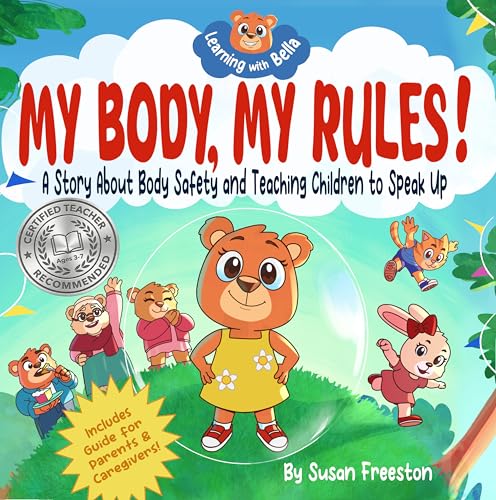
Don’t underestimate the power of age-appropriate books either. Look for stories that encourage questions and spark conversations about personal safety. You’d be surprised at how much kids can learn and relate to through storytelling.
In the end, fostering open communication about safety isn’t just about protecting them; it’s about equipping them with the tools to advocate for themselves. So, how comfortable do you feel when talking about these sensitive topics with your kids? Remember, practice makes perfect!
Additionally, having access to comprehensive emergency survival kits can complement safety education by preparing children and families for unexpected situations.
Empowering Children With Body Safety and Consent
Have you ever thought about how crucial it is to teach kids about body safety and consent? It’s something that can often get overlooked, but empowering children with the right knowledge is vital for their well-being.
First off, kids need to understand that they have the absolute right to say “no” to unwanted physical contact. It’s important they know that when they express discomfort, their feelings should be respected. So, how can we teach them this? A good starting point is to talk about consent in a straightforward way, reinforcing that “no” really means “no.”
Another key point is helping kids recognize the difference between safe and unsafe touches. Help them understand that some touches are comforting and consensual, while others might cross boundaries and feel wrong. Kids should know they’ve got the right to speak up if something doesn’t feel right.
So, how do we foster this kind of environment? Keeping an open dialogue is essential. Allowing children to share their feelings helps build trust, making them more likely to come to you when they’re uncomfortable.
Practical learning also plays a significant role. Try incorporating age-appropriate books or even role-playing scenarios during your conversations. These methods can really boost kids’ understanding of consent and help them feel comfortable asserting their boundaries.
In the end, it’s about creating a safe space for kids to express themselves. So, are you ready to have those essential conversations? Remember, giving your child the tools they need to navigate their own boundaries is one of the best gifts you can offer them. Using consistent reassurance with AI-powered alerts can help detect and address any concerning behaviors early on.
Recommended Products


Be Proactive About Safety Education
Keeping our kids safe in today’s world can feel overwhelming. It’s easy to let fear creep in, but we can actually empower our children by teaching them about safety in a positive way. So, how can we help our kids understand the importance of recognizing strangers and unusual behaviors? Here are some practical tips that can make a big difference:
First, focus on open communication. Encourage your kids to talk about their feelings when they have interactions with others. If they ever feel uncomfortable, they should feel safe to express that discomfort without feeling ashamed or scared.
Next, establish family safety plans. Take the time to clearly define what safe and unsafe interactions look like. When kids know the difference, they’ll be better equipped to handle tricky situations.
Another effective approach is role-playing. Whether it’s pretending to meet a stranger or practicing how to ask for help, role-playing scenarios can boost your child’s confidence. This lets them rehearse responses in a safe space, making real-life situations less daunting.
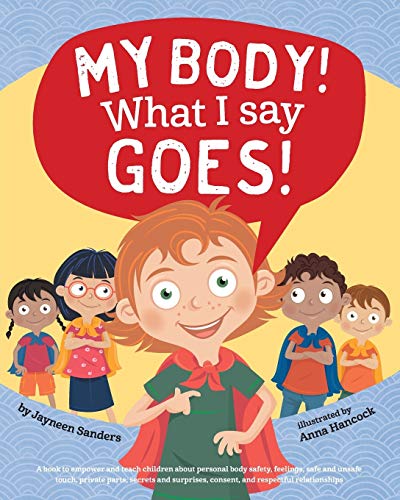
Don’t forget about having resources on body safety**. There are plenty of age-appropriate books out there that cover consent and how to prevent sexual abuse**. Reading these together can really reinforce important lessons and make these conversations feel more normal.
Honestly, promoting these practices not only helps keep your kids safe but also equips them with essential skills for the future. Remember, the goal isn’t to frighten them but to empower them with knowledge. Additionally, using professional monitoring services can provide extra reassurance for your family’s security.
Recommended Products


Frequently Asked Questions
How Can I Effectively Teach My Child About Safety Without Instilling Fear?
We can teach our kids about safety without fear by using positive reinforcement strategies, interactive safety games, and role-playing scenarios. Open communication practices foster empowering decision-making, making them feel confident and prepared instead of scared.
What Age Is Appropriate to Start Discussing These Safety Concepts?
We can start discussing safety concepts during preschool age, as children begin understanding their surroundings. Ongoing conversations throughout early childhood and school age, aligned with their developmental milestones, help reinforce these important lessons effectively.
Are There Specific Resources or Books to Help Educate Children on Safety?
We’ve discovered a treasure trove of safety education resources, including children’s safety books and interactive safety games. Engaging safety activities and awareness programs can effectively instill important lessons while keeping our kids intrigued and aware.
How Can Parents Model Appropriate Responses to Unfamiliar Situations?
We can model appropriate responses by role playing scenarios, using positive reinforcement techniques, participating in community safety events, enhancing observation skill development, and reinforcing trust in our children, ensuring they feel secure in unfamiliar situations.
What Should I Do if My Child Has Questions About Safety They Don’T Ask?
Like planting seeds in fertile soil, we can nurture our child’s curiosity by fostering safety conversations. Let’s create open dialogue in informal settings, ensuring proactive discussions about their safety questions blossom naturally, even when unasked.