
The evolution of smart home security protocols and standards reflects significant advances in technology. We’ve shifted from early wired systems to modern wireless setups that integrate easily. Key developments include the adoption of encryption methods and protocols like SSL/TLS, guaranteeing secure device communication. Compliance with regulations like GDPR assures data protection and user safety. As we continue to see innovations, such as AI-enhanced systems and 5G connectivity, there’s much more to explore about these exciting advancements.
Key Takeaways
- The emergence of SSL/TLS protocols established secure communication channels, marking a vital advancement in protecting smart home data.
- Compliance with global standards and certifications like IETF protocols and GDPR ensures that smart home devices maintain high security and safety measures.
- The introduction of unique identifiers and certificate-based authentication enhanced device trust within interconnected smart home ecosystems.
- Regular firmware updates have become a priority for manufacturers, ensuring systems remain secure against evolving threats and vulnerabilities.
- The integration of blockchain technology is pushing the boundaries of data protection and integrity in smart home security standards.
Historical Context of Smart Home Security Protocols
You may be interested



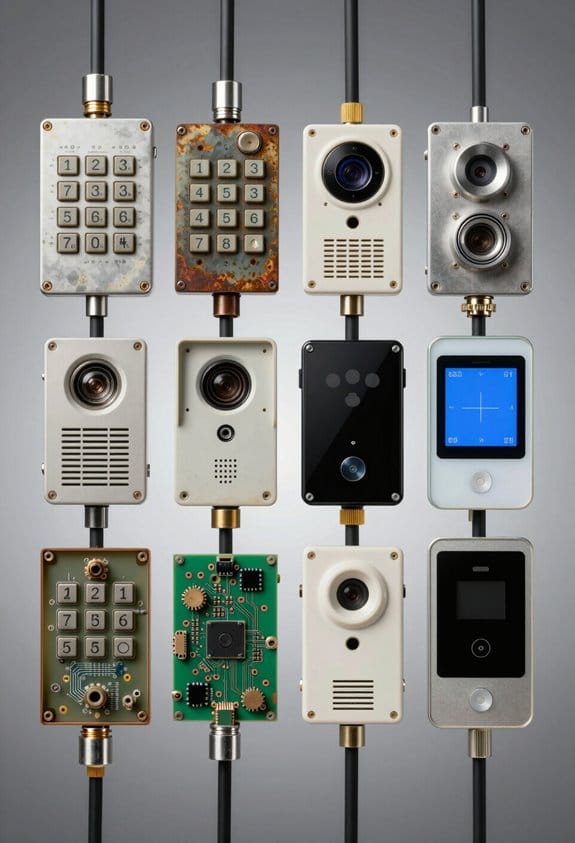
Ever thought about how our homes keep us safe? When you consider the evolution of smart home security protocols, it’s pretty incredible to realize how much we’ve changed since the early days. Back in 1853, Augustus Pope invented the first burglar alarm, which used electromagnets. Fast forward to the early 1900s—home security systems were wired and needed professional installation. That posed a real challenge, especially for folks who wanted an easy solution.
Then came 1997, and Wi-Fi changed everything. Suddenly, wireless technologies began to take off, making home security more accessible to everyone. By the 2000s, DIY installations became popular. Now, you could set up smart security systems yourself! These systems communicate through encryption and use standards like Z-Wave and Zigbee to keep things secure. The 2010s added even more excitement with interconnected devices, elevating home automation with powerful new protocols.
In recent years, many systems have combined user-friendly features with professional monitoring options to offer both convenience and safety.
So, what’s the takeaway? If you’re considering setting up a smart security system, here are a couple tips:
- Go for DIY installations. They’re usually more user-friendly and fit your personal needs better.
- Make sure your system prioritizes encryption to keep your connections secure.
Honestly, the journey from that first alarm to today’s smart systems shows how far we’ve come in protecting our homes. What aspects of smart home security surprise you the most?
Key Advancements in Smart Home Security Encryption and Data Protection
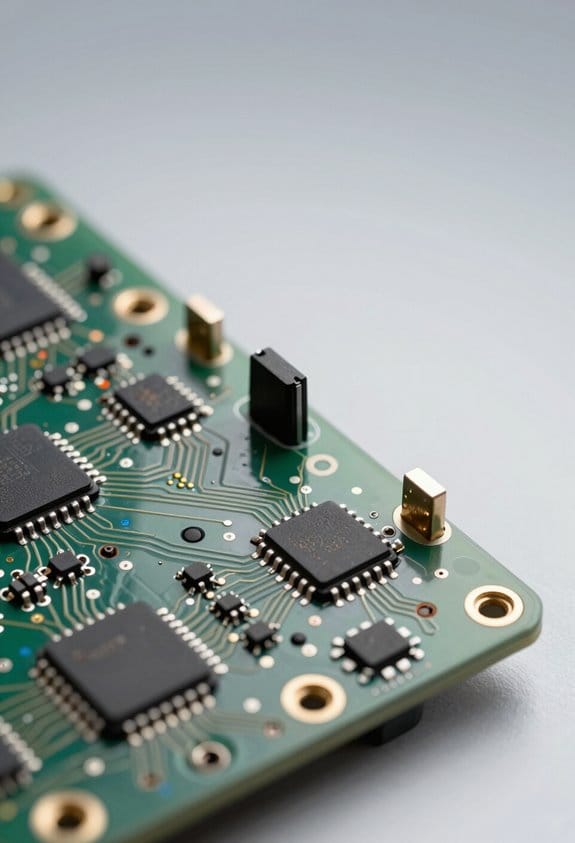
Have you ever worried about the security of your smart home devices? You’re not alone. With everything being connected these days, it’s crucial to know how technology has stepped up in protecting our homes. Advances in smart home security encryption are making it harder for bad actors to get access to your personal data.
Take a look at some of these important advancements.
- SSL/TLS Protocols: These protocols help create secure communication channels. They’re like a protective shield for your information, keeping it safe from cyber threats.
- Unique Identifiers: Many smart devices now come with unique identifiers and use certificate-based authentication to establish trust. This means that your devices are more secure than ever before.
Regular firmware updates are also a big deal. Many manufacturers are prioritizing continuous improvements, so keeping your devices updated can help fend off potential risks. Try this: set reminders to check for updates regularly. It’s a small step that can significantly improve your security.
Another major trend to be aware of is the use of blockchain technology. This decentralized approach helps make data protection more robust, increasing resilience against hacking attempts while ensuring the integrity of your data. So, why does this matter? Because a strong security foundation is essential in today’s digital world.
The best part is that these advancements are making it easier for you to feel safe at home. Just think about it: with proper encryption and regular updates, your personal information has an extra layer of protection that wasn’t available a few years ago. Additionally, modern smart security systems often integrate AI detection technology to enhance threat identification and response.
How Wireless Technology Reinvents Smart Home Security Protocols
How Wireless Technology Reinvents Smart Home Security Protocols
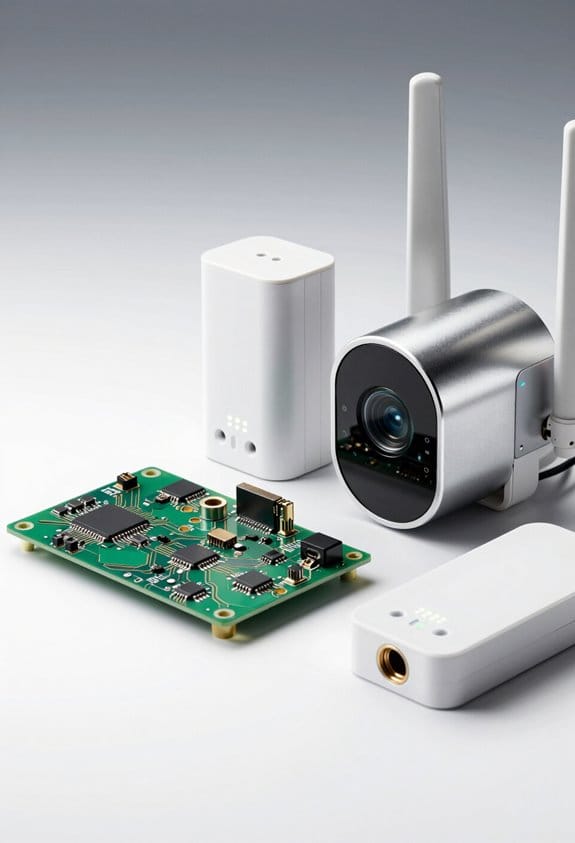
Ever feel uneasy about your home security? It’s a real concern for many of us, especially with the rise of smart home devices. Luckily, wireless technology is stepping up to make securing our homes a whole lot easier and more reliable.
Communication is a breeze with protocols like Wi-Fi, Zigbee, and Z-Wave. They make sure your devices can talk seamlessly to one another, which not only enhances functionality but makes everything run smoother.
Here are some solid benefits to consider:
- Encryption plays a big role in keeping things safe. It lowers the chances of hackers gaining unauthorized access.
- DIY installations couldn’t be simpler with these wireless systems. You have more control over your setup, which means you can tailor it to your needs.
- AI and machine learning are game-changers when it comes to monitoring your home. They can tell the difference between routine activities and something suspicious, making your alerts more meaningful.
- Expanded coverage allows you to place security devices even in tricky spots. This ensures that every corner of your home is protected.
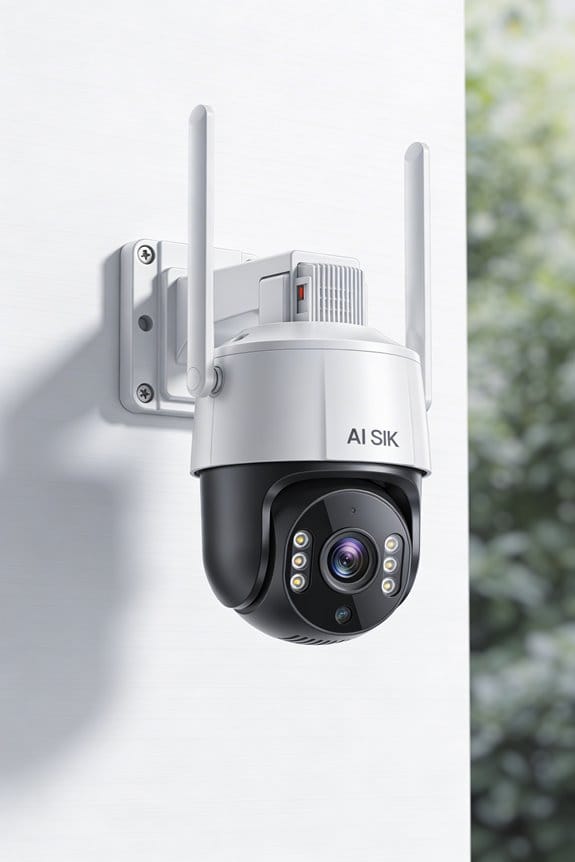
Additionally, many modern security cameras support dual-band connectivity to improve network stability even through walls and obstacles.
So, why does this matter? With these advancements, securing your smart home becomes a more streamlined and effective process. You can enjoy peace of mind without a lot of hassle.
Compliance and Regulatory Considerations for Smart Home Devices
Navigating the rules and regulations for smart home devices can be really daunting. But here’s the deal: it’s crucial to make sure these gadgets are safe and work well together. You’ll want to stick to global standards like IETF protocols and NIST guidelines for security and interoperability. Different countries have their own requirements, such as CE and FCC certifications, which make sure your devices meet safety rules and can play nice with other electronics.
Protecting user data is a big deal, too. Manufacturers should be integrating strong encryption protocols that follow regulations like GDPR. It’s not just about creating a great product; you’re also required to regularly update it and roll out security patches. Keeping up with these evolving cybersecurity standards is just part of the job.
So, what happens if you ignore compliance? Well, non-compliance can lead to some serious consequences, including hefty fines, recalls, or even bans on your products. That’s why it’s essential to stay on top of what’s legally required in your market. You’ve got to keep your ear to the ground as things change quickly in this world.
The best part is that all this diligence doesn’t just keep you out of trouble; it also builds trust with your customers. Are you ready to meet those obligations head-on? Remember, staying informed is your best bet in this fast-paced environment. Integrating AI detection enhancements into security devices also helps meet advanced security expectations and reduces false alarms, improving compliance with industry standards.
Future Trends in Smart Home Security: What’s Ahead?
Have you ever worried about the safety of your home? As technology continues to advance, smart home security is becoming more reliable and user-friendly. Here’s what to keep an eye on in the coming years.
AI is going to play a big role in future security systems. These systems will learn your daily habits, helping them spot anything out of the ordinary. Imagine your system recognizing when you’re home late from work or when a friend pops by unexpectedly and notifying you if something seems off.
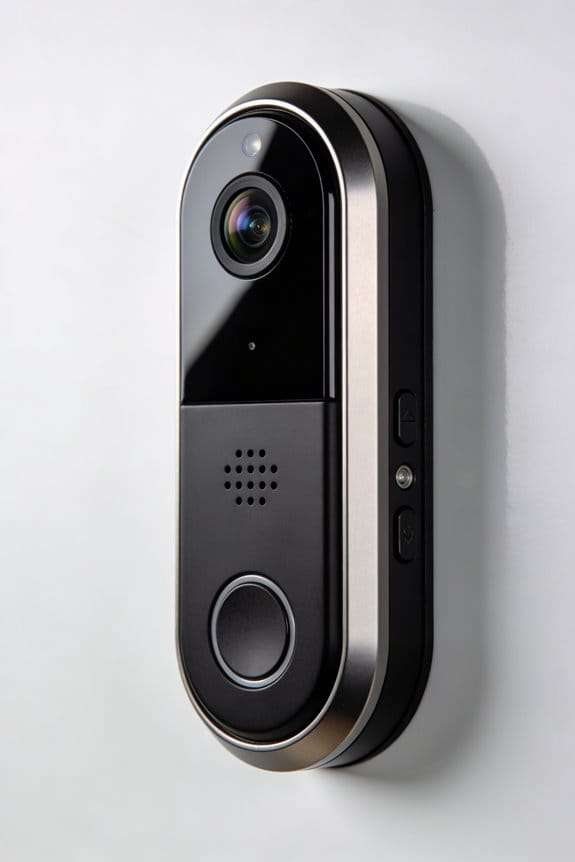
With 5G rolling out, communication between your devices will speed up like never before. That means when your doorbell rings, you’ll get an alert in real-time, allowing you to respond fast. This instant connection could make a huge difference in how quickly help arrives if it’s needed.
Interoperability is another crucial aspect. What does that mean for you? It means that different devices and brands will start working together more smoothly. This way, you’ll no longer need to juggle a bunch of apps or interfaces to manage everything in your home.
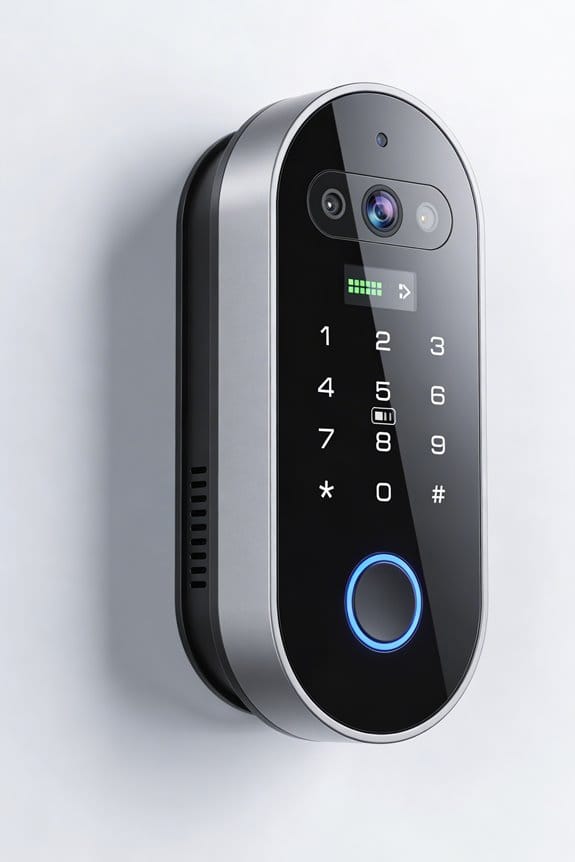
Also, look out for advances in biometric authentication. With options like facial recognition and fingerprint scanning, your access points may become significantly more secure. It’s not just about convenience; it’s about ensuring only you and authorized people can enter your space.
Finally, let’s not overlook energy efficiency. As we become more eco-conscious, future smart homes will likely feature components designed to save energy. Not only will this help the environment, but it could also save you money on your bills.
Smart security systems increasingly incorporate remote management features, allowing users to control and monitor their homes instantly through voice commands or smartphone apps.
Frequently Asked Questions
How Can I Secure My Smart Devices From Unauthorized Access?
Nearly 60% of smart device owners neglect security. To secure our devices, we should use strong passwords, enable two-factor authentication, regularly update firmware, encrypt devices, segment networks, and implement ongoing threat monitoring.
What Are the Risks of Using Outdated Security Protocols?
Using outdated security protocols increases risks like data breaches and encryption vulnerabilities. We face compatibility issues with newer devices, and user negligence often arises from ignoring legacy systems and outdated software. Staying updated’s essential for our safety.
How Often Should I Update My Smart Home Devices?
We should update our smart home devices every three to six months. Did you know that 60% of users miss vital manufacturer updates? Staying aware guarantees our devices remain compatible, secure, and packed with the latest software features.
What Should I Do if I Suspect a Security Breach?
If we suspect a security breach, we should activate our breach response plan, utilize digital forensics tools, update our emergency contact list, and enhance wireless network monitoring alongside following the incident reporting process and security awareness training.
Are There Specific Security Protocols for Different Smart Home Brands?
Yes, different smart home brands have brand specific standards that address compatibility issues. We should look for security certifications, data encryption techniques, vulnerability assessments, and always follow manufacturer recommendations to guarantee our systems remain secure.