
To weatherproof our outdoor security equipment connections, we should use outdoor-rated cables, like CAT5e or CAT6, with high IP ratings for moisture protection. Selecting weatherproof connectors with a minimum IP66 rating is essential, along with protective tools such as silicone self-fusing tape. Regular maintenance and inspections can greatly improve our equipment’s lifespan. We’ve seen that proper sealing and protective measures can prevent costly failures. Let’s explore more techniques to guarantee our connections stay safe from the elements.
Key Takeaways
- Use outdoor-rated cables with UV protection and ensure they have a high IP rating like IP66 for moisture and dust resistance.
- Employ waterproof RJ45 connectors and apply dielectric grease to prevent moisture intrusion and corrosion at connection points.
- Seal cable entry points with rubber grommets and high-quality silicone caulk to minimize water ingress and enhance durability.
- Install weatherproof junction boxes rated IP65 or higher, and conduct regular inspections to ensure all seals remain intact after severe weather.
- Choose enclosures with at least IP66 ratings, made from UV-resistant materials, and organize maintenance to assess for any wear and tear.
Understanding Outdoor Cable Ratings and Types
You may be interested


When it comes to setting up outdoor security equipment, you might wonder what cables are tough enough to stand up to the elements. The truth is, picking the right cables is crucial for keeping your system working reliably over time. Outdoor-rated cables, like CAT5e and CAT6, are built specifically to handle things like UV rays and moisture.
You’ll want to look for a few key features when you’re shopping around:
- UV protection: These cables have jackets that resist sunlight, so they won’t break down over time.
- IP ratings: Higher IP ratings are worth the extra cost. For example, if you see an IP66 rating, that means it offers full dust protection and can handle strong water jets.
- Weatherproof junction boxes: These are essential for guarding connections against rain and wind.
Using regular indoor-rated cables outdoors? That’s just asking for trouble. They aren’t made for the harsh conditions out there, and you could face serious system failures. So, here’s the trick: always go for cables that come with silicone grease or have moisture-resistant coatings built in.
Additionally, ensuring your cables and connections are compatible with your security camera’s resolution can help maintain the quality of your footage over time.
In short, picking the right outdoor-rated cables isn’t just a suggestion; it’s key to ensuring your security system sticks around for the long haul. What will you do to make sure your outdoor setup is ready for anything?
Key Tools for Effective Weatherproofing of Security Connections
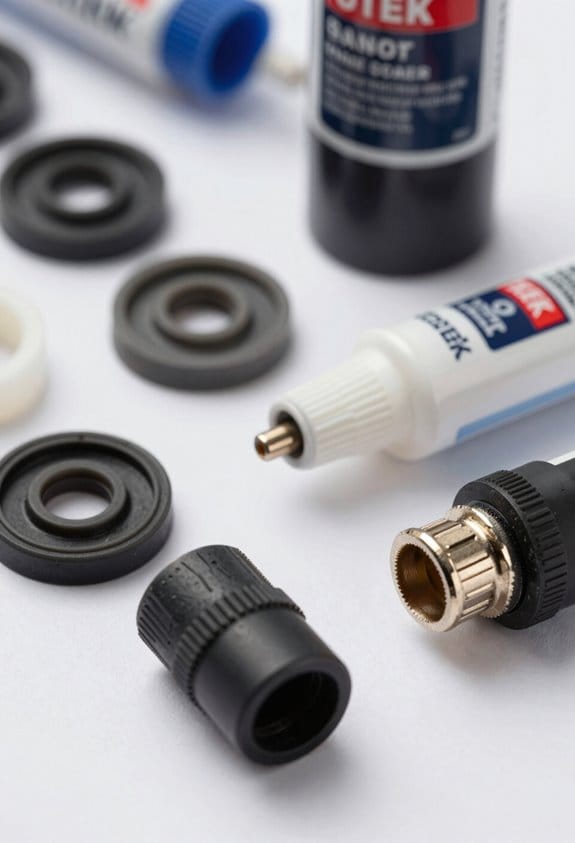
Weatherproofing your outdoor security connections can feel like a real chore, but it’s crucial for keeping everything running smoothly. Have you ever had a connection fail because of moisture? It’s a pain, and you definitely want to avoid that. So, let’s dive into some practical tools and tips that can help you out.
Start by grabbing some outdoor-rated weatherproof RJ45 connectors for your Ethernet cables. These are made specifically to keep moisture out, so they’re a must-have for any outdoor setup. Next, here’s the trick: consider using silicone self-fusing tape on your connections. Wrap it snugly at a 60-degree angle to make sure it stays put—it’s simple but effective.
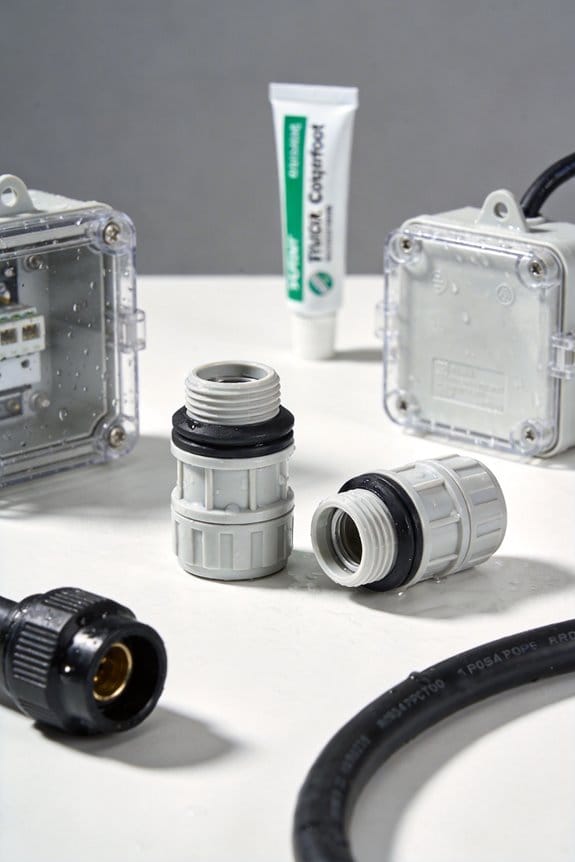
Another smart move is to install weatherproof enclosures or junction boxes. They create a solid barrier around your connection points, keeping them safe from bad weather. And don’t forget about dielectric grease! A little bit on your connectors can work wonders, acting as a moisture barrier and helping your hardware last longer.
Regular inspections are key, too. Keep an eye out for any signs of wear or damage in your outdoor connections; catching issues early can save you a lot of hassle down the line. It’s all about maintaining the integrity of your system.
Honestly, a little extra effort during installation can pay off big time. Additionally, integrating your weatherproofed connections with dual-network technology can ensure your security system remains reliable even if one network is compromised.
So, what steps will you take to weatherproof your setup?
Effective Weatherproofing Techniques for Junction Boxes
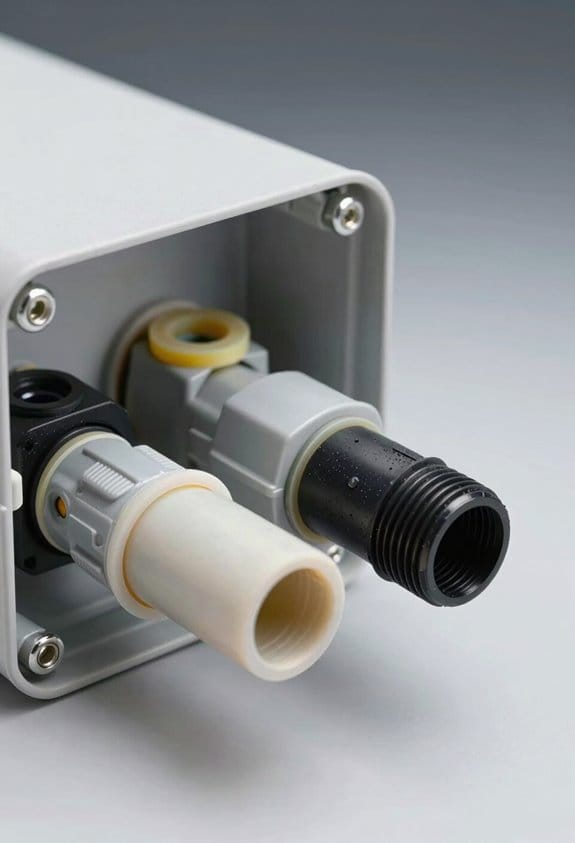
Setting up outdoor security systems can be stressful, especially when considering the weather. How do you keep all those important connections safe from moisture? The key is proper weatherproofing of your junction boxes.
Start by picking weatherproof junction boxes that have an IP rating of 65 or higher. This level of protection is crucial. After that, sealing all cable entry and exit points with rubber grommets and silicone caulk is essential. This little step can prevent water from seeping in and wrecking your connections.
In addition, don’t overlook sealing glands. These not only keep your cables secure but also provide an extra barrier against moisture. Honestly, you want to make sure that water doesn’t compromise your system. Plus, it’s a good habit to regularly inspect these boxes, particularly after heavy rains or storms. Addressing any potential points of failure quickly can ensure your outdoor security system stays reliable, no matter the weather.
Pro Tip: Before you’re set to install, always check that IP rating and seals. It really makes a difference. Using equipment like the ANNKE 3K Lite with an IP66 rating can provide enhanced durability against harsh outdoor conditions.
How to Seal Cable Entry Points Effectively
Sealing cable entry points is super important if you want to keep your outdoor security equipment safe from moisture and environmental damage. You might be wondering how to do it effectively. Here’s a tip: using rubber grommets around the cables where they enter junction boxes or walls makes a huge difference in keeping out moisture. It’s a simple step that minimizes water getting in. On top of that, using high-quality silicone caulk around the edges of these entry points adds another layer of waterproofing against rain and humidity.
Here’s the trick: always use weatherproof junction boxes for your cable connections. They help protect against elements and corrosion, ensuring your equipment stays in top shape. Also, consider sealing glands that are specifically designed for your cable types—this guarantees a secure, weatherproof seal at every entry point.
Maintenance is key! Regularly check these seals and don’t hesitate to reapply caulk or swap out grommets when needed. After all, you want to ensure continued protection against moisture. For the best results, choose monitoring services that utilize dual connectivity to maintain reliable protection even during outages.
Choosing the Right Weatherproof Connectors
Selecting the right weatherproof connectors can feel tricky, especially when it comes to outdoor security equipment. You want to protect your gear from rain, snow, and even the scorching sun. Choosing connectors rated IP66 or higher is crucial because they can handle UV exposure and moisture without breaking a sweat. And if you’re using RJ45 connectors, make sure they’re waterproof to keep those annoying connectivity issues at bay.
Here’s a quick tip: try using heat shrink tubing around your connections. When heated, it seals tightly, adding an extra waterproof layer that can really make a difference. And don’t forget about dust and water covers; they shield your connectors when they’re not in use, which can really extend their lifespan.
Applying dielectric grease on the connector surfaces is another trick worth considering. It helps to repel moisture and prevents corrosion, which means your outdoor connections can perform well for longer. So, why does this matter? Because taking these extra steps can save you from future headaches and repair costs.
In addition, ensuring your equipment supports AES-128 encryption for data security is essential when maintaining outdoor connections to prevent unauthorized access.
In short, using the right weatherproof connectors and adding those thoughtful details like heat shrink tubing and grease can keep your outdoor equipment safe. Have you taken the time to check your connectors lately?
Protecting Your Ethernet Connections From Moisture
Have you ever had to deal with a damp Ethernet connection? It’s frustrating, especially when it means your outdoor security gear might not work the way it should. Keeping moisture away from your connections is a must, and using weatherproof RJ45 connectors can make a real difference. These connectors are built for the outdoors, and making sure they’re sealed properly can help keep water at bay.
Here’s some advice that can save you headaches down the line:
- Try applying silicone sealant around your connections and inside any weatherproof junction boxes. That creates a strong barrier against moisture and can prevent corrosion.
- When you’re securing your connections, electrical tape or silicone self-fusing tape rated for outdoor use works well. It’s a simple step that adds extra protection.
- Consider making drip loops in your cable runs. That way, if it rains, the water can flow away from your connections, rather than creeping up into them.
Regularly checking your Ethernet connections for wear and damage is another smart move. Trust me, spotting issues early can help you avoid bigger problems later on. Additionally, choosing equipment with durability and weather resistance is crucial for ensuring long-lasting performance outdoors.
Why Regular Maintenance Matters
Have you ever thought about how important it is to keep your outdoor security gear in tip-top shape? Just like you wouldn’t want your Ethernet connections exposed to moisture, you really need to stay on top of your security equipment maintenance. If you don’t, you might end up facing some pretty frustrating short circuits and system failures. It’s a good idea to check your connections every season. That way, you can catch any issues before they escalate and re-seal everything as needed.
Regular maintenance has some solid perks, including:
- Lower chances of expensive repairs and downtime.
- Prolonging the life of your equipment—industry experts say it can add 20-30%.
- Boosting the reliability of your security systems.
So, why does this matter? Well, think about it: your security system is your first line of defense. Why risk having it fail when a little upkeep can go a long way? Ensuring your equipment has the proper weather resistance rating is also crucial to prevent damage from environmental factors.
Try this: set a reminder for those seasonal checks. Honestly, it’s a minor commitment that can save you major headaches down the road. And while you’re at it, take a moment to assess your equipment for wear and tear. It’s not just about fixing stuff—it’s about being proactive.
In the end, a simple maintenance routine can keep your security system running smoothly and give you peace of mind. What steps are you planning to take for your equipment this season?
Tips for Selecting Weatherproof Enclosures
Want to keep your outdoor security equipment protected from the elements? Choosing the right weatherproof enclosures is key. If you’re serious about safeguarding your gear, aim for an IP rating of at least IP66. This rating ensures your equipment is shielded against dust and can withstand heavy water jets.
- First off, consider the materials. Look for enclosures made from polycarbonate or aluminum. These materials resist UV damage and can handle extreme weather.
- Don’t overlook moisture ingress prevention. Using rubber grommets or sealing glands where cables connect is essential for keeping moisture at bay. The last thing you want is water sneaking in.
- Ventilation features are another important aspect. Some enclosures come with ventilated designs that allow heat to escape without compromising the weatherproof seal. It’s a thoughtful addition that can save you from overheating issues down the line.
- Lastly, think about cable management. Enclosures that are easy to access can make maintenance checks and cable management a breeze. You’ll appreciate the convenience when it’s time to do some upkeep.
- For added preparedness, consider incorporating organized compartments within your enclosure, similar to those found in top emergency bags, to keep cables and tools neatly stored.
Mistakes to Avoid in Weatherproofing
How do you keep your outdoor security gear working right in all kinds of weather? It’s frustrating when things go wrong, but avoiding a few common weatherproofing mistakes can save you a lot of headaches down the road.
First off, think about exposed connections. If your cables and connectors are out in the open, moisture can get in, which could lead to a complete system failure. No one wants to find out their security equipment’s down during a storm.
Now, let’s talk about sealing entry points. Skipping out on sealing those cable entry points with rubber grommets or silicone caulk is a rookie move. Water can seep in, causing all sorts of problems—don’t let that happen to you.
Also, pay attention to the tape you use. Ever tried to secure connections with indoor electrical tape? It’s not gonna cut it for outdoor use. Opt for outdoor-rated electrical tape or silicone self-fusing tape to really keep everything locked down.
Another thing to consider is regular inspections. Make it a habit to check for wear, corrosion, or moisture. If you ignore this, you might end up with poor performance when you need your equipment the most.
Lastly, think about where you install your devices. Placing them in areas where they’re directly exposed to rain can lead to damage. Instead, find spots under eaves or soffits to shield them from the elements.
For best results, use security cameras with an IP65 waterproof rating to ensure reliable operation in all weather conditions.
Frequently Asked Questions
How to Weatherproof Security Camera Connections?
Weatherproofing security camera connections is like building a fortress. We should use cable conduits, secure connection seals, and protective enclosures, ensuring every outdoor installation employs weather-resistant materials to safeguard our equipment against nature’s fury.
How to Protect Outdoor Security Camera Wires?
To protect outdoor security camera wires, let’s use weather resistant materials, waterproof connectors, and sturdy wire conduit. We should also guarantee proper cable insulation, avoiding any potential issues from moisture and environmental wear.
How to Make an Ethernet Cable Waterproof?
To make an Ethernet cable waterproof, let’s use UV resistant cables and weather resistant conduit. We’ll secure the connections with cable connector covers and employ waterproof outdoor enclosures for extra protection against moisture and abrasion.
How to Run Security Camera Wires Through Soffit?
Let’s guarantee effective wire routing during soffit installation. We should focus on camera positioning, applying sealant at entry points, and using proper cable management techniques to protect our security camera wires from the elements.