
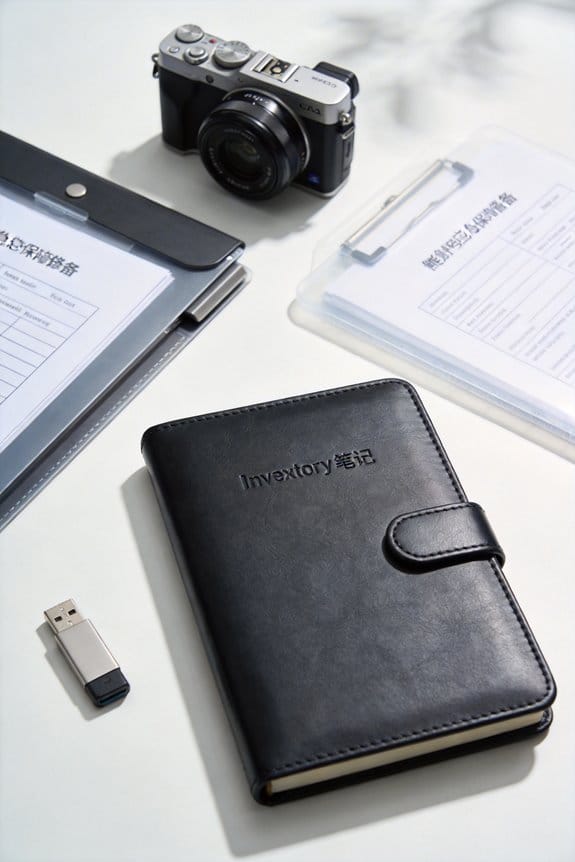

Creating a home inventory is crucial for emergency documentation. It helps us efficiently file insurance claims and verify coverage. Here’s what we need to include: a detailed list of items, purchase dates, and photographs. We should use apps for easy tracking and always store backups safely. Regular updates are imperative—ideally after major purchases or annually. Understanding our insurance coverage is equally important for valuables. This proactive approach can protect us in emergencies. Let’s explore more effective strategies together.
Key Takeaways
- Document each item’s make, model, serial number, purchase date, and price for thorough ownership proof and insurance claims.
- Regularly update your inventory for new purchases, seasonal items, and significant changes to ensure accurate records.
- Take clear photos or videos of items, capturing their condition and location to support recovery efforts during emergencies.
- Store copies of your inventory and key documents securely in cloud storage or fireproof safes for easy access after disasters.
- Review your inventory at least annually to adjust insurance coverage for high-value items and streamline the claims process.
Why Creating a Home Inventory Is Essential for Emergency Preparedness
Have you ever thought about what you’d do if a disaster struck your home? It’s a tough question, but preparing for emergencies is crucial, and one of the best ways to start is by creating a home inventory.
Putting together a home inventory list isn’t just a good idea; it’s a lifesaver when disaster hits. By documenting your valuable possessions, you make it so much easier to file insurance claims. Imagine losing everything and struggling to remember what you had—painful, right? This list not only assures that you have enough insurance coverage but also gives you peace of mind during turbulent times.
Make it a habit to regularly update your inventory to reflect any new purchases or significant changes in your belongings. It’s not just about making a list; it’s about keeping track of all your important documents and cherished possessions. Think of it as your personal safety net, ensuring that nothing gets overlooked when you really need it.
The best part is, including photos and videos in your inventory can really support your recovery efforts after an emergency. Having a visual guide makes it much easier to navigate through claims processes and helps you replace lost items more quickly. It also allows you to manage your financial resources more effectively in those tough moments.
Additionally, having a well-organized inventory complements having an emergency kit ready, enhancing your overall preparedness.
So, why does this matter? Frankly, without a well-organized inventory, you’re just making the recovery process harder for yourself. It’s one of those things that can feel tedious, but it pays off big time when you need it most.
In short, creating and maintaining a detailed home inventory is essential for your emergency preparedness. Have you started yours yet?
Key Elements to Include in Your Home Inventory
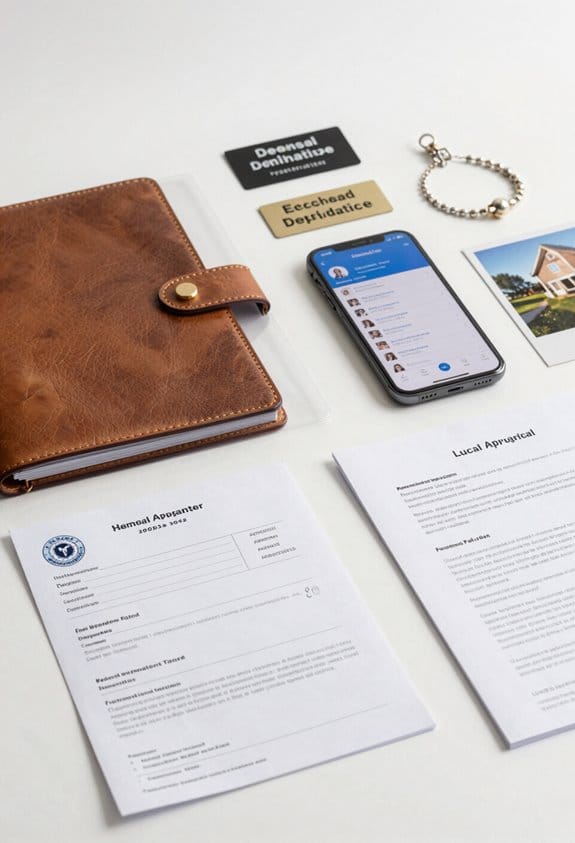
Have you ever thought about what you’d do if your home was hit by a disaster? It’s tough to think about, but having a solid home inventory can make a world of difference when it comes to filing insurance claims or replacing lost possessions. Here’s how to get started on creating one that really covers your bases.
First off, it’s crucial to detail each item you own. That means noting the make, model, and serial number of your belongings. Why? This info can be a lifesaver when dealing with homeowners insurance claims, making it a lot easier to prove what you had.
Don’t forget to document your purchase information as well. Jot down when you bought the item and how much it originally cost. This evidence serves as proof of ownership and can help speed up the claims process.
Now, here’s the trick: capture some visual evidence. Take clear photographs or even videos of your items, and label them for easy reference later. You might think you’ll remember everything, but trust me, that’s just not realistic in a stressful situation.
Keep in mind that your inventory isn’t a “set it and forget it” deal. It’s essential to regularly update it whenever you buy new things or get rid of old ones. Staying current helps you reflect your true possessions and keep your records accurate.
Lastly, make sure to store your inventory securely. Consider keeping a copy in a safe deposit box or using cloud storage. That way, you’ll avoid losing vital information in the event of a disaster.
Being thorough not only helps you keep track of your belongings but will also help ensure you have the coverage you need when it counts. Utilizing systems with local storage options means you can keep a secure digital copy of your inventory without recurring fees. So, what’s stopping you from getting started on your home inventory today?
Effective Techniques for Documenting Your Home Inventory
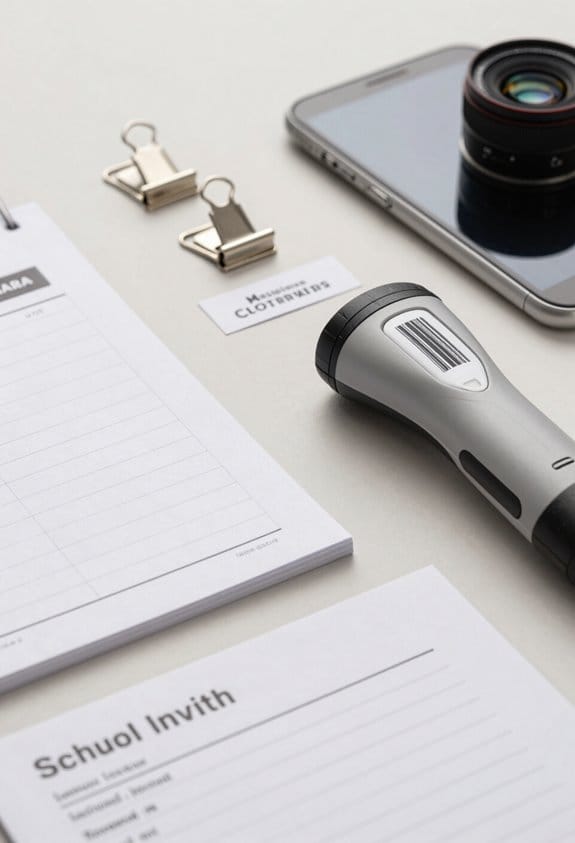
Have you ever thought about what you’d lose if disaster struck your home? It’s a tough thought, but being prepared is key. Documenting your home inventory can seem overwhelming, but there are simple techniques to help you get it done and keep it accurate.
Start by taking clear photos of every room in your home. Use your smartphone or camera to capture wide shots and close-ups of your most valuable items. Pictures can tell a story all on their own and are a great visual record.
Next, create a digital inventory. Record details like the make, model, serial numbers, and purchase dates for each item. Don’t forget to add in descriptions that give your items context; that way, if you need to reference it for insurance, you’ll have everything laid out. Ever thought about recording audio descriptions too? It might sound out there, but it can really add personality and help you remember what each item means to you.
It’s also essential to keep your inventory updated. Whenever you make a significant purchase or sell something, take a few moments to add or remove items from your list. It keeps your inventory relevant and accurate—something you’ll be grateful for down the line!
Finally, think about where you’ll store this valuable information. Make copies and stash them in a few secure places, like cloud services and fireproof safes. After all, you want protection against loss during emergencies. How else will you ensure you’re ready for whatever life throws your way?
Including your home inventory in a fireproof document bag can offer additional protection during emergencies, preserving essential paperwork and valuables.
Using Technology for Your Home Inventory
Have you ever found yourself frantically searching for an item just when you need it most? Keeping track of everything you own can feel like a full-time job, but tech can really lighten the load when it comes to managing your home inventory.
Try this: grab a mobile app specifically designed for home inventory management. These tools allow you to create a room-by-room list of your belongings, making it easier than ever to document everything. One of the best parts is that you can snap photos or record videos of your items, adding in details like purchase dates and serial numbers—all of which are super helpful if you ever need to file an insurance claim.
Don’t forget to store digital copies of important documents and receipts right alongside your inventory. Keeping everything in one spot not only saves time but can also be a lifesaver in emergencies. And here’s the trick: regularly back up your information to a secure online account or external hard drive. You’d be surprised how these simple steps can protect you against potential loss.
Regularly reviewing your inventory is a must. Make it a habit to update your inventory after significant purchases or changes. This way, you’ll always have an accurate count of your household items. So, why does this matter? Well, having an up-to-date inventory can save you from major stress later on. Including emergency preparedness in your inventory considerations ensures you’re ready for unexpected situations.
How to Store Your Home Inventory Securely
How can you ensure your home inventory stays safe and easy to get to during emergencies? It starts with making a solid list of your most important items. Be sure to keep all sales receipts with your inventory; they’re often vital for insurance claims down the road. Storing a physical copy in a fireproof safe or a safety deposit box can provide that extra layer of protection we all need.
Now, let’s talk about digital options. Cloud storage is a smart move for keeping digital copies. It shields your information from local threats like theft or fire that could wipe out your physical copies in a flash. Plus, it can be a good idea to back up your inventory on an external drive for added peace of mind. Storing multiple copies in different locations just makes sense.
And here’s the trick: keep things organized by emailing your inventory to your insurance agent for a quick review. You’d be surprised how often updates are overlooked. Setting reminders for semi-annual check-ins ensures everything is accurately documented and nothing slips through the cracks. Also, regular updates help maintain preparedness alongside maintenance of emergency kits to keep all aspects of your emergency readiness current.
How Often Should You Update Your Inventory?
How Often Should You Update Your Inventory?
Have you ever thought about how easy it is to lose track of what you own? Not only can it be difficult to remember where everything is, but keeping an accurate home inventory is crucial for security and insurance purposes. The last thing you want is to make a claim and realize that you didn’t document your valuable items properly. Here’s how to stay on top of your inventory like a pro.
Start by making a habit of updating your inventory right after you buy something significant. It’s a simple step that prevents any forgetfulness down the line. You don’t want to scramble if something happens and you need to prove what you have.
Honestly, setting an annual review can do wonders. You’ll want to check in on any changes, and keep track of new purchases or gifts you’ve received. Seasonal items deserve a bit of attention too. You know, that inflatable yard decor you use for Halloween? Make sure you account for it when it’s not on display.
As for the high-ticket items, it’s wise to look at them regularly. Their value can fluctuate over time, and you might need to adjust your insurance coverage to reflect that. Retirement funds aren’t the only thing that appreciates, right?
Try these little tips to keep things fresh: set reminders every six months to review your inventory. It’s a straightforward way to ensure you remain consistent and thorough. Using a monitored home security system can also help by providing detailed records and video verification of valuable items for your inventory.
Understanding Insurance Coverage for Your Inventory
Are you really protecting your home inventory? It’s easy to overlook valuables you own until something goes wrong. Making a detailed inventory of all your important items can save you a world of hassle later.
First, start by listing out valuables along with their descriptions. You don’t want to be guessing about what you have when it comes time to file a claim. Keep in mind that your insurance policy might cover your items either by actual cash value or replacement cost, which can significantly affect what you’ll get back if there’s a loss. Have high-value items? Make sure to discuss with your insurance agent because some of them need additional coverage.
And don’t forget to document the current value of everything you own. Why is this so important? Because if you ever have to file a claim, having accurate and up-to-date documentation can really help with the recovery process. Remember, items stored off-site, like in a safe deposit box, should also be included in your list.
Here’s the trick: regularly update your inventory. It’s easier to do this when the details are fresh in your mind, and it can spare you some unpleasant surprises later on. For enhanced protection, consider integrating your inventory list with a wireless home security system, which can help monitor and secure your valuables in real time.
How Can a Home Inventory Save You?
Have you ever thought about what would happen if your home was damaged or burglarized? When it comes to protecting your prized possessions, creating a home inventory can really make a difference when you need it most. By taking some time to jot down a list of your belongings and providing detailed descriptions—like when you bought them and the serial numbers—you can simplify the insurance claims process immensely.
One helpful tip is to create a photo catalog. Having visual proof of what you own can be incredibly valuable when dealing with renters insurance. After a disaster strikes, an updated inventory will help you quickly identify your losses and get the financial compensation you deserve. On top of that, this documentation might even assist with tax deductions down the line.
So, why does this matter? Well, a smart inventory acts as a safety net against loss and underinsurance. It’s about having peace of mind in uncertain times.
In short, keep that inventory updated and accessible. You never know when you might need it, and being prepared can save you a lot of headaches later on. How about starting your inventory today? If you need a little nudge, think about what you’d miss most if you suddenly lost it all. Including details about your emergency preparedness supplies in your inventory can also ensure comprehensive protection for your household.
Tips for Keeping Your Inventory Organized and Up-to-Date
Organizing and updating your home inventory can seem like a huge task, can’t it? But with a few straightforward strategies, you can tackle it and keep everything running smoothly. Here are some tips to help you stay organized and make sure your inventory is always up-to-date:
First off, make a list. Write down each item’s details, from furniture to electronics, including descriptions and purchase dates. It seems simple, but having this information handy is vital.
You might want to consider using mobile apps. They make it easy to organize inventory room by room, and you can access everything from your smartphone. No more rummaging through piles of paperwork!
Another thing to do? Update your inventory right after you make a big purchase. This keeps your details fresh and saves you the headache of trying to remember everything later.
Don’t forget about those annual check-ups. Set a reminder to review your inventory values, especially for insurance purposes. It’s a good idea to align this with recommendations from the Insurance Information Institute, so you know you’re covered.
Truth is, it’s smart to create digital backups of your inventory. Store copies securely in the cloud or on external drives. This way, you’re protected against loss and can easily access your information whenever you need it.
Additionally, integrating your inventory with smart home security systems can provide real-time alerts if valuable items are moved or tampered with, adding an extra layer of protection.
Frequently Asked Questions
What Should I Do if I Lose My Home Inventory?
If we lose our home inventory, we should explore replacement options, utilize digital backups, organize documentation systematically, manage insurance claims efficiently, acknowledge emotional impact, and implement future prevention strategies for peace of mind and security.
Can I Create an Inventory for My Rental Property?
Absolutely, we can create a rental property inventory! Documenting valuables helps protect our tenant rights. Using digital inventory tools, we’ll guarantee periodic updates align with rental agreements and insurance considerations for maximum peace of mind.
Is a Home Inventory Necessary for Renters?
Absolutely, a home inventory’s essential for us renters! It supports our renters insurance, aids in loss claims, and strengthens our emergency preparedness. Plus, effective inventory methods guarantee we meet tenant responsibilities and safeguard our assets.
How Can I Assess the Value of My Items?
We can assess our items’ value by using appraisal methods, online tools, and itemizing collections. Documenting receipts, evaluating electronics, or even hiring professionals guarantees we have accurate values for our insurance coverage needs.
What Items Are Often Overlooked in Home Inventories?
We often overlook sentimental items, seasonal decorations, and artwork prints in home inventories. Don’t forget electronics accessories, kitchen gadgets, garden tools, and clothing collections—these treasures can hold significant value beyond their apparent worth.