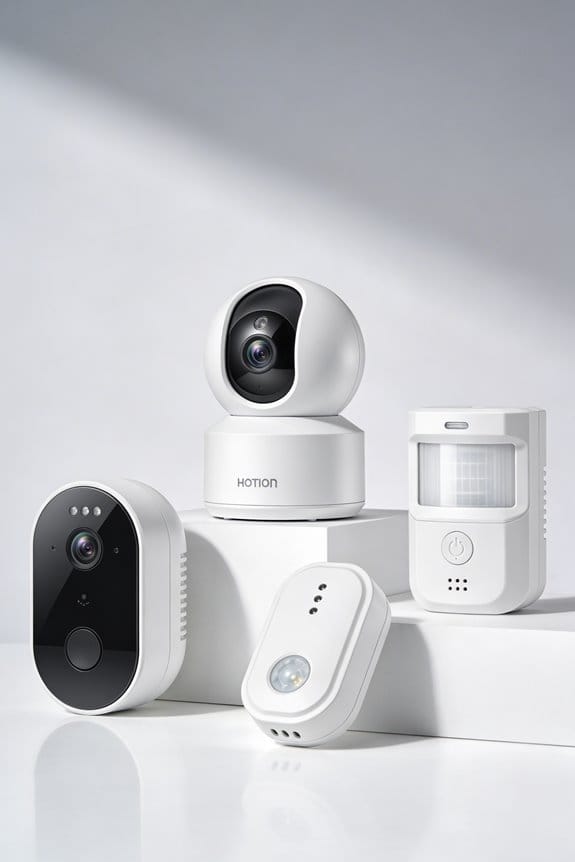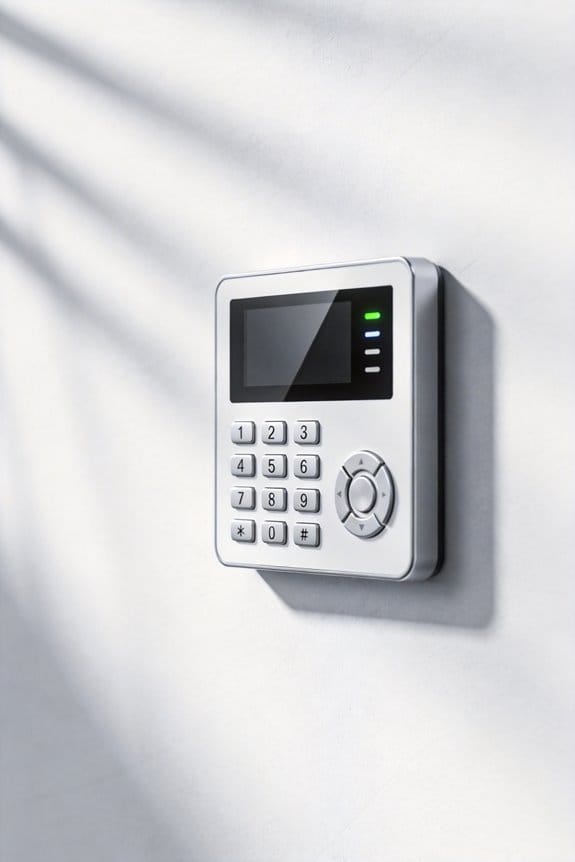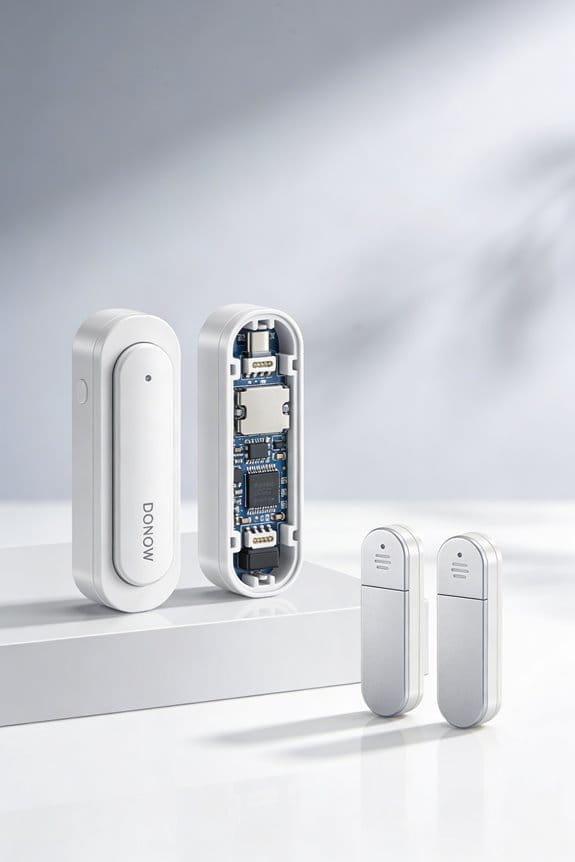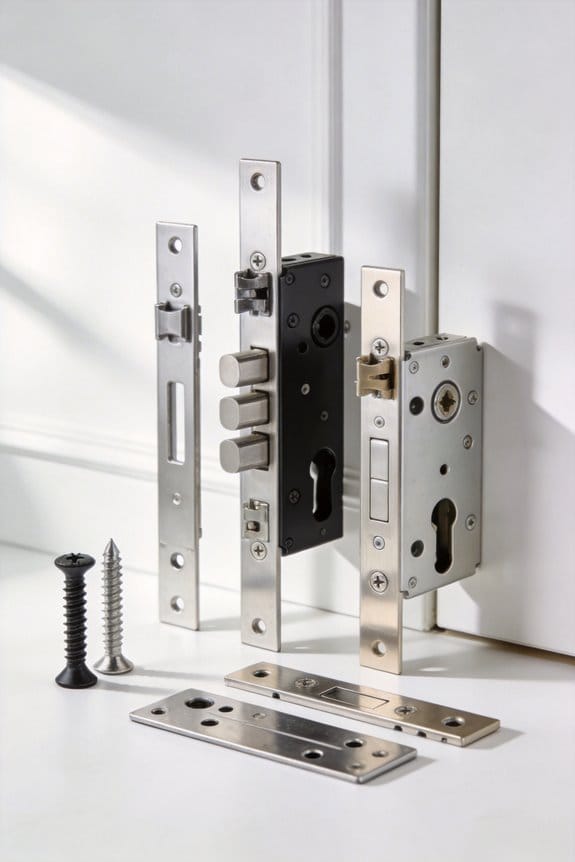
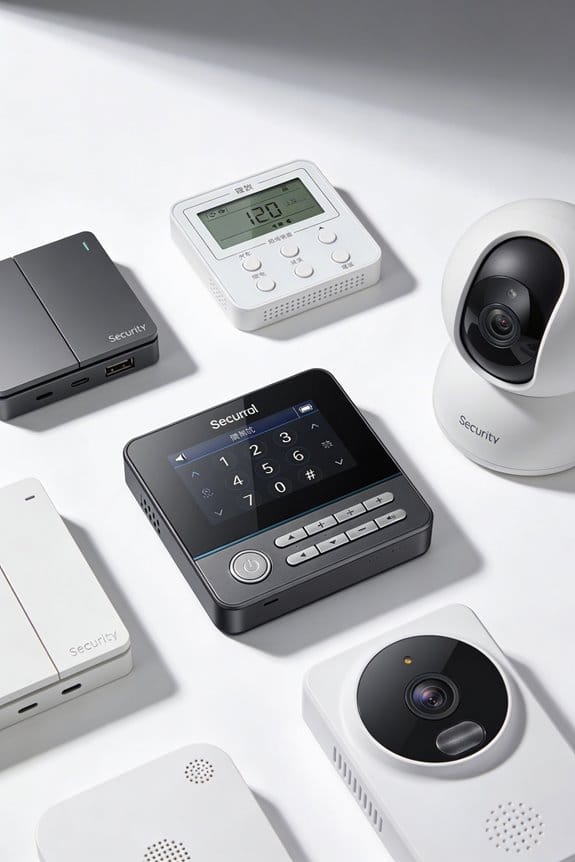

Home security systems work by combining various technologies to protect our homes effectively. These systems typically include sensors, cameras, and alarms that monitor for intrusions. When a sensor detects movement or an entry point is accessed, it sends alerts to our smartphones or a monitoring center. High-decibel alarms deter intruders, while cameras provide video evidence. We can choose between DIY or professional monitoring. Understanding these components helps guarantee our safety. Let’s explore how each part functions in greater detail.
Key Takeaways
- Home security systems combine sensors, cameras, and alarms to monitor and protect homes from intruders and hazards.
- Sensors detect entry points, motion, and environmental changes, sending alerts to the central control panel.
- Cameras provide real-time video feeds and evidence of disturbances, enhancing monitoring capabilities.
- Monitoring can be DIY or professional, offering options for 24/7 oversight or budget-friendly self-management.
- Mobile apps allow users to receive alerts and control their security systems remotely for added convenience.
Why You Need a Home Security System
Have you ever thought about how safe your home really is? The reality might surprise you. Homes that don’t have a security system are three times more likely to be burglarized. That’s a pretty staggering number.
So, why does this matter? A good security system doesn’t just monitor your property; it offers peace of mind knowing that professionals are keeping an eye on things for you. Imagine being able to relax at home or even take a trip without constantly worrying about a break-in.
Consider a few benefits of having a home security system:
- Alerts to criminal activity: You’ll be notified immediately if something suspicious is happening.
- Reduced risks: Systems can help deter vandalism and trespassing.
- Insurance discounts: Many insurance companies offer discounts between 2% to 10% for homes with monitored security systems.
Modern systems often include multiple user alerts so that all family members stay informed in real time.
Truth is, investing in a security system is smart for your home and your wallet. Let’s not wait for a scary story to motivate us; take a proactive step to safeguard your space.
In the end, being safe and secure should be a priority for all of us. Are you ready to dive into which security components are right for your home?
What Are Home Security Systems and How Do They Work?
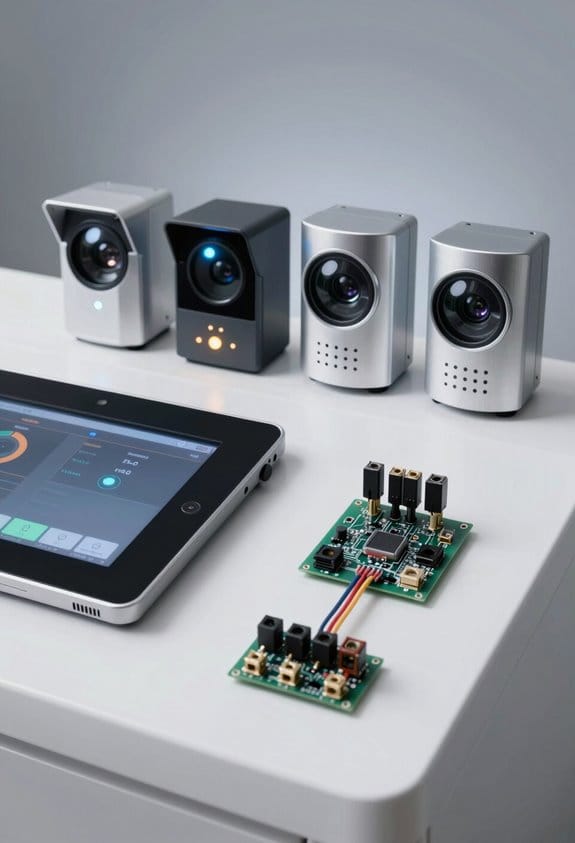
What’s the first thing that comes to mind when you think about keeping your home safe? If you’re like most people, the thought of a break-in, fire, or flood probably rattles you a bit. That’s where home security systems come in. They’re a blend of cameras, alarms, and sensors all working together to keep your space secure.
These systems usually link to a central hub that ties everything together. What’s cool is that you can monitor your setup right from your phone with an app. So, when you’re away, you still have your eye on things.
Here are some essential features you might want to consider:
- Real-time alerts for any disturbances
- Professional monitoring services to keep an eye on things 24/7
- Quick access to emergency services when alarms go off
So, which kind of system is best for you? Some folks like the peace of mind that comes with professional installation. Others prefer self-monitoring options where they get alerts directly, without ongoing monthly fees. Both routes have their perks, depending on what you need.
Honestly, setting up a home security system gives you more control over your safety, and understanding how it works can make a huge difference. Many modern setups also integrate with smart home assistants for added convenience and control. So, are you ready to take that step toward feeling a bit safer at home?
The Core Components of a Home Security System
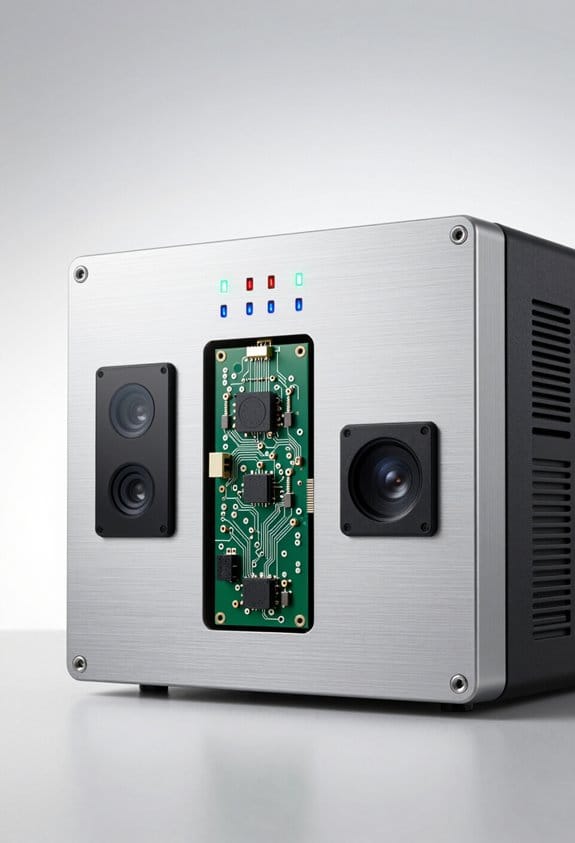
Ever thought about how secure your home really is? If you’re like most people, you probably want to keep your loved ones and belongings safe. A strong home security system serves as your first line of defense, and it starts with the right components.
First up are Door and Window Sensors. They’re pretty straightforward and work with magnets that alert you when someone opens an entry point. It’s a simple but effective way to keep an eye on those crucial access spots.
Then there are Glass Break Sensors. These babies detect the sound of breaking glass, adding an extra layer of protection. Why does this matter? Because it can catch intruders before they even step foot inside!
Now, let’s talk about Motion Sensors. They use passive infrared technology to notice unusual movement and heat. The best part is they’re smart enough to ignore your furry friends, so you won’t be wrestling with false alarms caused by your cat jumping off the couch.
Another critical piece is the Alarm System. With a high-decibel siren that can hit up to 130 decibels, it doesn’t shy away from scaring off unwanted guests and alerting your neighbors. If you’re living in a close-knit community, this could make a real difference in response time.
At the heart of it all is the Control Panel, which coordinates everything. Combine that with a Monitoring Station, and you’ve got constant oversight, especially when you add in smart home technology. This creates a smoothly running network of connected devices that keep you informed.
Many systems also offer 24/7 professional monitoring to ensure that emergency services can be quickly contacted when an alarm is triggered.
How Sensors and Cameras Detect Intrusions and Threats
How Sensors and Cameras Detect Intrusions and Threats
Have you ever wondered how to keep your home safe from break-ins? With the right combination of sensors and cameras, you can build a solid security system that gives you peace of mind. Let’s break down how these devices work together to keep your space protected.
- Entry Sensors: These clever little gadgets are attached to your doors and windows. When you open one, they break or complete a magnetic circuit, sending you an alert right away. It’s an easy way to know if someone’s tampered with your entry points.
- Glass Break Sensors: Have you ever thought about how vulnerable your windows are? Glass break sensors listen for the specific sounds of breaking glass, allowing them to cover a larger area than entry sensors. They’re particularly handy for those windows out of sight from the door.
- Motion Detectors: So, how do these work? Motion detectors use passive infrared technology to pick up heat signatures from people in your home while cutting down on those pesky false alarms triggered by pets. They’re great for monitoring areas like hallways or living rooms.
- Cameras: Now, what’s a security system without cameras? These devices can capture video evidence if something goes wrong. Many modern cameras come with features like motion detection, night vision, and even two-way audio, which lets you talk to anyone on your property through the camera.
- Environmental Sensors: Don’t forget about safety beyond break-ins. Environmental sensors, like carbon monoxide detectors and smoke alarms, alert you to dangerous situations in your home. The best part is they often integrate smoothly with your security system, so you’re covered on all fronts.
Many systems also use dual-network technology combining GSM and Wi-Fi to ensure real-time alerts and more reliable connectivity.
In today’s world, having a reliable security system is more important than ever. With these sensors and cameras working together, you can feel more secure in your own home. What steps are you taking to ensure your space is safe?
The Importance of Alarm Systems for Immediate Alerts
Why should you think seriously about alarm systems for your home? It’s simple: they provide immediate alerts that can make all the difference in protecting your space. While it’s easy to focus on cameras and fancy sensors, don’t forget that alarm systems are a key player in the security game. They combine motion detectors, glass break sensors, and door entry triggers to create a powerful alert system that kicks in as soon as an intruder steps foot on your property.
When an alarm does go off, you can expect a high-decibel siren to sound—think loud enough to turn heads in the neighborhood. This noise not only scares off potential intruders but also alerts your neighbors that something’s not right. Plus, if you’ve got professional monitoring set up, they’re on the phone with emergency services right away, which can shave valuable minutes off response times. That’s crucial when every second counts.
But it doesn’t end there. You can stay connected and informed even when you’re not home thanks to mobile app notifications. Imagine getting an alert on your phone while you’re out shopping or on vacation. You can take action quickly, whether that means calling a friend to check things out or contacting the authorities yourself.
Here are a couple of tips to keep in mind:
- Consider signing up for professional monitoring services. It’s an extra layer of safety that can really pay off.
- Don’t forget to test your alarm regularly. This helps ensure it’s actually working when you need it most.
Many modern systems also offer expandability options, letting you add additional sensors and components as your security needs grow, ensuring tailored protection for any home size.
How a Central Control Panel Manages Your Security
Ever thought about how vital a central control panel is in your home security system? It’s like the brain that ties all your security gadgets together. You’ve got sensors, cameras, alarms, and they all need to communicate with each other. The control panel is what makes that happen, and it plays a key role in keeping you safe.
When your entryway sensors or motion detectors sense something unusual, the control panel kicks in to process those alerts. It’s like having a safety net that constantly watches over your home. And with apps on your phone, you can manage everything from anywhere—talk about convenience! You can quickly check the status of your system and even get real-time notifications if something’s off.
The best part? Your panel usually connects to professional monitoring services. So if an alarm goes off, they’re right on it, ready to contact emergency services if needed. That’s a relief, right? You’re not just relying on your own judgment in these stressful situations.
Here’s the trick: keep your panel’s software updated. Regular updates help maintain its performance and security features.
Moreover, many systems now incorporate AI-powered detection to reduce false alerts and ensure accurate threat identification.
So, why does this matter? With an integrated security system that relies on a central control panel, you’re not just looking at a bunch of isolated devices. You’re creating a cohesive security experience that adapts to your needs.
In short, your central control panel is crucial for a solid home security system. Are you making the most of it?
Integrating Smart Home Tech With Security
Home security can feel overwhelming, right? With all the different options out there, it can be tough to know what actually makes a difference. But here’s something worth considering: smart home technology has made it easier than ever to keep your home safe. You can now use smart locks and security cameras that let you control who gets in and keep an eye on things from anywhere through your phone.
So, what can you do with these smart systems? For starters, try using voice commands. It’s super convenient—you can control everything without lifting a finger, thanks to voice assistants like Amazon Alexa or Google Assistant. Just imagine stepping into your home and telling your smart speaker to lock the doors.
A cool perk of smart security cameras is real-time streaming. This means you’ll get alerts straight to your phone when something isn’t right. If you’re out enjoying dinner and someone approaches your door, you’ll know right away.
Honestly, automation is where it gets interesting. You could schedule your doors to lock at a certain time or program your lights to turn on in the evening. This way, it looks like someone’s home, which can help keep potential burglars at bay.
Don’t forget about environmental sensors, either. These nifty devices keep you updated on things like smoke and carbon monoxide levels, even when you’re not around. It’s one less thing to worry about.
Many systems also feature customizable security modes that adapt to your lifestyle and enhance protection.
With these smart technologies, you can ramp up your home security game while enjoying a bit of peace of mind. So, what are you waiting for? Are you ready to make your home safer with a few simple upgrades?
DIY vs. Professional Monitoring: What’s Best for You?
How do you choose the right monitoring for your home security? It can feel overwhelming. You either have the DIY route staring you in the face or the allure of professional services, each with its own perks.
Let’s break it down.
DIY Monitoring is usually the budget-friendly option. You won’t be paying those monthly fees, which can really add up over time. Plus, with mobile apps, you can stay in the loop and monitor your property yourself. But keep in mind, this means you have to actively participate in your home security. So, are you ready to stay engaged?
On the flip side, we have Professional Monitoring. Yes, it does come with a price tag—typically around $10 to $40 a month. But think about it: you get 24/7 emergency services and quicker response times, putting your mind at ease, especially when you’re not home. The peace of mind knowing there’s a team ready to respond in case of an emergency can be worth its weight in gold.
Many providers offer 30-day free trials so you can test professional monitoring services without immediate commitment.
At the end of the day, it’s all about balancing your budget with how much involvement you want in your security. DIY gives you control and can save you some money, but professional services provide that reassuring safety net. So, which one aligns better with your lifestyle and security needs?
Installation: How to Set Up Your Security System
How do we set up our home security system for ideal effectiveness? You might be wondering about the best way to protect your space without breaking the bank. Well, you’ve got two main routes: either go for a professionally installed system or take the DIY route. If you choose the latter, many of today’s home security systems are wireless, making it a breeze to set everything up.
When you’re thinking about where to place those key components, remember to focus on the vulnerable spots in your home. Entryway and motion sensors are your best friends in this aspect. And guess what? With mobile apps available, you can follow easy, step-by-step instructions right from your smartphone or tablet, whether you’re a tech wizard or just getting started.
Once everything’s set up, you’ll get alerts sent straight to your phone about any suspicious activity. How great is that? Plus, some companies will even waive those pesky activation fees, which can make a security system more budget-friendly than you might expect. Honestly, with a little effort on your part, you can really boost your home’s security. Many systems also offer the convenience of app-guided setup to simplify the installation process even further.
Pro Tip: Always test each sensor after installation to guarantee it’s working properly. This simple step can save you a lot of headaches down the line.
Essential Factors for Selecting Your Home Security System
Choosing a home security system can feel overwhelming, right? With all the options out there, how do you know what’s best for your home and family? To help you out, let’s break down some important things to consider that can make a big difference in your safety and peace of mind.
First off, think about the areas you need to protect. Focus on key entry points—like doors and windows—as well as any high-risk areas in your home. After all, you want comprehensive coverage, so it’s worth putting some thought into this.
Next, monitor your monitoring options. Do you feel more comfortable with a professional service keeping an eye on things 24/7, or do you prefer to stay in control with self-monitoring through a mobile app? What works for you might be different from what your neighbor prefers, so it’s good to weigh those choices carefully.
Budget is another big factor. You can find systems for under $100, but if you want something customizable, that might mean spending a bit more. Just remember, you’re looking for the balance between what fits your needs and what you can afford.
When you’re shopping around, the user-friendliness of the system is key too. You don’t want to feel overwhelmed by complicated setups. Systems that are simple to use can really enhance your experience and help you stay satisfied in the long run.
And here’s the deal—if you choose a monitored system, check with your insurance company. Sometimes, they offer discounts on homeowner’s insurance, and who wouldn’t want to save money?
It’s also smart to consider systems with dual connectivity options, like WiFi and GSM, to ensure your protection stays active even during internet outages.
So here’s a tip: as you compare features and services from different brands, make sure you’re picking a solution that fits your unique needs. It might take a little time, but it’s worth the effort to ensure your home is safe and secure.
In the end, it all comes down to making an informed decision that feels right for you and your home. What steps do you think you’ll take next in your security journey?
Frequently Asked Questions
How Does a Home Security System Work?
A home security system works through various sensor types, alarm monitoring, and security cameras. We enjoy remote access, smart home integration, and an intuitive user interface, while considering installation costs and ongoing system maintenance together.
What Security System Do Burglars Hate?
Burglars hate alarm systems with loud sirens, visible cameras, and motion sensors. Add monitored alarms, neighborhood watches, and deterrent signage, and we’ve created a fortress they’d rather avoid—smart technology works wonders in keeping them at bay!
What Are the Downsides of Home Security Systems?
Home security systems can come with downsides like false alarms, installation costs, and ongoing monitoring fees. We might also face reliability issues, power outages, and privacy concerns, leading to a sense of false security and limited coverage.
What Are Common Home Security Mistakes?
We often make common mistakes like faulty sensors, ignoring alarms, or having complex systems. Neglecting maintenance, using outdated technology, and poor lighting can leave us vulnerable, so we should guarantee proper alarm placement and secure our Wi-Fi.