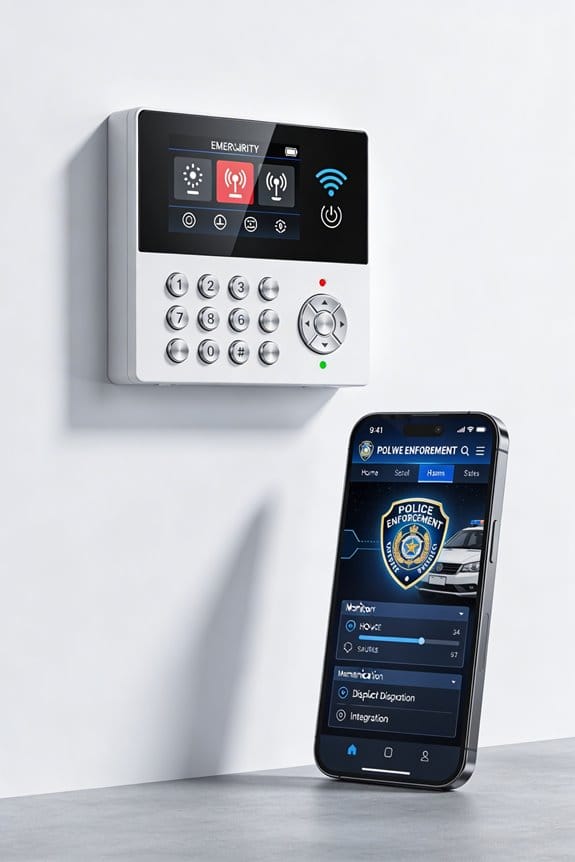

Security systems, like License Plate Recognition and mobile surveillance units, effectively integrate with local law enforcement to enhance community safety. These technologies enable real-time alerts on stolen vehicles, improve patrol efficiency, and help solve over 700,000 crimes annually in the U.S. By providing high-quality footage and identifying crime trends, they promote better resource allocation. Furthermore, using these tools fosters trust within communities through transparency and quick responses. Let’s explore more on how these innovations improve public safety.
Key Takeaways
- Security systems like License Plate Recognition (LPR) provide law enforcement with real-time alerts on stolen vehicles and crime-related activity.
- Mobile surveillance units enhance public safety by offering visible deterrents and monitoring crime-prone areas effectively.
- Automated systems streamline investigations by delivering high-quality video evidence for better case management and accountability.
- AI-powered analytics in security systems help identify crime hotspots, allowing law enforcement to allocate resources more efficiently.
- Effective integration of surveillance technology fosters community engagement while balancing safety concerns and individual privacy rights.
The Rise of License Plate Recognition in Local Police Departments
Have you ever felt uneasy when you see police cars patrolling your neighborhood, wondering if crime is on the rise? You’re not alone. But it turns out local police departments are stepping up their game with technology that helps them keep us safer—License Plate Recognition (LPR). This tech is not just fancy gadgets; it’s helping solve over 700,000 crimes each year in the U.S., which is a big deal when you think about it.
How does it work? Well, LPR systems automatically scan license plates, giving cops real-time alerts about stolen vehicles or those linked to other crimes. This way, officers can quickly respond to what’s important, rather than wasting time on less pressing issues. It’s like having eyes on the road all the time, helping police keep tabs on vehicles without the need for constant manual checks.
Here’s something many people don’t realize: LPR tech isn’t just about one department. It promotes teamwork among various public safety agencies, which means they share information and resources across different areas. And get this—when police work together like this, they can catch more bad guys and improve safety for everyone in town. Sounds promising, right?
So, what does this mean for you as a resident? It means a more secure environment. If police can track stolen cars or solve cases more efficiently, that’s less crime for all of us to worry about. Plus, it frees up officers’ time to focus on more serious issues rather than getting bogged down with paperwork or outdated methods.
In closing, LPR technology is making a tangible difference in our neighborhoods. The integration of high-resolution security cameras further enhances the ability to capture clear images for LPR systems, improving accuracy and enforcement capabilities. It raises the question: How can we continue to support law enforcement in using such tech wisely? Remember, a more connected community means everyone plays a part in keeping it safe.
Enhancing Law Enforcement With License Plate Recognition
Have you ever wondered how law enforcement can respond so quickly to crime? License Plate Recognition (LPR) technology is a big part of that answer. It fits right into daily police operations and makes their job a whole lot easier. For instance, with LPR, officers can track down stolen cars fast, which contributes to solving more than 700,000 crimes every year. Isn’t that impressive?
Real-time alerts about vehicles make a world of difference during traffic stops. Instead of combing through records manually, LPR scans plates automatically, covering more ground in less time. This means officers can focus their energy where it really matters, allowing for more efficient use of resources. So, why does this matter? Because it means police can tackle serious problems like violent crime or drug trafficking more effectively.
Moreover, LPR doesn’t just help with immediate situations; it also identifies crime trends over time. This insight allows police departments to plan their patrols better, enhancing safety for everyone. The best part is that it’s actually helping to make neighborhoods feel more secure.
Integrating LPR with 24/7 professional monitoring systems enhances law enforcement’s ability to respond swiftly to threats.
How Real-Time Data Sharing Builds Trust With Communities
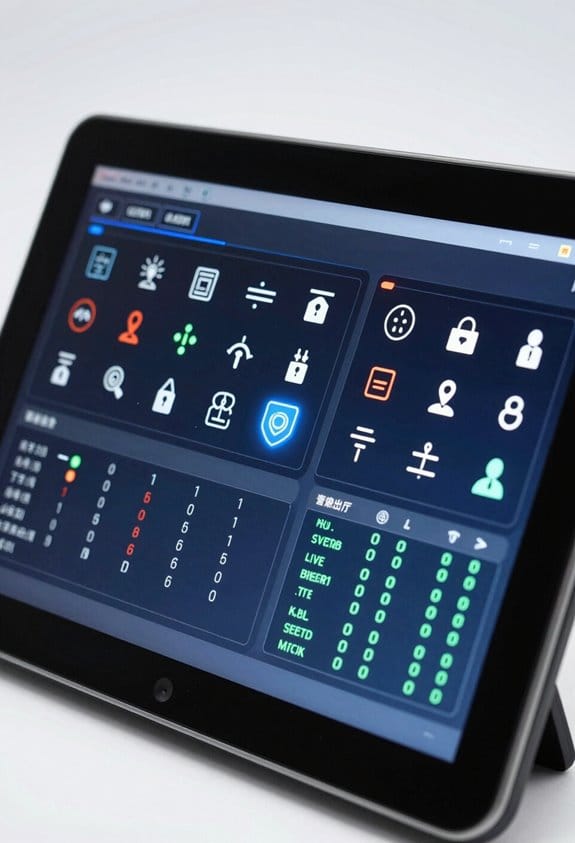
Have you ever felt a little uneasy about the relationship between law enforcement and your community? It seems like more and more people are questioning how much surveillance is too much. That’s where real-time data sharing comes in, especially with tools like license plate recognition (LPR). This technology isn’t just about tracking vehicles; it’s about building trust between police and the public.
So, how does it work? With LPR, officers can quickly respond to vehicles that have been flagged for various reasons. You might be surprised to learn that using this system has helped solve over 700,000 crimes each year. When police and communities work together using data, it leads to better safety measures for everyone involved.
Community feedback is vital to make sure the impact of surveillance is well understood. You might wonder, “How does this affect me?” Continuous monitoring can help officers be more aware of their surroundings, which means they can make smarter choices in keeping you safe. It’s all about having the right balance between safety and privacy.
The best part is this partnership creates transparency. When people clearly understand how and why these technologies are used, it fosters a sense of trust. So, if you hear about more LPR systems in your area, think about how they might actually benefit your community by reducing crime.
Additionally, integrating systems with AI detection capabilities can minimize false alarms and enhance the efficiency of real-time surveillance.
Using Mobile Surveillance Units to Prevent Crime
Have you ever wondered how we can make our neighborhoods safer? One way to do this is by improving the relationship between law enforcement and our communities. Real-time data sharing can really help build that trust. Mobile surveillance units are a significant part of this effort, especially when it comes to preventing crime. They provide real-time footage that helps monitor large public events, making them a useful tool for police and community safety.
These units aren’t just high-tech gadgets; they serve as a visible deterrent in areas often hit by crime, like parking lots and busy streets. The best part is, they have some impressive features that make them effective:
- Automatic License Plate Recognition (ALPR): This isn’t just tech jargon—it’s a way to quickly identify stolen vehicles, so you can feel safer knowing that cars with bad intentions are being actively tracked.
- Rapid Deployability: If crime trends shift, these units can quickly adapt, allowing law enforcement to respond where they’re needed most.
- High-Quality Video Evidence: This makes it easier to manage cases and hold those responsible accountable.
Moreover, integrating advanced technologies such as AI motion detection enhances the accuracy and efficiency of these surveillance systems.
So, why does this matter? Because a visible presence can change the dynamics in crime-prone areas. People are less likely to commit crimes when they know they’re being watched. Honestly, it gives the community a sense of security that makes us all feel a little better.
To sum it up, mobile surveillance units are more than just cameras on wheels; they’re a step toward improving safety in our neighborhoods. Have you thought about how these tools can shape the future of crime prevention in your area?
How Surveillance Systems Improve Investigation Outcomes
Have you ever wondered how surveillance systems can really change the game for investigations? They play an essential part in making communities safer and improving the way police handle cases. High-quality video footage helps document incidents accurately, which means there’s less reliance on witness accounts that can sometimes be shaky or unclear.
One cool feature of modern surveillance technology is License Plate Recognition (LPR). This tool lets law enforcement track stolen vehicles and get alerts in real-time about flagged plates. It’s a real boost when it comes to identifying suspects quickly and efficiently.
Also, these systems make case management a breeze. Instead of digging through piles of evidence, officers can access stored footage easily, which leads to faster responses during active investigations. AI analytics are another great addition; they can pinpoint crime hotspots and help allocate resources where they’re needed most. This means they can often prevent incidents before they even happen—now that’s something to celebrate!
Live surveillance feeds add an extra layer of safety. They give officers the information they need right when they need it, allowing for safer engagements during high-pressure situations. The more informed they are, the better they can protect themselves and the public.
Additionally, systems with cloud storage capabilities ensure that critical footage is preserved and accessible in real-time, even if physical devices are compromised.
Upcoming Trends in Surveillance Technology for Policing
Have you ever thought about how technology could make policing more effective? With the rapid evolution of surveillance tools, there’s a whole new range of options that could significantly boost public safety.
For starters, mobile surveillance trailers and license plate recognition (LPR) systems are becoming essential. They give real-time alerts and improve situational awareness, which is crucial in today’s fast-paced world. You might even see them being used more frequently in your neighborhood!
Another interesting development is the rise of AI-powered video analytics. This tech makes it easier for law enforcement to search through hours of footage in minutes, helping them spot unusual behavior and identify crime hotspots. How amazing is it that officers can now focus their resources where they’re needed most?
Don’t overlook the benefits of solar-powered surveillance units, especially for those living in rural areas. These off-grid solutions can monitor the surroundings without needing a lot of infrastructure. It’s a smart way to keep an eye on things, wouldn’t you agree?
Centralized city-wide camera networks are also coming into play. They streamline coverage, making management easier during times of staffing shortages. It’s comforting to know that a coordinated system can help maintain security across wider areas.
Lastly, there’s a noticeable trend toward secure integration with cloud-based storage and data encryption. This isn’t just about keeping information safe; it ensures that police are following the rules and making the best use of the data they gather.
Additionally, advancements such as 2K resolution cameras with AI detection technology enable clearer identification and more accurate incident responses.
With all these advancements, policing is becoming smarter and more streamlined. Are these tools the key to safer communities, or do they raise more questions about privacy? Whatever your take, it’s clear that the future of surveillance in law enforcement is changing fast.
Frequently Asked Questions
How Do Security and Police Work Together?
In the tapestry of community partnerships, we blend forces with police, weaving incident reporting and real-time communication into a seamless fabric of crime prevention. Together, we enhance emergency response, patrol collaboration, and data sharing for safer neighborhoods.
How Does Private Security Help Law Enforcement?
Private security enhances law enforcement through effective partnerships, focusing on crime prevention, data sharing, and emergency response. Their patrol assistance and threat assessments support investigations, while training programs strengthen community relations and optimize resource allocation across both sectors.
What Surveillance Equipment Is Used by Law Enforcement?
We’ve all seen movies glamorizing high-tech surveillance, but law enforcement relies on body cameras, drones, license plate readers, facial recognition, crowd monitoring, and video analytics for real crime-fighting—a blend of technology we can’t ignore.
Why Is Cooperation Between Private Security and Law Enforcement Important?
Cooperation between private security and law enforcement is essential for crime prevention, emergency response, and community safety. By enhancing information sharing, resource allocation, and threat assessment, we strengthen public trust and improve security trends through cooperative training.