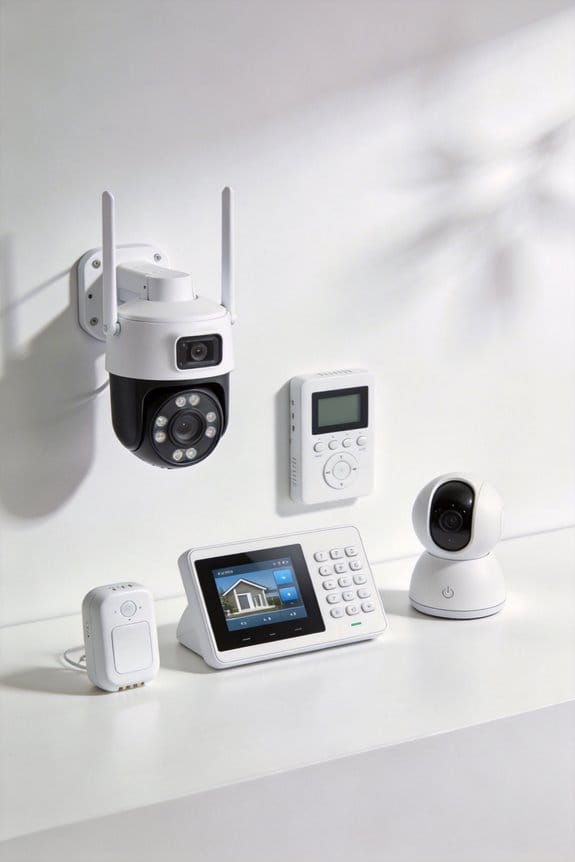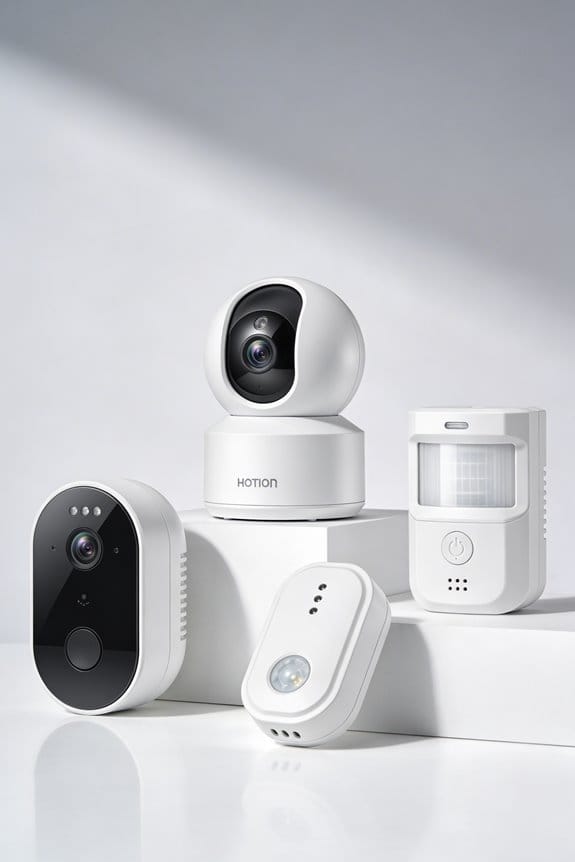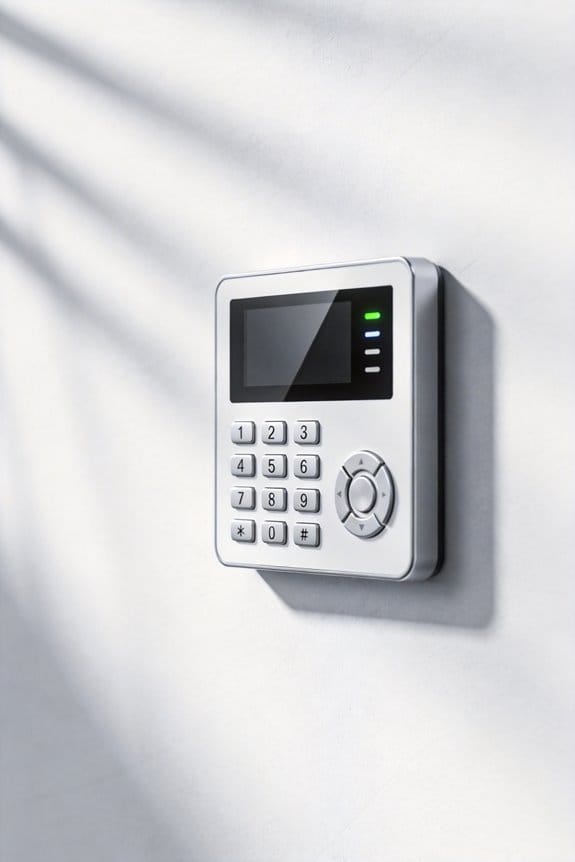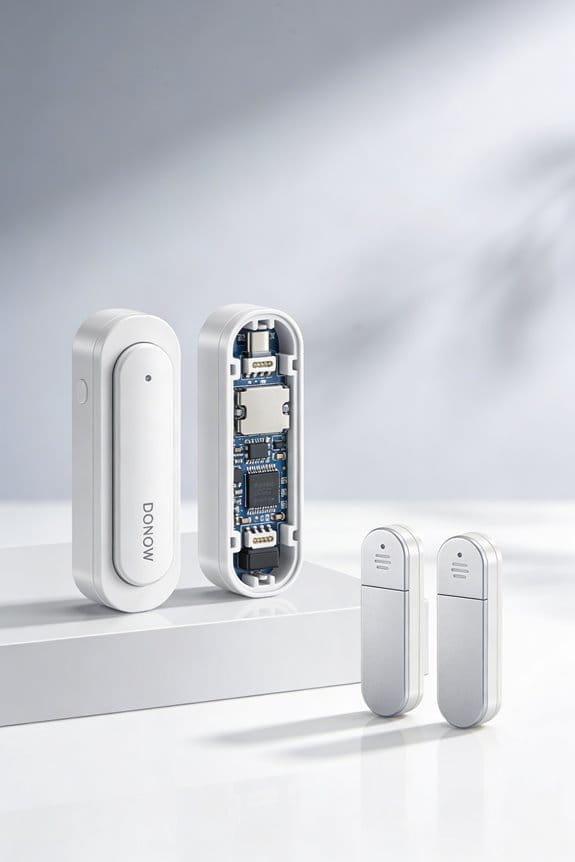
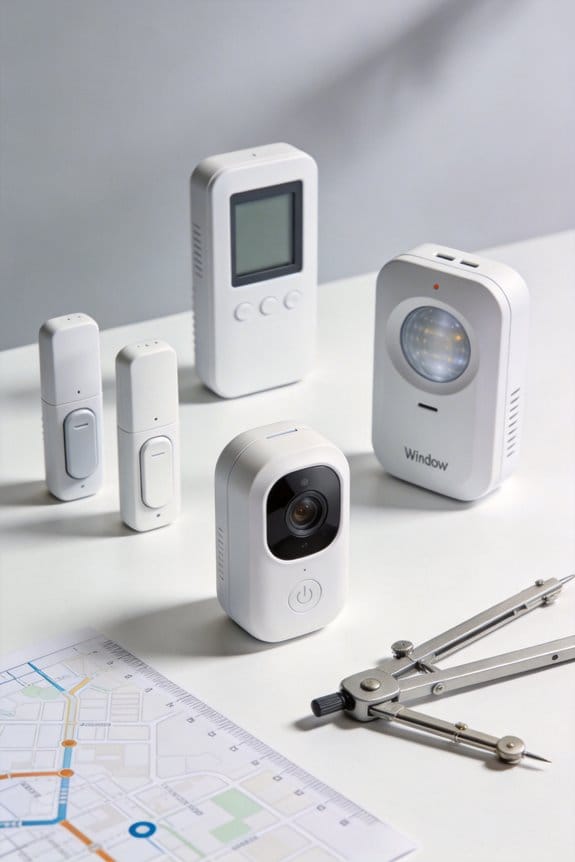

Mapping our home’s vulnerable entry points is essential for improving security and preventing break-ins. We should start by examining common entry areas, like doors and windows. About 34% of break-ins happen through unlatched doors, so we must guarantee our locks are solid. Windows need sturdy locks and screens. Don’t forget the garage; securing it cuts risk as well. By identifying these weaknesses, we can take effective steps to enhance security, and we’ll uncover more tips as we proceed.
Key Takeaways
- Identify and assess all potential entry points, including doors, windows, garages, and hidden spots like dog doors for vulnerabilities.
- Strengthen doors with solid deadbolts and check frames for damage, ensuring all exposed hinges are secure.
- Ensure all windows have functional locks and consider adding window security screens and glass break sensors for enhanced safety.
- Utilize motion sensor lights at entry points to improve visibility and discourage potential intruders during nighttime hours.
- Engage professionals to conduct security assessments and provide expertise on tailored solutions for securing your home effectively.
Why Mapping Vulnerable Entry Points Is Essential for Your Home
Have you ever thought about how secure your home really is? It’s easy to overlook vulnerable entry points, but doing so is key to keeping your space safe. In fact, a surprising 34% of break-ins happen at the front door, while 22% slip in through the back. Crazy, right?
To up your home security game, take some time to evaluate those first-floor windows—those are often left wide open during warmer months. You might also want to check out hidden spots like dog doors and garages; they can be pretty easy targets if you’re not careful.
Regularly updating your security measures will definitely help you sleep better at night. Understanding these entry points not only keeps robbers at bay but also gives you a sense of control over your home’s safety. You deserve to feel secure and prepared in your own space.
Integrating your security system with smart home platforms can enhance protection by providing real-time alerts and seamless control over your home’s vulnerable points.
Identifying Common Burglary Entry Points
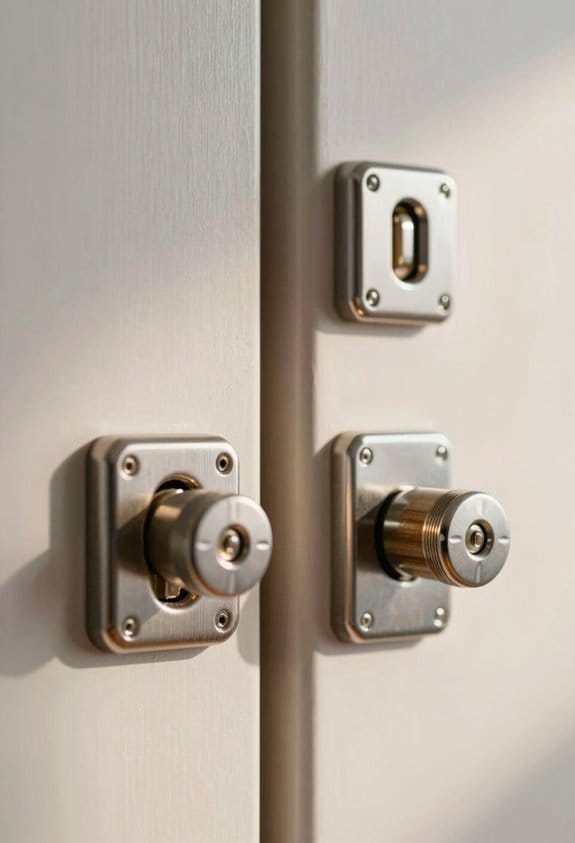
Have you ever thought about how easily a burglar could slip into your home? Understanding the common entry points is a smart step toward keeping your space safe. Here are some areas you should definitely focus on:
- Front Door: Believe it or not, about 34% of burglars use the front door to get in. It’s crucial to bolster your locks and ensure your door frame is sturdy.
- Back Door: This one’s a biggie, too. At 22%, the back door is often overlooked. Make sure it’s locked up tight and consider adding a deadbolt for that extra peace of mind.
First-floor windows can be a huge temptation for burglars, especially if you leave them open. Always take the time to close and secure them properly.
The garage is another spot to keep an eye on. It’s easy to forget about, but leaving it open can create a risk. Don’t forget to keep it closed and ensure any internal doors that lead into your home are secure as well.
And let’s not forget about dog doors. If they’re too big, they might as well be a welcoming sign for intruders. Think about each vulnerable spot in your home to keep it safe.
How to Inspect Doors for Security Weaknesses
Have you ever thought about how secure your doors really are? It might not be the first thing on your mind, but inspecting your doors for weak spots can make a huge difference in keeping your home safe.
Start by checking that all your exterior doors have solid deadbolt locks. These are way better than the usual doorknob locks when it comes to resisting forced entry. Don’t forget to take a good look at your door frames too; if they’re damaged or weak, it’s way easier for someone to get in.
Don’t overlook those hinges! Make sure any exposed ones have non-removable pins. This little detail can really help prevent tampering. And it’s super important to always make sure your doors are locked before you head out. Did you know that a staggering 34% of burglars walk right in through unlatched doors?
If you’re up for it, think about adding security screens or going for keyless locks. These upgrades can provide extra protection against unwanted guests.
Regularly checking your door security is a simple way to stay ahead of potential threats. Integrating your door security with a video monitoring system can further enhance your home’s protection.
Are you ready to take a closer look at your home security?
Key Areas for Improving Window Security
When it comes to home safety, we often think about locking our doors, but what about our windows? Many people underestimate just how vulnerable first-floor windows can be. If you don’t want to become an easy target for burglars, it’s crucial to beef up your window security. First things first, make sure all your windows have strong locks and consider adding window security screens. These steps can go a long way in keeping your home safe.
Try this:
- Check the locks on every window. Make sure they’re not just there for show; they need to be sturdy and operational.
- Consider adding window security screens. They can’t stop a determined burglar, but they definitely make it harder for anyone to get inside.
- Invest in window and glass break sensors. These systems will alert you immediately if someone tries to break in.
- Maybe even think about installing security cameras near your windows. They provide extra monitoring and can help you keep a watchful eye.
- For optimal protection, choose cameras with color night vision to ensure clear footage even in low-light conditions.
Regular checks of your window frames and locks are essential, too. After all, maintaining good security practices is as important as initially setting them up. So, why does this matter? Because a little prevention can save you from a whole lot of trouble down the line.
Yup, window security might not be the first thing on your mind, but it’s definitely worth the attention. What steps are you taking to ensure your home is safe?
Garage Security: Essential Risks and Enhancements
Most people think about securing their front and back doors, but what about that garage? It often ends up being an afterthought, and honestly, it can be a real weak point in your home security. So, what can you do to make your garage safer?
First off, lock all the internal doors that lead from the garage into your home. If someone gains access to your garage, they have a much easier path to get into your living space.
Try this: add motion sensor lights around your garage. These lights will turn on when they detect movement, brightening up any dark spots that could be appealing to a burglar. It’s amazing how much a little light can deter unwanted guests.
Speaking of control, have you ever considered remote operation systems for your garage door? They let you manage access right from your smartphone, which gives you peace of mind about who’s coming and going.
And let’s not forget about the importance of high-security locks. Put these on all doors and windows of your garage; it’s a smart way to resist tampering and make it much tougher for anyone to break in.
Regular inspections and maintenance of these features will go a long way in keeping your garage secure. It’s not just about protecting your stuff; it’s about keeping your entire home safe.
Integrating a reliable home security system with features like motion detectors and remote monitoring can significantly enhance your garage’s protection.
Easy DIY Security Tips for Your Home
Are you thinking about boosting your home security? You might not need to break the bank or hire someone to do it. Sometimes, the simplest DIY fixes can make a world of difference. Here are some straightforward tips that can help secure your home without a lot of hassle.
Jamming Sliding Doors: You might not realize how easy it is to reinforce your sliding doors. Just grab a wooden dowel and cut it to fit snugly in the track, or install a sliding bolt to better secure it. It’s a small change that can make a potential intruder think twice.
Check Locks: When was the last time you checked your locks? It’s worth making it a routine to inspect those window and door locks regularly. If you find any that are broken or worn out, replacing them can seriously up your security game—and it’s usually a quick fix.
Motion Sensor Lights: If you haven’t installed Motion Sensor Lights around your entry points, you should consider it. They light up when someone approaches, not only increasing visibility but also making your home a less attractive target for anyone looking to break in. It’s a simple addition that can really help keep you safe.
Security Screens: Have you thought about adding Security Screens? These Crimsafe-style screens allow airflow while providing an extra layer of protection. They’re a great option if you want to enjoy fresh air without worrying about someone slipping through an open window.
Smart Technology: With Smart Technology getting more accessible, why not take advantage? Using timers or smart plugs to create the illusion that someone’s home when you’re away can really enhance your security without much effort. Plus, it gives you peace of mind.
For an even greater sense of security and the ability to respond actively, consider installing CCTV cameras with two-way audio to communicate directly in real time if you detect any disturbances.
In wrapping this up, consider integrating some of these easy tips into your home security routine. What have you done recently to improve your safety? Little changes can lead to big results!
When Is Professional Assistance Needed for Security Upgrades?
When it comes to enhancing your home security, knowing when to call in the pros can make all the difference. You might think your DIY upgrades are enough, but sometimes it takes a trained eye to spot vulnerabilities—like those old locks or flimsy doors that could be an easy target for burglars. If your attempts to boost security aren’t paying off, getting a professional’s input can lead to personalized solutions that really keep you safe.
Installing comprehensive security systems can be tricky, too. When you enlist professionals, you ensure that everything is set up correctly from the start, maximizing how effective those measures will be. Have you ever felt a tug of discomfort after hearing about a nearby break-in? Consulting with security experts isn’t just smart; it’s a step toward peace of mind.
Here’s a quick checklist of things to consider:
- Schedule regular assessments to catch potential issues early.
- Swap out weak locks for high-security models—it’s worth the investment.
- If you’re feeling clueless about alarms or smart home setups, trust the professionals to handle it.
Truth is, taking these steps can save you a lot of stress down the line. So, ask yourself: Are you doing enough to keep your home safe? For larger properties, selecting the right package size options ensures adequate coverage of vulnerable entry points.
Top Security Solutions to Strengthen Your Home’s Defense
Have you ever thought about how safe your home really is? It can be a bit scary to think about, but there are plenty of practical ways to keep your living space protected from criminals. Let’s dive into some solid tips that can help.
First off, consider installing high-security deadbolts on your doors. They’re designed to withstand a lot more force than standard locks, making it much harder for someone to break in. You should also think about adding motion sensor lights around your home, especially near entry points. These lights brighten up dark areas, making it more challenging for anyone to sneak around unnoticed.
Another thing to boost your home security is to install security screens made of Tensile-Tuff 304 stainless steel mesh on your windows and doors. These screens are tough, providing a strong barrier against anyone trying to pry their way inside. If you haven’t added window locks yet, now’s the time; they’re a small step that makes a big difference. You can also use security film on first-floor windows to reinforce them against break-ins.
Lastly, having an alarm system in place is essential. It doesn’t just serve as a deterrent; these systems alert you in real-time if someone tries to break in. The best part? You can often monitor them right from your smartphone. Modern security kits often support smart home integration, enabling voice control through Alexa or Google Assistant for added convenience.
To wrap it all up, taking these steps can significantly boost your home’s defenses. What measures have you considered taking to keep your place safe?
Frequently Asked Questions
What Tools Do I Need for Mapping Entry Points?
For entry point mapping, we’ll need security tools like a flashlight, measuring tape, and a notepad. Along with a vulnerability assessment guide, we’ll create a thorough safety checklist to guarantee every potential risk is addressed.
How Often Should I Reassess My Home’s Security?
We should reassess our home’s security regularly. “A stitch in time saves nine,” so let’s conduct monthly evaluations, consider changing seasons, stay updated with new technology, and review recent incidents to guarantee our safety.
Can Neighborhood Crime Rates Affect My Mapping Strategy?
Absolutely, neighborhood crime affects our mapping strategy. By analyzing local trends, we can prioritize security measures that enhance our personal safety and address specific vulnerabilities, ensuring our homes are well-protected against potential threats.
What Are Some Signs of Potential Entry Point Vulnerabilities?
We should look for signs like broken locks, untrimmed bushes, poor lighting, and worn doors. Identifying these vulnerabilities helps us better secure our home and protect against potential intrusions from unsavory characters.
How Can I Involve My Family in This Assessment?
“Two heads are better than one.” Let’s involve our family by brainstorming together, assigning security roles, teaching observation skills, and organizing a group walkthrough to identify vulnerabilities. Collaboration makes our home safer for everyone!