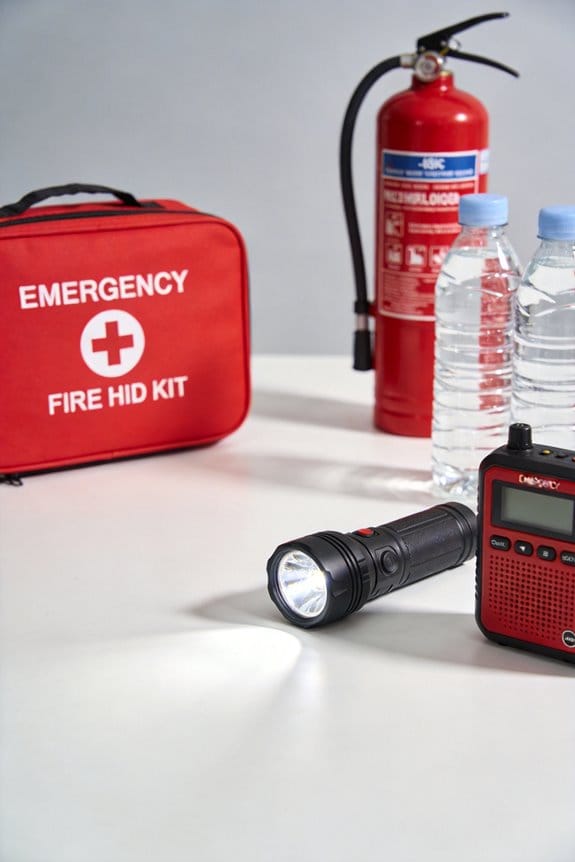

To prepare our homes for various natural disasters, we must first identify local risks based on historical data. Next, we should build emergency preparedness kits that include essential supplies like water, food, and first-aid items. Developing a family emergency plan is vital, covering communication and evacuation routes. We also need to strengthen our home’s defenses with secure furniture, reinforced windows, and proper drainage. By focusing on specific disasters like floods or earthquakes, we can enhance our preparedness even further.
Key Takeaways
- Secure heavy furniture and appliances to walls to prevent tipping during earthquakes and storms.
- Install storm shutters and impact-resistant windows to protect against debris and high winds from hurricanes.
- Elevate electrical components and seal basement walls to mitigate flood damage during heavy rainfall.
- Create defensible space around your property by trimming vegetation and clearing flammable materials to reduce wildfire risks.
- Regularly review and update your emergency preparedness supplies and plans to ensure your home is ready for various disasters.
Identify Your Local Natural Disaster Risks
How can we effectively prepare our homes for natural disasters? First off, you need to know what kind of natural disasters your area is prone to. Digging into historical data is a great way to see what has hit your community in the past—think floods, wildfires, or hurricanes. Checking in with your state’s emergency management office is also a smart move; they have insights on environmental risks, like how close you are to flood zones or fault lines.
A big part of being prepared is staying updated on weather alerts. Seasonal notifications can give you a heads-up about looming threats. Get involved with local community programs—these can really help you learn about safety measures and how to craft an emergency plan. Working with your neighbors means you can all pitch in to make your homes safer together.
So, how do you make your home disaster-ready? Try walking through your house and thinking about what could be secured or reinforced. The best part is that by prepping together, you’re building a stronger community while looking out for one another.
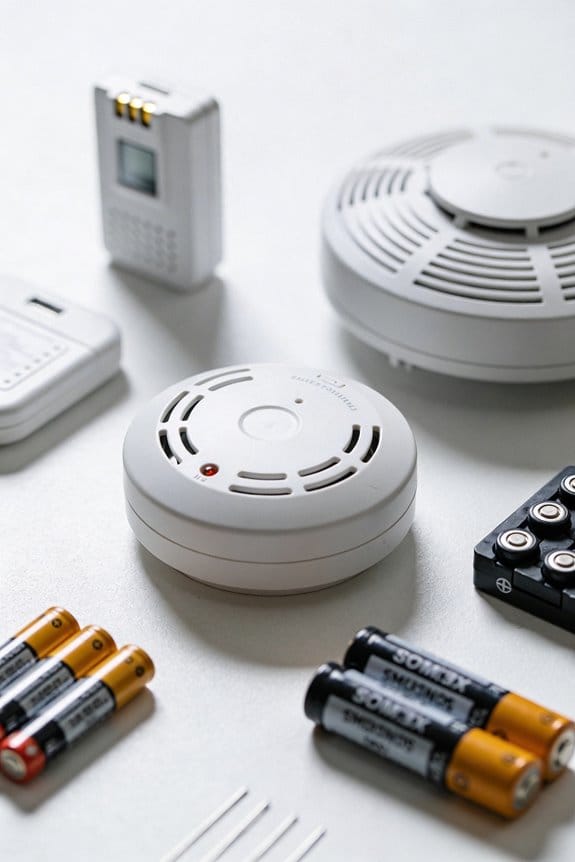
Installing dual-connectivity alarm systems can provide an added layer of security by ensuring continuous monitoring during power or internet outages.
In the end, staying informed and prepared can make all the difference when disaster strikes. Have you thought about how ready your home really is?
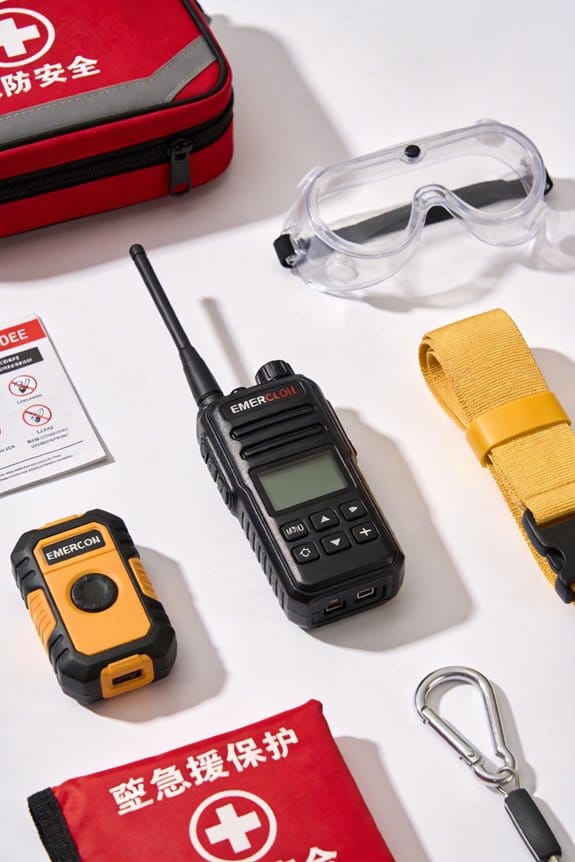
Build Your Emergency Preparedness Kits
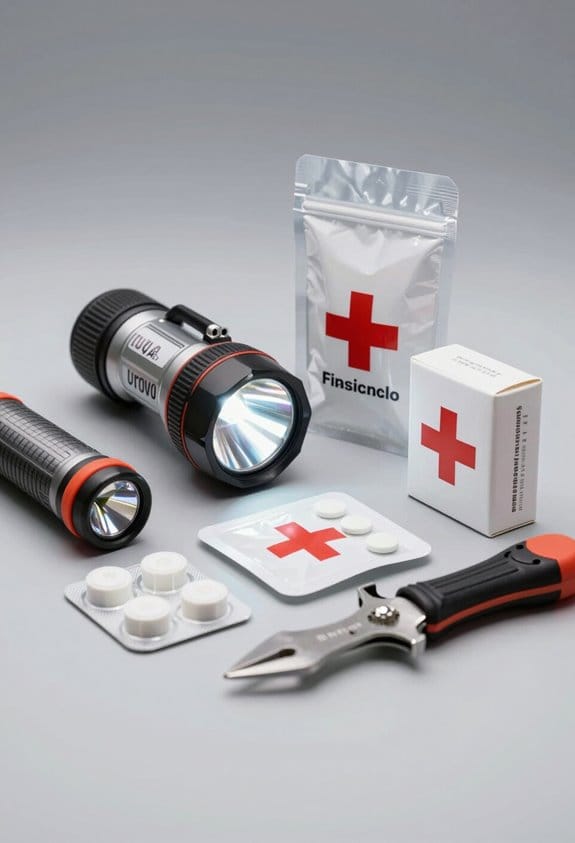
Building an emergency preparedness kit is one of the most important things you can do when it comes to preparing for a natural disaster. You never know when something unexpected might occur, so having a plan and supplies ready is essential.
So, what should you pack in your emergency kit? First and foremost, think about water and food. It’s recommended to have one gallon of water per person per day. Non-perishable food that can last a while is also a must. Canned goods, granola bars, and dried fruits are great options.
Don’t forget any medications you may need. If you have specific prescriptions, make sure they’re included in your kit. And let’s not overlook personal hygiene items—keeping clean can really help maintain morale during a chaotic situation.
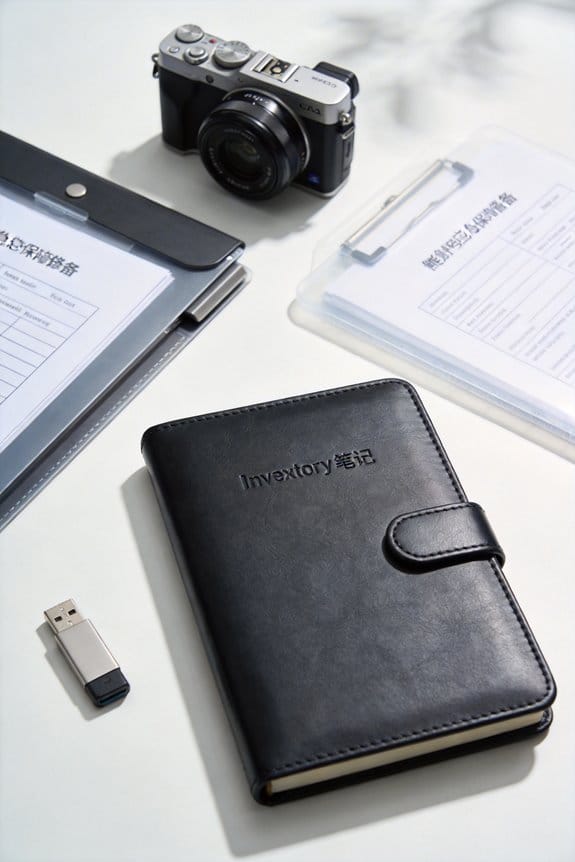
You might want to include important documents too, like insurance policies and vital records. Just put them in waterproof containers to ensure they stay safe and dry.
Now, it’s time to personalize your kit. Do you have infants or pets? You’ll need supplies for them as well. Special medical equipment? Make sure that’s on your list too. The best part is that this process helps you think ahead about what your family needs in a pinch.
Honestly, it’s not enough to just build this kit. Take a moment to regularly check it and replenish supplies to keep everything fresh and ready to go.
The bottom line? Being prepared can make all the difference in an emergency. Take charge and ensure your family is ready. What’s the one item you’ve been meaning to add to your emergency kit? Including reliable weather protection features can greatly increase the usability and safety of your kit in adverse conditions.
Develop Your Family Emergency Plan
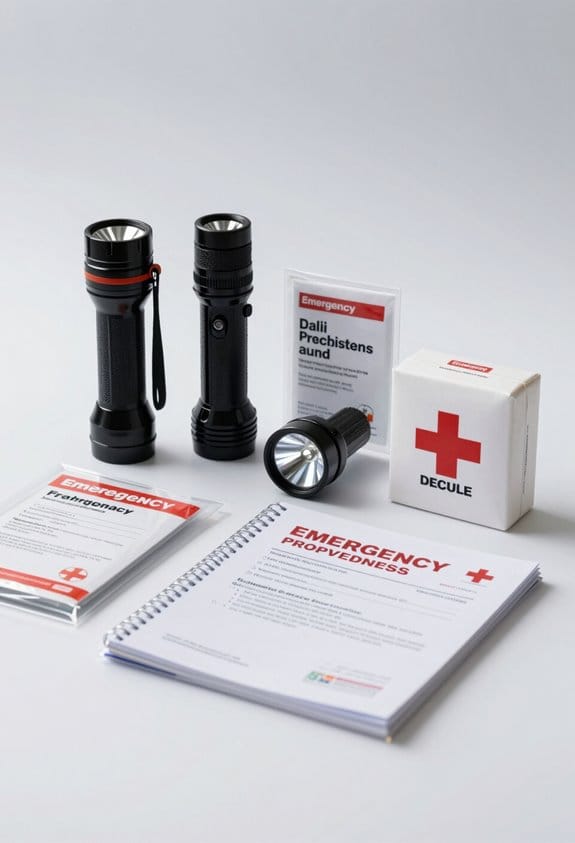
When a natural disaster strikes, chaos can be overwhelming. So, how can we prepare to keep our loved ones safe? Having a solid family emergency plan is essential. It helps everyone know what to do when things go haywire. Here’s how to get it done:
Start with a Communication Strategy. It’s crucial to have emergency contact information handy. Make sure every family member knows who to reach out to and where to meet up if things get serious.
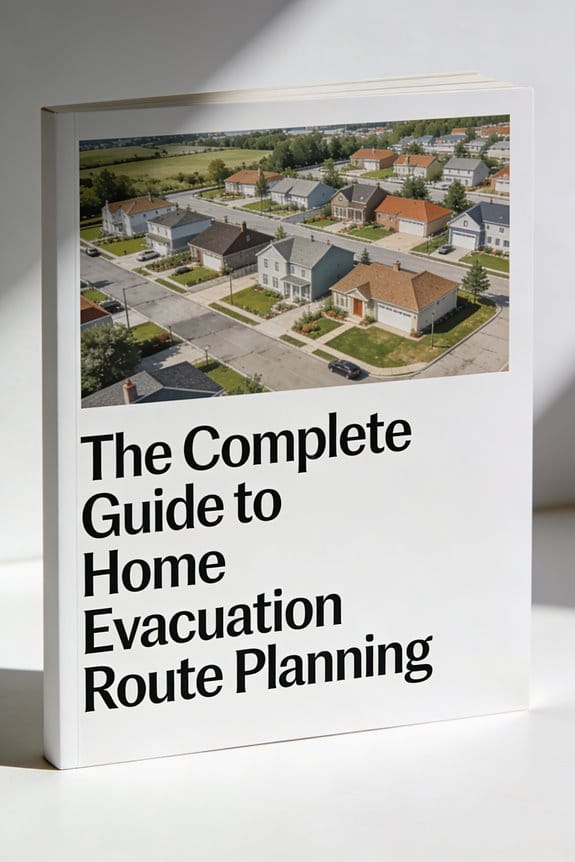
Don’t forget about your Evacuation Routes. Set up at least two paths out of your home. Think about alternative transportation options too, just in case your usual plans don’t work out.
You might not think it’s a big deal, but doing some Regular Practice can make all the difference. Go through drills so everyone understands their role in different disaster scenarios. It’s a good way to build confidence.
And if you have pets, make sure they’re included too! Create a Pet Care Plan. This should cover how you’ll evacuate with them and what supplies they’ll need. You don’t want to leave your furry family members behind!
Lastly, don’t set your plan in stone. An Annual Review is a must. Life changes, so what worked last year might need a tweak this year.
To further enhance your preparedness, consider assembling an emergency kit tailored to your family’s needs, including essential Red Cross emergency kits that provide crucial supplies for various disaster situations.
Strengthen Your Home’s Defenses Against Natural Disasters
Natural disasters can strike when you least expect it, leaving us feeling helpless. That’s why taking steps to bolster your home’s defenses is so important. Here are a few practical tips to help you protect your property and keep your family safe during extreme weather.
First off, it’s smart to secure heavy furniture to the walls. You don’t want a bookshelf toppling over during a storm or an earthquake. Next, think about installing storm shutters and impact-resistant windows. They’ll act as a barrier against any flying debris – trust me, every little bit helps.
If you live in a flood zone, elevate your electrical components and appliances at least a foot above the flood levels. Water and electricity don’t mix, and you definitely don’t want to deal with that mess. When it comes to wildfire-prone areas, consider using non-combustible materials for your roof. It’s a great way to add an extra layer of protection.
Take a look at your basement as well. Sealing the walls with waterproof compounds can really make a difference, along with building flood barriers to prevent groundwater from sneaking in. And don’t forget about the importance of regular gutter maintenance; a clean gutter system helps avoid water buildup.
So, why does this matter? Because having emergency supplies ready for all family members can make a huge difference when disaster strikes. You never know when you might need those supplies. A well-stocked natural disaster survival kit ensures you have critical resources like food, water, and first aid during an emergency.
In short, taking these precautions now can save you a lot of heartache later. Have you thought about what other steps you could take to prepare your home against natural disasters?
How to Prepare for Flooding and Heavy Rainfall?
Heavy rain and flooding can be serious threats, and it’s good to be ready for when the skies open up. Here are some practical steps that can really help protect your home from water damage.
First off, think about your basement. Sealing those walls with a waterproof compound can really make a difference. It’s a bit of a hassle, but it’s worth it when you consider the potential impact of flooding.
Then, there’s the issue of electrical components. Elevate your appliances and any electrical fixtures at least a foot above what you think the flood levels might be. This can drastically cut down on water damage and keep you safer.
Also, constructing flood walls around your property doesn’t have to be a huge project. It can redirect water away from your foundation, which is crucial. You might want to look into that if you’re in an area prone to flooding.
Now, sump pumps are another great tool. Having one installed means you can pump out excess water during heavy rain, helping keep your home dry.
Don’t forget about emergency kits, either. Stock up on non-perishable food and water that could last you at least three days. It’s one of those things you can easily overlook, but having it ready pays off when you need it.
Honestly, it’s also a smart move to stay informed. Sign up for weather alerts from your local emergency management office to get the latest updates. It can save you from nasty surprises.
Installing smart home security systems with video monitoring can also help you keep an eye on your property during severe weather conditions.
So, what about an evacuation plan? Even if it feels like overkill, developing one ensures you and your family know what to do if flooding strikes. You never know when you might need it, and having that plan can lead to better outcomes.
To wrap it all up, prepping your home for heavy rain and flooding can feel daunting, but taking proactive steps matters. What will you do to get ahead of the next storm?
How to Get Ready for Earthquakes?
When it comes to earthquakes, they can hit at any moment without warning. Have you ever thought about how you’d react if the ground suddenly started shaking? It’s vital to be prepared. Start by making a solid plan that covers securing heavy furniture, like bookshelves and appliances, to your walls. Practicing the Drop, Cover, and Hold On drill with your family is a great way to ensure everyone knows what to do when the ground shakes.
Next, take a good look around your home for any structural issues. Are there deep cracks in the walls? Is the wiring up to code? It’s these small things that can make a big difference. Also, you should have a disaster supply kit ready. Stuff it with essentials like water, food, first-aid supplies, and a flashlight. You never know when you might face a power outage, and being prepared can save you a lot of stress. Emergency kits designed for at least 72 hours of supplies per person are recommended to cover initial critical needs.
Finally, don’t forget to keep your important personal documents in a safe spot. It’s all about providing peace of mind, right? So, what if you have to grab and go? Being ready can make all the difference when disaster strikes.
Get those preparations in place and remember, it’s better to be over-prepared than caught off guard. What steps are you taking today to ensure you’re ready for the unexpected?
Essential Steps to Prepare for Wildfires
Wildfires can flare up without warning, and it’s scary to think about how quickly they can threaten our homes and loved ones. If you’re anything like me, you want to do everything possible to keep yourself and your family safe. Here’s a straightforward guide to making your home more fire-resistant:
First off, consider using fire-resistant wood for any construction or renovations. This choice can significantly cut down the fire risks. It’s a small step that packs a punch in terms of safety.
Next, think about creating a defensible space around your home. This means clearing away flammable materials and trimming back any vegetation within a distance of 30 to 100 feet. It’s easier than it sounds, and it can really make a difference in how fire behaves near your property.
Here’s a tip: Prepare some emergency equipment, like a hose that’s long enough to reach all around your house. If sparks start flying, you’ll want to be ready to douse them quickly. And don’t forget to close all windows and doors. This simple act can keep embers from sneaking inside.
If you hear about a fire heading your way, wetting the roof can also slow things down a bit. Seriously, it’s a quick action that might just buy you some time. Lastly, it’s crucial to regularly assess your property for any potential fire hazards. Keeping an eye on these issues helps ensure you’re ready if things take a turn for the worse.
Additionally, having a reliable NOAA weather radio in your home ensures you receive timely emergency updates during wildfire events.
How to Prepare Your Home for Hurricanes?
Hurricanes can be a real threat when it comes to protecting your home, and we all know they don’t mess around with their strong winds and heavy rain. Have you thought about how ready your place is for such storms? Here are some practical tips to help you prepare.
Start by fortifying your garage doors and using clips on your roof. Believe it or not, these small steps can make a big difference in keeping your home structurally sound when those strong hurricane winds roll in. Installing storm shutters or opting for impact-resistant windows can also protect your home from flying debris. It’s an investment that pays off when the weather gets wild.
What about your yard? It’s essential to maintain and trim your trees and shrubs to prevent them from turning into dangerous projectiles during high winds. You definitely don’t want any surprise visits from wayward branches!
Also, think ahead about an evacuation plan. Identify safe places and multiple routes so your family’s on the same page in an emergency. It’s a good idea to practice your plan regularly, so everyone knows exactly what to do when the time comes.
Don’t forget to stock up on emergency supplies, too. You’ll want enough food, water, medications, and a first-aid kit to last at least three days since power outages can be a common issue. And remember, if you need to evacuate, switch off the gas before you leave!
Including emergency thermal blankets in your emergency supplies can help prevent hypothermia during power outages or flooding conditions.
Frequently Asked Questions
How to Prepare Your Home for Natural Disasters?
To prepare our home for natural disasters, let’s create emergency kits, establish evacuation plans, follow building codes, conduct disaster drills, review home insurance, prioritize fire safety, install flood barriers, and connect with community support.
What to Stockpile in Case of War?
When chaos lurks and peace fades, we’ve gotta stockpile emergency supplies like non-perishable food, water purification, and first aid. Let’s also create communication plans, explore shelter options, and consider self-defense tools for our psychological readiness.
How to Make a House Natural Disaster Proof?
To make our house natural disaster proof, we should focus on earthquake reinforcement, install flood barriers, hurricane shutters, and tornado shelters, enhance wildfire landscaping, guarantee structural integrity, maintain emergency kits, and consider all-encompassing insurance coverage.
What Are Some Ways to Prepare for Natural Disasters?
We should create emergency kits, develop evacuation plans, and familiarize ourselves with community resources. Plus, we can review insurance coverage, adhere to building codes, enhance first aid knowledge, and implement effective communication strategies for local hazards.