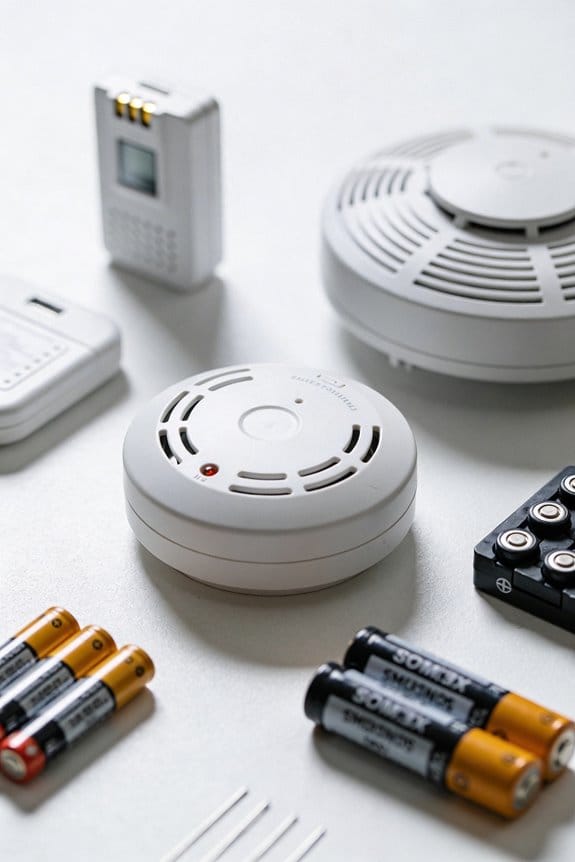

To test and replace smoke detector batteries correctly, we should start by checking alarms monthly and replacing batteries annually. To test, we press the test button; if we hear a beep, it’s functional. For replacement, we twist open the battery door, discard the old battery, and insert a new one, aligning it properly. After, testing the alarm again confirms it works. Staying prepared helps us maintain safety, and there’s more essential information ahead.
Key Takeaways
- Test smoke detector batteries monthly by pressing the test button; ensure a loud beep confirms functionality.
- Replace batteries at least once a year, or immediately if the alarm chirps indicating low battery.
- Access the battery compartment carefully, remove the old battery, and insert a new one with correct alignment.
- After replacing the battery, retest the alarm to confirm it is operational; refer to the user manual for specific instructions.
- Dispose of old batteries and smoke alarms responsibly by checking local recycling and waste management guidelines.
Understand the Importance of Testing Your Smoke Detectors
When it comes to home safety, testing smoke detectors is one of those tasks that can easily slip our minds. But think about it—when was the last time you pressed that test button? Regular checks are crucial because they ensure your alarms are ready to go when it counts, especially during a fire emergency. Try this: make it a habit to test each alarm at least once a month. It only takes a minute, and that minute could make all the difference when a fire breaks out.
Here’s the trick: if your alarm doesn’t sound during a test, don’t just ignore it—replace the battery right away. You wouldn’t want to discover that your smoke detector is dead during an emergency, right? And honestly, make this a family responsibility. When everyone is involved in testing the alarms, it boosts safety awareness for everyone in the house. Plus, it can be an opportunity to talk about what to do in case of a fire—everyone should know what the alarm sounds like and what actions they need to take.
So, why does this matter? Because functioning smoke detectors provide those precious early warnings when danger strikes. You wouldn’t think twice about keeping a fire extinguisher nearby; smoke alarms deserve that same level of attention.
Truth is, home safety is about more than just having the right equipment—it’s about actively ensuring everything works as it should. It’s also wise to consider models with 10-year battery backup to minimize maintenance needs. In summary, testing your smoke detectors isn’t just another chore on your list; it’s a vital step in protecting yourself and your loved ones. When will you next check those alarms?
When to Check Your Smoke Alarm Batteries?
When was the last time you checked your smoke alarm batteries? It’s something we often forget, but keeping our homes safe should always be a priority. Regularly checking the batteries in your smoke alarm can help prevent a potential disaster.
Try this: set a reminder for the first Saturday of each month. It’s an easy way to keep yourself on track. When you test the alarm, listen for any chirping or beeping sounds. If you hear those, it’s time to swap out the old battery for a new one. On average, consider replacing your smoke alarm batteries at least once a year; some alarms might require more frequent changes depending on how often they’re used.
So, why does this matter? Establishing a routine for checking smoke alarms not only ensures your safety but also creates a habit in your home that everyone can follow. It’s all about being proactive and reducing any fire risks. Make sure to test your detectors monthly as recommended to maintain effective performance.
- Choose a testing day that you’re likely to remember every month.
- Pay attention to how your alarm performs, and replace the batteries accordingly.
Frankly, those simple steps can make a huge difference in your safety at home. So, take a moment to think about when you’ll check your smoke alarm next. Are you ready to get started?
Step-by-Step Guide to Testing Smoke Alarms
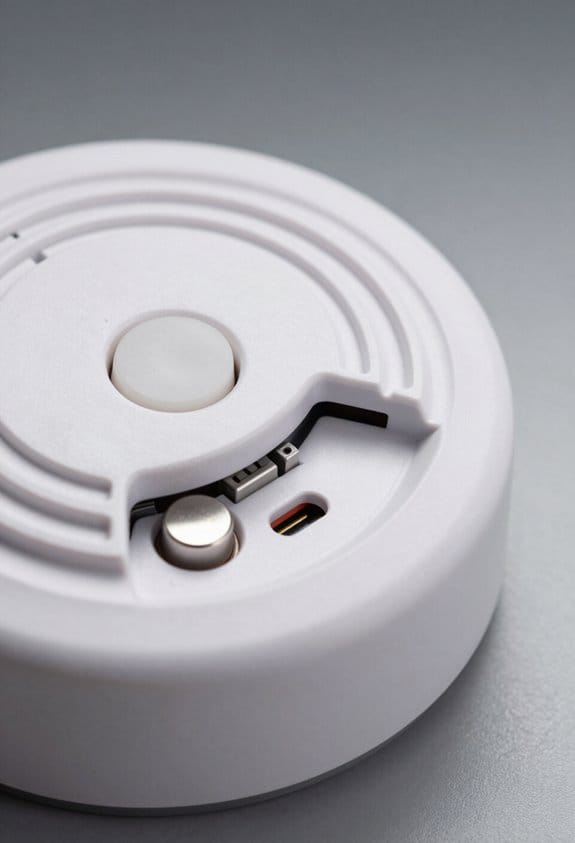
Testing your smoke alarms regularly might not be the most exciting chore on your list, but it’s crucial for keeping your home safe. Ever wondered if your alarms are actually working? Here’s a handy guide to make sure your smoke alarms aren’t just hanging on the ceiling collecting dust.
- Locate Your Smoke Alarms: Chances are, you’ll find these lifesavers in bedrooms, hallways, and kitchens. Make sure they’re easy to access when you’re ready to test.
- Press the Test Button: Give that test button a good press for a few seconds. If you hear a loud beep, congratulations! Your alarm is good to go.
- What if It Doesn’t Make Noise?: If nothing happens when you press the button, check the battery. If it’s dead, or if the unit is over ten years old, it’s time for a replacement. Safety first, right?
- Keep Them Clean: Dust can mess with your alarm’s performance. Take a gentle brush or a vacuum to clean off any grime that might be lurking.
Pro Tip: Want to make this a habit? Set a reminder to test your alarms on the first Saturday of each month. Trust me, it’s an easy way to keep your home safe.
Also, be sure to replace your alarms every 10 years to comply with safety certification standards and ensure reliable protection.
How to Replace Your Smoke Alarm Battery
Have you ever thought about how often you should replace the batteries in your smoke alarms? It’s one of those things that can slip your mind, but it’s super important for keeping your home safe. So, let’s get down to it and talk about how to replace those batteries.
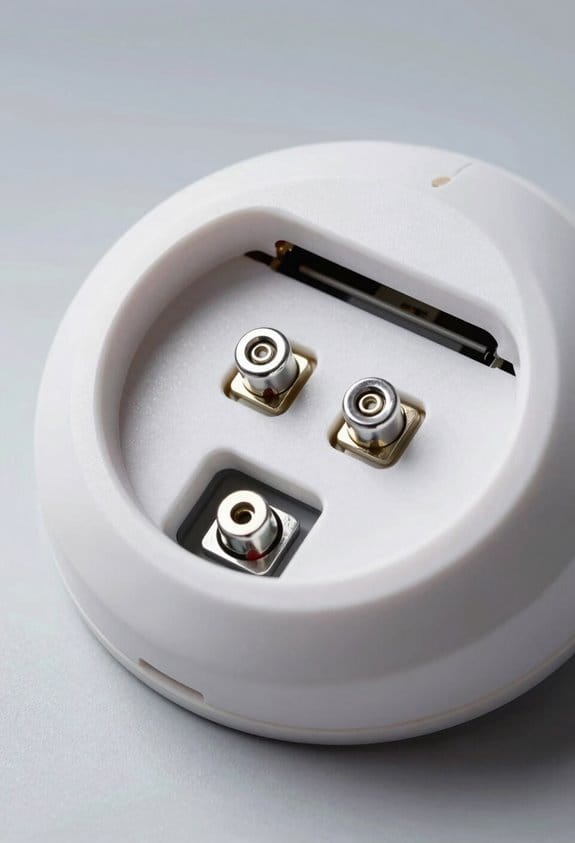
First, it’s smart to check if the power is off, especially if you’ve got hard-wired smoke detectors. Trust me, it’s better to be safe than sorry. Once that’s confirmed, you can either twist off the smoke alarm or pop open the battery door to get to the battery compartment.
Next, take out the old battery—don’t just toss it aside, though! Make sure to insert a fresh battery, aligning it correctly with the connectors. Sounds easy, right? If your model has a rear-loading battery, you’ll need to disconnect the Quick Connect wire harness first. Just remember to reconnect it afterward.
After you swap out the battery, it’s crucial to test the alarm. Just press that test button to ensure it works on battery power. You want to know your alarm is ready to do its job if needed. If you feel unsure about anything, always refer back to your user manual for specific tips. Remember that many smoke detectors now come with a sealed 10-year lithium battery which does not require replacement but limits maintenance options.
What to Do When Your Smoke Alarm Malfunctions?
What do you do when your smoke alarm starts acting up? It’s a real concern, isn’t it? If you press that test button and nothing happens, you could be looking at a dead battery or maybe the alarm itself is on the fritz.
First things first, check how old your smoke alarm is. If it’s over 10 years old, it’s time for a new one. Old alarms don’t work as effectively, and you want to make sure you’re protected.
Next, pay attention to any chirping sounds. Those quick beeps are a sign the battery is low, and you need to replace it ASAP. Why risk it? Your safety is paramount!
Another simple fix? Cleaning the alarm. Dust can sneak in and block the sensors, so a quick wipe-down can keep it in tip-top shape. Make this a regular part of your cleaning routine.
Once you’ve dealt with the battery or cleaned it up, make sure you test the smoke alarm again. It’s crucial to ensure everything’s working correctly.
Staying on top of these little tasks can go a long way. So, when’s the last time you checked your alarms?
For optimal safety, consider alarms with 10-year sealed lithium batteries to reduce maintenance needs and ensure long-lasting protection.
Essential Tips for Keeping Your Smoke Alarms Functional
Keeping your smoke alarms in working order is super important for home safety. But how often do we really think about them? Here are some straightforward tips to make sure those little devices do their job right.
First off, monthly testing is key. Just press and hold that test button for a few seconds until you hear the loud beep. That sound means everything’s working as it should be. It’s a simple way to give yourself peace of mind.
You should also consider battery replacement a priority. Changing the batteries at least once a year is a good rule of thumb. Plus, if you hear that annoying short beep, it’s letting you know it’s time for a change! Don’t ignore it; that could be your alert to a danger.
Regular cleaning is another thing we often overlook. Dust can build up and block the sensors, which isn’t ideal when it comes to fire safety. To tackle this, use a soft brush or a vacuum to give them a good clean. It only takes a few minutes and makes a difference.
Then there’s the age of your smoke alarms to think about. Honestly, if they’re older than ten years, it’s time to let them go. They might not be as effective as they used to be, and when it comes to safety, we can’t afford to take chances.
Additionally, storing emergency supplies like survival kits alongside your smoke alarms can prepare your household for unexpected situations beyond just fire emergencies.
Choosing the Right Smoke Alarm for Your Home
When you think about it, protecting your home from fire hazards is super important. So, how do you choose the right smoke alarm? It’s worth considering models with both photoelectric and ionization sensors since they react differently to various types of fires. Plus, make sure to grab alarms that are certified by well-known testing labs like Underwriters Laboratories (UL). This way, you can feel confident they meet necessary safety standards.
Here’s the trick: Look for smoke alarms with long-life batteries. These typically last around 10 years, which means less hassle for you. Be sure to install them in bedrooms, hallways, and near the kitchen—but steer clear of areas where steam or cooking fumes might set them off. And if you want peace of mind, go for interconnected systems. This way, if one alarm goes off, all of them do! Just push the button every now and then to keep them in good working order.
Honestly, the safety of your home is something you don’t want to overlook. So, why does all this matter? Because having the right smoke alarms can genuinely make a difference in an emergency. In short, prioritize safety with smart choices and regular checks. What’s your next step for keeping your home fire-safe? Consider choosing alarms with Precision Detection technology to minimize false alarms caused by cooking or steam.
Safe Disposal of Old Smoke Alarms and Batteries
Ever wondered what to do with those old smoke alarms and batteries lying around? It’s a tough spot, especially since tossing them in the trash isn’t safe for the environment. But don’t worry—there are ways to get rid of them responsibly.
So, what’s the best approach? First off, check with your local recycling or waste management facility. Many places have dedicated drop-off points for these items, making it easy for you to do the right thing.
You might also want to look into manufacturer take-back programs. Companies like Kidde often provide options for returning their smoke alarms. Just take a peek at the packaging for detailed instructions.
Staying updated is crucial, too. Consider subscribing to newsletters from fire safety organizations. They often share helpful info on disposal options and any changes in regulations.
Remember, smoke detectors with UL 217 certification meet safety standards and sometimes have specific disposal recommendations based on their sensor type.
In short, disposing of smoke alarms and batteries doesn’t have to be a headache. Just find a local recycling center or see if the manufacturer can help. What will you do with your old smoke alarms?
Frequently Asked Questions
How Do I Test My Smoke Detector After Replacing the Battery?
After replacing the battery, we should symbolize safety by pressing the test button, a heartbeat echoing our home’s vigilance. If it beeps, it confirms compatibility; if not, we’ll reassess our testing methods and guarantee proper installation.
How to Properly Replace Smoke Detector Batteries?
To properly replace smoke detector batteries, we should identify battery types, guarantee correct alignment during installation, and securely close the compartment. Don’t forget to test the detector afterward to confirm everything’s working correctly!
How to Tell if a Smoke Detector Battery Is Bad?
A stitch in time saves nine. We can tell a smoke detector battery’s bad by detecting signs like chirping. Remember, battery lifespan matters; replace them if the alarm’s silent or doesn’t respond to tests.
How Do I Stop My Smoke Detector From Chirping?
To stop our smoke detector from chirping, we should identify the chirping causes, such as low batteries or dust buildup. Regular smoke detector maintenance guarantees they’re functioning well and keeps our homes safe from potential hazards.