
When preparing for extended water service interruptions, we should first understand common causes like main breaks or power outages. It’s important to report outages effectively, providing details to our local utility. Managing unexpected outages means conserving water and securing backup supplies. For scheduled interruptions, storing one gallon per person per day is necessary. We need to be aware of health risks from contaminated water, and knowing what to do during and after an outage is essential. Stay with us to explore practical strategies and more.
Key Takeaways
- Store at least one gallon of water per person per day to last at least three days during extended interruptions.
- Fill bathtubs and containers with water before the outage for non-drinking purposes like sanitation and flushing toilets.
- Complete essential chores, such as laundry and dishes, in advance to avoid water needs during interruptions.
- Consider investing in a water filtration system or purification tablets for accessing safe drinking water during prolonged outages.
- Regularly inspect and rotate stored water supplies, replacing them every six months to ensure freshness and safety.
Understanding the Common Causes of Water Outages
Have you ever dealt with a sudden water outage right when you needed it the most? It can really throw a wrench in your day. Understanding what usually causes these disruptions can help you be better prepared. Water main breaks are a big culprit, often resulting from old pipes or those pesky temperature changes. They can hit out of nowhere! Power outages can’t be overlooked either, as they can halt the water treatment process and lead to service interruptions.
Construction work can also lead to unexpected outages. Workers might accidentally damage water lines, leaving nearby residents without service for a while. And in busy urban areas, you might be surprised to learn that vehicles frequently crash into fire hydrants, causing sudden water loss.
So, why does this matter? Staying informed is crucial.
Pro Tips:
- Try storing some extra water for those emergency situations.
- Keep an eye on your local construction schedules to anticipate any potential issues.
- If you spot any leaks or breaks, report them right away to help minimize disruptions.
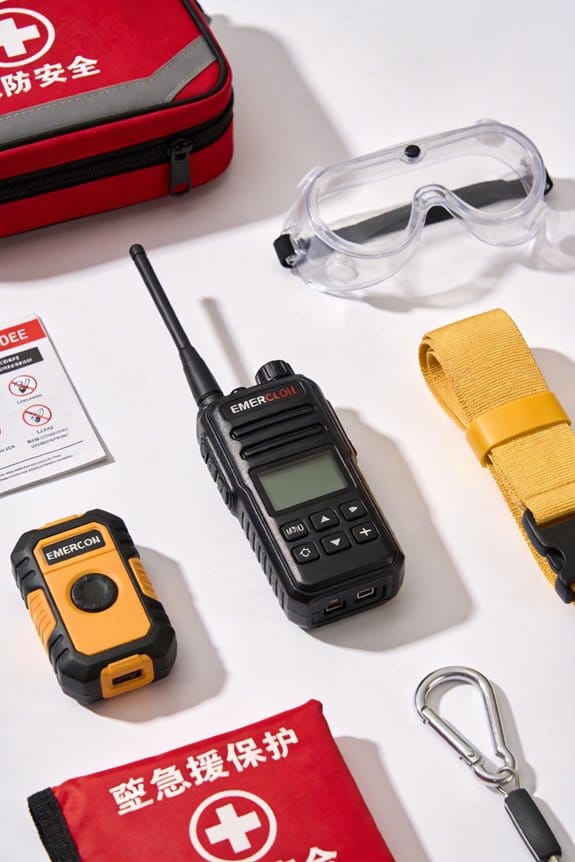
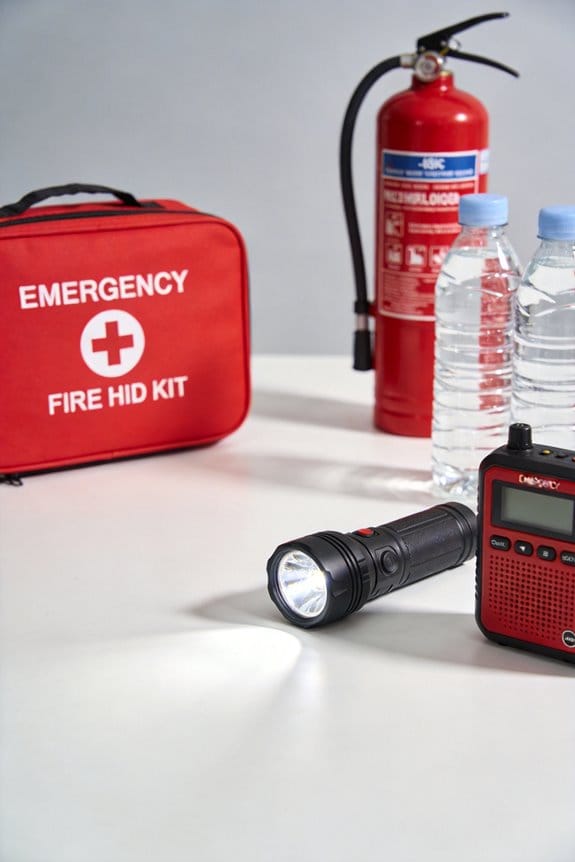
It’s also wise to have a compact emergency preparedness kit ready to handle water outages efficiently.
How to Report a Water Outage Effectively
Ever had that sinking feeling when you turn on the faucet, and nothing comes out? Water outages can be a real hassle, especially when you’re in a hurry. But there are some straightforward steps you can take to get the situation sorted quickly.
First things first, check your local utility company’s website. They often have a dedicated section for reporting outages, and it’s usually the fastest way to notify them. Make sure you’ve got your account number, address, and details about the outage ready to go. These little things can make your call to the utility company much quicker.
If you find that several homes in your neighborhood are dry, take a moment to chat with your neighbors. Confirming how widespread the outage is can really help the utility prioritize repairs. After all, if everyone’s experiencing the same issue, it’s likely they’ll move quicker to fix it.
Also, don’t overlook local utility apps or notification systems. These can keep you updated on the status of the outage and any repair timelines. Honestly, it’s super helpful to know when things might get back to normal.
Don’t forget about scheduled maintenance notices. These planned outages can sometimes catch us off guard, so keeping an eye on that info can save you from confusion.
In short, getting through a water outage doesn’t have to be a stressful experience. Are you prepared for how to handle it? A little awareness can go a long way! Additionally, using motion detection technology in home security cameras can help you monitor your property during extended water service interruptions.
Managing Unexpected Water Outages: First Steps
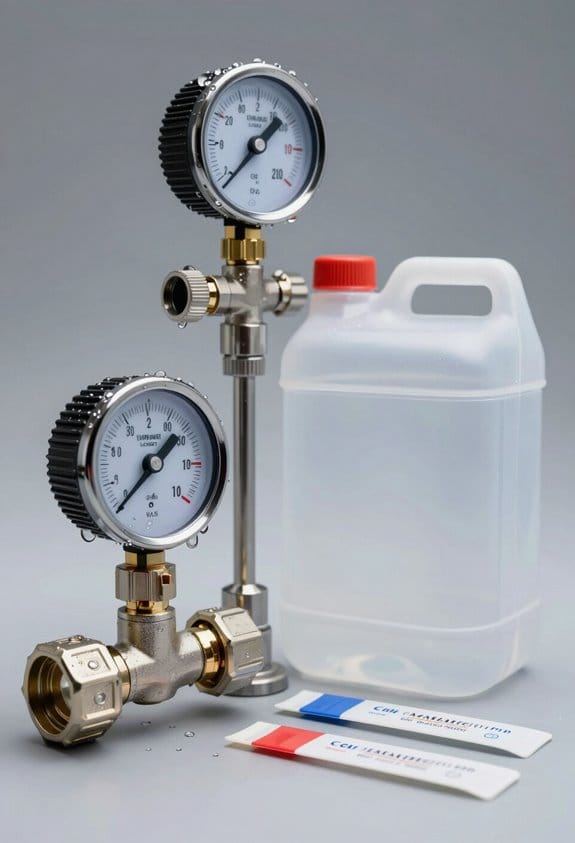
Experiencing an unexpected water outage can throw a wrench in your day. It’s frustrating to face a challenge like this when you least expect it. So, what can you do to handle the situation better?
First off, assess what’s going on. Is it just you, or are your neighbors dealing with the same issue? Take a look around for any signs of a water main break, which could give you a clue as to what’s happening.
Once you have a sense of the situation, it’s time to contact your local water utility. Don’t delay in reporting the outage—let them know there’s an issue in your area. The sooner they hear from you, the quicker they can get to solving the problem.
Next, you’ll want to source some backup supplies. Grab a few gallons of drinking water from the store or fill whatever containers you have with any water still available from your taps. You might need it for cooking or drinking, so don’t wait too long.
Conserving water is key while you’re dealing with this hiccup. Prioritize the essentials—washing your hands, cooking, and flushing toilets. Use your backup water wisely to keep waste to a minimum.
Lastly, stay in the loop. Follow updates from your water company regarding the outage and any estimated times for restoration. You might also want to check social media for real-time info from your community.
In addition, you can consider complementing your home’s security setup with video monitoring technology to stay more informed during any home disruptions.
Truth is, dealing with a water outage isn’t easy, but by following these steps, you can manage it more smoothly. Have you ever faced a similar situation, and how did you cope?
Effective Preparation for Scheduled Water Interruptions
Effective preparation for scheduled water interruptions can really change how we handle the hassle. You know those moments when we get that notification about water outages? They can throw a wrench in your day. Here’s the trick: the best way to deal with it is to be ready ahead of time.
First off, try to store at least one gallon of water per person per day. It sounds like a lot, but it’s actually pretty manageable when you think about it. Fill up your bathtubs and containers in advance; this extra water can help for hygiene and flushing toilets when things get tough.
Before the outage hits, make sure to wrap up laundry and dishes. Trust me, it’ll save you a lot of hassle later. Once the water’s shut off, you’ll want to make sure you use what you have wisely. Honestly, using hand sanitizer can go a long way in keeping things clean, so you won’t always need to tap into your emergency stash. For longer outages, consider including a water filtration system in your emergency preparedness supplies to ensure safe drinking water.
Create Your Emergency Water Reserve
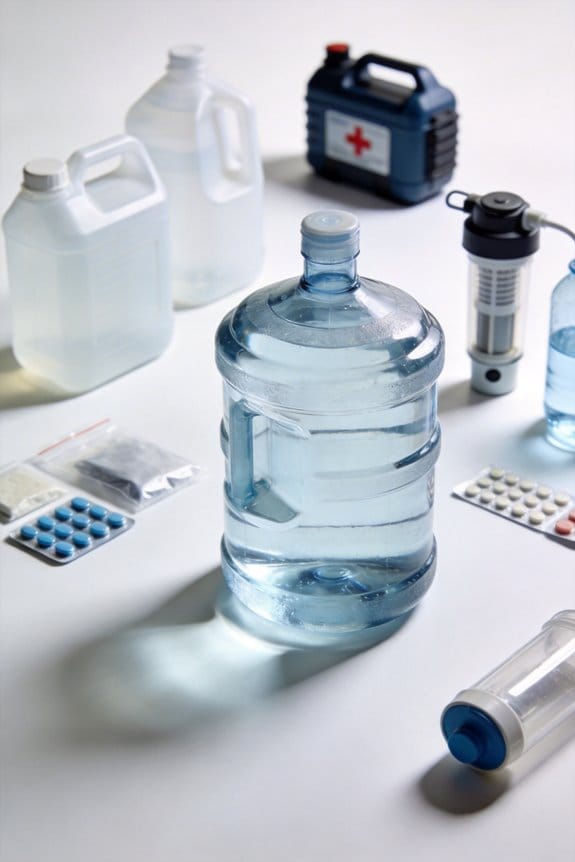
Have you ever thought about what you’d do if your water supply suddenly ran dry? It’s a scary thought, but preparing your emergency water reserve can give you peace of mind. You’ll want to store enough safe water for everyone in your household to stay hydrated, which means aiming for at least one gallon per person, per day. Ideally, shoot for a minimum three-day supply, but if you can manage a two-week stash, even better!
Here’s the trick: use clean, food-grade containers to store your water. To make sure they’re safe, sanitize them with a bleach and water mixture before you fill them up. And don’t forget to label your stash with the date you filled it. It’s a good habit to replace the stored water every six months, so set a reminder on your phone or calendar.
Regular inspections are key—you should check your supply for leaks or any signs of contamination. Honestly, the last thing you want is to discover a problem when you really need that water. Taking these steps means you’re not just prepared for a water emergency; you’ll have a reliable source of hydration when the going gets tough. Additionally, keeping water purification tablets on hand can ensure your stored water remains safe to drink even if contamination occurs.
Water Conservation Tips During Outages
Thinking about water conservation during outages is crucial, isn’t it? Every drop makes a difference when we’re trying to keep our hygiene in check. So, here are some tips that can help you save water when the supply’s limited:
First off, try to keep your shower time to around 5 minutes. If you really want to stretch your water usage, sponge baths are a nice alternative. They’re quick and do the job without wasting much water.
Another way to conserve? Use disposable plates and utensils. I know it’s not the most environmentally friendly option, but cutting down on dishwashing saves a ton of water. Plus, who wants to deal with a sink full of dirty dishes during an outage anyway?
When it comes to using the bathroom, think about avoiding unnecessary flushes. If it’s just liquid waste, hold off on flushing until you really need to. Reserve that stored water for solid waste, and only flush when absolutely necessary. Trust me, it can make a big difference.
For keeping your hands clean, consider using hand sanitizer. It’s an easy way to stay hygienic without needing a sink. Honestly, in times of limited water, every little bit counts.
Before an outage hits, fill up your bathtub and any containers with water. This stash can come in handy for non-drinking purposes, like flushing toilets or giving your plants a drink.
In short, being smart about water during outages can keep your hygiene intact and help conserve this precious resource. Having access to water purification tablets can also ensure your stored water remains safe for use.
What are some of your go-to strategies for dealing with water shortages?
Health Risks From Drinking Contaminated Water During Service Interruptions
Ever gotten that sinking feeling when you turn on the tap and the water looks a little off? It’s a problem many of us face, especially during those unexpected service interruptions. Drinking discolored water or water that smells strange can put you at risk for nasty bugs like E. coli and Giardia, which can mess with your stomach big time. So, what can you do to stay safe if this happens?
Here’s the trick: boiling water is a simple yet effective way to kill those harmful pathogens. Just bring it to a rolling boil for at least one minute. It might seem like a hassle, but it’s definitely worth the effort when your health is on the line.
Now, let’s talk about keeping an eye on your water quality. Have you ever thought about regularly testing it? You can use pH testing strips to check for any issues. This quick check can give you peace of mind and help catch problems before they escalate.
If you have little ones, older family members, or anyone who’s not feeling their best, you need to be extra careful. They can be more vulnerable to waterborne illnesses. So, have you checked to see if your water is safe for them lately?
To sum it up, taking a few simple steps can go a long way in ensuring your water is safe. With just some boiling and regular testing, you can significantly reduce your risk. What’s your plan for water safety when those service interruptions happen? Consider having water purification tablets on hand as a backup for effective disinfection when boiling is not an option.
What Happens During and After a Water Outage?
Water service interruptions can really throw a wrench in your day, can’t they? Especially when you start worrying about the possibility of drinking contaminated water. When the water goes out, utility companies typically give us a heads up about how long it’ll be down and the reason behind it, whether it’s maintenance or repairs. Once the water’s back on, though, you might notice some weird discoloration or a dip in water pressure.
So, what should you do? Here are a few things that can help:
- Run cold water for a few minutes to clear up any discoloration caused by sediment.
- Hold off on using hot water and doing laundry until the water looks normal; it’ll save your appliances from any potential issues.
- If a boil water advisory was issued, it’s smart to flush your plumbing system to get rid of any stagnant water. This step ensures that you’re drinking safe water.
You should also keep an eye out for any odd smells or tastes. Honestly, it’s better to be safe and check instead of risking it.
To sum it up, when the water goes out, it can be more than just a hassle. Stay informed, listen to your utility company, and take some simple steps to make sure you’re not drinking anything risky. What’s your plan for when the water goes out?
Long-Term Water Storage Solutions for Emergencies
When emergencies hit, having a dependable water supply is crucial for your safety and peace of mind. Are you prepared? Aim to store at least one gallon of clean water per person per day, and make sure you have enough for two weeks. It’s important to use food-grade containers that are clean and sanitized to avoid contamination. And remember, if you’re not stocking up on commercially bottled water, you should replace your stored water every six months to keep it fresh.
Pro Tips:
- Think about where you’re storing your water. A cool, dark place away from sunlight works best.
- Ever considered a filtration system? It can really help improve the quality of your water.
- Don’t forget to have a plan in place for emergencies, especially when it comes to low water pressure. Knowing your household’s needs can make a big difference when you need to access emergency services.
- Incorporating a water purification component into your survival plan ensures safe drinking water during extended outages.
Accessing Local Utility Updates for Best Practices
Have you ever found yourself without water during a hot summer day? It’s one of those things that can catch us off guard. That’s why staying updated on local utility information is so important, especially when it comes to potential water service interruptions. Here are some practical tips to ensure you’re always in the know:
First, make sure you’ve got the customer service hotline saved on your phone. These lines provide real-time updates during emergencies. It can be a lifesaver when you’re thirsty and need immediate info.
Another good move is to sign up for community alert systems. Systems like SMC Alert shoot out notifications about emergency water outages straight to your phone. It’s worth the few minutes it takes to get registered.
Don’t forget about social media, either. Local utilities often post crucial updates and alerts there, so following them can keep you informed without any extra effort. Plus, it’s a great way to connect with your community during these times.
And lastly, keep an eye on local news outlets. They’ll usually cover big changes or advisories related to water services and can provide context on what’s happening in your area.
In addition, understanding the importance of emergency response protocols can significantly enhance your preparedness during extended water outages.
Staying on top of local utility updates can help you dodge any unpleasant surprises. So, are you ready to take control and stay informed?
Frequently Asked Questions
How to Store Water for Long Term Emergencies?
To store water for long-term emergencies, we should use clean emergency containers, apply purification methods, guarantee proper sealing, and follow usage guidelines for effective water storage solutions, maintaining a steady supply for our needs.
How to Prepare for a Water Shut Off?
When the well runs dry, let’s gather our emergency water kits and filtration systems. We should strategize hydration, practice sanitation, consider noise level concerns, and tap into community resources for support and peace of mind.
How to Prep for a Water Shortage?
To prep for a water shortage, let’s consider rainwater harvesting, build emergency kits, and explore filtration systems. We’ll share conservation tips, seek alternative sources, and utilize community resources to stay resilient together.
What Is the Meaning of Water Supply Interruption?
A water supply interruption means a temporary halt or reduction in water services, impacting our daily lives. It emphasizes the need for emergency supplies, household preparedness, and community resource sharing to mitigate water scarcity impacts effectively.