
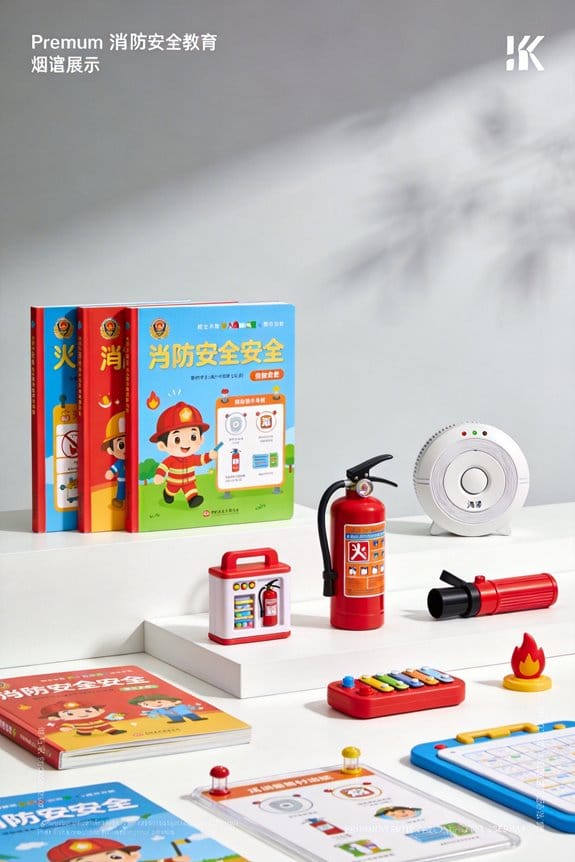

Teaching our children about fire safety is vital for their well-being. We’ve learned that kids under five are particularly at risk, with double the chances of perishing in a house fire. Age-appropriate lessons can make a difference. For preschoolers, simple activities like “Stop, Drop, and Roll” are effective. As they grow, we focus on recognizing smoke alarm sounds and creating family escape plans. Understanding these core concepts can empower our kids to handle emergencies safely, and we’ve got more tips to share.
Key Takeaways
- Preschoolers: Engage them with “Stop, Drop, and Roll” actions and fire hazard games to teach basic safety concepts.
- Early Elementary: Focus on recognizing smoke alarm sounds and practicing fire drills to reinforce escape route familiarity.
- Middle Elementary: Emphasize memorizing emergency contact numbers and creating a family fire escape plan for preparedness.
- Pre-teens and Teens: Teach fire extinguisher usage and develop comprehensive family fire escape plans to ensure confidence in emergency response.
- Regular Practice: Conduct fire drills and involve kids in identifying fire hazards and safe cooking practices to promote ongoing safety awareness.
Why Fire Safety Education Is Crucial for Children
Have you ever thought about the dangers of fire in your home? It might shock you to know that kids under five are twice as likely to perish in a house fire. That’s a scary statistic and it highlights how urgent fire safety education is for our little ones. Truth is, around 300 kids die every year just because they were playing with fire.
So, why does this matter? Many house fires are started by young children messing around with lighters and matches. Teaching them about fire hazards isn’t just helpful; it’s essential. To keep kids safe and prevent these tragic accidents, we need to arm them with real-life knowledge and skills about fire safety. This not only protects their lives but also helps to reduce the estimated $280 million loss to properties each year due to these fires.
Now, you might wonder how to bring this knowledge into play at home. Here’s a trick: start with simple rules. Show them what fire is, what it does, and why it can be dangerous. Use stories or toy fire games to explain things in an engaging way. Encourage them to ask questions, and don’t shy away from having honest conversations about fire safety. Installing multiple interconnected alarms throughout your home can also ensure everyone is alerted quickly in case of fire.
In the end, educating kids about fire safety isn’t just a good idea; it’s a necessity. When we take proactive steps in teaching them, we’re making our homes safer for everyone. How will you incorporate fire safety education into your family routine?
Fun Fire Safety Activities for Preschoolers
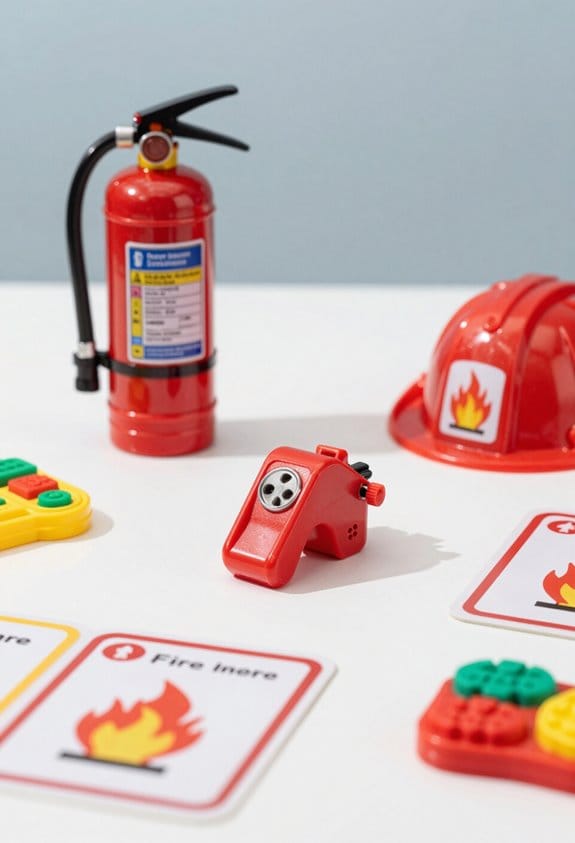
When it comes to teaching preschoolers about fire safety, it can be a challenge. How do you make such an important topic engaging for little ones? The key lies in fun, hands-on activities that not only keep their attention but also instill vital skills.
One excellent activity is “Stop, Drop, and Roll.” This simple exercise teaches kids what to do if their clothes catch fire. It’s a catchy phrase and an easy movement that they’ll remember.
Have you thought about using storytelling and visual aids? Kids often respond well to stories, so explaining the dangers of matches and lighters through a fun narrative can be effective. Make sure to underline the importance of adult supervision—it’s a crucial message that can stick with them.
Crawl low drills are another fantastic way to simulate escaping smoke. Kids love pretending, so turning this drill into a little adventure can be just the ticket. All they have to do is get down low and move like a firefighter. It’s a fun, active way for them to learn how to stay safe.
Here’s a clever idea: fire hazard games. Set up scenarios with safe and unsafe items around the house. Kids can run around identifying what’s dangerous and what’s safe, making it a dynamic way to teach them about their environment.
Don’t forget to role-play dialing 911. Practicing how to contact emergency services familiarizes them with an essential skill. Plus, it demystifies the process, which can be really empowering for kids.
Also, teaching children about the importance of having a properly installed and UL certified fire alarm can reinforce safety lessons at home.
So, why does all this matter? These experiences build a solid understanding of fire safety in a way that resonates with young learners. Plus, they’ll be better equipped to respond in case of any emergency.
As you explore these activities, remember to keep it light and fun. After all, these lessons can save lives someday! Are you ready to get started with your little ones?
Age-Specific Fire Safety Lessons and Their Objectives

Have you ever thought about how you’d react in a fire? For parents, teaching kids about fire safety isn’t just an option; it’s a necessity. Kids go through different developmental stages, and it’s crucial to match fire safety lessons to their understanding.
With preschoolers, it’s all about keeping things simple and interactive. One of the first things to cover is the classic “Stop, Drop, and Roll.” It’s a hands-on practice that gets them involved and makes the concept stick. But don’t stop there; keep building on what they learn.
Once your little ones reach early elementary school, it’s time to step it up a notch. Start focusing on smoke alarms. Make it fun by turning it into a game—see if they can recognize the sound of an alarm or find two escape routes in each room of your home. This not only reinforces the importance of safety procedures but also prepares them for real-life situations, like fire drills at school.
As kids grow into middle elementary years, they start learning more complex safety tips. This is when they should be memorizing emergency contact numbers—like 911—and understanding the need to keep doors closed during a fire. So, why does this matter? Because knowing these things could save lives when every second counts.
Pre-teens and teens should have an even broader understanding. This is the stage where it’s crucial to develop a family fire escape plan together. You can discuss how to use fire extinguishers and encourage responsible behavior. Teaching them these skills builds confidence and prepares them to handle an emergency.
The best part is that each lesson builds awareness about fire hazards, so when the moment comes, kids will feel ready instead of panicked. Ultimately, a little preparation can create a much safer home environment for everyone involved. Incorporating interconnected fire alarms in your home is a key safety upgrade that ensures simultaneous alerts throughout the property, enhancing early detection and response.
Engaging Fire Escape Plans for Early Elementary Kids
When it comes to fire safety for kids, how prepared is your family? Teaching early elementary kids about fire escape plans can make a real difference during an emergency. It’s not just about having a plan; it’s about making it fun and memorable for them. Start by helping your little ones figure out at least two escape routes from each room in your home.
Practicing fire drills together is key. It’s a great way to reinforce how essential it is to act quickly when the smoke alarm goes off.
Try this:
- Teach them the mantra “Get low and go.” Crawling under smoke is a crucial skill that can help them stay safe.
- Don’t forget to pick a safe meeting place right outside your home. This spot should be somewhere everyone can easily remember and get to quickly, so you know everyone is accounted for.
So, why does this matter? If kids understand what to do in an emergency, they’re less likely to panic. I can’t stress enough how important it is for them to feel prepared and secure.
Truth is, fire safety doesn’t have to be all serious business. Turn it into a game! Get creative with your drills or make up a song about fire safety that they can sing while practicing.
In the end, being proactive about fire escape plans is crucial for your kids’ safety. Using alarms with dual protection sensors can alert your family early, giving you more time to get everyone out safely. Have you talked to your children about what to do in case of a fire? Let’s keep those conversations going!
Teaching Real-Life Fire Safety Skills to Middle Schoolers
How prepared are our middle schoolers to handle a fire emergency? It’s a tough question, but it’s essential to think about it. Teaching our kids vital fire safety skills can truly make a difference. Here are some key areas to focus on:
Create a Fire Escape Plan: This one’s crucial! Sit down with your family and come up with a fire escape plan. Each person should know their specific role in an emergency. You might even want to practice it a few times together. It can be a real eye-opener and gives everyone a chance to understand what to do when things get serious.
Know Fire Hazards: Have you ever thought about what fire hazards are lurking in your home? Encouraging your kids to spot things like frayed cords or overloaded outlets can raise their awareness. It’s about making them aware and prepared. Get them involved in the process, and you’ll see how quickly they pick up on what to look out for.
Fire Extinguishers: Let’s talk about fire extinguishers. Teaching kids how to use them properly can empower them to tackle minor fires directly. Make sure they know the basics, like the PASS technique (Pull, Aim, Squeeze, Sweep). It’s simple, but it gives them confidence when facing a fire scenario.
Safe Cooking Practices: Cooking mishaps can lead to fires in an instant. Reinforcing safe cooking habits, like never leaving the stove unattended, is so important. Have fun with it! Maybe create a ‘kitchen safety checklist’ that they can refer to while cooking. Not only does this reduce risks, it turns safety into a positive habit.
Incorporating these fire safety lessons into everyday life helps your kids be both aware and ready. Installing manual fire alarm systems at home can further enhance early warning and improve the family’s overall safety during emergencies. So, why does this matter? Because emergencies don’t give us warnings, and it’s best to be prepared. Consider diving into these topics at home and take the first step towards ensuring your child’s safety—and the safety of your whole family. What steps will you take to make fire safety a family priority?
What Teens Need to Know About Advanced Fire Safety Training
Preparing our teens with advanced fire safety training is super important, especially as they start living more independently. You might wonder, how can we ensure they stay safe? Let’s break it down into a few key areas.
First up is using fire extinguishers. It’s crucial that they learn the PASS technique—Pull, Aim, Squeeze, Sweep. This simple method can really help them put out small fires before they get out of control.
Another important tool is escape ladders. If they’re in a multi-story home, they should know where these are stored and how to use them properly. Familiarizing them with escape routes can make a big difference during an emergency.
Cooking is often a big part of teen life, but it comes with its own set of dangers. They should be aware of kitchen fire risks, like avoiding distractions and not wearing loose clothing while cooking. After all, a bit of caution in the kitchen goes a long way.
Electrical safety is also a must. Teach them about the dangers of overloading circuits and how to use appliances safely. It’s surprising how easy it is to overlook these things, so a little knowledge can help prevent potential disasters.
Additionally, understanding the role of fire alarm battery backups can ensure their safety during power outages by maintaining continuous alert systems.
Involving Families in Fire Safety Practices
Have you ever thought about how critical fire safety is for your family? It’s not just about knowing what to do in case of a fire; it’s about everyone working together. When families come together to practice fire safety, it can create a much safer home environment.
One of the best ways to start is by making sure smoke alarms are installed correctly and tested regularly. Did you know that having working smoke alarms can reduce the risk of fire-related deaths by half? That’s huge!
Try this:
- Conduct regular fire drills. Go through your home and identify escape routes from every room.
- Talk about a family fire escape plan, making sure to establish at least two exit strategies.
- Stay aware of fire risks, especially if you have kids under five; they often face a higher danger.
- Remember to test combination smoke and CO detectors monthly to ensure they function properly and keep your home safe.
How Can Families Implement Fire Safety Best Practices?
What’s your plan if a fire breaks out in your home? It’s something most of us don’t think about until it’s too late. But making fire safety a part of your everyday routine could save lives.
Start by creating a fire escape plan. Sit down with your family and identify at least two ways out of every room. Choose a spot outside where everyone will meet after escaping. You might think this is just for kids, but it’s a great way to make sure everyone knows what to do in an emergency.
Another key step? Regularly test your smoke alarms. I always recommend changing the batteries at least once a year. Get your kids involved by teaching them what the alarms sound like and what they need to do when they hear one. It’s all about making it a team effort.
And this next tip is super important—keep matches and lighters out of reach of little hands. If you have young kids around, consider using child-resistant options. It’s a small but crucial step to avoid accidents.
Conducting fire drills might sound like something from school, but it’s just as important at home. Schedule biannual fire drills to practice those escape routes. Make it fun and engaging; this way, everyone knows what to do when it counts.
So, why does this matter? Because educating your kids about fire hazards is essential, especially in the kitchen or around electrical appliances. Encourage them to maintain a safe 3-foot zone from heat sources, and remind them that fire is not a toy.
To wrap things up, making fire safety a habit isn’t just smart—it’s essential. Make sure to have interconnected smoke alarms installed throughout your home to ensure early detection and simultaneous alerts.
Are you ready to start these practices with your family? Let’s keep our homes safe together!
Frequently Asked Questions
What Are the Signs of a Child at Risk During a Fire?
We should look for fire behavior signs, like fear or confusion, when a child reacts to smoke or flames. Their emotional responses can vary considerably depending on their developmental stages, and understanding this is essential.
How Can Caregivers Reinforce Fire Safety Lessons at Home?
As we nurture a young tree, we must also shield it from wildfires. By implementing fire prevention strategies, engaging in safety discussion techniques, and practicing our emergency plan together, we foster resilience and awareness in our children.
What Fire Safety Resources Are Available for Parents?
We can explore fire safety apps, watch educational videos, and attend community workshops together. These resources help us learn effectively and guarantee we all understand the vital steps in keeping our homes safe from fire hazards.
Are There Specific Tools to Teach Fire Safety Effectively?
Yes, we can use interactive games, visual aids, and storytelling techniques to teach fire safety effectively. These tools engage kids and make learning fun, ensuring they grasp essential safety concepts while enjoying the process.
What Should I Do if My Child Is Scared of Fire Drills?
When clouds gather, we can’t hide from storms, just like our little ones can’t avoid fire drills. We can ease their anxiety by practicing fire drill preparation, using positive reinforcement, and teaching effective anxiety coping strategies together.