
We’ve explored the science behind door and window sensors, focusing on how they operate to enhance security. These sensors primarily use magnetic contact technology, breaking a circuit when a door or window opens. Additionally, passive infrared (PIR) sensors detect body heat, while glass break sensors respond to specific sound frequencies. By integrating with smart home systems, they provide real-time alerts. As we continue, we’ll uncover more about their applications and the benefits they offer.
Key Takeaways
- Door and window sensors typically use magnetic contact technology, creating a circuit that breaks when a door or window opens, triggering an alert.
- Passive InfraRed (PIR) sensors detect infrared radiation from body heat, ideal for energy-efficient monitoring with minimal operational costs.
- Active sensors, such as ultrasonic or microwave, continuously emit energy to detect movement and can cover larger areas than passive sensors.
- Glass break sensors identify the specific sound frequency of breaking glass, effectively detecting breaks from up to 25 feet away.
- Integration with smart home systems allows for real-time alerts and remote monitoring, enhancing security and energy efficiency.
Understanding Door and Window Sensors: Basic Principles
When it comes to securing your home, have you ever wondered how door and window sensors actually work? Most of these sensors operate on magnetic contact technology. Basically, they consist of two parts that create a closed circuit. If someone opens a door or window and these parts are separated, the circuit breaks, and that’s when the alert goes off.
But there’s more to it. Motion sensors that use infrared technology can detect movement around your home and activate alarms when needed. And let’s not forget about glass break sensors—these handy devices can pick up on the sound of breaking glass from as far as 20 to 25 feet away. That adds an extra layer of peace of mind when it comes to home security.
Here’s the trick: when you integrate these sensors with home automation systems, you can keep an eye on everything in real-time. So, why does this matter? It ensures you’re always aware of what’s happening in your home, even when you’re not there.
To get the best results, don’t underestimate the importance of positioning your sensors securely. It can make a big difference in how effective they are.
In the end, having a combination of door, window, and motion sensors can significantly enhance your home’s safety. Are you ready to take a closer look at your home security setup? Modern systems often include AI detection technology that reduces false alarms and increases reliability.
Common Detection Technologies in Door and Window Sensors
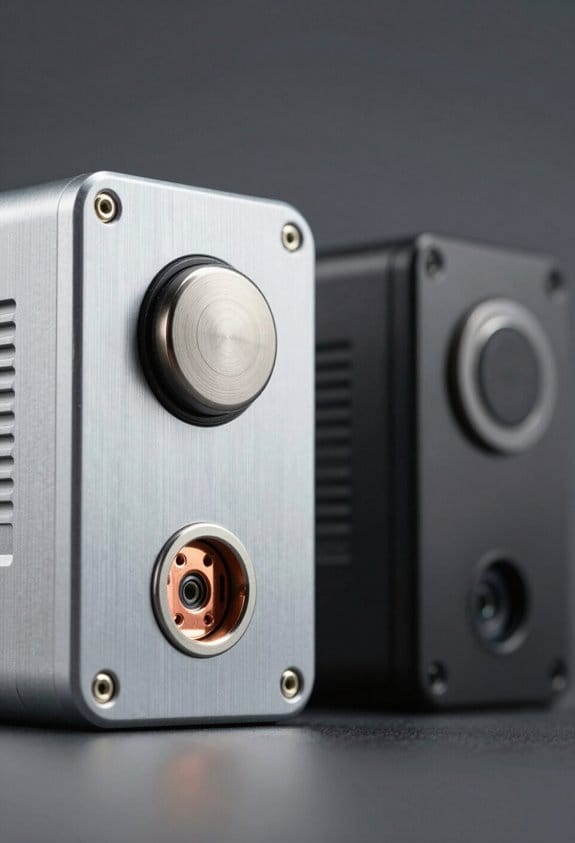
Have you ever had that sinking feeling when you realize you forgot to check if your doors and windows were locked? Or maybe you’ve heard a noise at night and wondered if your home security was up to par. Let’s dive into some common detection technologies used in door and window sensors that can help put your mind at ease.
Magnetic contact sensors are pretty straightforward. They detect changes in the magnetic field, which lets you know when a door or window is opened or closed. They’re a solid choice if you’re looking for something reliable.
Then there are Passive InfraRed (PIR) sensors. These detect infrared radiation from human motion. If someone walks by, these sensors will catch that movement. So, it’s like having a pair of extra eyes keeping watch for you.
Another great option is glass break sensors. They can pick up the specific sound frequency of breaking glass from up to 25 feet away, which is particularly helpful if you live in an area where break-ins are a concern.
Now, here’s the trick: modern sensors often use wireless connectivity, so you get real-time alerts right to your phone. This way, you’re always in the loop, no matter where you are. Some advanced sensors even combine PIR with microwave detection. This dual technology helps reduce false alarms while still offering effective monitoring.
So, why does this matter? It’s about making your home security more responsive and reliable. You want to ensure you’re protected, and these technologies can help you feel more secure.
Additionally, many systems provide multiple user alerts, enabling customized notifications for all household members in real time.
The Magnetic Mechanism Behind Sensor Alerts
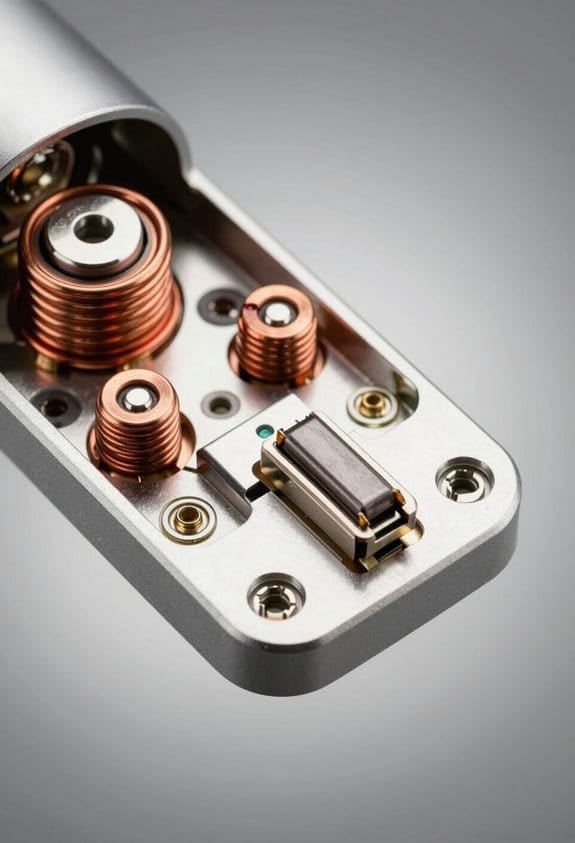
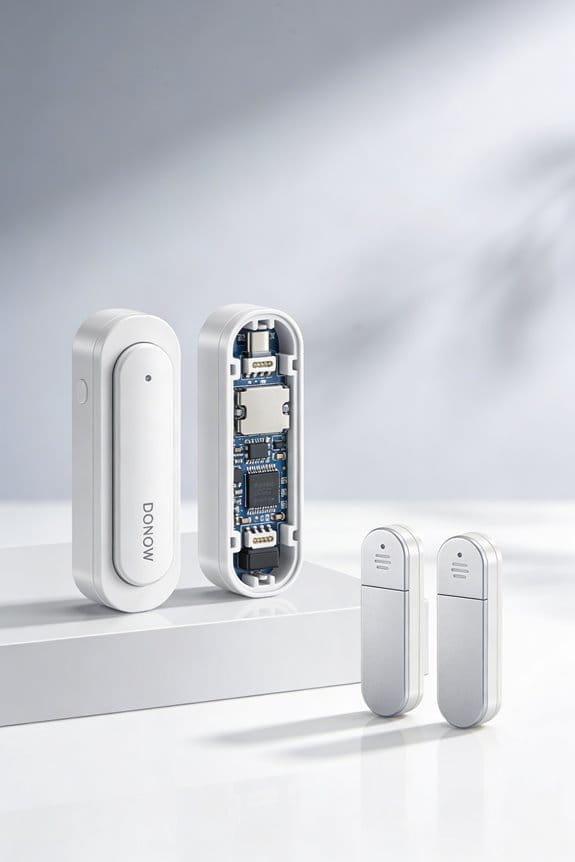
Ever wondered how to keep your home safe without breaking the bank? Magnetic contact sensors could be just what you need. These sensors consist of a couple of simple parts: a sensor unit and a magnet. When a door closes, the magnetic field keeps them together. But, as soon as that door opens, the connection is broken, and you’ll get an alert that something’s up.
Here are some things to love about these sensors:
- Quick Detection: They alert you right away if someone tries to sneak in.
- Easy Installation: You can stick them on with adhesive or screw them in—no fancy skills required.
- Strategic Placement: Just think about putting them on every door and window for solid coverage.
You might be wondering, why go for these sensors? Truth is, they’re a super effective part of your home security strategy, keeping you in the loop about anything unusual. Plus, the peace of mind they provide is priceless. For enhanced security, these sensors often integrate seamlessly with smart home systems, allowing real-time alerts to your smartphone.
Real-World Applications: Where Do We Use Door and Window Sensors?
Have you ever worried about what might happen when you leave your house or business unmonitored? Door and window sensors can be your eyes and ears when you’re not around, and their versatility can make a huge difference in how safely and efficiently you manage your space.
Home security is one of the most common areas where these sensors shine. They alert you when someone tries to enter your home without permission. This added layer of protection can really boost your peace of mind when you’re away or even just enjoying a quiet evening at home.
Integrating these sensors with smart home technology is another great idea. You’ll get real-time alerts straight to your smartphone, allowing you to keep an eye on things from anywhere. Imagine being at work and getting an immediate notification that a door was opened at your house. It’s comforting to know you can check in anytime.
For businesses, door and window sensors can be essential in safeguarding valuable items. They’re not just about security; they can help keep your office or storage room safe from unwanted guests.
If you run a retail space, think about how valuable customer flow data can be. Tracking how and when customers enter your store can help you optimize layouts and improve sales strategies. You’ll be able to see what areas customers seem drawn to, and adjust accordingly.
Then there’s the energy efficiency aspect. These sensors can alert you when doors or windows are left open, preventing your HVAC system from running inefficiently. This can save you money on energy bills and also be better for the environment.
Many door and window sensors also support integration with professional monitoring services to provide 24/7 trained agent response for enhanced security and peace of mind.
Enhancing Security: The Benefits of Door and Window Sensors
When it comes to keeping your home or business safe, door and window sensors play a crucial role. Ever have that nagging worry when you’re out? These sensors can send you real-time alerts whenever a door or window is opened or tampered with, helping you catch unauthorized access right away.
What makes them so essential? Let’s break it down:
- Reliable Detection: Magnetic contact sensors are designed to create a closed circuit. This means they’re always monitoring and ready to alert you.
- Glass Break Detectors: These nifty sensors can pick up the sound of breaking glass from 20 to 25 feet away. That’s particularly helpful for those vulnerable spots around your property where a burglar might strike.
- Reduced Risk: Did you know that homes equipped with door and window sensors face three times lower risk of a break-in? That’s a solid reason to consider adding them to your security setup.
- Many systems offer expandability options, allowing you to add additional door and window sensors to customize your home security coverage.
Passive vs. Active Sensors: Key Differences Explained
Have you ever worried about the security of your windows and doors? It’s a common concern, and knowing the types of sensors available can really help you make better choices for your home.
Now, let’s dive into passive sensors. These include Passive Infrared (PIR) sensors that pick up on the infrared radiation emitted by human body heat. They’re pretty great because they only activate when there’s a change in temperature. This makes them energy-efficient and inexpensive to run. If you’re looking to save money while keeping an eye on things, they can be a smart choice.
On the flip side, you’ve got active sensors. These work by continuously sending out energy, think microwave or ultrasonic waves, to detect movement. They can sense a wider area and can even pick up stationary objects. But don’t forget, their constant energy use means they can hit you harder in the pocket when it comes to operational costs.
Many professional smart home systems incorporate these sensor types with options for backup power to ensure reliable security monitoring even during power outages.
Frequently Asked Questions
How Long Do Door and Window Sensors Typically Last?
Door and window sensors usually last two to five years, depending on battery lifespan and component quality. Remember, frequent usage and environmental factors can wear them down. Keeping an eye on signs of replacement is wise!
Can Door and Window Sensors Work in Extreme Weather?
Yes, door and window sensors can function well in extreme conditions. With advancements in technology, weatherproof designs and moisture resistance help alleviate durability concerns, ensuring effective performance despite temperature effects during installation.
Are Door and Window Sensors Easy to Install?
Yes, door and window sensors are easy to install! With our DIY guides, we can follow simple installation steps for various sensor types. Wireless options offer flexibility, while placement tips guarantee ideal battery life and user experience.
Do These Sensors Require Regular Maintenance?
Maintaining sensors is like tending a garden; regular attention keeps them thriving. We should check battery life, test durability, clean for weather exposure, and consider replacement options to guarantee peak performance without significant environmental impact.
Can Door and Window Sensors Be Hacked?
Yes, door and window sensors can be hacked. We should be aware of security vulnerabilities and wireless risks, and use encryption methods along with robust cybersecurity measures to mitigate risks related to hacking techniques and sensor tampering.