
Understanding biometric security means recognizing the importance of securing unique data like fingerprints and facial recognition. If compromised, this data can lead to identity theft. We must prioritize strong protections, such as encryption and access controls, to safeguard biometric information. Compliance with laws like GDPR guarantees transparency and consent in data collection. It’s vital to stay updated on evolving regulations and innovations, like AI improvements, that can enhance security. There’s much more to explore regarding these essential practices.
Key Takeaways
- Biometric data is unique and permanent, making its compromise a serious privacy risk leading to identity theft and fraud.
- Organizations must obtain clear consent before collecting biometric information, adhering to laws like GDPR and BIPA for privacy protection.
- Encryption during storage and transmission of biometric data is essential to enhance security and protect against unauthorized access.
- Current regulations vary widely, creating uncertainty in privacy protections for biometric data, necessitating ongoing compliance and updates.
- Advanced technologies, such as AI and multi-modal systems, can improve security while addressing privacy concerns in biometric authentication.
Why Securing Your Biometric Data Is Crucial
Have you ever thought about how secure your biometric data really is? Things like fingerprints and facial recognition are unique to each of us and, unlike passwords, they can’t be changed. This makes them incredibly valuable and a tempting target for hackers. If someone gains access to your biometric information, the fallout can be serious and long-lasting. Your privacy rights hang in the balance, and that’s something we should all care about.
With more and more places relying on biometric authentication, it’s essential to make sure your data is safe. Laws like GDPR and BIPA are stepping in to help protect our sensitive information, but that doesn’t mean we can take our security for granted. You should be proactive in checking how your data is being handled.
Here’s the trick: always look for organizations that have solid security practices in place when dealing with your biometrics. Don’t hesitate to ask about their measures for protecting your data. It’s your right to know.
So, why does this matter? Because your biometric data shouldn’t be a gateway for others to invade your privacy.
In closing, take a moment to think about your biometric data. Are you doing enough to secure it? It’s worth the effort to stay informed and vigilant. Employing advanced AI detection can also enhance security by accurately distinguishing legitimate users and reducing unauthorized access attempts.
How Biometric Data Is Protected and Stored
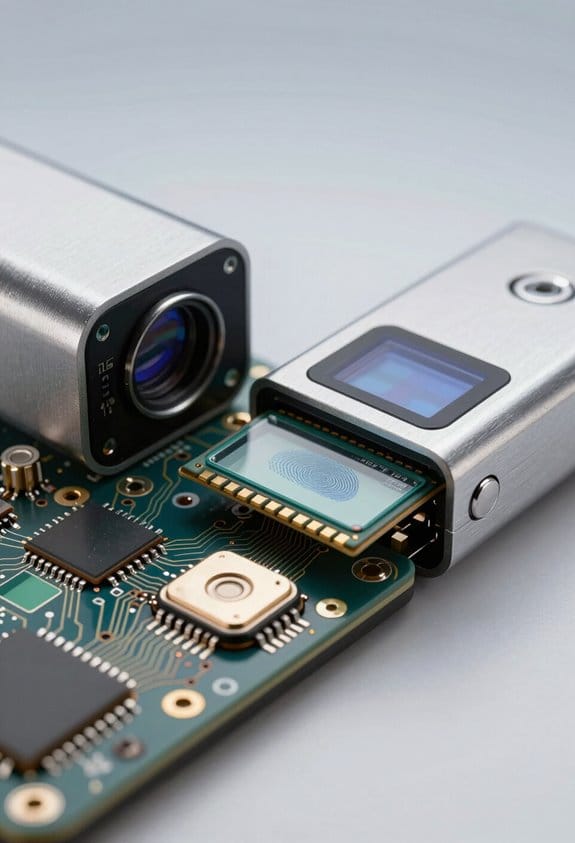
Ever had a moment of panic about how your biometric data is handled? It’s a valid worry—after all, your fingerprints and facial recognition are pretty personal. Knowing how this information is protected and stored can give you some peace of mind.
To keep your biometric data safe, organizations need to invest in serious security measures. This isn’t just about collecting your data; it’s about ensuring it’s protected every step of the way. Here are some key steps that really matter:
- Encrypt your data when it’s stored and during transmission. This creates an extra layer of security against unauthorized access.
- Implement strict access controls. This way, only the right people can get to your information.
- Store biometric samples in a hashed format. It’s a neat trick that makes it much harder for anyone to misuse the data.
- Regular security audits are key. These checks help spot weak points in the storage systems.
So, why does this matter? Because compliance with laws like GDPR and BIPA emphasizes the need to get your consent before collecting or using your biometric data. Frankly, it’s your right to know how your information is being treated.
Before you share any biometric info, always look for transparent privacy policies from organizations. You want to be sure they’re putting your privacy first, right?
To sum it up, keeping biometric data secure is crucial in today’s world. By staying informed and asking the right questions, you can help protect your personal information. Many modern systems also include features like 24/7 professional monitoring to ensure rapid response in case of security breaches. What steps will you take to ensure your biometric data stays safe?
Understanding the Risks of Biometric Authentication
Have you ever thought about how secure your biometric data really is? While it’s super convenient to use your fingerprint or face to unlock your phone or access accounts, there are some serious risks that you should be aware of. Once your biometric information is compromised, there’s no way to change it like you could with a password. Let’s dive into some key concerns you might want to consider.
First off, identity theft is a big deal. If someone gets hold of your biometric data, they could commit fraud in your name, and you can’t just revoke your fingerprint like you would a lost credit card. That’s a scary thought, right?
Another thing to keep in mind is the shifting landscape of privacy laws. Regulations around biometric data are still developing, which means your personal information might not be as protected as you’d hope. It can be a bit unsettling to realize that there may not be adequate controls in place to keep your data safe.
Security risks also come into play with biometric systems. Think about biometric spoofing—people can sometimes trick systems into granting access by using fake fingerprints or facial images. It makes you wonder just how reliable these systems really are, doesn’t it?
So, what can you do? Be vigilant about how your biometric data is collected and stored. Look for systems that prioritize strong security measures and make sure you know your rights regarding your personal information.
In short, while biometric authentication can make life easier, it’s crucial to stay informed about the risks involved. Are you ready to take a closer look at how your information is protected? Additionally, using custom automation rules in home security systems can help you create personalized alerts and responses to potential biometric threats.
Privacy and Consent in Biometric Data Collection
Have you ever thought about how companies collect and use your biometric data? It’s something many of us don’t think about until it directly impacts us. When it comes to this kind of sensitive information, figuring out privacy and consent is crucial. More and more people are realizing they want control over their personal data, which is pushing organizations to take privacy seriously.
Here’s the key: you need to give clear consent before any biometric data is collected. This isn’t just a good practice; it’s required by laws like GDPR and Illinois’ BIPA. Companies have to tell you exactly how they plan to use your data, and you should always have a say in it.
When giving consent, make sure you understand what you’re agreeing to.
- Consent should be documented for any specific benefits you might receive.
- If the way your data is used changes, you need to renew that consent.
So, why does this matter? Because your data is yours, and nobody should use it without your permission. The best part is that you can ask questions if something isn’t clear. You have the right to know how your information is being handled.
In a world where our personal data is frequently at risk, understanding these principles helps keep you informed and empowered. Many organizations are now emphasizing privacy and consent as part of their core data security strategies.
Have you taken the time to check if your data is protected?
How AI Makes Biometric Security Better
Have you ever wondered just how secure your biometric data really is? There’s a lot more to it than just a thumbprint or a face scan. With the rise of artificial intelligence, biometric security has gotten a whole lot better in balancing safety with ease of use.
AI uses some pretty smart machine learning algorithms that help improve how well biometric systems recognize you. This is huge because it cuts down on pesky false acceptance and rejection rates, meaning fewer headaches when you’re trying to get access.
Let’s look at a few key ways AI is making this happen:
- Real-time monitoring: AI’s ability to watch user behavior is pretty impressive. It adjusts quickly to spot anything unusual, which can help catch potential threats before they escalate.
- Enhanced encryption: Want to keep your biometric data safe? AI steps in to make the protection stronger, ensuring that unauthorized folks have a harder time getting in.
- Vulnerability detection: AI can also sniff out risks like deepfakes and spoofing attacks, letting us know when something doesn’t seem right.
So, why does this matter? Well, it’s simple: as tech advances, we need systems that evolve just as quickly to keep our personal information safe. The best part is, these improvements make our lives a bit easier too.
In short, AI is a valuable ally in keeping our biometric data secure. Isn’t it reassuring to know that we have smarter systems watching out for us? Many biometric security solutions now include 24/7 professional monitoring to enhance real-time threat response and overall system reliability.
Regulatory Frameworks for Biometric Data Protection
Navigating the world of biometric data protection can be tricky, right? With regulations changing all the time, it’s hard to keep track of what’s going on. Depending on where you live, the rules can look very different.
In the EU, the General Data Protection Regulation (GDPR) is a big deal. It requires companies to get your explicit permission before they can process your biometric data. They’ve put strict privacy guidelines in place to protect individuals. Meanwhile, over in the U.S., Illinois has its own law called the Biometric Information Privacy Act (BIPA). This law allows individuals to take legal action if their biometric data gets mishandled.
But here’s the catch: while Illinois has BIPA, many states don’t have similar protections in place, leading to a patchwork of laws across the country. So, why does this matter? Because it means what you’re protected by can really hinge on your location. When organizations collect, store, or share biometric data, transparency is crucial. You should know what they’re doing with your information.
The best part is, as technology keeps evolving, it’s important that these regulations get updates, too. Keeping up with the changes helps protect your rights and ensures that your biometric data stays safe. Have you ever thought about what happens to your data once it’s collected? Additionally, integrating biometric security with home automation alarm systems can enhance overall protection while raising important privacy considerations.
To sum it up, being aware of the laws in your area is important for staying safe with your biometric information. Keep asking questions and stay informed!
Essential Practices for Secure Handling of Biometric Data
When it comes to handling biometric data, security has to be your top priority. You might wonder why this matters. Well, biometric data, like fingerprints or facial recognition, is incredibly sensitive. If it falls into the wrong hands, the consequences can be dire. So, let’s dig into some practical ways to keep that data safe.
First off, encryption is a must. Strong encryption for biometric data, both when it’s stored and when it’s being sent, is essential to keep prying eyes away. The stronger your encryption, the harder it is for anyone to get access without permission. So, if you aren’t already using strong encryption techniques, it’s time to get on that.
Another key practice is security audits. Regularly reviewing how you store and manage biometric data can help you spot vulnerabilities. It’s like spring cleaning for your data security. Just think about it: you might discover weaknesses in your system that could expose sensitive information. Fixing these issues promptly can save a lot of trouble later on.
Don’t overlook employee training either. Continuous education on the best practices for processing biometric data is crucial. It’s not just about following the rules; it’s about instilling a culture of privacy and security. Consider holding workshops or refresher courses to keep everyone informed—it’s an investment in your overall security plan.
Having solid access control is also vital. Set strict policies about who can access biometric data. Historically, too many people often have access to sensitive information, which is a recipe for disaster. By limiting access to only those who absolutely need it, you can add another layer of protection against potential breaches.
Lastly, don’t forget about data retention. Create clear policies for how long you keep biometric data and when it should be deleted. Following privacy regulations here isn’t just a good idea; it keeps your organization in good standing legally. Plus, the less data you have lying around, the less risk of misuse!
Integrating a robust dual-network technology combining GSM and Wi-Fi can further enhance the security and real-time monitoring of biometric data systems.
Future Innovations in Biometric Security
Have you ever worried about the security of your personal data? With the way technology’s advancing, it’s a valid concern, especially when it comes to biometric security. It looks like we’re in for some pretty cool updates that could make our lives easier while keeping our information safe.
Picture this: multi-modal systems that combine your fingerprints and facial recognition. This could mean more accurate identification and a smoother experience for you.
Some key innovations to keep an eye on include:
- Contactless technologies that make authentication cleaner and safer in public places.
- AI-driven algorithms that track your patterns to spot unusual behavior. This makes it tougher for unauthorized folks to get in.
- Biometric encryption methods aimed at protecting your sensitive data without being a hassle.
- Decentralized databases that could help reduce privacy risks, letting you have better control over your information.
These advancements are paving the way for a future where biometric security not only keeps us safe but also respects our privacy. Integrated systems that support multiple connectivity options promise enhanced security and convenience for home environments. So, what do you think? Are you ready to embrace these changes?
Frequently Asked Questions
What Happens if My Biometric Data Is Stolen?
If our biometric data’s stolen, we face serious consequences like identity fraud risks and data breach implications. It’s easy to dismiss, but we should recognize how real these biometric theft consequences can be in today’s digital world.
Can Biometric Data Be Misused by Companies?
Yes, biometric data can be misused by companies if they disregard data ownership and consent policies. It’s vital for us to demand corporate responsibility to guarantee our sensitive information is handled ethically and securely.
How Can I Ensure My Biometric Data Is Secure?
To guarantee our biometric data’s secure, we should utilize biometric encryption methods, advocate for secure data storage solutions, and always adhere to user consent protocols. Protecting our privacy is a collective responsibility we should embrace together.
Are There Alternatives to Biometric Authentication?
Absolutely, there’re several alternatives to biometric authentication. We can consider strong passwords, security tokens, and behavioral biometrics as effective options. Like a secret passage in a novel, they offer unique ways to secure our identity.
What Rights Do I Have Over My Biometric Data?
We have rights over our biometric data, including ownership and the need for user consent. Legal protections vary by region, highlighting the importance of understanding our rights for better security and privacy management.