
Understanding the Emergency Alert System (EAS) is crucial for our safety during emergencies. EAS provides timely alerts for weather events, AMBER alerts, and more, using Specific Area Message Encoding (SAME) for localized communication. These messages are coordinated by FEMA, FCC, and NOAA. They help us prepare quickly by providing essential information. Pro Tip: Pay close attention to alerts and updates from local news. Knowing the terminology and types of alerts can enhance our readiness for emergency situations. Discover more about EAS to stay informed.
Key Takeaways
- EAS alerts include categories like Severe Weather Alerts, AMBER Alerts, Civil Emergency Messages, and Presidential Alerts for specific situations.
- Specific Area Message Encoding (SAME) technology customizes alerts to geographic areas, ensuring relevance and minimizing unnecessary disruptions.
- Alerts feature a SAME header that identifies the origin and the affected areas, guiding the public effectively.
- Timely alert response is crucial; alerts provide vital information for making safety decisions, such as evacuation orders.
- Community engagement through local emergency management initiatives enhances understanding and preparedness for EAS warnings.
Why Understanding the Emergency Alert System (EAS) Is Vital for Your Safety
Have you ever thought about what you’d do in an emergency? Knowing about the Emergency Alert System (EAS) is super important because it can make a difference when you need information fast. This system sends out public announcements almost instantly, so you’re not left in the dark when it matters most. The EAS gets messages out through television, radio, and satellites, ensuring that everyone can get the alerts they may need.
One of the neat things about the EAS is how it tailors alerts to specific locations using something called Specific Area Message Encoding (SAME). This means that when an alert is issued, only the folks in the affected area get the message—no one likes being disturbed by alerts that don’t apply to them! It’s all about getting the right information to the right people.
Testing is also a big part of the process. You might see those Required Weekly Tests (RWTs) come through on your screen, and while they can be a bit annoying, they’re really important. These tests help ensure that you can recognize real alerts when they come in. After all, in a crisis, you want to be able to react quickly, right?
The connection between the EAS and the Integrated Public Alert and Warning System (IPAWS) is another reason to pay attention. It ties together local, state, and federal efforts, meaning that when an emergency happens, there’s coordination behind the scenes to keep everyone safe.
So, why does all of this matter? Because understanding how EAS works can help you stay informed and prepared when unexpected situations arise. When you know how the alerts function, you’re less likely to panic and more likely to take the right actions. And let’s be honest—staying safe is what it’s all about.
Additionally, integrating modern safety measures such as home security systems can provide an extra layer of protection alongside emergency alerts.
In short, get familiar with the EAS. Take a moment to watch a test or read up on emergency procedures. What steps can you take today to ensure you’re ready if an emergency alert comes your way?
What Is the Emergency Alert System (EAS)?

Have you ever felt anxious during a storm, wondering what to do if things get serious? The Emergency Alert System (EAS) is here to help keep you informed during those critical moments. It delivers important alerts about emergencies like severe weather and AMBER alerts right to your screen. This national public warning system has been in place since 1997 and uses Specific Area Message Encoding (SAME) technology to let you know what’s happening and where.
Coordinated by FEMA, the FCC, and NOAA, the EAS works with broadcasting outlets to make sure information gets to you quickly. It’s like having a reliable friend who always keeps you updated when things get rough. Not only does it work on regular emergencies, but it also serves as a backup for major threats. In fact, during a national emergency, National Primary Stations can share messages straight from the president.
So, why does this matter? Being in the know can really help you make decisions during an emergency. The EAS is part of the larger Integrated Public Alert and Warning System, which means it connects with federal, state, and local agencies to improve overall coordination.
Truth is, knowing how this system works can make a big difference when disaster strikes. Make sure you’re familiar with it, so you can stay prepared. Have you checked your local weather alerts lately? It’s always a good idea to stay one step ahead. Many modern home security systems also integrate with emergency alerts for enhanced professional monitoring.
How Do EAS Messages Work?
How Do EAS Messages Work?
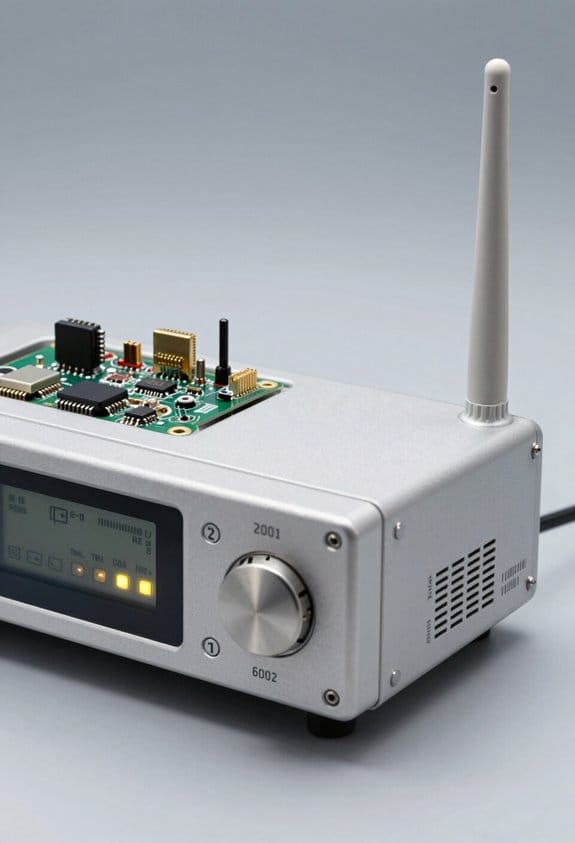
Ever wondered how you get important alerts during bad weather or emergencies? The Emergency Alert System (EAS) is there to keep you in the loop when it matters most. It uses something called Specific Area Message Encoding (SAME) to send out critical information, like severe weather warnings or AMBER alerts. Each alert comes with a SAME header that tells you who originated the message and which areas are affected.
Coordinating all this is no easy task. FEMA, the FCC, and NOAA work together to make sure broadcasters stay engaged in the EAS framework. What’s great is that there are backup communication links, which means EAS messages can be reliably delivered. Each broadcasting station monitors at least two others to ensure that messages are accurate. If there’s a national emergency, you could get updates on your mobile device within just 10 minutes. That’s a pretty quick turnaround when you need to know what’s going on.
So, why does this matter? Being aware of how the EAS operates can help you react better during emergencies. When you understand the system, you feel more prepared to handle any potential threats.
Here’s a handy tip: always keep your mobile devices charged! You never know when you might need to receive an alert, and a dead phone won’t do you any good.
For comprehensive preparedness, many experts recommend having a Ready America 72 Hour Emergency Kit on hand to support your immediate needs during a crisis.
What Types of EAS Alerts Exist?
Have you ever wondered how you’d stay informed during an emergency? The Emergency Alert System (EAS) plays a vital role in keeping us all updated when things go wrong. It sends out different types of alerts depending on the situation, and understanding these can make a real difference in your preparedness.
Take Severe Weather Alerts, for example. These are crucial for warning you about dangerous weather conditions like storms or floods that can threaten your safety and property. When you hear one of those alerts, it’s time to take action.
Then there are AMBER Alerts. If a child goes missing due to an abduction, these alerts come through to get the word out fast. They’re designed to help locate the child quickly, so if you see an AMBER Alert, keep your eyes peeled.
Civil Emergency Messages are another type you should know about. These alerts provide information during serious incidents like terrorism or civil unrest, helping you understand what’s happening and what you might need to do to stay safe.
And let’s not forget Presidential Alerts. These messages allow the President to inform the public about urgent national emergencies. It’s pretty remarkable how they can get this information out in under 10 minutes—definitely something to take seriously.
Frankly, test messages are also important. They might seem like minor notifications, but they verify that the EAS is working properly. Knowing that the system is functional means it can deliver accurate information when you really need it.
In addition to alerts, modern home setups often include professional monitoring services that provide real-time emergency response coordination to enhance your safety.
So, why does all this matter? By being aware of the different types of alerts, you can stay calm and prepared when emergencies arise. It’s about knowing what each alert means and how to respond effectively.
In a nutshell, keep these alerts in mind. You never know when a situation might arise, and being prepared can make all the difference. What’s your plan for staying informed when an emergency strikes?
What’s the Deal With Specific Area Message Encoding (SAME)?
When disaster strikes, getting the right information quickly can be a lifesaver. That’s where Specific Area Message Encoding (SAME) comes into play. This system is a key player in our Emergency Alert System, encoding urgent messages tailored for specific areas. You can think about it like this: if a tornado is bearing down on your town, you’d much rather receive a message about that than information meant for someone hundreds of miles away.
SAME works hand in hand with the Integrated Public Alert and Warning System (IPAWS). This combo ensures that alerts sent out in the Common Alerting Protocol (CAP) format are accurately turned into localized information. It might seem technical, but what it really means is that the alerts you receive are pertinent to your location.
So, why does this matter? Because having emergency alerts that apply specifically to your area can help you and your neighbors prepare effectively. It helps you know what you’re up against, whether it’s severe weather or other emergencies.
Here’s a tip: Always stay alert to the messages you receive. They could provide crucial information that might just save your life! For enhanced safety, integrating such alert systems with home security platforms can improve real-time response and monitoring.
Why Timeliness Matters in EAS?
Ever think about how a few minutes can change everything in an emergency? When it comes to situations like severe weather, natural disasters, or public safety threats, timely alerts can be a real lifesaver. That’s why the Emergency Alert System (EAS) is so important—it’s built to get crucial information to us often in under 10 minutes. This quick communication can make a big difference, helping everyone stay informed and ready to act.
The coordination between federal, state, and local agencies is a big part of what makes these alerts accurate and timely. It’s not just about sending a message; it’s about making sure that message gets to you when it counts. And let’s face it, timely alerts can really save lives. They give people the chance to prepare, reducing property damage and ensuring safety when things get tough.
So, how can you stay ahead? Regularly tuning in to your local news or radio can help you catch important alerts for your community. This little habit can put you in the loop, allowing you to react swiftly to whatever comes your way.
The best part? The EAS isn’t just there for big emergencies; it undergoes regular testing to ensure it’s always ready when it’s needed. By staying informed, you’re better equipped to handle unexpected situations.
Truth is, it pays to be proactive. Make it a point to keep your ear to the ground. You never know when a timely alert is going to help you or someone you care about. So, are you ready to take that first step towards staying informed?
For enhanced readiness, having an emergency kit with organized, accessible supplies can complement timely alerts and improve your overall safety in crises.
How to React to EAS Alerts?
Have you ever received an Emergency Alert System (EAS) alert? It’s one of those situations that can feel pretty intense, right? Knowing how to react in those critical moments can make a difference in keeping you and your loved ones safe. Here’s some real-life advice on what to do when that alert comes through.
First off, make sure you pay attention. EAS alerts are designed to give you essential information about potential threats in your area. The last thing you want is to miss crucial details because you were distracted.
Next, follow any instructions given in the alert. If there’s an evacuation order, don’t second-guess it. These advisories are there to ensure your safety—no matter how inconvenient it might be at the moment.
Stay informed by tuning into local news or checking official websites for ongoing updates. Situations can change rapidly, and it’s best to keep a close eye on the latest developments.
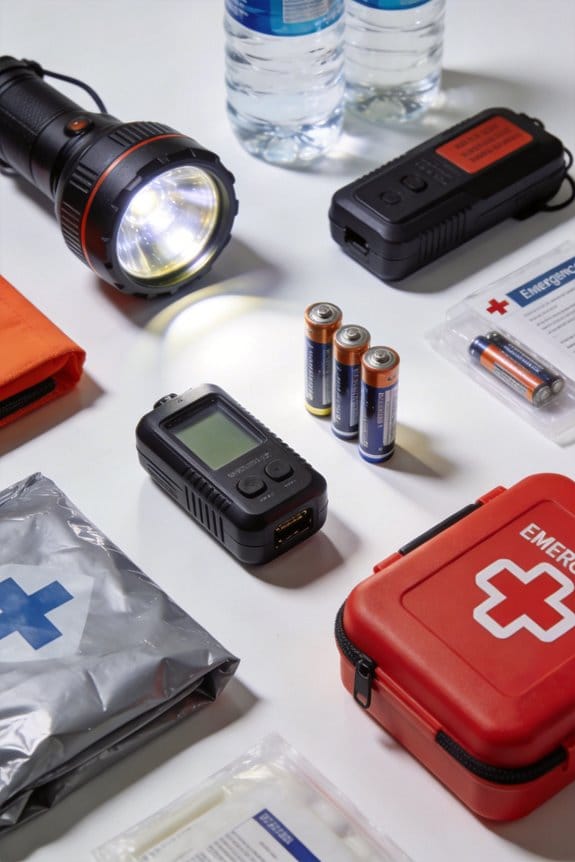
Now, if you have an emergency plan in place, it’s time to put it into action. Gather your essential supplies—things like water, food, and a flashlight—just in case you’re out longer than expected. You should also think about your safest route out, whether you’re driving or on foot.
Be proactive. If you notice anything unusual and it’s safe to do so, don’t hesitate to contact local authorities with your observations. Community cooperation can really boost overall safety during emergencies.
So, why does this matter? Understanding how to respond to EAS alerts could save lives, including your own. It’s also crucial to have a 72-hour survival kit prepared, containing essentials like food and water, to support you during emergencies.
Common Emergency Alert Scenarios to Know
When it comes to unexpected emergencies, understanding the different types of alerts can make a big difference in how you respond. Have you ever found yourself wondering what to do when an alert comes buzzing through your phone? There are a few key scenarios you should know about.
- Warnings are the big ones. They tell you that a dangerous event is happening or about to happen and that you need to take immediate action to stay safe.
- Advisories are a little less intense. They indicate that conditions could be tricky or inconvenient, but they aren’t as urgent as a warning.
- We often hear alerts about severe weather events, like storms or tornadoes. You might also see AMBER alerts, which are a call to action when a child goes missing.
- Don’t forget that the Emergency Alert System (EAS) also covers national emergencies and other serious threats to public safety.
So, why does this matter? Well, being prepared can change how you handle these situations. A great tool to have is NOAA’s Weather Radio. It’ll keep you updated with constant alerts and official warnings. Having a reliable NOAA weather radio in your storm preparedness kit ensures you won’t miss critical emergency communications during power outages.
In short, staying informed about these alerts isn’t just useful—it’s essential for your safety. How prepared do you feel for an emergency?
Where to Find Reliable EAS Resources
When disaster strikes, knowing where to find accurate information about the Emergency Alert System (EAS) can be a lifesaver. You might wonder, where do I even start? Thankfully, there are several reliable resources at your fingertips.
The Federal Emergency Management Agency (FEMA) is a solid place to begin. They have a wealth of information about how EAS works. It’s worth taking some time to explore their website; it’s packed with useful details that can help you stay informed.
Don’t overlook the National Weather Service (NWS). They provide real-time alerts and essential safety information through their website and NOAA Weather Radio. If you’re someone who spends a lot of time outdoors or just wants to be prepared at home, keeping tabs on NWS updates is a smart move.
Local broadcast stations play a critical role during emergencies, offering live updates that can make all the difference. You’ll want to tune in to your favorite radio or TV station when severe weather or other emergencies unfold. Trust me; having that local connection can help you feel more in control.
Here’s the trick: check out the Integrated Public Alert and Warning System (IPAWS) website. It offers valuable insights into how public alerts work and what to expect when they go out. Understanding this can help you appreciate the alerts you receive.
And let’s not forget about community outreach programs! Local emergency management offices often hold informational sessions that can help you learn how to receive alerts specifically for your area. It’s a great way to meet your neighbors, get involved, and ensure you’re prepared for what comes.
For those looking to enhance personal safety without relying on the internet, consider installing an offline security system that operates independently of WiFi to maintain continuous protection during power outages or emergencies.
Frequently Asked Questions
How Do I Read Emergency Alerts?
To read emergency alerts, we should focus on alert priority levels, understand terminology, note specific hazard alerts, and check mobile alert systems. Let’s also consider response strategies and local preparedness plans for effective community safety.
What Are the Four Categories of Alerts?
The four alert categories overview our response to emergencies! There’re Warnings, Advisories, Watches, and Emergency Alerts. Recognizing alert signals and being prepared can dramatically improve community response plans for public safety messages. Don’t underestimate their importance!
What Do Different Emergency Alerts Mean?
Different alert types signify varying levels of risk. We’ll enhance community awareness through message clarity and targeted distribution, ensuring reliable terminology meanings empower effective response strategies and encourage emergency preparedness for everyone’s safety.
What Are the 4 Pillars of the Early Warning System?
The four pillars of the early warning system are risk assessment, communication channels, response strategies, and technology integration. Together, they enhance community resilience, ensuring public awareness through accurate data and effective stakeholder collaboration in alert systems.