
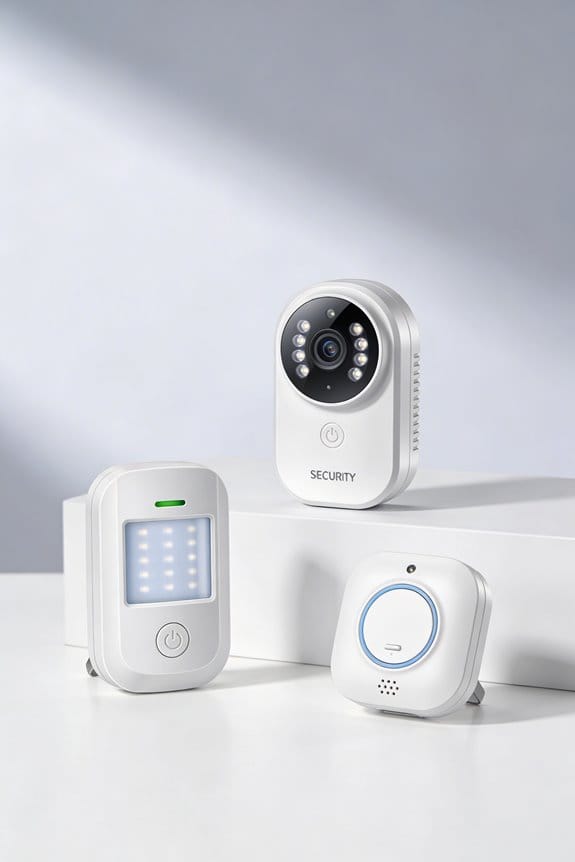

We recognize that new energy efficiency standards for security equipment aim to reduce energy waste, promote sustainability, and enhance compliance within the industry. These regulations are vital, as operational equipment accounts for over 40% of U.S. energy consumption. By upgrading to modern, energy-efficient systems, we can save up to 75% on energy costs and reduce greenhouse gas emissions. Staying informed about compliance requirements is essential, and we’ll explore effective strategies to meet these standards next.
Key Takeaways
- New energy efficiency standards set stricter wattage limits for security equipment, enhancing energy savings and reducing greenhouse gas emissions.
- Compliance requires manufacturers to thoroughly assess energy consumption and performance metrics, as regulations differ by equipment type and location.
- Adopting energy-efficient technologies can lead to reduced energy waste, with modern systems using up to 75% less energy than older models.
- Reducing standby power consumption, which accounts for 5-10% of home energy usage, is a focus of the new standards to save on utility costs.
- Investing in energy-efficient security products and real-time monitoring systems supports both compliance and sustainability efforts.
What Are the New Energy Efficiency Standards for Security Equipment?
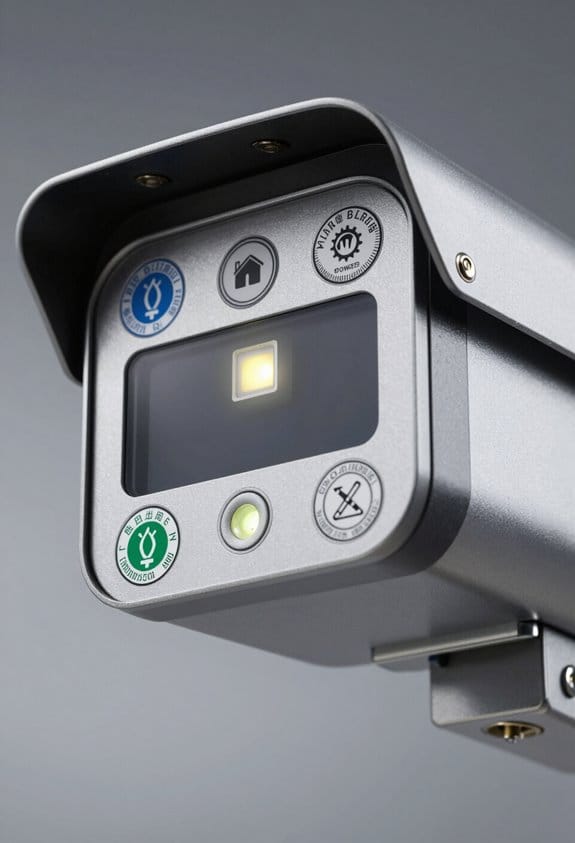
What do the new energy efficiency standards for security equipment mean for you? It’s pretty simple, really. These new regulations are enforcing stricter wattage limits for devices like cameras and alarm systems. With this change, your security equipment will consume less energy when in use and even when it’s just sitting on standby. This means less energy waste and more savings in your pocket over time.
Manufacturers are now being pushed to include energy-efficient technologies in their products. You might think it’s just another regulation, but honestly, this shift is beneficial for all of us. It’s not just about saving money on your energy bills—it’s also about supporting bigger efforts to cut down greenhouse gas emissions across the country.
As these standards roll out, there’s going to be a transitional phase. Manufacturers will need time to update their product lines, so don’t be surprised if you see some changes in the market soon. It’s a step towards a more sustainable approach to security, and that’s something we can all get behind. Many modern systems now incorporate solar-powered security cameras to ensure continuous monitoring while reducing energy consumption.
Why Are Energy Efficiency Standards Important for Security Systems?

Why is it important for security systems to meet energy efficiency standards? You might not think about it often, but the truth is, our homes and businesses can waste a lot of energy on security devices. Did you know that more than 40% of the total energy consumption in the U.S. comes from operational equipment? That’s a staggering number!
The best part is that modern security equipment like surveillance cameras and alarms can consume up to 75% less energy than those old, clunky models. This is not just some technical jargon; it translates into real savings on your energy bills. When you choose compliant systems, you’re not only making a smart financial decision but also doing your part to help the environment.
So, why does this matter? Enhanced energy efficiency boosts the reliability and performance of your security systems. They work better and last longer, all while aligning with sustainable practices. Also, it’s great to know that by reducing energy consumption, we’re cutting down on greenhouse gas emissions. Since 1987, efficiency standards have helped avoid around 2.3 billion tons of carbon dioxide. That’s a win for everyone!
Truth is, supporting manufacturers in developing eco-friendly products can create a market where environmentally conscious choices become the norm. When you invest in energy-efficient security systems, you’re not just protecting your property; you’re making a positive impact on the planet.
Additionally, choosing systems with integrated energy monitoring and smart home automation features can further optimize your energy use without compromising security.
Want to make both your wallet and the Earth happy? Consider switching to energy-efficient security solutions. Even small changes can add up. So what’s stopping you from making the smarter choice today?
Key Components of Energy Efficiency in Security Systems
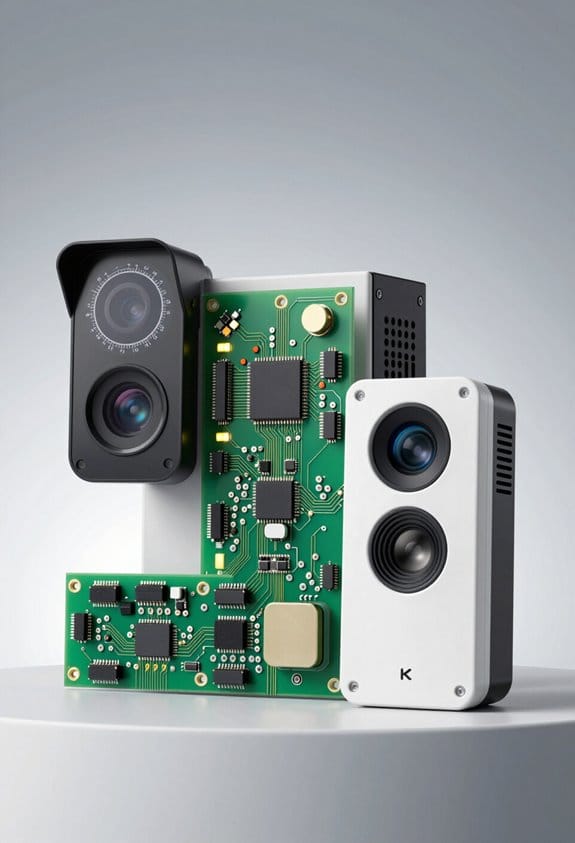
When it comes to saving energy in your security system, do you sometimes wonder if you’re wasting more than you should? It’s a common concern, but there are real-life steps you can take to improve efficiency without sacrificing safety.
First off, think about swapping out your traditional lighting for LEDs. They consume far less energy and last longer. Plus, consider solar-powered cameras. Not only do they help reduce your energy bill, but they also align with a more sustainable approach to your security needs.
Implementing an energy management system can also work wonders. These systems allow you to keep an eye on your energy use in real-time—think of it as your personal energy monitor. This means you can adjust settings whenever needed instead of leaving everything running continuously.
Regular maintenance shouldn’t be overlooked, either. By replacing older components with energy-efficient alternatives, you can make a significant dent in your energy consumption.
So, how can you be smart about it? Here are a few actionable tips:
- Use motion detectors to trigger cameras only when there’s activity.
- Switch out those old bulbs for LED options—it’s a simple change that pays off.
- Look into solar-powered devices for a more eco-friendly option.
These improvements can not only help you meet energy efficiency goals but also lower your operational costs. Additionally, choosing security cameras with AI motion detection technology can greatly reduce unnecessary power usage by minimizing false alarms.
How Do Standby Power Consumption Levels Impact Energy Use?
Have you ever thought about how many electronics are quietly draining power in your home, even when you’re not using them? This “phantom load” or standby power consumption often flies under the radar but can actually consume 5-10% of your home’s energy. That’s a significant amount of wasted energy!
Now, let’s get to the good stuff. The new Energy Conservation Standards can help cut down that wasted energy by an impressive 10-25%. By focusing on appliances and devices that have lower standby power consumption, you’re not just saving on your utility bill—you’re also making a choice that’s better for the environment. That’s a win-win, right?
So, why does all this matter? More energy-efficient appliances mean you’re doing your part to reduce greenhouse gas emissions. Plus, consumers today care about the impact of their choices on the planet, so this shift can appeal to a lot of people out there.
Here’s a simple trick: Just turn off devices when you’re not using them. It sounds easy, but it can really make a difference in cutting back on that standby power.
In fact, many modern home security systems now emphasize energy-efficient features, helping reduce unnecessary power use without compromising safety.
In short, watching out for standby power can help you save energy and money while also being kinder to our environment. Have you thought about how you can reduce your home’s energy waste?
What Do Manufacturers Need to Know About Compliance Requirements?
As energy efficiency standards change, many manufacturers find themselves scratching their heads, wondering how to keep up with the new requirements from the Department of Energy (DOE). It can feel a bit overwhelming, right?
So let’s break it down. First and foremost, you need to take a close look at your energy consumption and performance metrics. Each piece of equipment has its own set of regulations, and these can vary not just by the type of equipment but also by regional energy codes. It’s definitely a lot to process, but understanding these specifics is crucial for compliance.
Try this: Make a checklist of deadlines and requirements. Compliance deadlines can be slippery and sometimes change. Keeping track helps prevent last-minute scrambles!
Truth is, getting compliant isn’t just about checking boxes. You might find that you’ll need to invest significant resources into research and development. Redesigning your equipment might also be necessary to meet DOE standards. Plus, there’s always the market demand for energy-efficient solutions to consider. Manufacturers who embrace this shift may find they’re not only compliant but also leading the way in their industry.
And don’t forget about testing. This isn’t just a formality; rigorous testing is key to ensuring your products meet compliance standards while also performing well in real-world situations.
Many monitoring solutions now incorporate energy-saving technologies, which reflects the broader industry trend toward 24/7 professional monitoring with optimized energy use.
To wrap it up, keeping track of compliance with energy efficiency standards isn’t a one-time task but an ongoing process. It’s all about staying informed and proactive. How prepared are you to tackle these changes head-on?
Effective Strategies for Complying With New Energy Efficiency Standards
Navigating new energy efficiency standards can feel overwhelming, can’t it? But there are straightforward steps you can take to make it easier. For starters, if you’re in manufacturing, consider making design changes that boost the energy performance of your security equipment. Bringing in energy-efficient tech isn’t just a good idea; it helps you stay compliant with those new rules.
Regular energy audits are another essential move. These audits help identify what needs improvement and ensure you stay on track with federal and state regulations. You’d be surprised at how much more efficient things can get with a little scrutiny.
Also, think about investing in ENERGY STAR certified security products. They usually go above and beyond the basic energy efficiency requirements, giving you peace of mind that you’re meeting or even exceeding the standards.
Don’t forget about keeping an eye on your energy management systems. Monitoring what’s happening with your security equipment’s energy performance shows your commitment to compliance and can also help you spot areas for improvement over time.
To further optimize efficiency, consider integrating AI-powered motion detection technologies, which can reduce energy use by activating systems only when needed.
Here are a couple of tips to keep in mind:
- Stay up to date with energy efficiency metrics.
- Make it a point to regularly update your energy management systems.
How Energy Efficiency Affects Costs and Sustainability
Have you ever thought about how much you’re wasting on energy bills? Switching to energy-efficient solutions doesn’t just mean meeting new standards; it can seriously change your budget and help our planet too. Investing in energy-efficient security equipment can really lighten your operational costs. It’s estimated we could save over $950 billion by 2020 and potentially up to $1.7 trillion by 2030 because of reduced energy use.
When you go for energy-efficient options, you’re tackling unnecessary energy waste head-on. This means lower greenhouse gas emissions, and let’s be honest, that’s essential for a sustainable future. Plus, using energy-efficient technology usually means your systems will last longer and perform better, which translates to more savings down the line.
Here’s the trick: if you’re considering new security systems, always choose ones that are certified for energy efficiency. It’s not just about saving money today; it’s about making a choice that benefits everyone tomorrow. So, as we strive to cut down on energy consumption and shrink our carbon footprints, shifting toward efficiency is crucial.
Outdoor security cameras with battery-powered options can further enhance energy savings by reducing dependence on grid electricity.
Ultimately, looking into energy efficiency can be a smart move for your wallet and the environment. Have you made any energy-efficient upgrades yet?
Future Trends in Energy-Efficient Security Technology
Have you ever looked at your security setup and thought, “This is using way too much energy”? With all the new technologies out there, it’s great to see a focus on energy efficiency. We can now monitor our energy use in real-time, thanks to smart features being integrated into security systems. You’d be surprised how much energy-efficient components and clever hardware designs can cut down on power usage while extending the lifespan of your devices.
For example, switching to LED lighting in security systems can save you up to 75% compared to those old-school methods. Think about that—less energy spent means lower bills! Plus, with the move toward wireless security devices, you can ditch a lot of the messy wiring that used to suck up so much energy.
One standout innovation is the development of solar-powered security cameras, which combine sustainability with advanced surveillance features.
You might wonder why this is important. Well, these advancements aren’t just complying with new energy efficiency standards; they’re also pushing manufacturers to innovate. So, as a homeowner or a business owner, you’re getting better options that keep your space safe while being kind to the planet.
In a nutshell, embracing these energy-efficient technologies not only protects your space but also helps you save on energy bills. Have you thought about which upgrades you could make next?
Frequently Asked Questions
What Types of Security Equipment Are Affected by New Standards?
We’re not just upgrading our coffee machines; surveillance cameras, motion detectors, alarm systems, access control, perimeter security, smart locks, and more are all affected. It’s all about making security smarter and more energy-efficient.
How Can Consumers Identify Energy-Efficient Security Products?
We can identify energy-efficient security products by checking energy labels, product certifications, and user reviews. Utilizing buying guides and comparing brands helps, while being aware of utility incentives promotes cost savings and reduces our environmental impact.
Are There Penalties for Non-Compliance With Energy Standards?
Yes, there’re penalties for non-compliance. Industry penalties can include hefty compliance costs, financial consequences, and legal liabilities, enforced by regulatory impacts from enforcement agencies. Manufacturers must understand their responsibilities to avoid these repercussions.
What Is the Role of Third-Party Testing in Compliance?
Third-party testing plays an essential role in compliance requirements, ensuring testing accuracy and adherence to industry benchmarks. Using accredited laboratories, it enhances product certification, builds consumer trust, and helps regulatory agencies monitor environmental impact effectively.
Can Energy-Efficient Devices Perform Better Than Traditional Ones?
Absolutely, energy-efficient devices often outperform traditional ones. With impressive energy savings, enhanced performance metrics, and increased longevity, they boost user satisfaction, reflect innovation trends, and improve market competitiveness—all while minimizing environmental impact and ensuring cost effectiveness.