
Understanding how security cameras impact privacy laws in our area is essential for everyone. We must be aware of local regulations, as violations can lead to fines up to €20 million under GDPR. Key points include respecting privacy in intimate spaces, using clear signage for transparency, and knowing our rights to access footage. By following compliance steps and conducting privacy assessments, we can safeguard both community safety and trust. Let’s explore more about these important regulations and their implications.
Key Takeaways
- Research local privacy laws to determine specific consent requirements for video surveillance in your area.
- Evaluate reasonable expectations of privacy, especially in sensitive areas like restrooms and private spaces.
- Implement clear signage to inform individuals about the presence of surveillance cameras for transparency.
- Regularly review and update policies on data management and camera usage to comply with evolving regulations.
- Understand the consequences of violating privacy laws, including potential fines and legal repercussions.
Why Understanding Privacy Laws Is Essential for Security Cameras
Have you ever considered what happens if your security cameras might be crossing the line? Understanding privacy laws is critical for keeping yourself out of trouble. These laws can dictate where you can set up your security cameras and how you can use them. Ignoring these rules can lead to hefty fines, like the GDPR penalties that can hit €20 million.
It’s important to grasp your local consent laws, too. Some states require that you get permission from everyone being recorded, while others allow you to record without someone else’s consent. This can get a bit tricky, so knowing the rules is key.
Here are a few things to keep in mind:
- Many places require you to post signs that indicate surveillance is happening.
- Recording in private spaces—like bathrooms or even pointing your camera at a neighbor’s window—can land you in hot water.
- The more familiar you are with these laws, the better you can protect yourself and foster good relationships with those around you.
Choosing cameras with AI-powered detection can also help respect privacy by minimizing unnecessary recordings and false alerts.
What Constitutes a Reasonable Expectation of Privacy?
What defines a reasonable expectation of privacy, and why should you care about it? Think about how you feel in your bedroom compared to a busy street. In your home, especially in private spaces like bedrooms and bathrooms, you naturally assume no one’s watching. But step outside onto a public sidewalk or driveway, and that expectation flips.
Here are some important points to consider:
- Private Spaces: If someone records you here without permission, it’s a major invasion of your privacy.
- Public Areas: While it’s usually okay to capture videos without consent, you should still respect people’s personal space and boundaries.
- State Laws: Privacy rights vary from state to state, so be aware of where you’re at when it comes to filming or being filmed.
Understanding these aspects of privacy is crucial, especially in today’s world where security cameras are everywhere. It helps you find the right balance between staying safe and respecting the privacy of those around you. Moreover, selecting systems with clear storage and monitoring options can help ensure responsible handling of recorded footage, minimizing privacy concerns related to unauthorized access through professional monitoring. So, when setting up a camera or being in public, keep these guidelines in mind to ensure you’re acting responsibly. What do you think? Are you comfortable with how privacy is handled today?
Key Principles for Responsible Security Camera Use
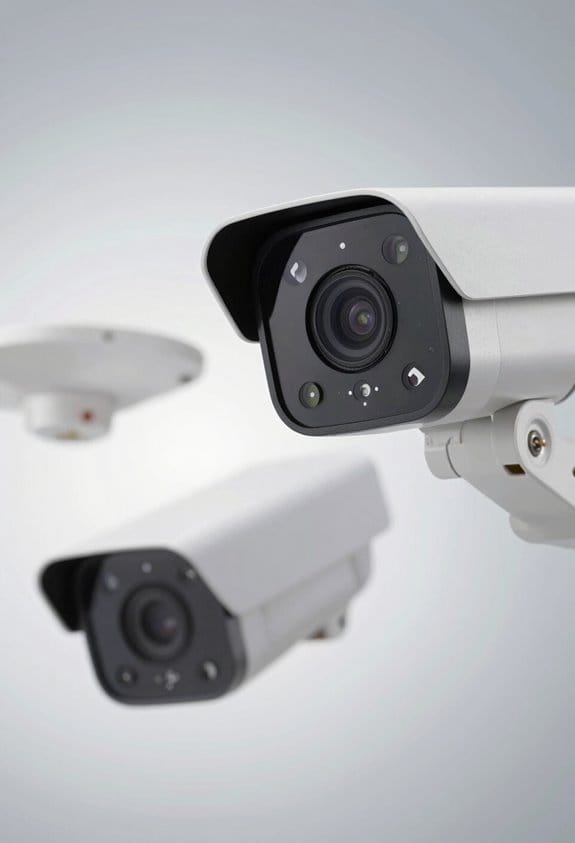
Have you ever thought about how surveillance cameras have become a part of our everyday lives? It’s a double-edged sword; while they can boost safety, we also have to keep privacy in mind. Here’s the lowdown on responsible camera use—because we need to respect people’s personal space while keeping ourselves and our communities secure.
First off, let’s talk about privacy rights. You wouldn’t want someone watching you in your own home or the bathroom, right? So, avoid placing cameras in spots where people expect privacy. It’s about common sense here—let’s not turn every corner into a viewing area.
Now, on to consent. It’s key to let people know about the cameras. Think about using clear signs in the area where the cameras are located. Transparency helps everyone feel more comfortable and promotes accountability. Just imagine walking into a space and seeing an obvious sign letting you know you’re being recorded. It sets the tone.
Data management is another biggie. If you’re storing footage, make sure it’s secure and only kept for as long as you need it—after all, no one likes the idea of their data hanging around forever. Always follow the privacy laws and guidelines related to data retention. Keeping folks’ information safe should be a priority.
Lastly, consider the right to access. This is so important! If someone wants to see footage of themselves, they should have that option. It makes surveillance practices feel more respectful and helps build trust within the community.
Moreover, modern systems often utilize dual-network technology to secure real-time alerts and add flexibility to connectivity, enhancing overall safety without compromising privacy.
Navigating GDPR and Other Privacy Laws
Navigating privacy laws can feel like a maze, can’t it? With regulations like GDPR, the way we handle security camera footage is under the microscope. It’s not just about having cameras everywhere; it’s about doing it the right way. GDPR requires that any personal data we collect, including video footage, be treated lawfully and clearly. So, you’ve got to ensure that folks can actually access the footage where they appear. That means setting up straightforward ways for them to make requests.
Here’s a few important things to keep in mind:
- Keep your footage for a limited time—usually between 30 to 90 days.
- Be aware of the potential hit your wallet could take for non-compliance. Fines can reach up to €20 million or 4% of your global revenue.
- Don’t forget about other laws, like the UK’s Data Protection Act, that may also apply.
Honestly, keeping up with these privacy regulations isn’t just about avoiding fines. It’s crucial for respecting everyone’s rights. So, what steps are you taking to make sure your privacy practices are on point? Also, consider how your security doorbell’s cloud subscription options can affect both storage duration and privacy compliance.
Essential Compliance Steps for Installing Security Cameras
Have you ever thought about the fine line between keeping your property secure and respecting people’s privacy? Installing security cameras can be tricky, but following a few compliance steps can make the process much clearer.
Start with a privacy impact assessment. This helps you understand how your security setup might affect the privacy rights of others. Position your cameras strategically—focus them on your property and avoid any views into your neighbors’ homes. This simple step can help you dodge potential privacy issues down the line.
Make sure you put up clear signs about the surveillance. It’s not just about being nice; it’s about being transparent. People like to know when they’re being watched, and it can alleviate concerns right off the bat. Familiarize yourself with local privacy laws too. Every area can have different rules on consent, especially when it comes to recording anyone.
Lastly, don’t forget to regularly check and update your camera policies. As privacy laws evolve, so should your practices around data handling and retention. Remembering to stay compliant and respectful of others’ privacy rights can save you a lot of headaches down the road. Using CCTV systems with tamper-proof storage can enhance the security and integrity of your footage, which is important for legal compliance.
What You Need to Know About Audio Recording on Security Cameras?
How can you ensure your security cameras keep your property safe without running afoul of audio recording laws? This isn’t just about protecting your space; it’s also about understanding the legal side of things.
First off, every state has its own rules about consent for audio recording. Some states require only one-party consent, meaning you can record as long as one person (you!) knows about it. Other states, however, require that everyone being recorded is aware and agrees to it. It’s crucial to check what’s necessary where you live.
Then there’s the issue of privacy. Modern cameras often come with high-quality microphones, which can raise eyebrow—what if someone accidentally picks up a private conversation? Knowing your area’s privacy standards is vital to avoid potential backlash.
If you run a business, disabling audio recording might be the best route to prevent any legal headaches. The last thing you need is a lawsuit because someone felt their privacy was invaded. It’s always safer to keep things simple.
Signage can also play a key role in staying compliant. In various locations, putting up clear signs that notify people they’re being recorded can make a huge difference. It’s about keeping everyone in the loop so there are no surprises.
Additionally, incorporating tamper-resistant locking pins on security devices can enhance physical security and help maintain compliance with safety and privacy regulations.
How to Handle Neighbor Disputes Over Camera Placement
Have you ever had a neighbor question the placement of your security camera? It can be quite the headache. Many of us install these cameras for peace of mind, but they can create tension if not handled carefully. The first step is to have an open and respectful conversation with your neighbor. Talk about your concerns and see if you can come to a mutual solution. Maybe adjusting the camera angle or adding a privacy filter could work for both of you.
You should also be aware of local privacy laws. There are ordinances in place to protect everyone’s privacy rights, which means you can’t unintentionally capture footage on their property. If your neighbor has concerns about seeing the cameras or what they might be observing, consider using tall plants or outdoor screens to shield the view. These can make a big difference in easing any worries.
If discussions don’t lead to a resolution, it might be necessary to reach out to local authorities or your homeowners’ association (HOA) for guidance. It’ll take some effort, but that could help mediate the situation.
Here are some tips:
- Approach the situation with an open mind.
- Be ready to make some compromises if needed.
- Familiarize yourself with local privacy rules to stay informed.
Additionally, when installing security cameras, choosing systems with user-friendly app control can help you quickly adjust settings to respect privacy concerns.
Preventing Legal Risks: Safeguarding Your Camera Footage
Setting up security cameras around your house is a smart move for keeping your home safe. But while you’re protecting your space, it’s important to think about the legal pitfalls that can come with managing that footage. So, how do you keep that footage secure and avoid potential legal headaches? Here are some practical tips.
First off, you want to make sure that you’re storing your footage securely. It’s a good idea to use encrypted hard drives or trustworthy cloud services. This keeps unauthorized folks out and helps keep your data safe. You wouldn’t want someone snooping around your private moments!
Next, you really need to familiarize yourself with the laws in your area regarding how long you can keep that footage. Many local laws say you should hang onto it for no more than 30 to 90 days. Why is this important? Well, keeping footage too long can lead to unnecessary risks.
Now, let’s talk about access requests. It’s crucial to document your footage and manage it properly because people can ask to see videos if they spot themselves in them. If you’re not careful, you could find yourself in a tricky situation. Having a clear process for handling these requests can save you a lot of trouble down the line.
Strong privacy policies also go a long way. Make sure you have a solid plan in place and provide training for anyone who might access the footage. This step can help everyone understand the importance of protecting personal information.
Finally, don’t just set it and forget it. Regularly review your privacy settings and access controls. Laws can change, and it’s good to stay on top of any new regulations that might pop up. It’s also beneficial to regularly check and maintain your equipment—just like how survival backpacks require frequent inspection to ensure functionality and reliability, your security system needs consistent upkeep to safeguard your data integrity.
What Happens If You Violate Privacy Laws?
Ever wonder what happens when privacy laws get broken? It’s not just a slap on the wrist; the fallout can be pretty intense. When individuals or businesses step out of line with privacy regulations, they can be hit with hefty fines that vary widely—thousands to even millions of dollars depending on where you’re located. Plus, if someone’s personal information is compromised, they could end up filing lawsuits, seeking compensation that includes both damages and punitive costs. That’s a nightmare scenario for any business.
Here’s the kicker: regulatory agencies aren’t just going to look the other way. They can launch investigations and issue sanctions, which can leave a lasting stain on a business’s reputation. You really don’t want to be on the receiving end of that.
So, what’s the deal with laws like GDPR? If you’re operating internationally, keep in mind that businesses can be fined up to 4% of their annual global revenue for violations. Ouch! It’s no joke, and it could wipe out a significant chunk of your profits.
And if you think a minor slip-up won’t matter, think again. Repeat offenders might face even harsher penalties, including potential criminal charges for serious violations—especially when surveillance systems are involved.
Given the advanced AI capabilities in the latest security cameras, ensuring compliance with motion detection laws has become even more critical.
Ultimately, you want to steer clear of these kinds of issues. Understanding the risks is key to keeping your business compliant and respecting privacy laws. Trust me, avoiding these pitfalls can save you from spiraling costs and a heap of legal trouble. So, what steps are you taking today to ensure you’re following the rules?
Upcoming Trends in Privacy Laws for Cameras
With privacy laws changing all around us, you might be wondering how this affects your use of security cameras. By 2026, states like Indiana and Kentucky are expected to roll out some pretty comprehensive rules that could reshape our privacy rights.
So, what’s on the horizon? Here are a few key trends to consider:
- Mandatory Disclosure: Imagine you’re in a store or a parking lot, and you’re being recorded without knowing it. New laws might require businesses to let you know when cameras are rolling. This could help you feel more in control of your personal space.
- Personal Data Classification: Video footage isn’t just footage anymore; it could count as personal data. This means companies will have to follow stricter rules when handling and storing this kind of information. Why does this matter? It’s all about keeping your privacy intact.
- Enhanced Cybersecurity: As technology evolves, so do the risks. New regulations could push businesses to step up their game when it comes to safeguarding their video systems from hacks or breaches.
- Retention Guidelines: You might notice that companies will start holding onto your footage for just 30 to 90 days, which aligns with privacy standards like the GDPR. This helps limit the amount of time your data is available, making it less likely for it to be misused.
Additionally, the adoption of AI detection technology in security cameras is likely to influence privacy considerations, as it affects the type and accuracy of data being collected.
Staying on top of these trends will help you navigate this shifting landscape. Are you ready to adjust how you think about surveillance and your rights? It’s worth considering what these changes mean for your daily life and privacy.
Frequently Asked Questions
How Do Security Cameras Violate Privacy?
Security cameras can slice through our outdoor privacy expectations like a hot knife through butter. Camera placement concerns often clash with legal surveillance guidelines, potentially invading spaces where individuals feel shielded from prying eyes.
Can Neighbors Complain About Cameras?
Yes, neighbors can complain about cameras if they feel their privacy expectations are violated. By being mindful of camera placement, we can prevent legal disputes and maintain good relationships with those around us.
Is My Neighbour Allowed to Have a Camera Pointed at My House?
Yes, our neighbor can have a camera pointed at our house, as long as it respects privacy expectations and stays within legal boundaries. We should discuss camera angles if they cause us distress or invade our space.
Can Your Neighbor Put a Surveillance Camera Outside Their House That Invades Your Private Backyard?
No, our neighbor can’t put a surveillance camera that invades our private backyard. It’s essential we respect each other’s property rights and privacy expectations to maintain healthy neighbor relations and guarantee everyone feels safe at home.