
Understanding smart device data collection and their privacy policies can feel overwhelming. We’ve found that about 10% of smart home apps track user data. Importantly, Amazon Alexa collects 28 out of 32 possible data points, while Google Home collects 22. These devices often track sensitive information, including location and health data. By regularly reviewing app permissions and privacy settings, we can maintain control over our data. Let’s explore effective strategies to safeguard our privacy further.
Key Takeaways
- Smart home devices often collect extensive data, including location and health information, raising privacy concerns for users.
- Privacy policies can be complex and hard to understand, making it difficult for users to know their data rights.
- Regularly reviewing app permissions helps users control what information is accessed and shared by smart devices.
- Users should be aware of potential risks, including targeted advertising and cybersecurity threats from increased data collection.
- Implementing strong security practices, such as multi-factor authentication and unique passwords, can protect against unauthorized data access.
Understanding Smart Device Data Collection: Key Insights
How much do you really know about the data collection habits of your smart devices? It’s a crucial question nowadays as we engage with the Internet of Things. A recent study showed that about 10% of smart home apps are in the business of gathering user data for tracking—definitely something to be concerned about when it comes to your privacy.
Let’s break down some important points to consider:
- Amazon Alexa is quite the data collector, pulling in 28 out of 32 possible data points, while Google Home isn’t far behind, collecting 22.
- They often track sensitive stuff like your location and health information, which can leave you feeling exposed.
- Many companies handle user data without giving you clear options to opt-out. This means you have less control over what they share and with whom.
- Taking the time to understand privacy policies can be a game-changer for protecting yourself.
Try this: Regularly check and tweak your settings on these devices to amp up your security and help keep your personal info safe.
So, why does this matter? Well, staying aware of how your smart devices operate can make a big difference in your overall safety. It’s not just tech; it’s your life that’s at stake. Incorporating devices with battery backup and power outage resilience can further enhance your security even when unexpected power failures occur.
How Smart Devices Collect Your Data
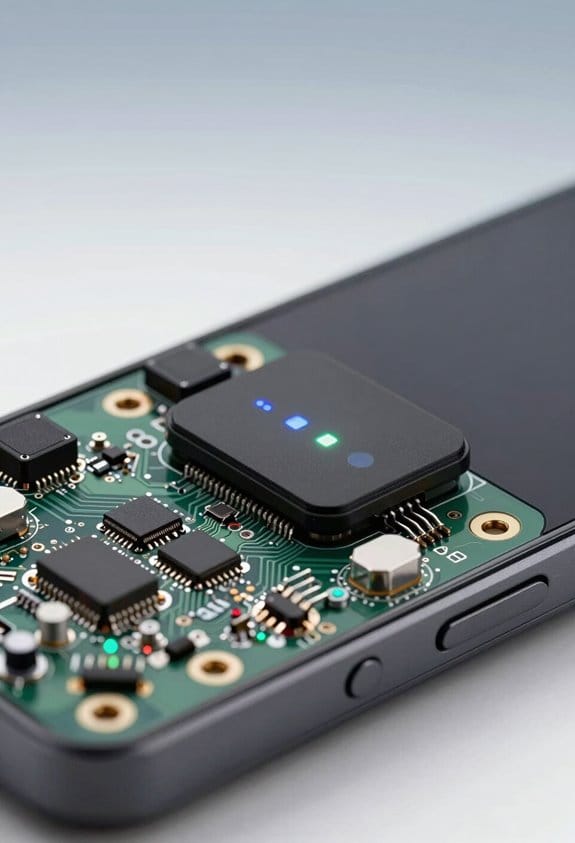
Have you ever wondered just how much your smart devices know about you? It’s kind of creepy when you think about it. Smart devices, from those handy voice assistants to fitness trackers, are collecting a ton of information about us—everything from where we are to our personal habits.
Take a moment to consider the types of data these devices are tracking:
- Location data
- Contact information
- Health data
It’s surprising, but around 10% of smart home applications are designed specifically to track your behavior. That raises some serious privacy concerns. Add to that the fact that there aren’t really any standard security measures for connected IoT devices, and you could be exposing yourself to unauthorized data access. It can feel overwhelming, can’t it?
Many home security systems rely on dual-network technology to maintain connectivity, which can increase the vectors for data transmission and potential vulnerabilities.
The best part is that by understanding how these devices collect data, you can start taking steps to protect your privacy. So, next time you’re using your smart device, ask yourself: do you really want all that information out there?
In the end, it’s all about balance. Enjoy the convenience these smart devices offer, but stay informed about what they’re collecting. Are you keeping your data safe, or are you letting convenience lead you into a privacy minefield?
Smart Device Privacy Policies: What You Should Know?
What do you know about the privacy policies for your smart devices? It’s a real concern nowadays. These policies can often be pretty dense and filled with legal jargon, which can make it hard to understand what’s really happening to your data. Take Amazon’s Alexa or Google Home, for instance. They gather all sorts of information, including things like your health and location—pretty sensitive stuff, right?
To keep your information secure and give yourself some peace of mind, try these tips:
- Regularly check your privacy settings.
- Keep an eye on app permissions; make sure apps only access what they need.
- Know how your data could be shared with others.
So, why does this matter? Well, being aware of how your data is handled can help you dodge potential data breaches. Understanding these policies gives you a better shot at ensuring that device makers respect your privacy. Honestly, it’s all about staying informed and protecting your personal info while you enjoy your IoT devices.
In addition, choosing devices that support comprehensive privacy controls can greatly improve your data security.
In short, keep your eyes peeled for updates on privacy policies and don’t hesitate to take control of your data. What steps will you take today to safeguard your smart device info?
Understanding Risks of Data Sharing With Smart Devices
Have you ever stopped to think about what your smart devices might be sharing about you? It’s a little unsettling when you realize that tech we trust with our daily lives is collecting sensitive info—from where we go to our health details. Take Amazon’s Alexa, for example; it gathers a staggering 28 out of 32 data points about its users.
So, what are the real risks behind all this data sharing? Here are a few important ones to consider:
- Privacy Invasion: Often, data is shared without us even knowing it’s happening, which can feel like a violation.
- Targeted Advertising: You might find yourself bombarded with ads that seem uncanny in their accuracy, all because your device knows so much about you.
- Cybersecurity Threats: The more data that’s collected, the more opportunities cybercriminals have to exploit it.
To give yourself a fighting chance, it’s crucial to stay informed about what your devices collect and how that info is used. Honestly, knowing this can help you make better choices and keep your private life private.
Let’s be clear: we need better consumer education and stronger privacy laws to keep our data safe. Additionally, choosing offline security systems can reduce data exposure by operating without internet connectivity, enhancing your privacy. So, are you ready to start digging into the world of data sharing?
Top Tips for Managing Smart Device Privacy
How can we keep our personal information safe as smart devices become more common in our homes? Here are some practical tips to help you manage your privacy without feeling overwhelmed.
First off, before you install any app, take a moment to look into what kind of information it wants to access. Seriously, check those permissions! You might be surprised at how much access some apps require just to work. It’s like giving a stranger the keys to your house; you wouldn’t do that, right?
Next, pay attention to your device’s privacy settings. It’s tempting to hit “OK” and move on, but those default settings often don’t have your back. Spend a few minutes customizing them to better fit what you’re comfortable sharing. You’ll be glad you took the time.
Another good tip is to enable multi-factor authentication wherever you can. Trust me, it adds an extra layer of security that makes it much harder for someone to break in. You wouldn’t leave your front door wide open, so don’t leave your accounts vulnerable either!
Lastly, don’t ignore those updates that pop up. Installing them is essential, as they’re usually meant to fix security issues. Think about it: you wouldn’t leave a cracked window in your house, so keep your devices well-maintained too.
Also, consider choosing security systems with backup power options like solar-powered cameras or rechargeable batteries to ensure continuous protection even during outages.
How to Safeguard Your Privacy With Smart Devices
As you dive into the world of smart home technology, have you ever thought about what happens to your data? It’s a bit unnerving, right? Smart devices can be wonderful, but they often gather more information than we might realize. Here are some practical tips to keep your privacy intact.
First off, managing app permissions is a must. Take a few minutes to check which data apps can access—you might be surprised at what’s allowed. You wouldn’t want an app you rarely use to be reading your location or contacts, would you?
Next, don’t forget to adjust your privacy settings. Most devices have options that let you limit how much data they’re collecting. It can feel tedious, but it’s worth the effort to know what information is shared and with whom.
Have you heard about multi-factor authentication (MFA)? It’s a simple extra step that makes it much harder for someone to sneak into your accounts. When you enable MFA, you get that extra layer of security protecting you from unauthorized access. Honestly, it’s an easy way to boost your safety.
Regular updates and strong passwords are also essential. Make it a habit to update your devices whenever new software is available. And while you’re at it, change those default passwords to something unique and complex. Using easy-to-guess passwords can be a recipe for disaster.
Even if you don’t own a smart device, it’s vital to keep potential risks in mind. Keeping these tips handy will help ensure your smart home remains secure and your data stays private. So, have you taken steps today to safeguard your information?
Additionally, investing in a home security system that offers customizable alerts and remote monitoring can further enhance your privacy and safety.
Frequently Asked Questions
How Can I Access the Data Collected by My Smart Device?
We can typically access the data collected by our smart devices through account authentication in privacy settings. Ascertain data ownership by reviewing device transparency and retention policies, while keeping firmware updated for secure cloud storage and encryption.
Can I Delete the Data Stored by My Smart Device?
Yes, we can delete stored data by adjusting privacy settings. By managing device data, including reviewing app permissions and manufacturer policies, we enhance security measures and enjoy greater user control through regular firmware updates and data encryption.
Do Smart Devices Share Data With Third-Party Companies?
Yes, smart devices often share data with third-party companies, raising privacy concerns. We should prioritize user consent, understand data ownership, and check device settings for transparency, security measures, and encryption to manage risks effectively.
What Should I Do if My Data Is Compromised?
If we ever find our data compromised, let’s report incidents immediately, review breach notifications, and strengthen privacy settings. We must also consider identity theft mitigation strategies and enhance our cybersecurity education for better security measures.
Are There Specific Regulations Protecting Smart Device Data?
Yes, there are specific regulations like GDPR that enhance data protection and privacy laws. These frameworks establish consumer rights, user consent, and device transparency, addressing compliance challenges and ensuring data ownership within smart device ecosystems.