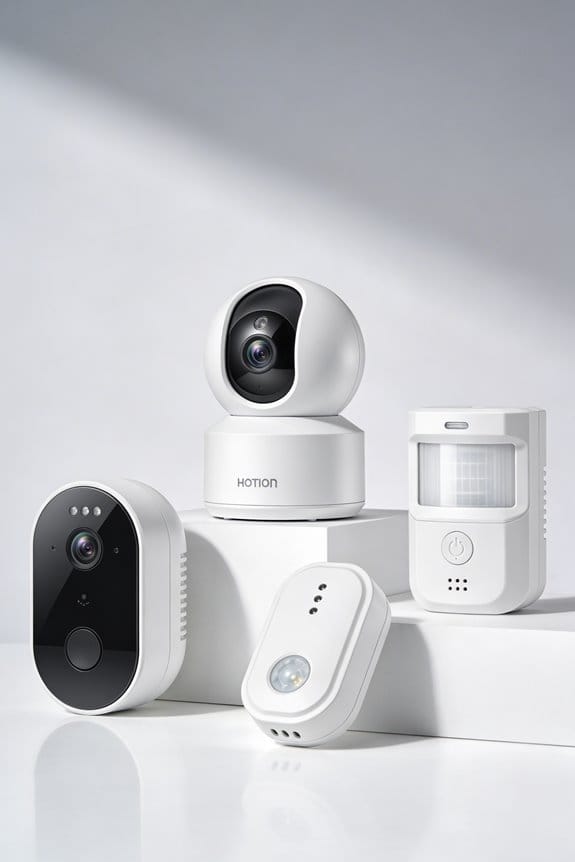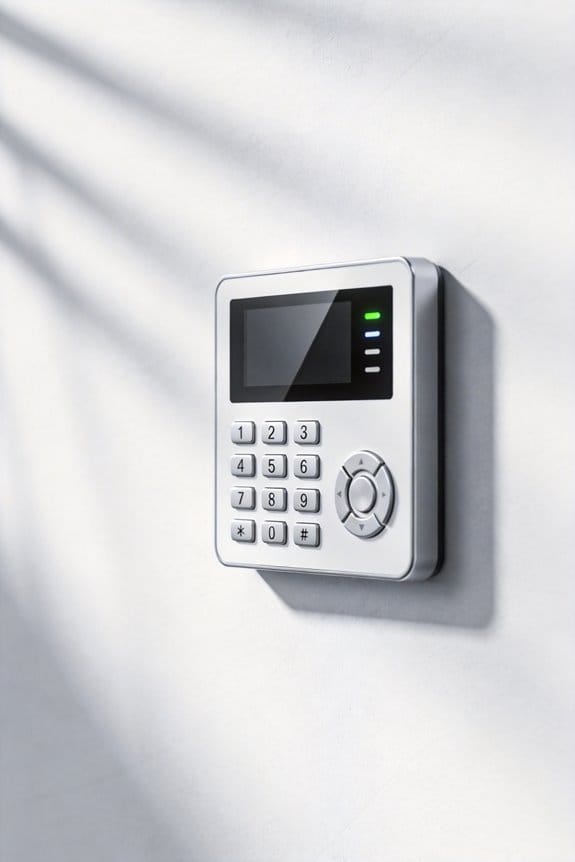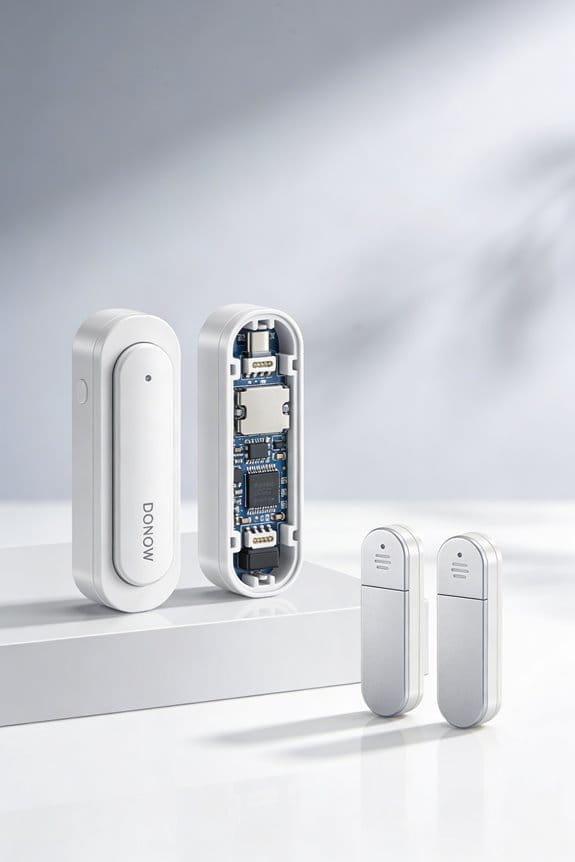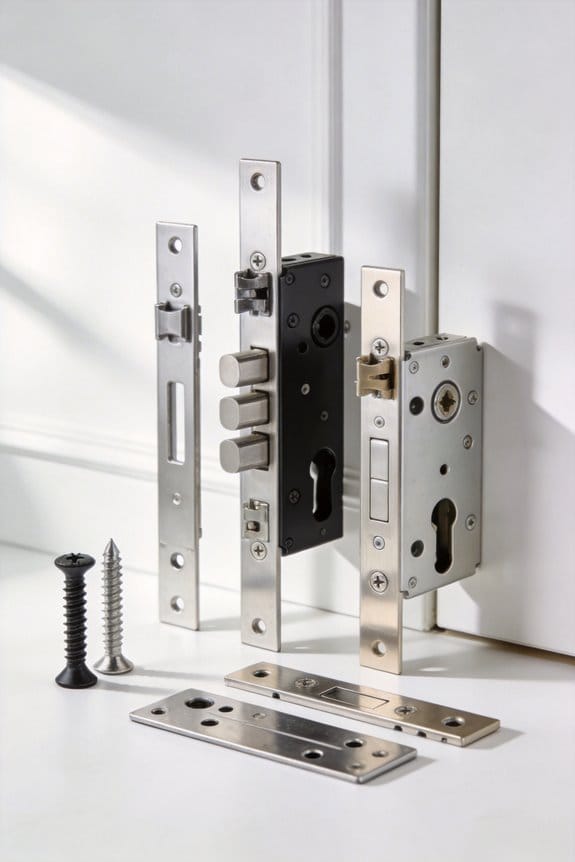
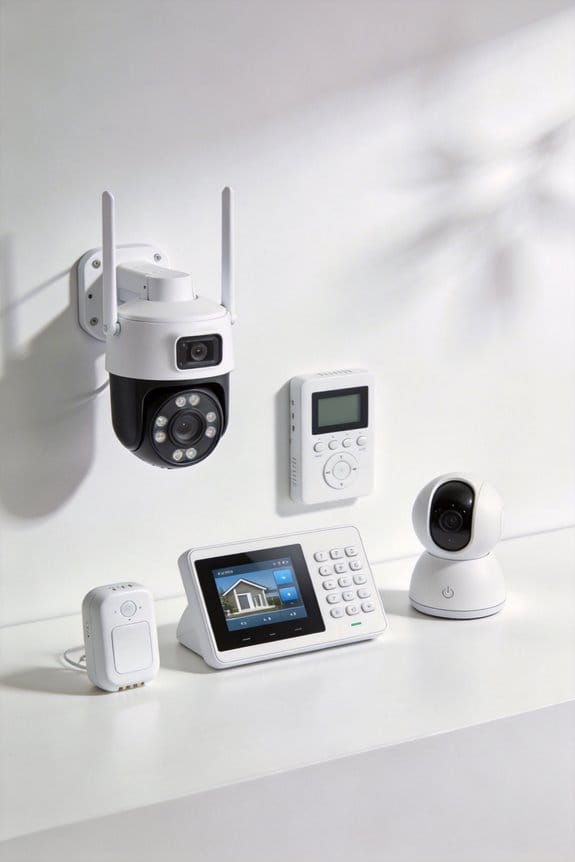

When considering security systems, we recognize the distinct differences between wired and wireless infrastructures. Wired systems offer reliability with physical cables, making them ideal for fixed setups, though installation can be complex and costly. In contrast, wireless systems provide flexibility and easier setup, but require ongoing battery maintenance. Factors like budget, long-term goals, and property layout play vital roles in our decision. There’s a lot more to explore about these systems’ strengths and weaknesses as we weigh our options.
Key Takeaways
- Wired security systems offer reliability and stability through physical cables, making them ideal for fixed setups.
- Wireless systems provide easy installation and flexibility, adapting well to environments needing adjustments or sensor placements.
- Installation for wired systems typically requires professional help, while wireless installations can be completed by the user quickly.
- Long-term maintenance costs are generally lower for wired systems, despite higher initial fees, whereas wireless systems require battery changes and signal checks.
- Scalability is easier with wireless systems, allowing seamless addition of components, though they may also be more vulnerable to hacking threats.
Understanding Wired vs. Wireless Security Systems: Key Differences
When it comes to securing your home or business, have you ever found yourself caught between choosing a wired or a wireless security system? It’s a pretty big decision, and understanding the differences can make your choice a whole lot easier.
Wired security systems connect through physical cables, which means they’re generally more reliable and stable. You’re less likely to hit interference, which can be a real pain. But here’s the catch: installation can get complicated, and that often leads to higher upfront costs. On the flip side, wireless systems tend to be more budget-friendly at first. They’ve got that easy installation vibe and you can pretty much place sensors wherever you want. But don’t forget about maintenance! You’ll be dealing with battery replacements and sometimes those signals can be a little shaky, depending on the layout of your property.
So, what’s the takeaway here? Think about your specific needs. Do you prioritize durability, or are you leaning toward ease of installation? And what about long-term maintenance costs?
Try this: Before settling on a system, take a real look at your property layout. It could save you some headaches down the road! Honestly, both options have their pros and cons, but weighing them against your lifestyle and budget will lead you to the right choice.
In the end, understanding the differences between wired and wireless systems can guide you toward the perfect solution for your security needs. So, which one feels right for you?
Keep in mind that weight and portability are critical factors not only for bug out gear but also when selecting security system devices that may need to be moved or installed in hard-to-reach locations.
What Makes Wired Security Systems Work for Your Business?
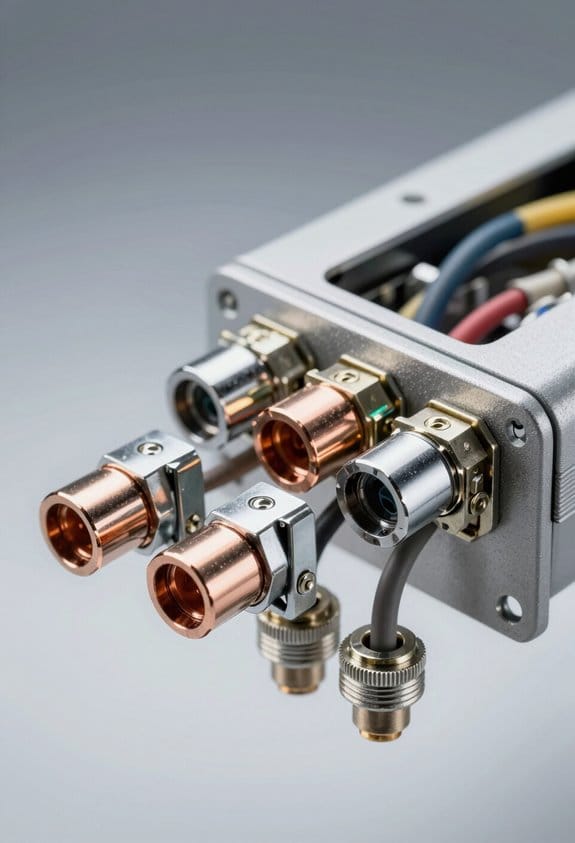
A wired security system might be the perfect fit for your business if you’re looking for something reliable and sturdy. Think about it: when it comes to protecting your assets, you need a setup that won’t falter or get interrupted. Sure, installing a wired system can be a bit of a project, but once it’s in place, you’ll likely deal with fewer issues down the line, which can save you time and money on maintenance.
Here are a few benefits worth considering:
- Tamper detection: These systems will notify you if anyone tries to mess with them, adding a layer of peace of mind.
- Extensive coverage: If your property is large or has a tricky layout, wired systems generally do a better job than wireless ones.
- Long-term solutions: They’re especially great for businesses that own their buildings, especially if you already have electrical systems installed.
Honestly, wired systems offer a solid, long-lasting security option that can really cater to your needs without causing future headaches. So, have you thought about how a wired system might fit into your security plans? Also, it’s crucial to factor in the equipment durability since wired setups often provide more resilient protection over time.
The Pros and Cons of Wireless Security Systems
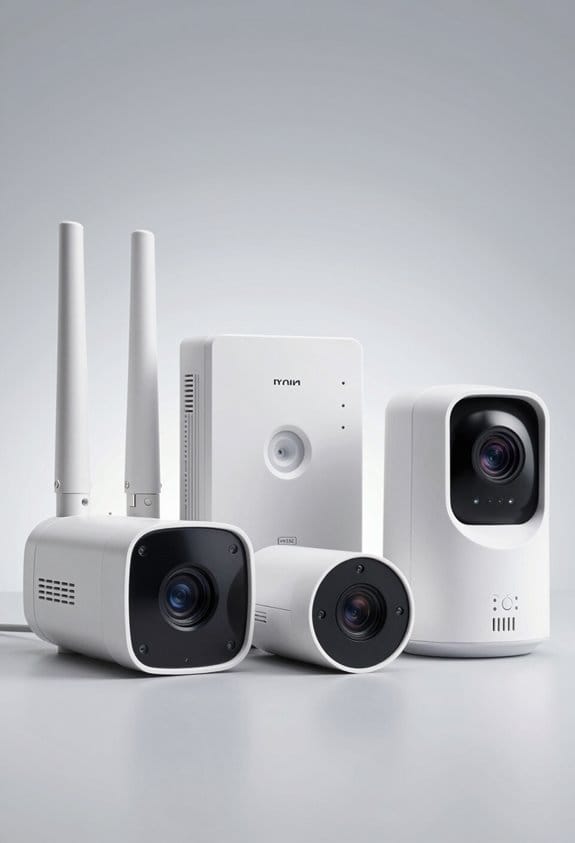
When you’re considering a security system, have you found yourself stuck between wired and wireless options? It’s a dilemma many face. Wireless systems come with a few perks, like easy installation and flexibility—you can put sensors where you want without fussing over wires. But don’t forget about the ongoing costs; keeping track of battery changes can be a headache as time goes on.
Let’s look at the brighter side first. Wireless systems often have lower upfront prices and allow you to change up the layout without much hassle if you move or rearrange. But there are some real downsides to think about. Ever experienced spotty signal issues? That can happen with wireless, meaning your security coverage could be less reliable. Plus, as technology improves, you might find yourself needing to upgrade your equipment more often than you’d like, which can pile on extra costs.
So, why does this matter? It’s crucial to weigh not just the immediate benefits, but also how the choice might play out for you down the line. Really consider what you need now versus what you might need in the future. Ultimately, the decision between wireless and wired security systems hinges on your specific situation and long-term plans. Many wireless outdoor cameras now come with advanced AI detection features that can enhance security despite the wireless nature of the system.
How Installation Differs Between Wired and Wireless Systems
Thinking about setting up a security system but not sure whether to go wired or wireless? You’re not alone! Knowing the differences between these two options can make a big difference in your decision.
Wired systems usually need a pro to install them. Why? Because running cables requires some know-how, and you don’t want to mess that up! It can take longer to get everything set up since you’ll be drilling holes and hiding wires. But once it’s done, you can count on stable performance with pretty much no fuss.
On the flip side, wireless systems are quick and easy. All you need to do is place the devices where you want them and make sure they’re within range of your Wi-Fi. Just keep in mind that they might require a bit of maintenance now and then—like changing batteries and checking the signal strength.
Here’s the trick:
- If you don’t mind a little hassle and want something that will last, go for a wired system.
- However, if you want to get things up and running fast with flexibility, then wireless is the way to go.
So, why does this matter? Because the right choice can save you time, money, and some headaches down the line.
Truth is, both options have their pros and cons, and the best fit really depends on your priorities. A quick recap: Wired equals reliable but less flexible; wireless means fast installation but a bit more upkeep. What’s more important to you—reliability or convenience?
Many top-rated DIY wireless systems today offer plug-and-play installation, making setup even more accessible for most homeowners.
Navigating Long-Term vs. Short-Term Costs: What to Consider
Choosing between long-term and short-term costs for security systems can feel overwhelming. It’s a pretty big decision, and you want to make sure you get it right. Have you thought about how often you’ll actually use it and what your needs are?
Let’s break it down a bit. Wired security systems typically come with higher upfront costs, mainly because you might need to pay for professional installation, which can range from $100 to $500. The upside? Once they’re set up, you don’t have to worry much about maintenance or repairs, which can save you money in the long run.
On the other hand, wireless systems usually cost under $200. They’re often appealing if you’re looking for something temporary or easy to set up. But don’t forget about those ongoing costs; things like battery replacements and occasional tech upgrades can sneak up on you and really add to the total over time. So, what makes more sense for your situation—quick and cheap, or solid and reliable?
If reliability is a must for you, wired systems might prove to be worth the investment. The last thing you want is to suffer financial loss from security breaches that happen because of a weak connection or a dead battery. It’s all about figuring out how long you plan to use the system and what fits your lifestyle.
In the end, the right choice depends on your specific situation and goals. Think about how long you’ll need the system and what you’re willing to spend in the long haul. What matters most to you—immediate savings or long-term peace of mind? Many top systems now offer enhanced security features such as WPA2-encrypted Wi-Fi and regular firmware updates to minimize hacking risks.
Choosing the Right Security System: Evaluating Your Needs
Choosing the right security system can feel a bit overwhelming, right? It’s not just about picking the shiniest gadget; it’s about what fits your unique situation. So, how do you decide? Start by assessing what you really need for your space.
Wired systems are a solid choice if you’re looking for reliability in a fixed setup. They work great in stable environments that won’t be changing anytime soon. On the flip side, wireless systems give you flexibility and are easier to install, making them perfect for places you might need to adjust often.
Now, let’s talk numbers. Wired options can hit you hard in the wallet at first. You’ll usually pay more upfront, but they often have lower ongoing costs—no batteries to change here! Wireless systems might look like a better deal initially, but remember, you’ll need to keep an eye on battery life. So, what’s your budget telling you?
Scalability is another biggie. If you think you might need to add more sensors or cameras later on, wireless systems make that pretty easy. Have you thought about your risk tolerance? It’s worth considering; wired systems typically offer better protection against hacking threats, while wireless systems can be a little more vulnerable.
And if you’re thinking about integrating smart devices, wireless systems usually have the upper hand there. They tend to play well with others, which can make managing your home tech a breeze.
Many wireless systems like the Wyze Home Security Core Kit provide customizable alerts and remote monitoring options that add convenience and peace of mind.
To wrap it all up, take some time to figure out what you really want and need from a security system. It’s all about finding the right fit for your lifestyle. So, what’s your top priority when it comes to security?
Common Concerns With Wireless Security Systems and How to Address Them?
When it comes to wireless security systems, you might have some concerns, and that’s totally normal! One major issue is signal interference, which can lead to those annoying false alarms. To tackle this, make sure you place your sensors correctly and check them regularly. It’s also worth noting that the battery-operated components will need replacing now and then to keep everything running smoothly.
Have you ever thought about the potential cyber threats? Wireless systems can be vulnerable to attacks, but there are some easy ways to boost your security. Strong encryption is a must, and don’t forget to keep your software updated. If you own a larger property, think about where you place your sensors and maybe even use signal repeaters to ensure you have full coverage.
Environmental factors can mess with your system too, so it’s smart to invest in quality equipment. Regular assessments will help you catch any performance issues before they become a big problem.
Here’s a pro tip: making time for regular maintenance can save you from many common issues. It’s all about staying proactive, right?
Additionally, many modern systems include 24-hour battery backup to keep your security running during power outages.
Ultimately, keeping your home secure requires a bit of effort, but it’s totally worth it. What steps are you taking to make sure your wireless security system stands strong?
Frequently Asked Questions
What Is the Difference Between Wired and Wireless Security Systems?
Wired systems offer high reliability and lower maintenance needs, but they come with installation complexity and higher costs. Wireless systems provide flexibility and easier setup, yet may face interference issues and require ongoing upkeep, depending on user preferences.
Is It Better to Have Wired or Wireless Security Cameras?
We found that 60% of users prefer wired cameras for their superior video quality and reliable power supply. While installation costs are higher, lower maintenance requirements and better motion detection enhance our overall user experience and system flexibility.
Does Wired or Wireless Have Better Security?
We believe wired systems offer better security due to fewer network vulnerabilities and enhanced response times. While installation complexity and costs can be higher, user preferences often lean towards their reliability and resistance to signal interference and physical tampering.
Do People Still Use Wired Alarm Systems?
Yes, many of us still use wired alarm systems, valuing their reliability; statistics show they face 50% less interference. Despite installation challenges, their lower maintenance requirements and overall system longevity make them a preferred choice.