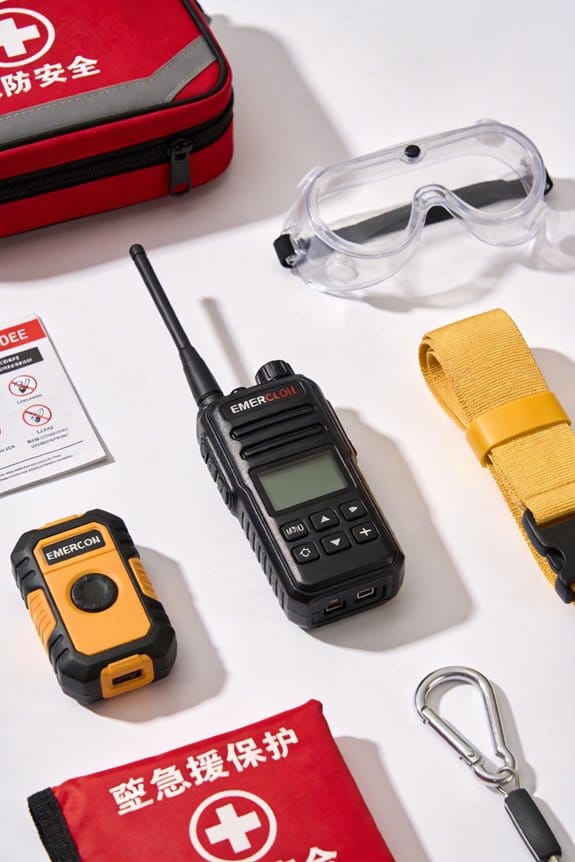

Understanding FEMA’s emergency preparedness recommendations is vital for effective disaster response. We need to develop an extensive emergency plan that includes risk assessments and community engagement. Regularly reviewing insurance, building emergency kits, and participating in training exercises are imperative steps. Utilizing technology, like mobile alerts and apps, enhances our preparedness. Keeping these components in check guarantees we’re ready for any situation. For more insights into creating your plan and engaging with your community, keep exploring further details.
Key Takeaways
- Develop and regularly update a comprehensive emergency plan outlining actions before, during, and after a disaster.
- Maintain a well-stocked emergency kit with essentials like food, water, medications, and first aid supplies.
- Participate in community engagement initiatives to improve local preparedness and resilience against disasters.
- Utilize technology and mobile apps to stay informed with real-time updates during emergencies.
- Conduct regular training and drills to enhance decision-making skills and identify gaps in emergency procedures.
Essential FEMA Emergency Preparedness Recommendations You Need to Know
When disaster strikes, are you really ready? It can happen to anyone—whether it’s a natural disaster or a man-made emergency. That’s why keeping informed about FEMA’s recommendations is crucial for our safety and the safety of our neighbors.
Key Recommendations:
First off, you should make a comprehensive plan. This means mapping out what you’ll do before, during, and after a disaster. It’s a bit like planning a road trip; you wouldn’t just hop in the car without knowing where you’re going, right?
Next, think about risk assessments. Take a good look at your community and figure out where the weak spots are. This can help you come up with smart ways to minimize those risks.
Don’t forget to review your insurance, either. It’s important to regularly check your policy coverage to make sure you’re financially protected when the unexpected hits. You don’t want to be caught off guard when it comes to recovery costs.
Keeping documentation is another smart move. Track everything from pre-disaster conditions to your facility’s inventory. Having these records can save you a ton of hassle later on.
Also, consider collaborating with local emergency management agencies. They know the terrain better and can offer you insights and resources that you might not have thought of on your own.
Pro tip? Update your emergency plan at least once a year. Things change, and so should your plan. Staying prepared is key, and by taking these steps, you can seriously boost your emergency readiness.
In addition, assembling a well-organized emergency kit with essential supplies tailored to your group size is vital to ensure quick and effective response during any disaster.
Why Community Engagement Is Critical for Disaster Preparedness
Ever thought about how prepared your community really is for a disaster? It’s easy to feel like it’s all up to the government or big organizations, but the truth is, we all have a part to play. Community engagement is key to making sure we’re ready when the unexpected hits. When neighbors come together, it creates a stronger, safer space for everyone. Remember, according to Presidential Policy Directive-8, keeping ourselves safe is a shared responsibility.
So, why does this matter? Well, getting involved in local initiatives does more than just help us feel connected. It actually helps in several important ways:
- You gain a better understanding of local risks.
- You’re part of the creation of effective disaster plans tailored to your area.
- It encourages your participation in training, which can be lifesaving.
Community initiatives can be the backbone that holds us all together when disaster strikes. So, if you want to make a difference, consider participating in local events or training sessions. The best part is, the more people chip in, the more resilient we all become.
Think about it: when we work together, we not only create a plan, but we also foster friendships and trust, which are invaluable in tough times. Honestly, who wouldn’t want to live in a community that looks out for each other?
In a nutshell, community engagement is vital for our safety and preparedness. So, are you ready to step up and contribute to your community’s resilience?
Key Components of Your Family Emergency Preparedness Plan
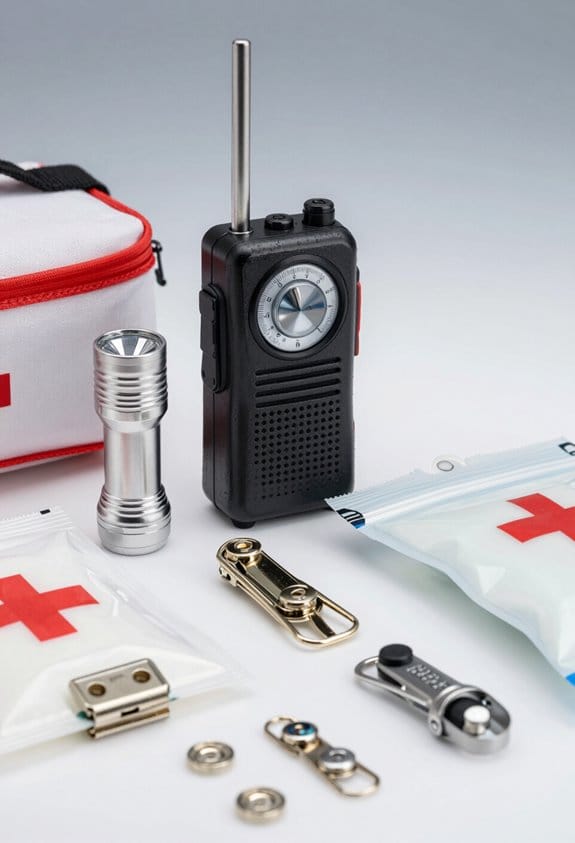
When disaster strikes, how prepared are you? We often think, “It won’t happen to me,” but having a solid family emergency preparedness plan can make all the difference. Here are some real-life tips that might just save your family when it matters most.
First off, start by identifying the hazards in your area. Natural disasters like floods, hurricanes, or earthquakes can happen anywhere. Knowing what you’re up against allows you to plan more effectively.
Next, you should lay out your action steps. What do you do before, during, and after a disaster? Think about safety: what supplies do you need? Make sure everyone in the family knows their role.
Then there’s the communication plan. This is crucial. Make a list of emergency contacts, and have a couple of meeting spots in case you’re separated. How will everyone reach one another? Texting might be tough during an emergency, so consider other methods.
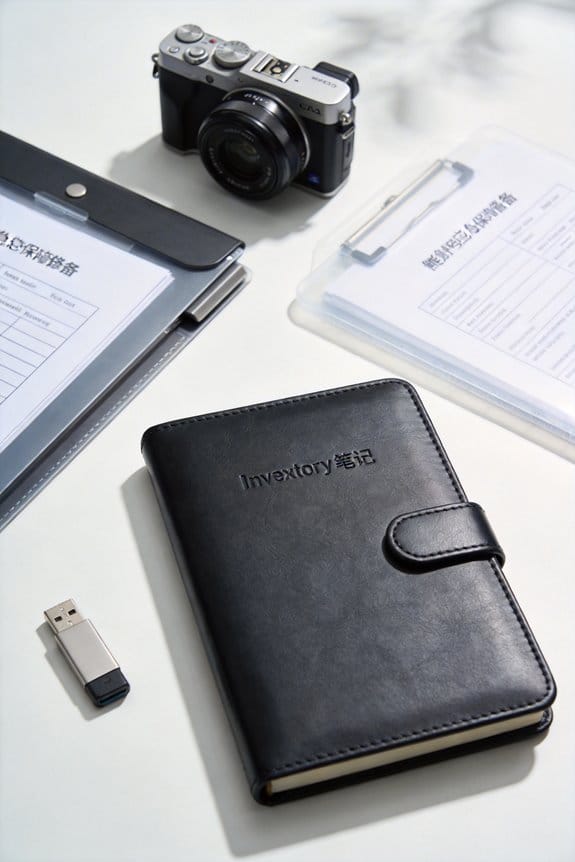
Also, consider where you store important documents. Keeping physical copies of things like IDs and insurance papers in waterproof containers is wise, but don’t forget about digital backups. Upload those important files online so you can access them from anywhere.
Regularly reviewing your plan is vital too. Family needs change, and it’s a good idea to revisit your plan to keep it effective. Do you have a plan for new additions to your family or changes like a move?
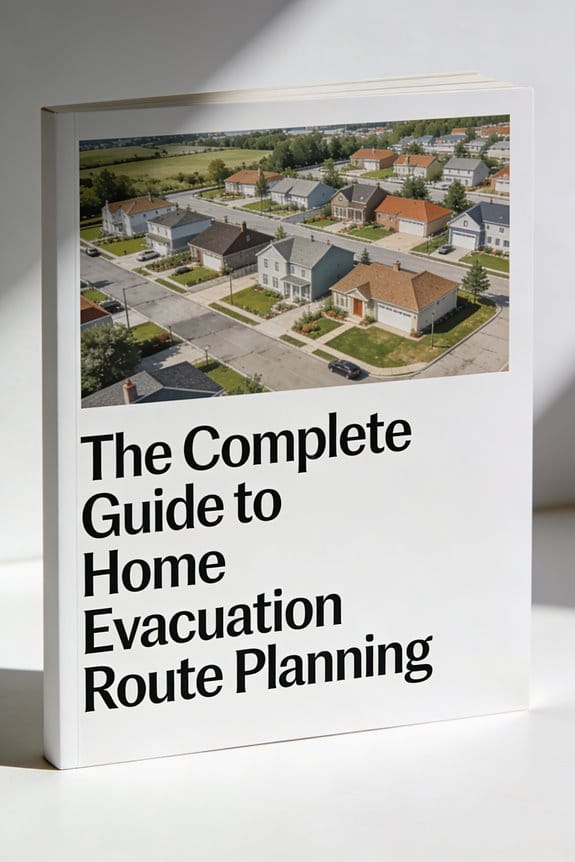
Lastly, practice makes perfect. Go through your evacuation routes and familiarize everyone with what to do. It strengthens your preparedness and boosts confidence.
For added readiness, consider investing in a well-equipped survival kit to ensure access to essential supplies during emergencies.
Identifying and Assessing Local Hazards in Your Community
Understanding local hazards is crucial for keeping our communities safe. When it comes to emergency preparedness, knowing what risks loom in your area—like floods, earthquakes, hurricanes, or wildfires—can make a real difference.
Key Steps:
- Identify Hazards: Start by looking into the specific threats your area faces. Knowledge is your best defense.
- Evaluate Risk: Gather information on past incidents. How often have they happened, and how severe were they? This helps you spot potential vulnerabilities.
- Collaborate Locally: Team up with local emergency management agencies. They can offer valuable insights about the regional risks you need to know.
- Utilize FEMA Tools: Don’t overlook FEMA’s resources for comprehensive hazard analysis. They provide tools that can help you better understand what you’re dealing with.
- Engage the Community: Let’s get everyone involved! Organize awareness programs to encourage participation in preparedness initiatives. When everyone pitches in, the community becomes stronger.
So, why does this matter? It isn’t just about being ready for emergencies; it’s about knowing your neighbors are safe too. Think about it—having this knowledge not only equips you personally but also helps build a resilient community.
Connecting with others and sharing this information can really spark change. As you get ready for whatever may come, keep the conversation going. After all, when we know more, we can do more.
In short, taking steps to identify and assess local hazards is a journey every community should embark on. It’s also important to consider assembling FEMA-compliant emergency supplies tailored to the identified risks. What will you do next in helping your neighborhood become safer?
Building a Comprehensive Emergency Kit for Your Family
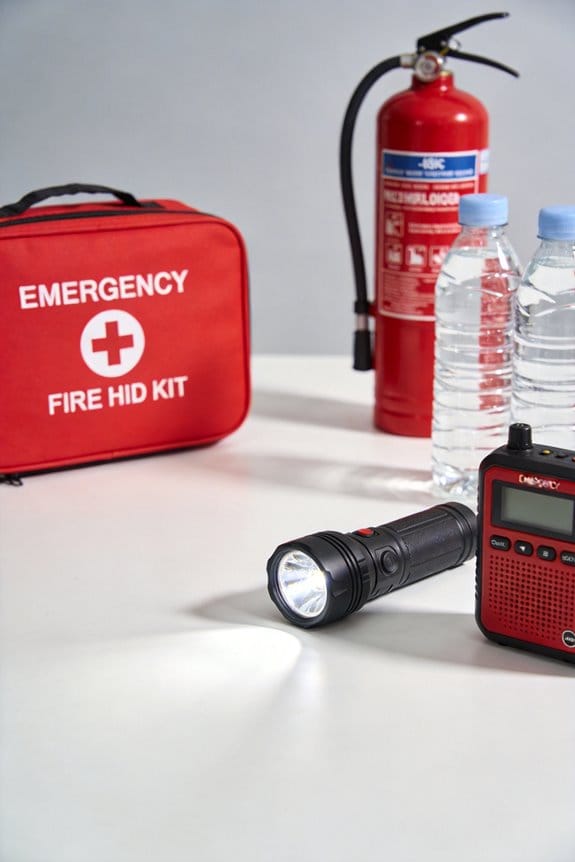
When a natural disaster hits or there’s an emergency, having a well-stocked emergency kit can be a lifesaver. So what should you pack to ensure your family stays safe? Here are some must-have essentials:
- Non-perishable food: Pack enough to last each person for three days.
- Water: Aim for about a gallon per person per day for at least three days.
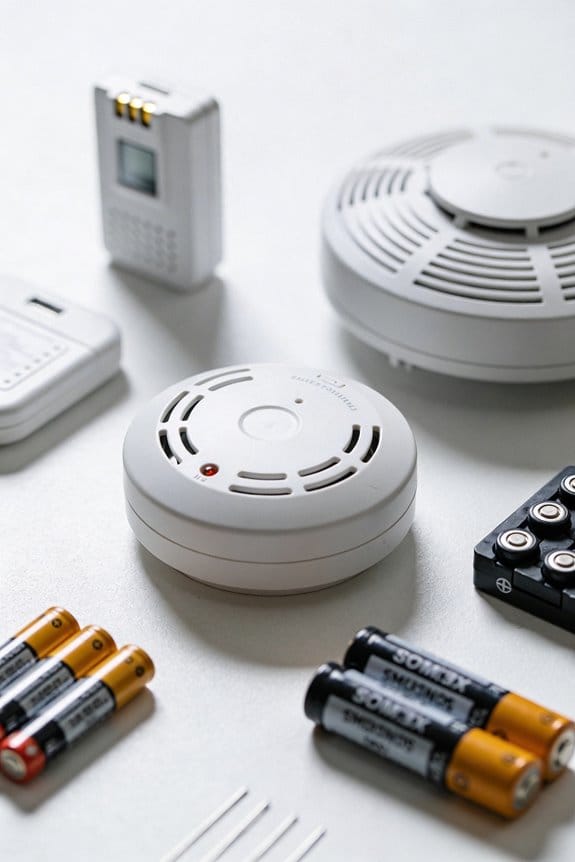
- Flashlight and batteries: These are crucial for staying informed during a power outage.
- First aid kit: Be prepared to handle injuries quickly and effectively.
Don’t overlook personal items that cater to each family member’s specific needs, like medications, eyeglasses, and important documents. Consider keeping your kit in a waterproof container; after all, you want quick access in case of a rush. It’s wise to check the kit’s contents every six months, paying special attention to expiration dates.
So, why does this matter? When disasters strike, the last thing you want to worry about is whether you have enough supplies ready. Discussing your emergency kit with your family helps everyone feel more prepared, and can prevent panic when the unexpected happens. Make sure your kit’s food and water supplies meet the 72-hour sustainability standard recommended for effective emergency preparedness.
Understanding the Importance of Keeping Insurance Coverage Updated
Have you ever thought your insurance might not be enough to cover you when life throws a curveball? Keeping your insurance coverage updated is crucial, especially as your life changes. If you don’t regularly check your policies, you might find yourself in a tough spot when disaster strikes, leaving you vulnerable to financial losses you didn’t expect.
Consider these important points:
- Know Your Policy Limits: It’s surprising how many homeowners’ policies leave out coverage for certain natural disasters. You might think you’re covered, but double-checking is key.
- Business Protection: Own a business? Think about getting interruption insurance. This can help with lost income if your business faces unexpected disruptions.
- Risk Assessment: It’s a good idea to take stock of your financial exposure every year. This way, you can decide if you need to tweak your coverage to better suit your current situation.
- Asset Inventory: Keeping an updated list of your belongings is one of those tasks that can really pay off. If something goes wrong, having an inventory can help support your claims and ensure you get what you deserve.
Truth is, as property values rise and fall, so do your risks. Don’t let insurance be a nagging afterthought—it’s an essential part of your safety net. Have you reviewed your policies lately, or are you flying blind? It may be time to take a closer look at what you’re really covered for. Additionally, integrating emergency preparedness kits into your plans can provide critical support during unexpected disasters.
Engaging in Effective Disaster Training Exercises
What if disaster strikes tomorrow? It’s a scary thought, but being prepared can make all the difference. Effective disaster training exercises can significantly boost our readiness for emergencies, so we’re not caught off guard. Regular drills are crucial—they help identify gaps in our procedures and ensure that everyone knows their role when it matters most. Partnering with local authorities during training sessions not only builds skills but also strengthens community ties for when we face a real crisis.
Let’s talk about enhancing our training:
- Realistic Scenarios: Train with practical situations. It’s the best way to gauge how well you can make decisions under pressure.
- Documenting Procedures: Keep your records straight. Trust me, knowing how to document everything accurately is key for recovery later.
- Ongoing Sessions: Don’t stop training. Regular sessions keep you updated with the latest emergency management protocols and help build a culture of preparedness.
Here’s the trick: schedule frequent exercises to keep everyone sharp and ensure the team is ready when disaster strikes. Including a well-stocked comprehensive emergency survival kit in your training can also improve practical readiness.
Ultimately, it’s all about building confidence and skills together. So, how prepared do you feel for an emergency? Let’s keep the conversation going and make sure we’re all set to face whatever comes our way.
What You Need to Know About FEMA’s Public Assistance Program
Are you prepared for the next big disaster? It can be overwhelming to think about how to recover when emergencies hit our communities. That’s where FEMA‘s Public Assistance (PA) Program comes into play. It provides critical federal assistance to state and local governments, along with certain non-profit organizations, to help recover costs after declared disasters.
To get started, you need to meet some eligibility criteria and make sure to submit a Request for Public Assistance (RPA) within 30 days after the disaster is declared. It’s a tight window, so don’t delay! The program offers help in key areas like debris removal, emergency protective measures, and repairing damaged facilities.
The best part is that being prepared can save you a lot of stress later on. Here are a few tips:
- Keep detailed records of everything. This includes facility inventories and any expenses related to the disaster. Good documentation is vital for a successful claim.
- Consider attending training sessions offered by FEMA’s Emergency Management Institute. They can really boost your disaster response skills and help you create solid preparedness plans.
Additionally, having an emergency meal kit with a long shelf life and proper storage can be crucial for sustaining your household during disaster recovery.
So, why does this matter? When disaster strikes, knowing the ropes can make a big difference in how quickly and effectively you can recover. Honestly, the more prepared you are, the easier it will be to navigate the recovery process.
In short, understanding FEMA’s PA Program is an essential step in disaster recovery preparation. What steps are you taking today to ensure you’re ready for tomorrow’s challenges?
Utilizing Technology for Enhanced Emergency Preparedness
How prepared are you for an emergency? With the unpredictability of disasters, it’s more important than ever to rely on technology to help us navigate these tough situations. Think about it—mobile apps and wireless alerts can deliver real-time updates during emergencies, so you’re always in the loop. Plus, Geographic Information Systems (GIS) allow emergency managers to study hazards and create smarter response strategies, taking into account different geographical vulnerabilities.
Social media can also play a vital role during a crisis. It’s not just for sharing what you’re eating for dinner; it’s a powerful tool to spread emergency alerts and get your community involved in preparedness activities. So, how can you actually boost your emergency readiness using tech?
- Try out the PrepToolkit for straightforward resources about the National Preparedness System.
- Consider using cloud technology so responders can access real-time data quickly.
Additionally, having access to a well-stocked emergency kit tailored for your needs is essential for practical preparedness.
Incorporating these tech solutions into your emergency plan can genuinely make a difference.
Honestly, taking small steps now can lead to better outcomes in the future. Are you ready to embrace some tech savvy for your safety?
Top Resources to Stay Informed During Emergencies
How can you make sure you’re getting the right information during an emergency? It’s crucial to rely on trustworthy resources to stay in the loop when things get chaotic. Here are some practical tools that can really help you:
Wireless Emergency Alerts: These alerts come straight from local authorities and keep you updated on critical information that could impact your safety. It’s like having a direct line to the people who know what’s going on.
Local Agency Notifications: Signing up for these notifications means you’ll receive timely updates and valuable resources during disasters. It’s a simple step that can make a big difference when you need information fast.
FEMA Emergency App: This app is super handy. It shows you where the nearest shelter is and offers essential safety tips tailored to whatever emergency is happening at the moment. You can have peace of mind knowing you have the right info right on your phone.
Community Warning Systems: Engaging with these systems can really boost your awareness of local risks. Understanding what dangers are around you is key to responding effectively, whether that means staying indoors or getting to safety.
For added peace of mind, consider having an offline security system with motion detection alerts that does not rely on WiFi, so you can maintain surveillance even if internet service is disrupted.
Frequently Asked Questions
How Often Should We Update Our Emergency Preparedness Plan?
We should update our emergency preparedness plan at least once a year or whenever significant changes occur in our situation. Keeping our plan current guarantees we’re ready to respond effectively in any emergency.
What Roles Do Local Volunteers Play in Disaster Response Efforts?
Local volunteers play vital roles in disaster response efforts, from aiding in volunteer coordination to providing immediate support. They help distribute supplies, assist affected individuals, and create a sense of community resilience during crises.
Are There Specific Training Programs Offered by FEMA?
Yes, there’re specific training opportunities offered by FEMA. We can participate in various courses that cover disaster response, preparedness, and recovery, helping us gain valuable skills to assist our communities during emergencies and disasters.
How Can We Encourage More Community Participation in Preparedness Activities?
We can actively promote community engagement by organizing fun, interactive workshops and local events. While some may think it’s too complicated, simplifying the process will make participation feel accessible and enjoyable for everyone involved.
What Are the Common Mistakes People Make in Disaster Preparedness?
We often overlook preparedness myths, thinking plans are only for major disasters or that we’ll have enough time to react. Many of us also underestimate our needs, staying unprepared instead of planning ahead effectively.